In the 2020 presidential primary, leading candidates are not only subject to scrutiny from the media for any potential gaffes or slip-ups. On social media, they are also targets of misinformation attacks from trolls, bots, or even regular people who want to take down candidates they don't like.
As quickly as the problem grows, though, there are businesses looking to solve it.
VineSight, an AI-based start-up, is working to detect misinformation attacks early. The company has developed an algorithm to study how fake news campaigns spread, especially on social media platforms like Twitter.
"Consistently Joe Biden had the most attacks targeting him," following the first two Democratic debates, said CEO Gideon Blocq.
Kamala Harris was also a popular target of misinformation attacks on social media, he told Twitter. "In the July debates, she was actually targeted a lot more than in the June debates."
According to a recent report from VineSights, Biden was subject to 30 percent of the fake news attacks following his debate performance in July. Harris trailed not far behind at 27 percent.
The attacks seem to mirror what poll-watchers saw: Biden, the frontrunner, taking the brunt of the attacks, and Harris facing more after an impressive performance at the June debate.
VineSight looks beyond the 280 characters that Twitter users can type, with the AI able to scan images and videos as well, Blocq said.
As one example, VineSight identified this tweet from the verified Trump War Room Twitter account as a part of a misinformation campaign. The tweet shows a doctored video of Joe Biden stuttering during his CNN debate performance.
Misinformation doesn't always come in the form of doctored content, though. The problem can be more subtle, in the form of content that has been taken out of context.
At the Iowa State Fair over the weekend, Blocq flagged a video coming from Turning Point USA founder and Trump supporter, Charlie Kirk, that has been viewed over 1.6 million times. Kirk's tweet says that it shows Joe Biden "forcefully grab" a field staffer.
When watching a longer version of the clip play out in real time, it appears that Biden did grab the woman's arm as she walked away so that he could further answer her question, but the "grab" doesn't appear to be forceful, like Kirk contends.
When asked about videos like this, Blocq said, "It's not fabricated, but implies that something happened, which didn't happen and is taken out of context."
As for Sen. Harris, she's faced various misinformation attacks over her ethnicity, including claims that she was lying about being black.
Blocq said this is just the "tip of the iceberg" on misinformation attacks, a cautionary message with nearly 14 months to go before the general election.
Despite former special counsel Robert Mueller's lengthy investigation into Russian interference in the 2016 election, Blocq says Americans should not be so quick to point to Russia in all of these misinformation campaigns.
Echoing Alex Stamos, a former chief security officer at Facebook, Blocq said, "If you think it's Russia, it's probably not Russia."
Rather, a majority of these targeted attacks are coming from "trolls and bots, but we also see actual human beings, verified human beings, competing campaigns, sharing this misinformation," he said.
So, what now?
Though Blocq told Cheddar the targeted attacks of misinformation are just going to get "bigger and bigger" as the election ramps up, "more solutions are also coming up."
The biggest fix, he said, is increasing news literacy, and therefore drawing a line between what is real, and what is fake.
"This is the first step. It's very complex to stop this entire world of misinformation, I think we'll get there, but it'll take a long time," Blocq stated.
Dr. Nasia Safdar, Doctor at UW Madison, joined Wake Up With Cheddar to discuss the implications of Merck sharing its antiviral pill, which has been shown in early trials to cut hospitalizations and deaths by half, with poorer nations around the globe.
The Federal Reserve finally announced its taper plan on Wednesday saying that it planned to scale back on bond purchases as growth slows, and would not rush to raise interest rates. Ross Mayfield, Investment Strategy Analyst at Baird spoke on whether or not a decrease in inflation could be in the country’s future amidst comments made by Fed chairman Jerome Powell. Baird also broke down ADP jobs numbers ahead of the Labor Department's October jobs report.
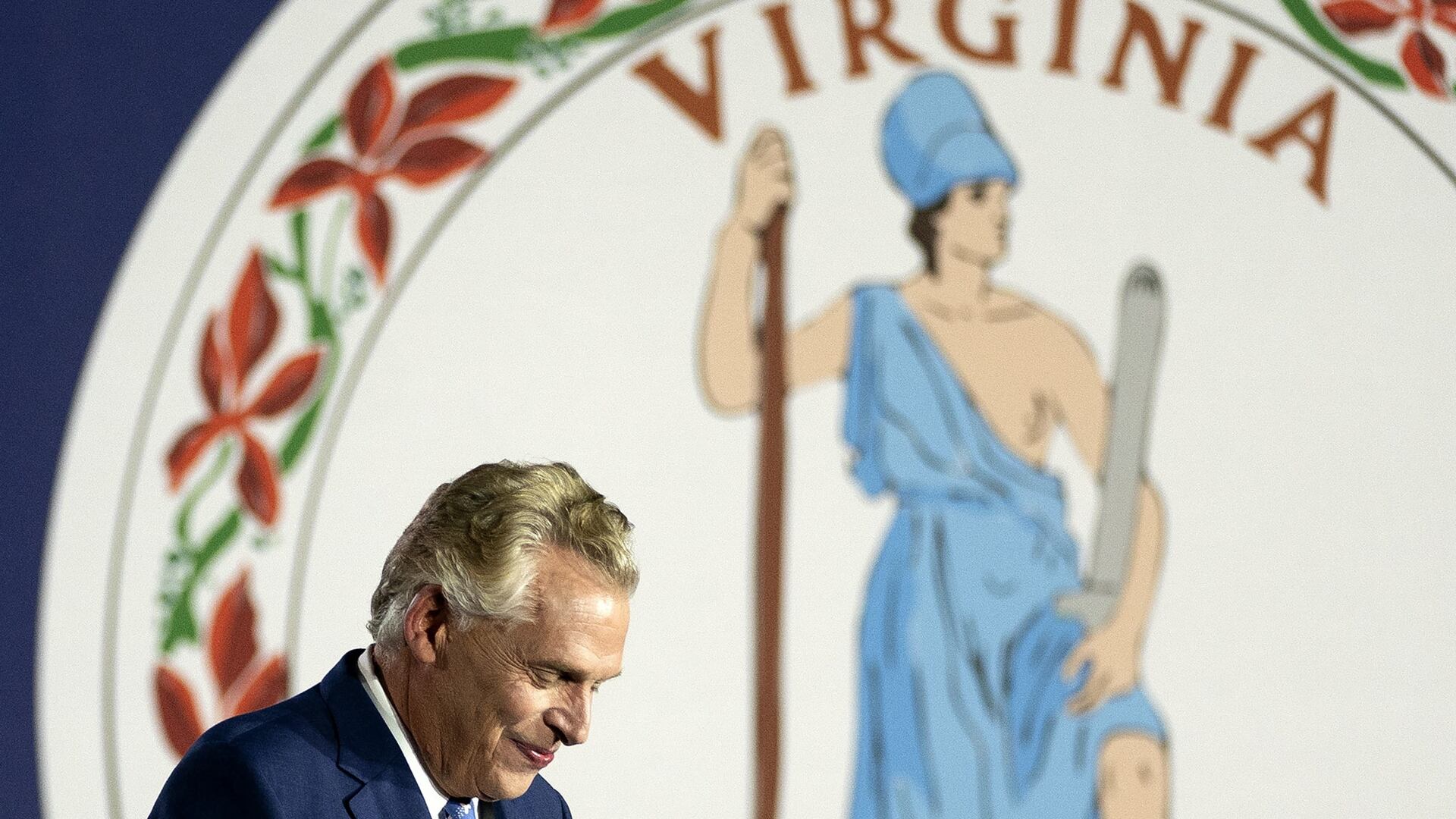
Going into election day on Tuesday, many of us had an inkling it might not be a great day for Democrats. History tells us the president's party tends to lose congressional seats, governorships and state legislature seats in off-year and midterm elections. Tuesday turned out to be a big wake-up call for democrats. Not only did Terry McAuliffe lose in the Virginia governor's race, Gov. Phil Murphy won re-election by an incredibly slim margin. Both races saw continued Democratic losses in rural areas and a shift of suburban voters back to the GOP. Liz Landers, chief political correspondent at Vice News, joins Cheddar Politics to discuss.
Week one of UN climate summit is coming to an end, world leaders made a number of promises to save the planet. President Biden attended the first two days of the meeting.
Alan Neuhauser, vice president of Silverline Communications, joined Cheddar Politics to talk more about the pledges that came out from the summit and their significance.
It's been a busy week for the Supreme Court. It heard arguments on three of the most watched cases in the docket for this term. The court heard arguments in two cases challenging the Texas abortion law on Monday - one filed by abortion providers and the other by the justice department. Instead of weighing in on the constitutionality of the matter itself, justices focused on the unusual structure of the law that enables citizens to enforce the law, not the state government.
On Wednesday, the court heard arguments in the biggest Second Amendment case in more than a decade. The dispute is over a New York gun law that requires people seeking a license to carry a handgun in public to show a "proper cause." The challengers in this case claim the law inhibits their constitutional Second Amendment rights.
Amy Howe, co-founder of SCOTUSBlog, joined Cheddar Politics to break the cases down.
This is the first installment of Cheddar Changemakers, where we spotlight young activists making a difference in the world and speaking up on issues regarding mental health, voting, and climate change.
Republicans are considered, and often act like, the party opposed to action on climate change. They've made a point of fighting even modest regulations on businesses related to stemming the worst effects of climate change. But Republicans aren't a monolith on climate change, and our next guest reminds us that "conservation" and "conservative" have the same word root.
Quill Robinson, VP of government affairs at the American Conservation Coalition, joins Cheddar Politics to discuss.
The mayor of Portland, Oregon, Ted Wheeler joined Cheddar News Wrap to discuss his plans to get an increase in the city's police budget for more personnel, changes to public safety response, and more body cameras. The Democratic mayor addressed the growth in violent crimes amid the pandemic, but noted the need for officers who take their roles seriously. We want officers who understand that policing is an important responsibility, it's a high calling," he said. "We also want a police bureau that is accountable and responsible to the public it serves."
More American tech companies continue to pull their businesses out of China as the Communist Party cracks down on firms — both foreign and domestic. Yahoo and Fortnite have become the latest companies to withdraw from the country, and the withdrawals come just days after Microsoft announced it would take LinkedIn offline. Shehzad Qazi, managing director at China Beige Book International, joined Cheddar to provide some insight into how the crackdowns in China would also impact the tech companies at home in the United States.