In the 2020 presidential primary, leading candidates are not only subject to scrutiny from the media for any potential gaffes or slip-ups. On social media, they are also targets of misinformation attacks from trolls, bots, or even regular people who want to take down candidates they don't like.
As quickly as the problem grows, though, there are businesses looking to solve it.
VineSight, an AI-based start-up, is working to detect misinformation attacks early. The company has developed an algorithm to study how fake news campaigns spread, especially on social media platforms like Twitter.
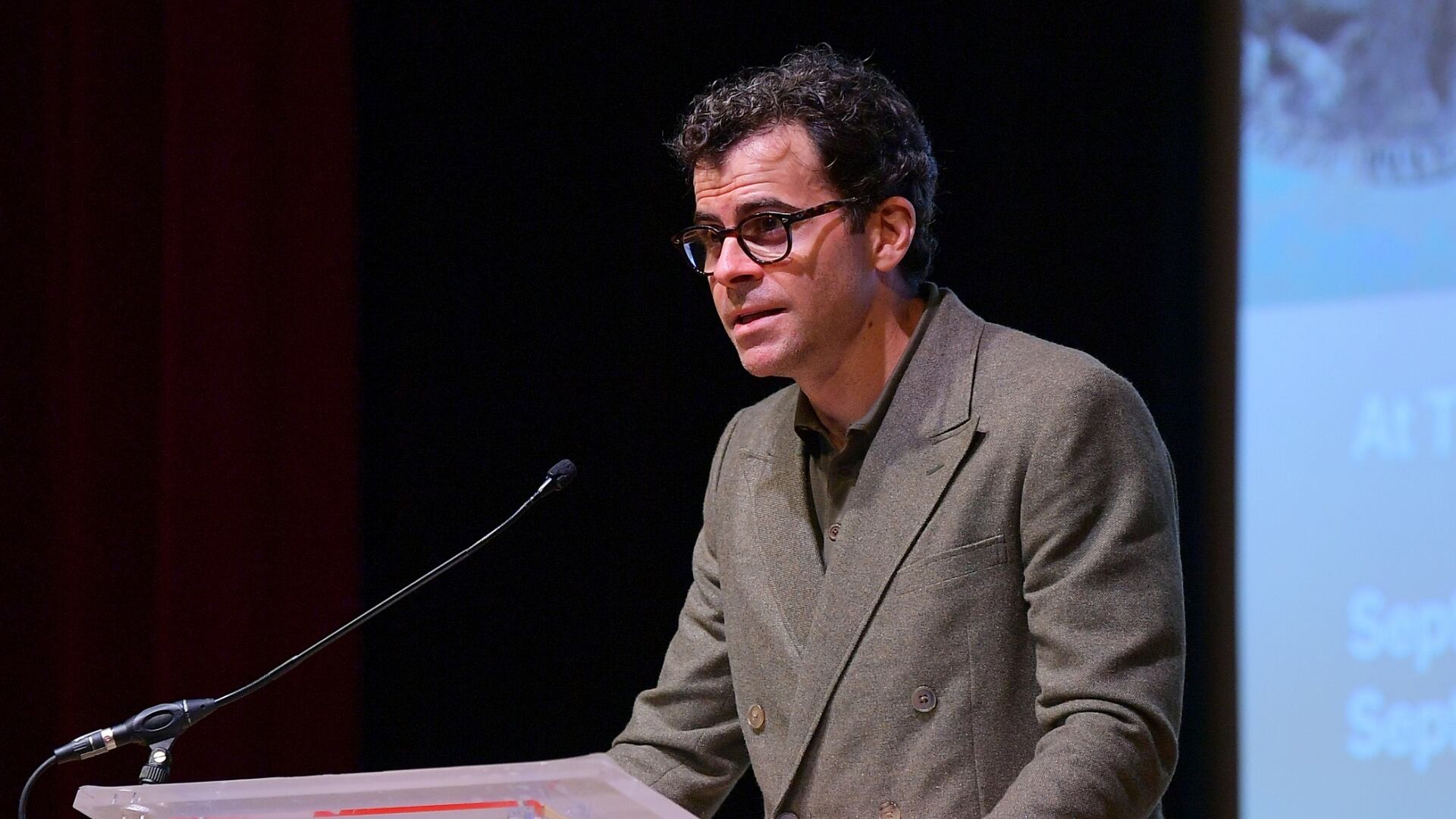
"Consistently Joe Biden had the most attacks targeting him," following the first two Democratic debates, said CEO Gideon Blocq.
Kamala Harris was also a popular target of misinformation attacks on social media, he told Twitter. "In the July debates, she was actually targeted a lot more than in the June debates."
According to a recent report from VineSights, Biden was subject to 30 percent of the fake news attacks following his debate performance in July. Harris trailed not far behind at 27 percent.
The attacks seem to mirror what poll-watchers saw: Biden, the frontrunner, taking the brunt of the attacks, and Harris facing more after an impressive performance at the June debate.
VineSight looks beyond the 280 characters that Twitter users can type, with the AI able to scan images and videos as well, Blocq said.
As one example, VineSight identified this tweet from the verified Trump War Room Twitter account as a part of a misinformation campaign. The tweet shows a doctored video of Joe Biden stuttering during his CNN debate performance.
Misinformation doesn't always come in the form of doctored content, though. The problem can be more subtle, in the form of content that has been taken out of context.
At the Iowa State Fair over the weekend, Blocq flagged a video coming from Turning Point USA founder and Trump supporter, Charlie Kirk, that has been viewed over 1.6 million times. Kirk's tweet says that it shows Joe Biden "forcefully grab" a field staffer.
When watching a longer version of the clip play out in real time, it appears that Biden did grab the woman's arm as she walked away so that he could further answer her question, but the "grab" doesn't appear to be forceful, like Kirk contends.
When asked about videos like this, Blocq said, "It's not fabricated, but implies that something happened, which didn't happen and is taken out of context."
As for Sen. Harris, she's faced various misinformation attacks over her ethnicity, including claims that she was lying about being black.
Blocq said this is just the "tip of the iceberg" on misinformation attacks, a cautionary message with nearly 14 months to go before the general election.
Despite former special counsel Robert Mueller's lengthy investigation into Russian interference in the 2016 election, Blocq says Americans should not be so quick to point to Russia in all of these misinformation campaigns.
Echoing Alex Stamos, a former chief security officer at Facebook, Blocq said, "If you think it's Russia, it's probably not Russia."
Rather, a majority of these targeted attacks are coming from "trolls and bots, but we also see actual human beings, verified human beings, competing campaigns, sharing this misinformation," he said.
So, what now?
Though Blocq told Cheddar the targeted attacks of misinformation are just going to get "bigger and bigger" as the election ramps up, "more solutions are also coming up."
The biggest fix, he said, is increasing news literacy, and therefore drawing a line between what is real, and what is fake.
"This is the first step. It's very complex to stop this entire world of misinformation, I think we'll get there, but it'll take a long time," Blocq stated.