In the 2020 presidential primary, leading candidates are not only subject to scrutiny from the media for any potential gaffes or slip-ups. On social media, they are also targets of misinformation attacks from trolls, bots, or even regular people who want to take down candidates they don't like.
As quickly as the problem grows, though, there are businesses looking to solve it.
VineSight, an AI-based start-up, is working to detect misinformation attacks early. The company has developed an algorithm to study how fake news campaigns spread, especially on social media platforms like Twitter.
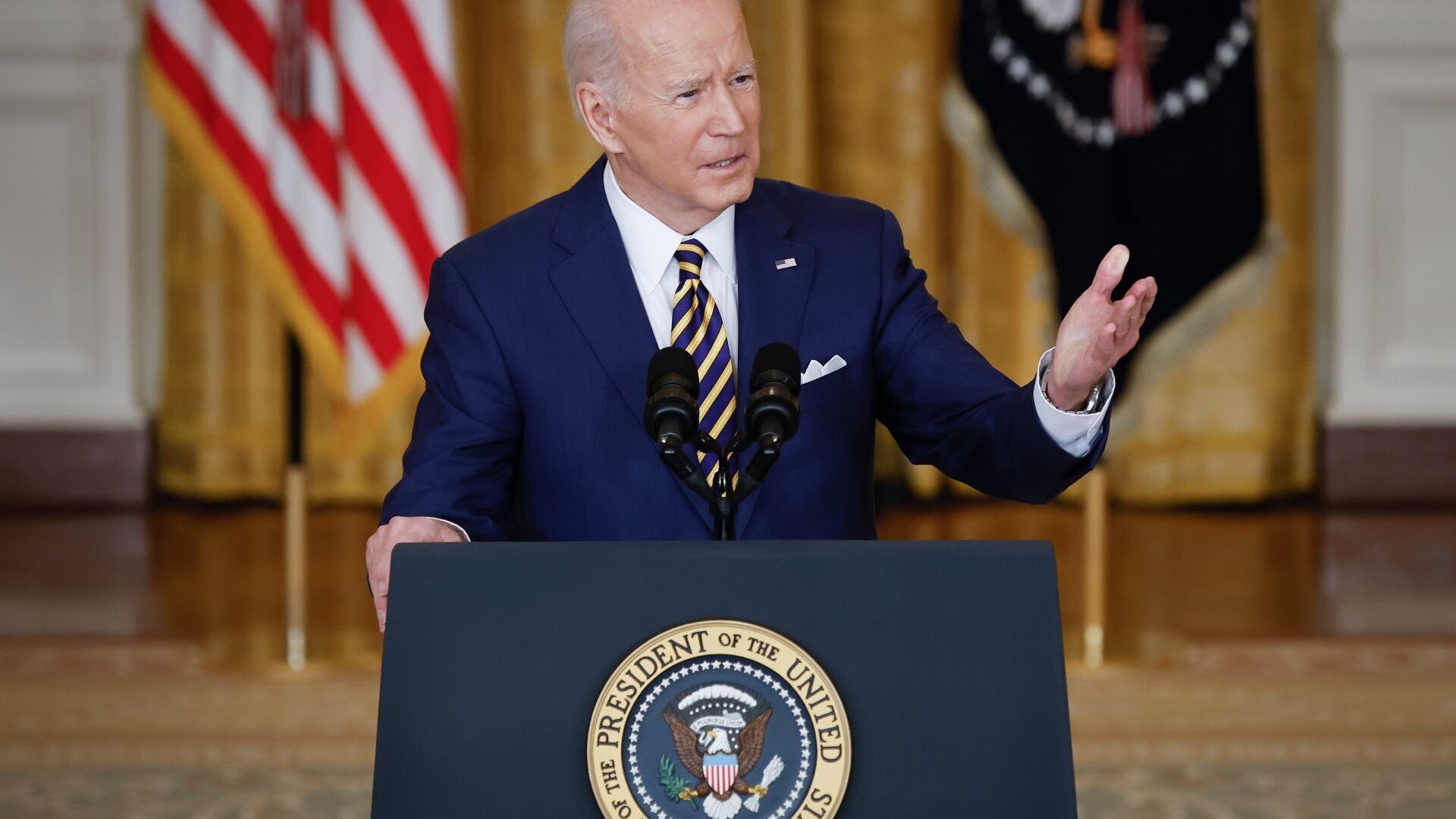
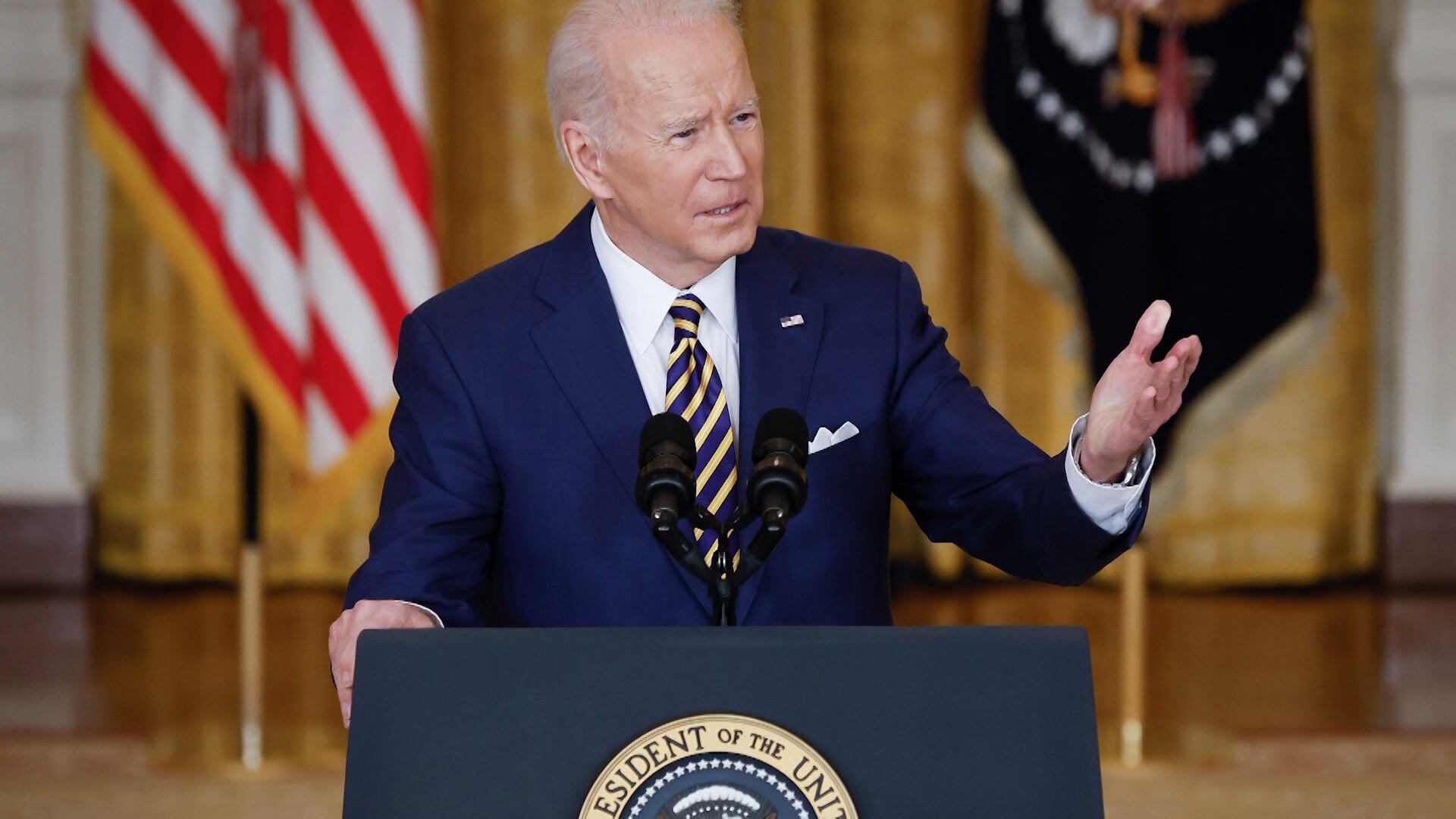
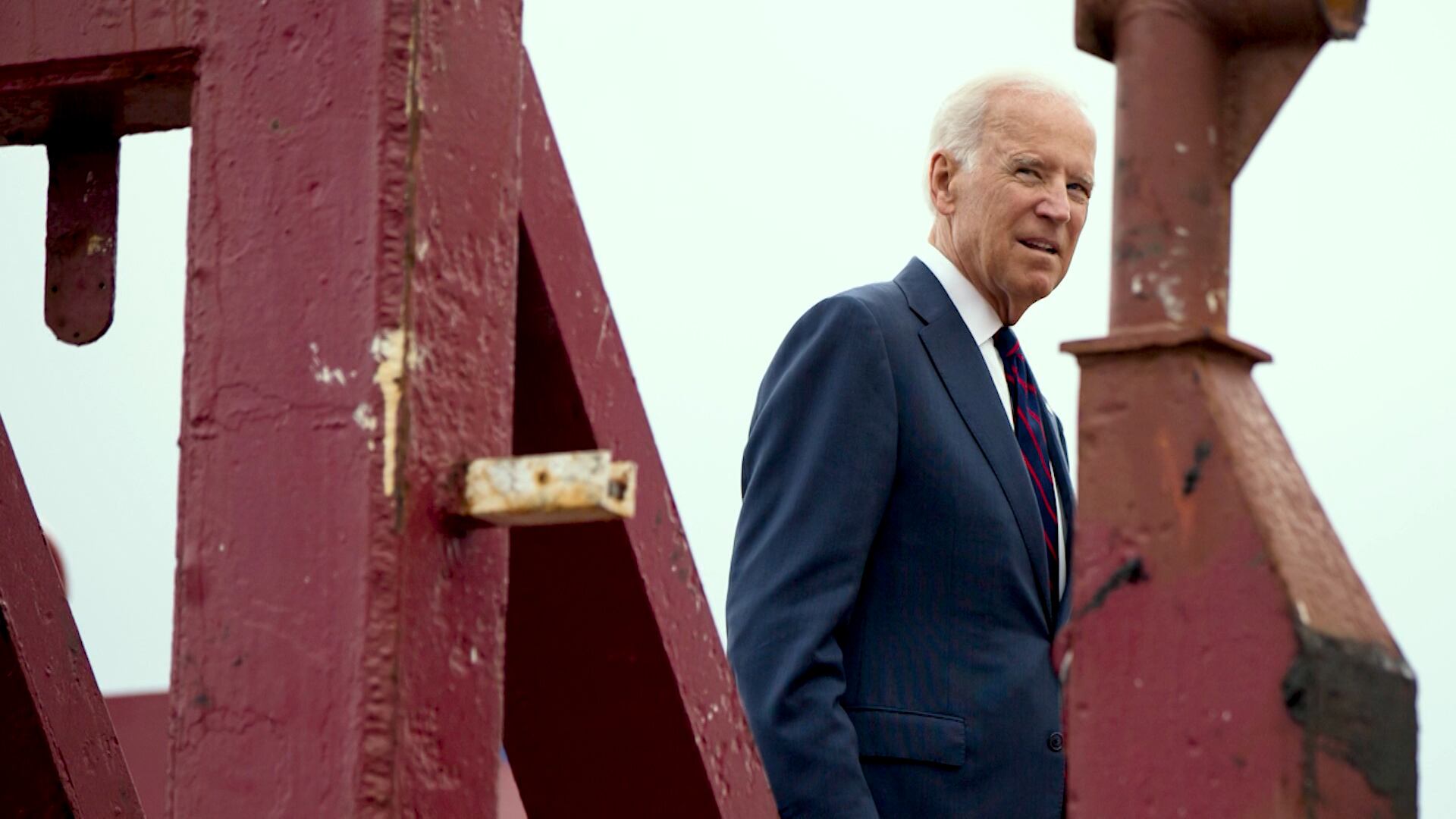
"Consistently Joe Biden had the most attacks targeting him," following the first two Democratic debates, said CEO Gideon Blocq.
Kamala Harris was also a popular target of misinformation attacks on social media, he told Twitter. "In the July debates, she was actually targeted a lot more than in the June debates."
According to a recent report from VineSights, Biden was subject to 30 percent of the fake news attacks following his debate performance in July. Harris trailed not far behind at 27 percent.
The attacks seem to mirror what poll-watchers saw: Biden, the frontrunner, taking the brunt of the attacks, and Harris facing more after an impressive performance at the June debate.
VineSight looks beyond the 280 characters that Twitter users can type, with the AI able to scan images and videos as well, Blocq said.
As one example, VineSight identified this tweet from the verified Trump War Room Twitter account as a part of a misinformation campaign. The tweet shows a doctored video of Joe Biden stuttering during his CNN debate performance.
Misinformation doesn't always come in the form of doctored content, though. The problem can be more subtle, in the form of content that has been taken out of context.
At the Iowa State Fair over the weekend, Blocq flagged a video coming from Turning Point USA founder and Trump supporter, Charlie Kirk, that has been viewed over 1.6 million times. Kirk's tweet says that it shows Joe Biden "forcefully grab" a field staffer.
When watching a longer version of the clip play out in real time, it appears that Biden did grab the woman's arm as she walked away so that he could further answer her question, but the "grab" doesn't appear to be forceful, like Kirk contends.
When asked about videos like this, Blocq said, "It's not fabricated, but implies that something happened, which didn't happen and is taken out of context."
As for Sen. Harris, she's faced various misinformation attacks over her ethnicity, including claims that she was lying about being black.
Blocq said this is just the "tip of the iceberg" on misinformation attacks, a cautionary message with nearly 14 months to go before the general election.
Despite former special counsel Robert Mueller's lengthy investigation into Russian interference in the 2016 election, Blocq says Americans should not be so quick to point to Russia in all of these misinformation campaigns.
Echoing Alex Stamos, a former chief security officer at Facebook, Blocq said, "If you think it's Russia, it's probably not Russia."
Rather, a majority of these targeted attacks are coming from "trolls and bots, but we also see actual human beings, verified human beings, competing campaigns, sharing this misinformation," he said.
So, what now?
Though Blocq told Cheddar the targeted attacks of misinformation are just going to get "bigger and bigger" as the election ramps up, "more solutions are also coming up."
The biggest fix, he said, is increasing news literacy, and therefore drawing a line between what is real, and what is fake.
"This is the first step. It's very complex to stop this entire world of misinformation, I think we'll get there, but it'll take a long time," Blocq stated.
President Biden's first year did not come to the close that he had hoped after last night's Senate vote blocked the voting rights bill, a priority that Biden has promoted since his inauguration. Joining us to discuss the voting rights bill, and many others passing through congress is congresswoman Lori Trahan, representing Massachusett's 3rd district.
Members of Congress have voted to advance a bill meant to address antitrust concerns related to tech giants including Amazon, Apple, Google, and Meta. The 'American Innovation and Choice Online Act' is largely seen as one of the best chances for the government to reign in Big Tech's dominance
Seth Schachner, Managing Director StratAmericas; Digital Business Executive joined Cheddar's Opening Bell to discuss.
American semiconductor company, Intel officially announcing plans to build a new $20 billion chip manufacturing complex outside Columbus, Ohio. This comes as the global chip shortage continues to hamper production of everything from smart phones, to cars. Jennifer Smith - Logistics and Supply Chain Reporter, WSJ joined Cheddar's Opening Bell to discuss.
The U.S. has put more than 8,000 American troops on high alert for possible deployment to Eastern Europe as the West prepares for a potential Russian invasion of Ukraine. With Russia building up more than 100,000 troops near the Ukrainian border, concerns over the country's behavior are mounting. Joel Rubin, Former Deputy Assistant Secretary of State and President of the Washington Strategy Group, joined Cheddar to discuss what this means for U.S.-Russia relations, and where the conflict might be heading next.
As the midterm election looms, things aren't looking too promising for President Joe Biden. One year into his term as president, Biden is facing one of the lowest approval ratings of any modern-day president, threatening his party's control of the House in 2022. Brian Bennett, Senior White House Correspondent for TIME, joined Cheddar's Opening Bell to discuss.
A full one year into his term as President of The United States, President Biden addressed the nation on Wednesday, facing questions on everything from inflation to chip shortages and covid-19. As Biden enters his second year in office, he is facing one of the lowest approval ratings of any modern-day president. Kate Davidson, Reporter, POLITICO joined Cheddar's Opening Bell to discuss.
"Barbara Lee: Speaking Truth to Power" is the story of how the longtime House Democrat became, as she Is known to some, as "the Conscience of Congress." The film also
shows Representative Lee from her days working to fight community poverty to famously becoming the only member of Congress to vote "no" against the war in Afghanistan days after 9/11. The film is nominated for an NAACP Image Award, and Premieres on Starz on February 1. Film director Abby Ginzberg and Rep. Barbara Lee (D-Calif. 13th District), joined Cheddar to discuss more.
San Diego has just implemented a new law that could set the stage for how the country deals with food waste. This new law hopes to make a dent in that. Businesses and groceries stores out in San Diego will need to put a plan in place to *donate edible food rather than toss it straight to the trash. Food Rescue Manager at Feeding San Diego, Kate Garret
Earlier this month, New York City experienced one of the deadliest fires it has seen in decades. 17 people lost their lives in the Fordham section of the Bronx. This was due to a faulty space heater which reportedly began on the lower floor of the 120 unit building. Thanks to the F. D. N. Y. And heroic neighbors, many were able to get out in time. Unfortunately, the toxic smoke surged upwards through a safety door. Now, many advocates say negligence by policymakers and landlords has led to the deaths in black and brown communities from fires that honestly could have been preventable. Legislative Director of Citizen Action of New York, Rebecca Garrard, and the Chair of Journalism and New Media Studies at St. Joseph's College Theodore Hamm, joined Cheddar to discuss more.