In the 2020 presidential primary, leading candidates are not only subject to scrutiny from the media for any potential gaffes or slip-ups. On social media, they are also targets of misinformation attacks from trolls, bots, or even regular people who want to take down candidates they don't like.
As quickly as the problem grows, though, there are businesses looking to solve it.
VineSight, an AI-based start-up, is working to detect misinformation attacks early. The company has developed an algorithm to study how fake news campaigns spread, especially on social media platforms like Twitter.
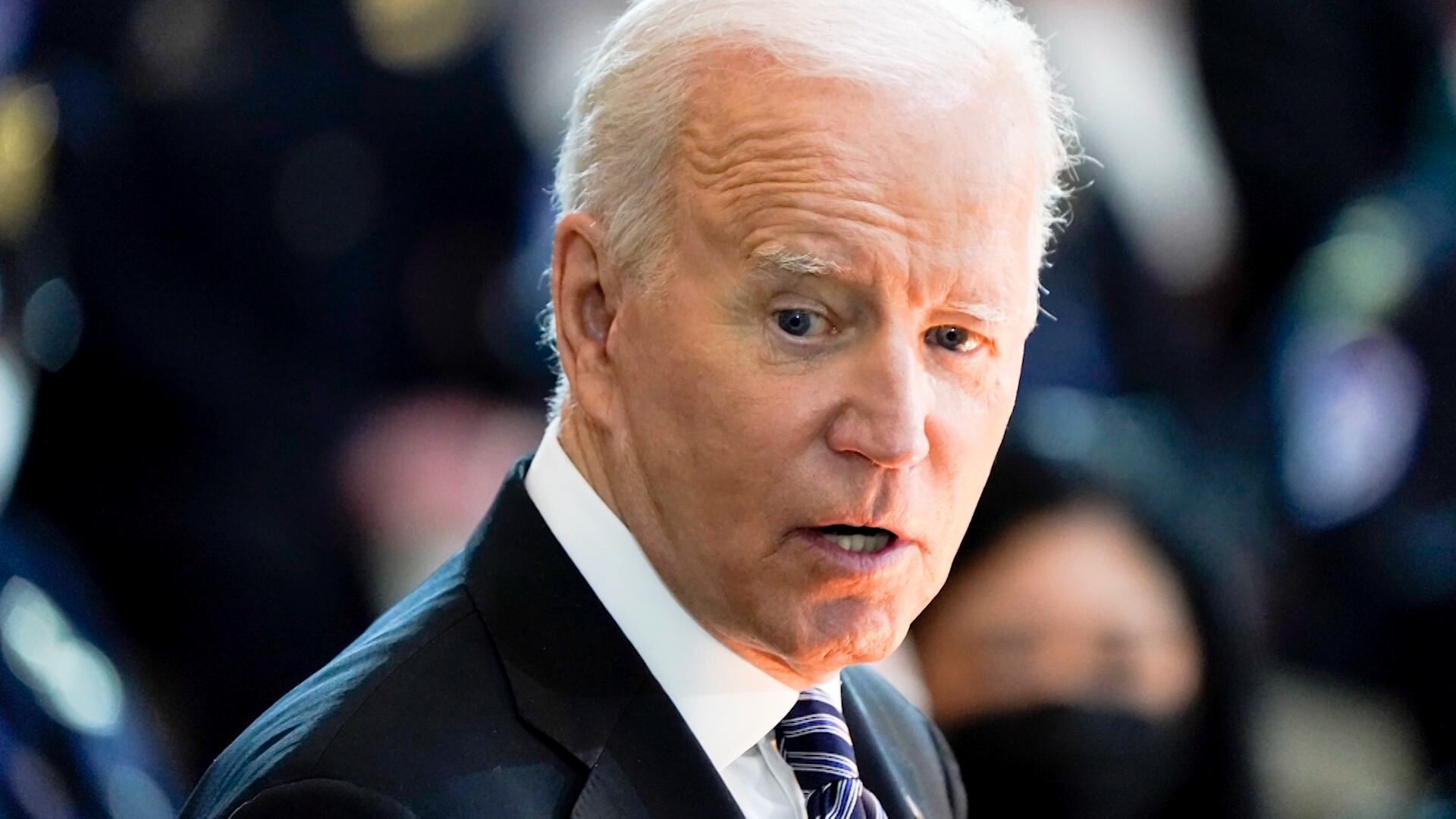
"Consistently Joe Biden had the most attacks targeting him," following the first two Democratic debates, said CEO Gideon Blocq.
Kamala Harris was also a popular target of misinformation attacks on social media, he told Twitter. "In the July debates, she was actually targeted a lot more than in the June debates."
According to a recent report from VineSights, Biden was subject to 30 percent of the fake news attacks following his debate performance in July. Harris trailed not far behind at 27 percent.
The attacks seem to mirror what poll-watchers saw: Biden, the frontrunner, taking the brunt of the attacks, and Harris facing more after an impressive performance at the June debate.
VineSight looks beyond the 280 characters that Twitter users can type, with the AI able to scan images and videos as well, Blocq said.
As one example, VineSight identified this tweet from the verified Trump War Room Twitter account as a part of a misinformation campaign. The tweet shows a doctored video of Joe Biden stuttering during his CNN debate performance.
Misinformation doesn't always come in the form of doctored content, though. The problem can be more subtle, in the form of content that has been taken out of context.
At the Iowa State Fair over the weekend, Blocq flagged a video coming from Turning Point USA founder and Trump supporter, Charlie Kirk, that has been viewed over 1.6 million times. Kirk's tweet says that it shows Joe Biden "forcefully grab" a field staffer.
When watching a longer version of the clip play out in real time, it appears that Biden did grab the woman's arm as she walked away so that he could further answer her question, but the "grab" doesn't appear to be forceful, like Kirk contends.
When asked about videos like this, Blocq said, "It's not fabricated, but implies that something happened, which didn't happen and is taken out of context."
As for Sen. Harris, she's faced various misinformation attacks over her ethnicity, including claims that she was lying about being black.
Blocq said this is just the "tip of the iceberg" on misinformation attacks, a cautionary message with nearly 14 months to go before the general election.
Despite former special counsel Robert Mueller's lengthy investigation into Russian interference in the 2016 election, Blocq says Americans should not be so quick to point to Russia in all of these misinformation campaigns.
Echoing Alex Stamos, a former chief security officer at Facebook, Blocq said, "If you think it's Russia, it's probably not Russia."
Rather, a majority of these targeted attacks are coming from "trolls and bots, but we also see actual human beings, verified human beings, competing campaigns, sharing this misinformation," he said.
So, what now?
Though Blocq told Cheddar the targeted attacks of misinformation are just going to get "bigger and bigger" as the election ramps up, "more solutions are also coming up."
The biggest fix, he said, is increasing news literacy, and therefore drawing a line between what is real, and what is fake.
"This is the first step. It's very complex to stop this entire world of misinformation, I think we'll get there, but it'll take a long time," Blocq stated.
Nancy Pelosi and House Democratic leaders are now planning to amend the stop trading on congressional knowledge act, otherwise known as the 'Stock' Act. This 2012 law governs how members disclose the purchase or sale of stocks and amending it would close a loophole, eliminating the trading of individual stocks by members of congress. Pelosi has consistently opposed a ban on stock trading by lawmakers and congressional staff...so what's changed? Kedric Payne, Vice President of Campaign Legal Center, joins Cheddar News to discuss.
In a 5-4 vote, the U.S. Supreme Court allowed for a controversial new version of the Alabama congressional map to remain in place. The lower court had previously ordered that the state must redraw that congressional map because it violates the Voting Rights Act by diluting the political power of Black voters. Redistricting expert Yurij Rudensky joins Cheddar News to weigh in.
Florida lawmakers have introduced a controversial bill restricting some discussion of sexual orientation and gender identity in classrooms with young students. Supporters say the move empowers parents to have more of a say in what their children learn. Florida State Senator Shevrin Jones joins Cheddar News to discuss more.
Congress this week passed a bill that would end forced arbitration for workplace sexual assault and harassment, one of the most significant changes to employment law in years. Cheddar News speaks with Marjorie Mesidor, Sexual Harassment Attorney, who explains that arbitrators are often retired judges or attorneys who "tends to have a more conservative view both to law and rewards."
As the situation with Russia has grown more precarious, the White House urged Americans remaining in Ukraine to leave immediately. The Biden administration that it sees continuing signs of escalation but did not have specific information detailing a timetable for a potential invasion. Kristine Berzina, senior fellow and head of the geopolitics team at the Alliance for Securing Democracy, joined Cheddar News to provide her analysis. "There's talk of an impending phone call between President Putin, President Biden," Berzina said. "That is certainly a good sign to indicate that there would be significant cost."
Terrell Starr, host of 'Black Diplomats' podcast and senior nonresident fellow at the Eurasia Center for Atlantic Council, joins Cheddar News from Kyiv, Ukraine to discuss the mounting tension there.
The White House laid out plans for a $5 billion investment into a national network of charging stations to ease EV driving anxiety. Bruce Brimacombe, CEO of EV infrastructure GOe3 joined Cheddar News to discuss how much needs to be done for drivers to get over the fear of running out of energy. "People need to be able to do what they're doing now," he said. "But that is the way that if you're going to buy an electric car, you got to feel like you're not changing your world." Brimacombe noted that building out the infrastructure between cities was GOe3's own focus.
U.S. automakers are saying that the blockade of the Ambassador Bridge, a crucial border crossing between the U.S. and Canada, is affecting their production lines. Michelle Krebs of Cox Automotive warns that the disruption "couldn't come at a worst time," amid chip and labor shortages in Detroit.
AND DETROIT-BASED AUTO MAKERS SAY THEY ARE SHUTTING DOWN PLANTS OR SCALING BACK PRODUCTION BECAUSE OF PARTS SHORTAGES.
Plans to add affordable housing to a development in Yellow Springs, Ohio, were squashed after comedian Dave Chappelle and other community members spoke out against the project. Chappelle threatened to pull the plug on his local comedy club and restaurant projects if the development had been approved.