*By Christian Smith*
An estimated 76,000 women in the U.S. are expected to freeze their eggs this year, but many of them often feel as if they're all alone.
That's why Washington Post filmmaker Nicole Ellis decided to create a docu-series chronicling her own experience with the process.
"I think we should be having more of these conversations in plain sight," Ellis said Friday in an interview on Cheddar. "My hope is that this series reassures you that you're not by yourself."
Ellis's eight-episode series "Should I freeze my eggs?" addresses both the psychological and financial costs women must consider when deciding whether or not to preserve their eggs.
"As women are entering the workplace, and growing, and becoming self-sufficient, and autonomous, and sort of growing professionally in every regard, it's something to think about," Ellis said.
Doctors have been freezing the eggs of women with life-threatening medical conditions like cancer for years, but it wasn't until 2012 that the American Society for Reproductive Medicine (ASRM) stopped calling the process "experimental" and allowed what is now known as "social egg freezing."
The move has sparked controversy ー some argue that delaying pregnancy to an age when a woman may be infertile is unethical. And at such a high cost ー a single cycle can [cost](http://time.com/money/5321055/freeze-eggs-cost/) between $5,000 and $8,000 (not including medication), and in many cases women go through multiple cycles to improve their chances ー some think it's "elitist," a procedure only available to the wealthy.
In the end, Ellis forewent the procedure in favor of using her savings to buy a house. To hear her rationale, Ellis said viewers have to tune in to her series.
All eight episodes of "Should I freeze my eggs?" are available on The Washington Post's [website](https://www.washingtonpost.com/video/entertainment/coming-soon-should-i-freeze-my-eggs/2018/01/26/26f8c122-0225-11e8-86b9-8908743c79dd_video.html?utm_term=.e85079220d17).
For full interview [click here](https://cheddar.com/videos/is-the-high-cost-for-freezing-your-eggs-worth-it).
U.S. Vice President Kamala Harris announced Thursday that the U.S. is investing more than $100 million in the Caribbean region to crack down on weapons trafficking, help alleviate Haiti’s humanitarian crisis and support climate change initiatives.
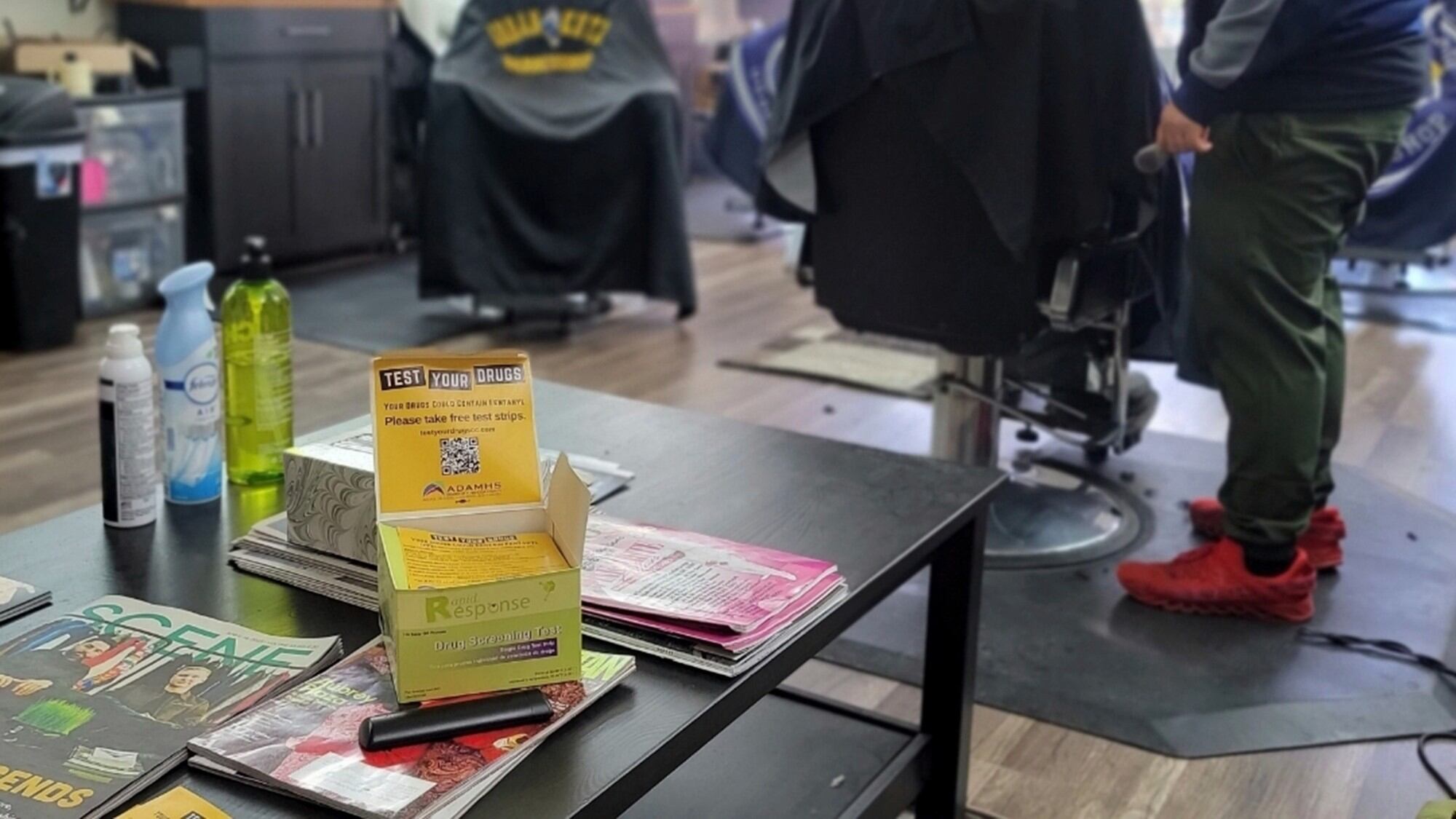
At Cleveland's Urban Kutz Barbershop, customers can flip through magazines as they wait, or help themselves to drug screening tests left out in a box on a table with a somber message: “Your drugs could contain fentanyl. Please take free test strips.”
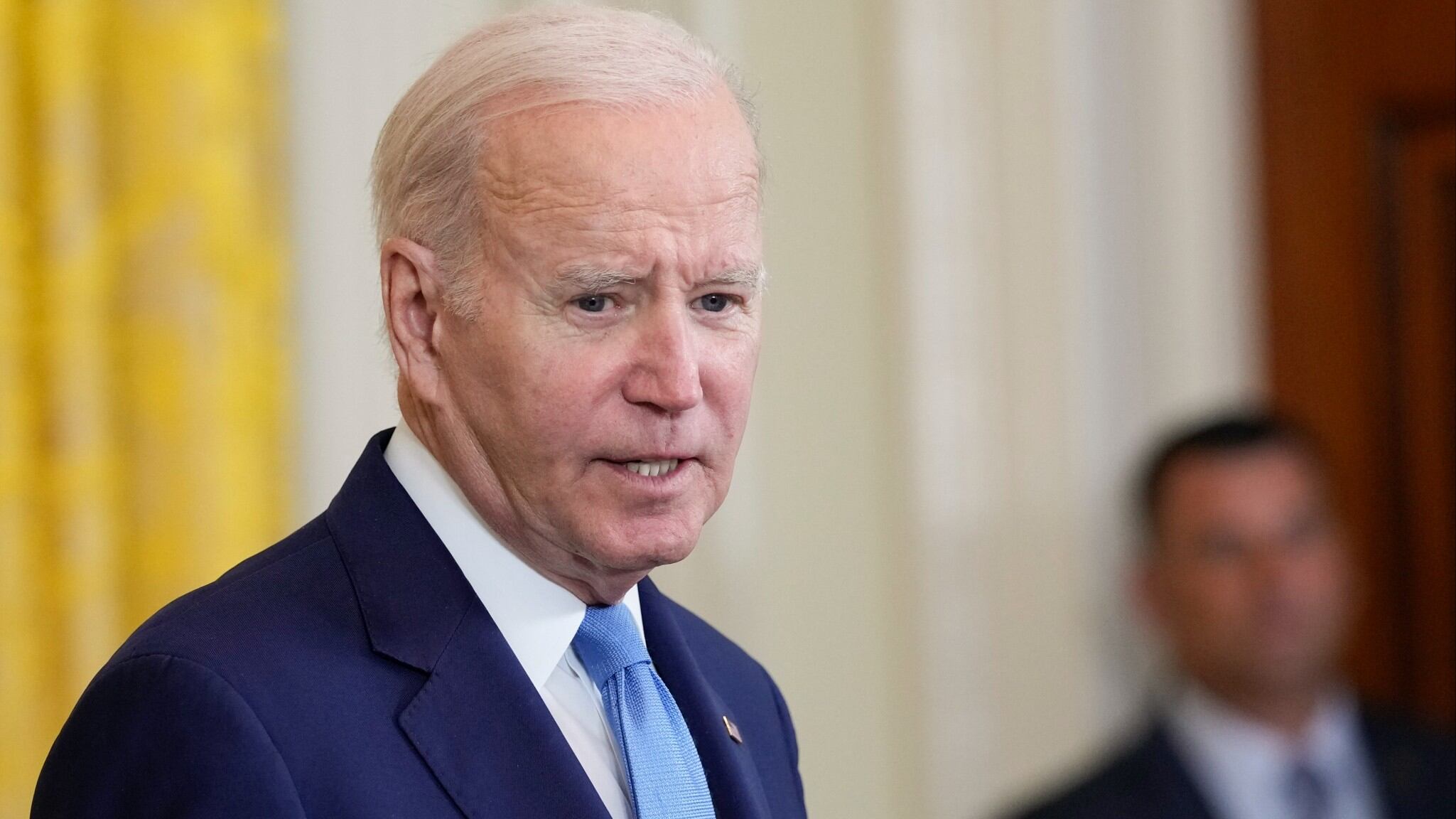
President Joe Biden on Thursday condemned a wave of “cruel” and “callous” state legislation curbing the rights, visibility and health care access of LGBTQ+ people, while causing the community to feel under attack for being who they are.
Pat Robertson, a religious broadcaster who turned a tiny Virginia station into the global Christian Broadcasting Network, tried a run for president and helped make religion central to Republican Party politics in America through his Christian Coalition, has died. He was 93.
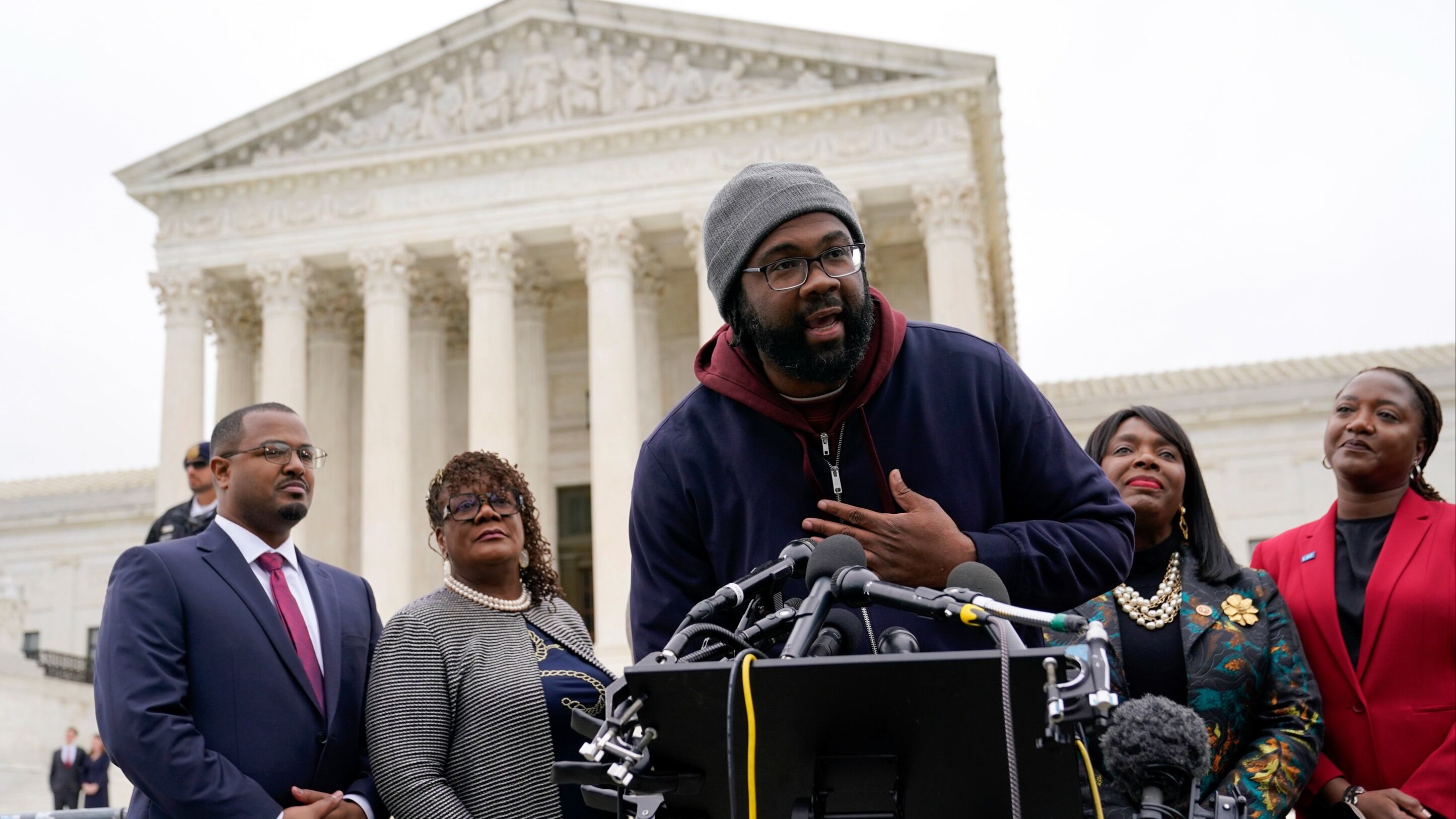
The Supreme Court on Thursday issued a surprising 5-4 ruling in favor of Black voters in a congressional redistricting case, ordering the creation of a second district with a large Black population.
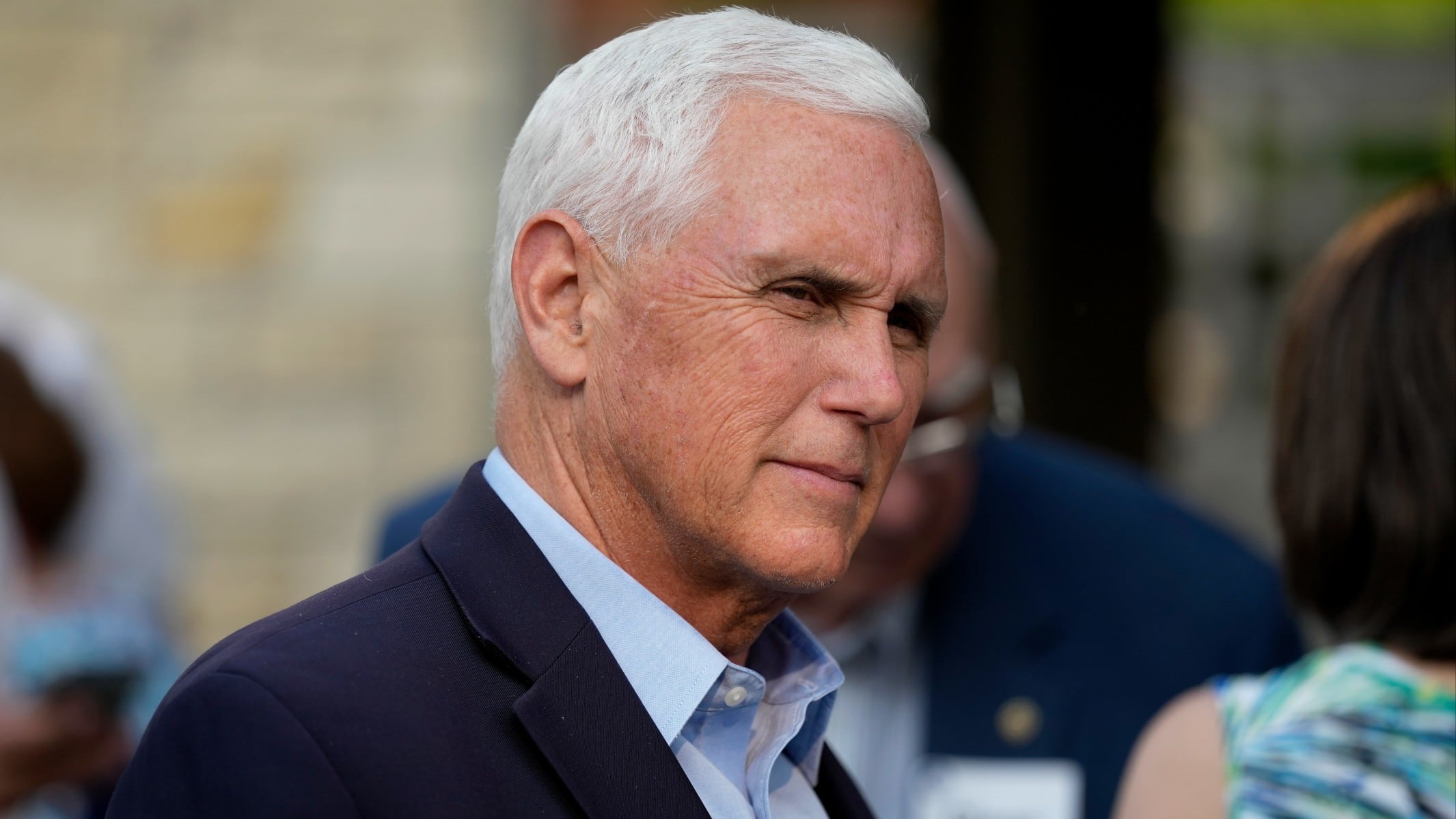
Mike Pence opened his presidential bid with an unusually forceful critique of former President Donald Trump over Jan. 6, his temperament and abortion on Wednesday as he became the first vice president in modern history to challenge his former running mate.
Former New Jersey Gov. Chris Christie wasted no time going after Donald Trump while launching his presidential campaign on Tuesday, calling the former president and current Republican primary front-runner a “lonely, self-consumed, self-serving mirror hog" and arguing that he's the only one who can stop him.
Saying gender identity is real, a federal judge temporarily blocked portions of a new Florida law that bans transgender minors from receiving puberty blockers, ruling Tuesday that the state has no rational basis for denying patients treatment.
With concerns about misinformation spreading online, European Union officials want to more closely regulate artificial intelligence, and they're asking the world's biggest tech companies for help.
Sens. Elizabeth Warren, Ron Wyden, Ed Markey, and Mazie Hirono sent a letter to top officials at Twitter expressing their concerns over the platform's privacy policy.