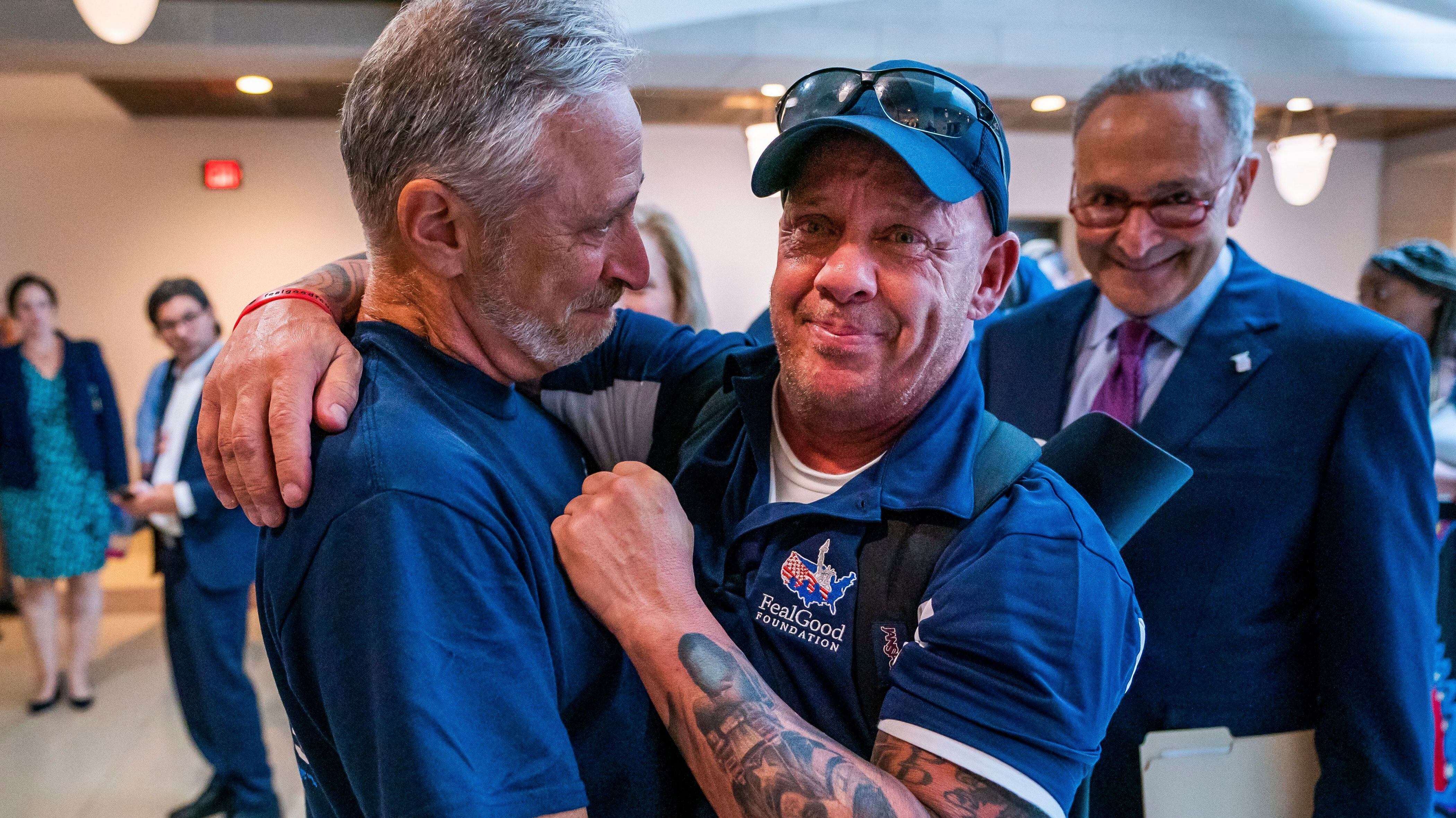
With a vote of 97-2, the Senate passed a bill Tuesday that will fund the 9/11 Victims Compensation Fund through 2090.
The fund was originally established in the months following the September 11 terrorist attacks to support the families of the victims killed, as well as survivors living with injuries.
The law, which required reauthorization, was expected to expire next year.
The fund has received more requests in recent years for serious illnesses related to the attacks and cleanup, according to CNN reporting.
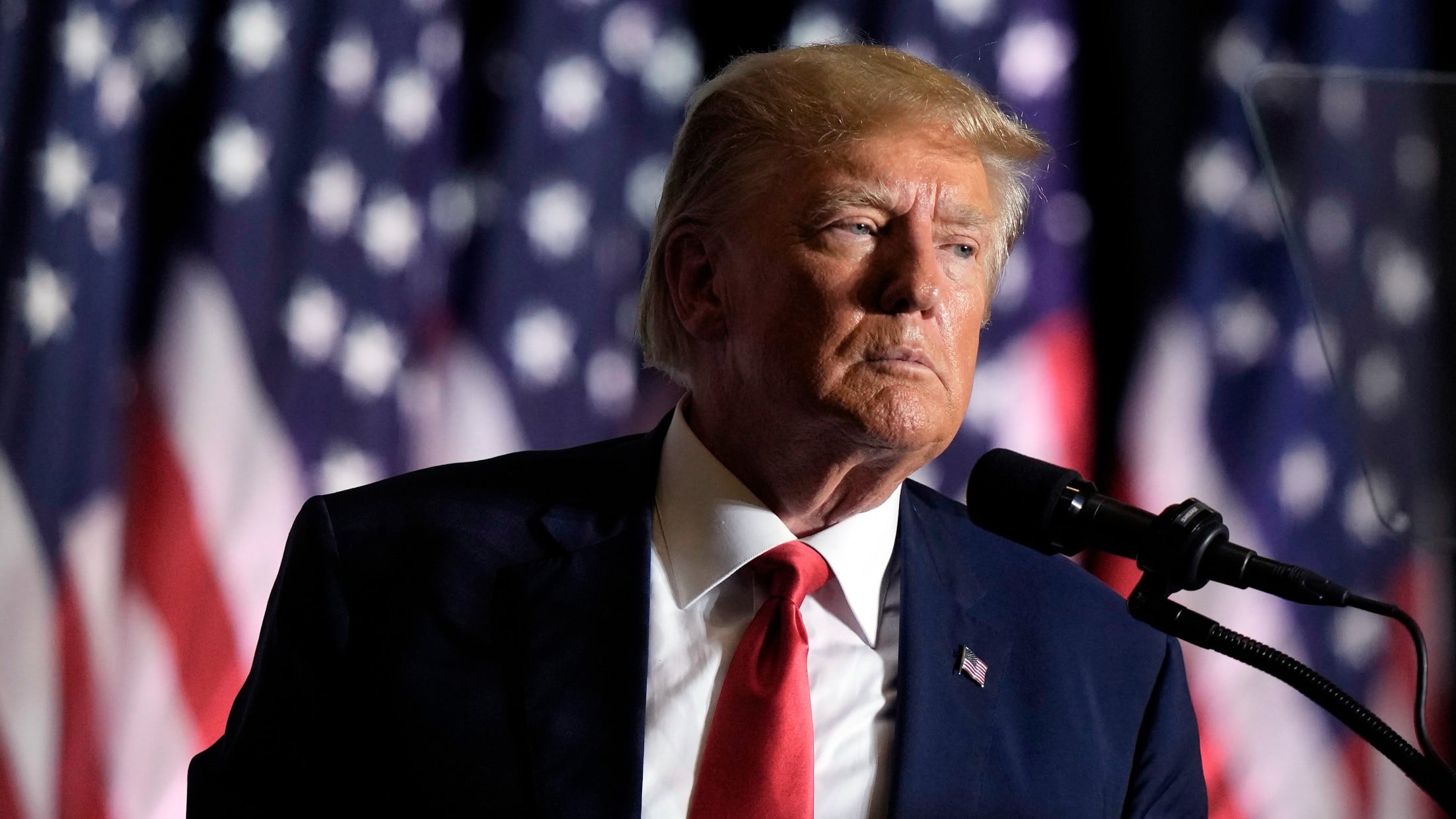
The House approved the new legislation earlier in July, and President Donald Trump is expected to sign the bill.
Comedian and former “Daily Show” host Jon Stewart, an ardent supporter of the first responders to the September 11 attacks, had heavily lobbied for the legislation, and testified on Capitol Hill alongside some of the first responders.
Sen. Rand Paul objected to the bill on the grounds that passing the legislation would require other expenditures to be cut, which delayed its passage in the Senate.
The fund is expected to cost $10.2 billion over the next decade, according to the Congressional Budget Office.
The bill’s full title is “Never Forget the Heroes: James Zadroga, Ray Pfeifer, and Luis Alvarez Permanent Authorization of the September 11th Victim Compensation Fund Act,” named after three first responders who died from 9/11-related illnesses.
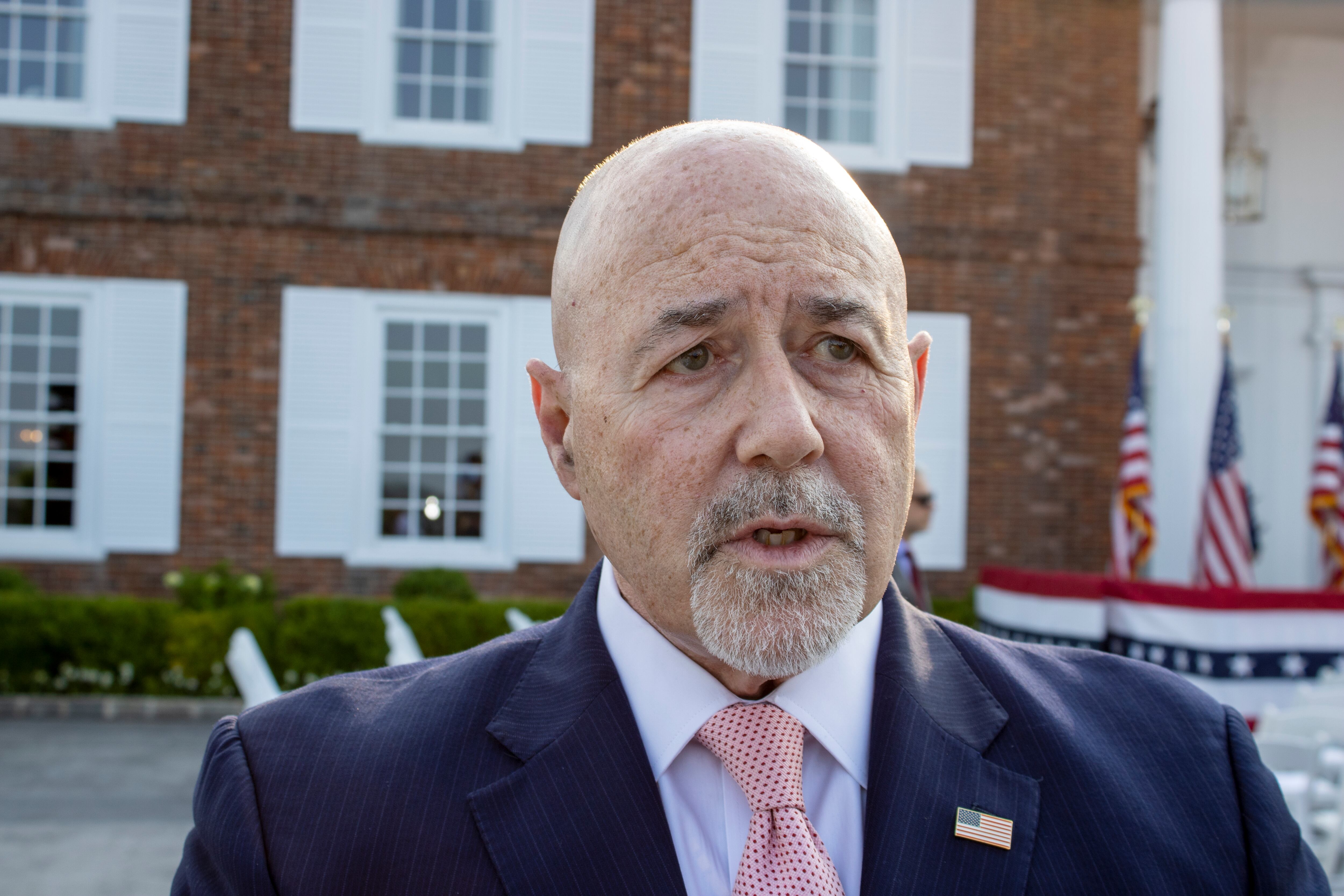
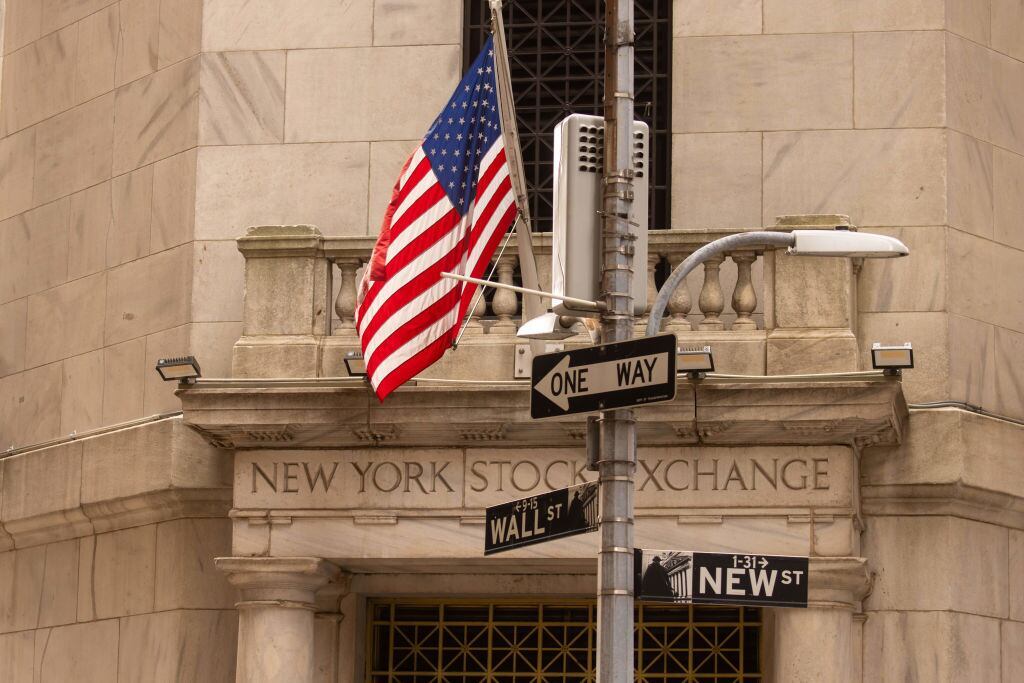
The lawyer for former NYPD commissioner Bernard Kerik turned over thousands of pages and documents to a special counsel as part of an investigation into Kerik's alleged involvement to overturn the results of the 2020 election.
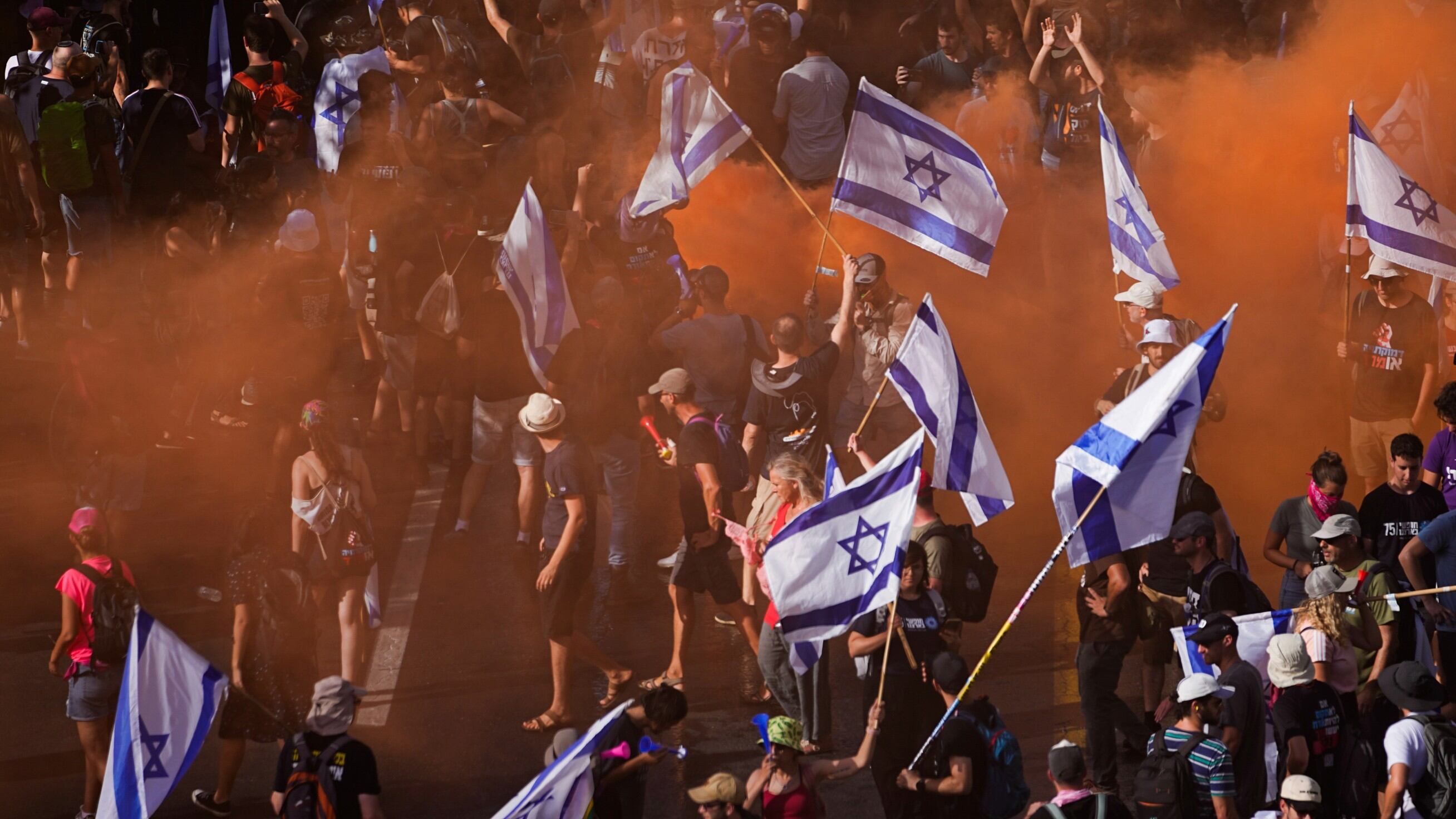
Israel’s parliament on Monday approved the first major law in Prime Minister Benjamin Netanyahu’s contentious plan to overhaul the country’s justice system, triggering a new burst of mass protests and drawing accusations that he was pushing the country toward authoritarian rule.
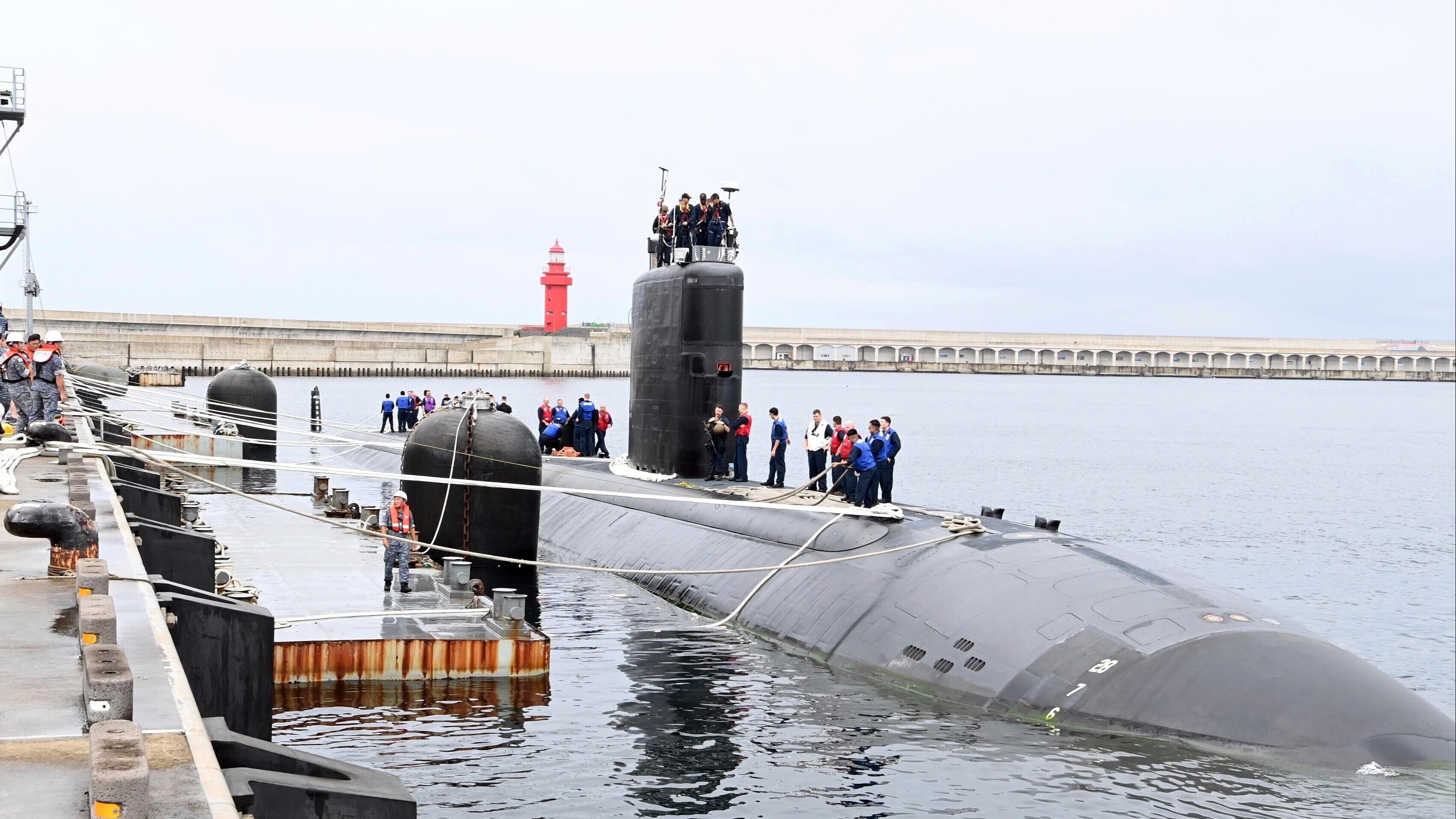
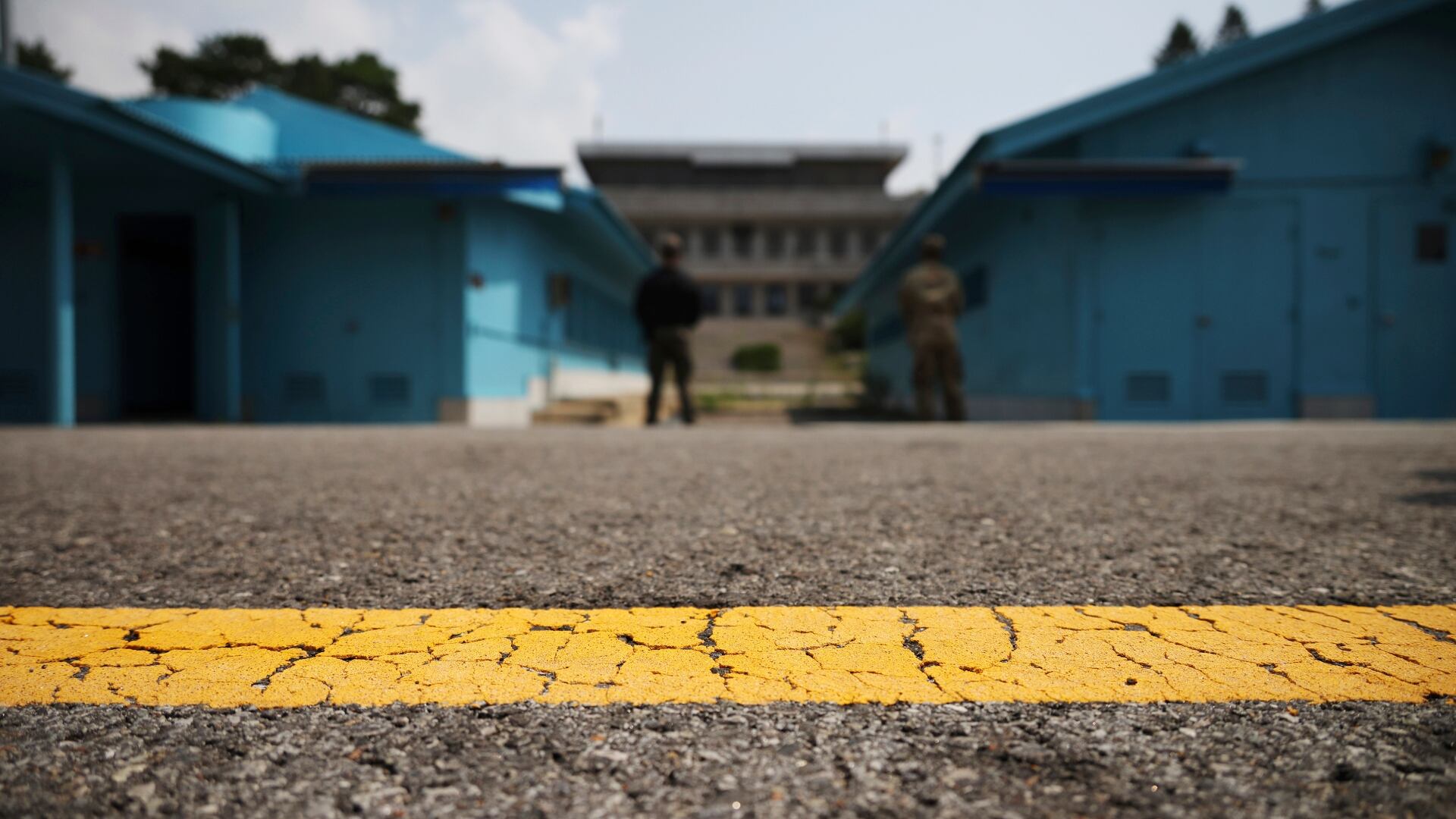
North Korea fired two short-range ballistic missiles into its eastern sea, South Korea’s military said Tuesday, adding to a recent streak in weapons testing that is apparently in protest of the U.S. sending major naval assets to South Korea in a show of force.
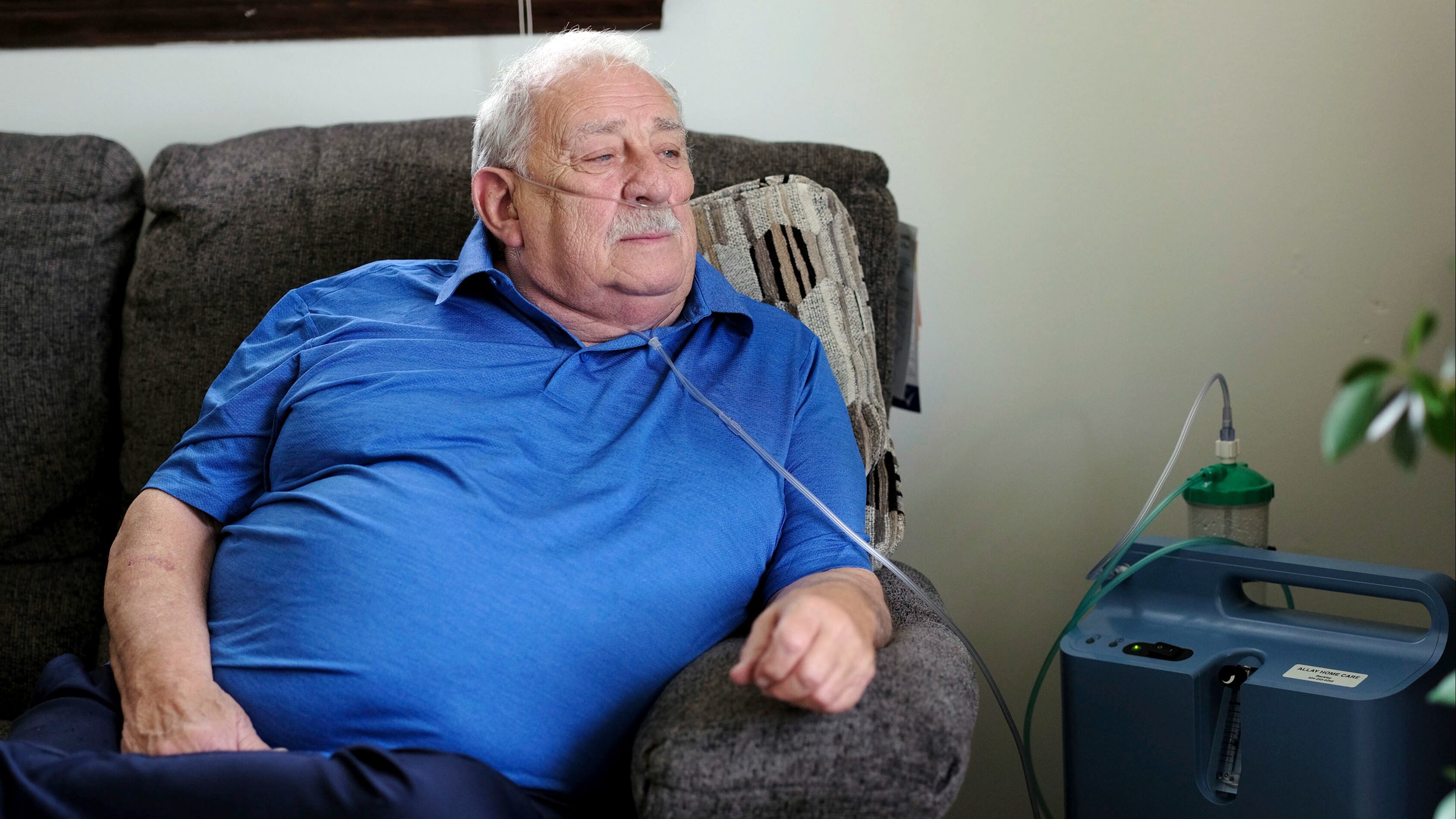
Now the federal Mine Safety and Health Administration has proposed a rule that would cut the current limit for silica exposure by half — a major victory for safety advocates. But there is skepticism and concern about the government following through after years of broken promises and delays.
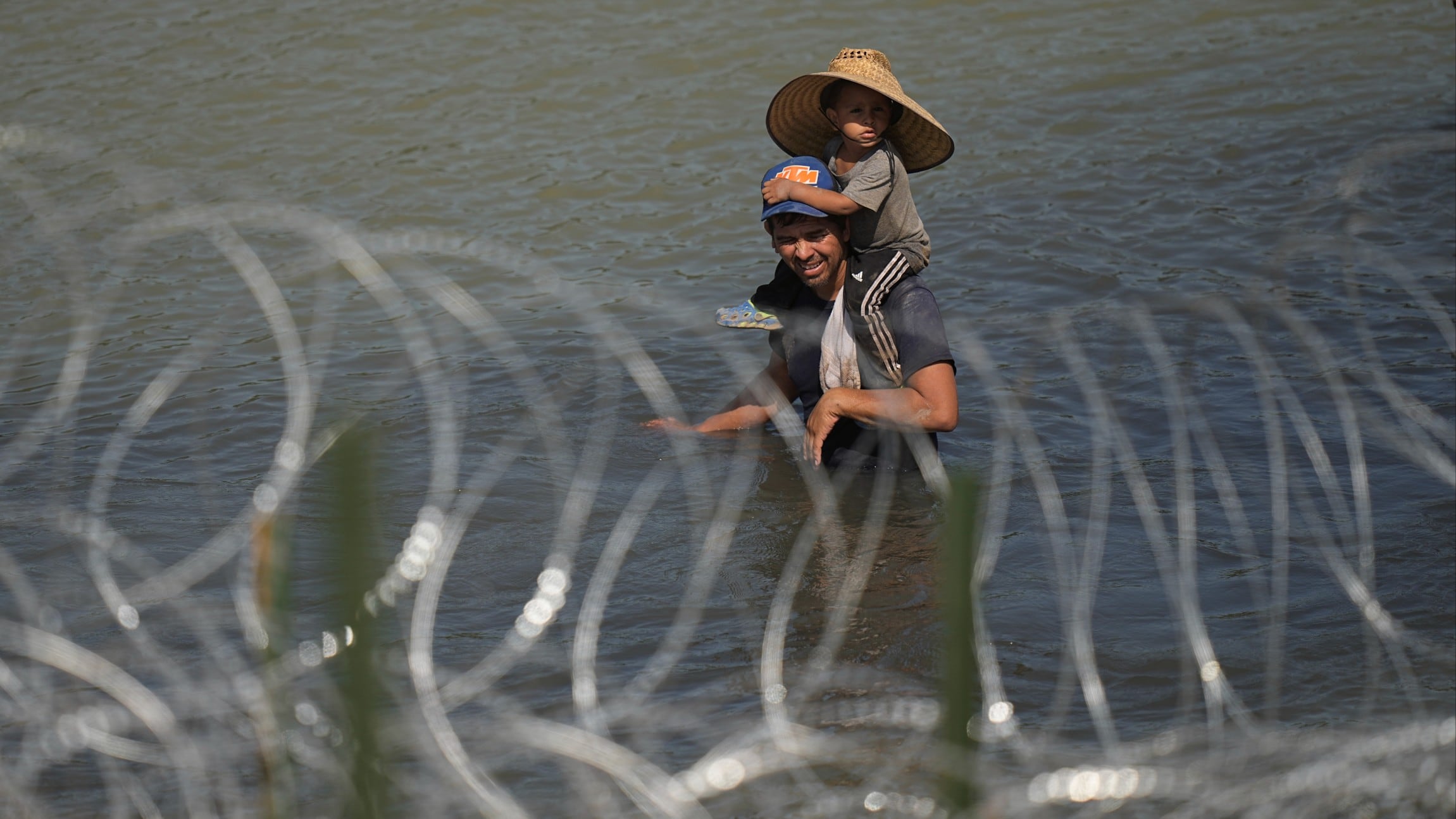
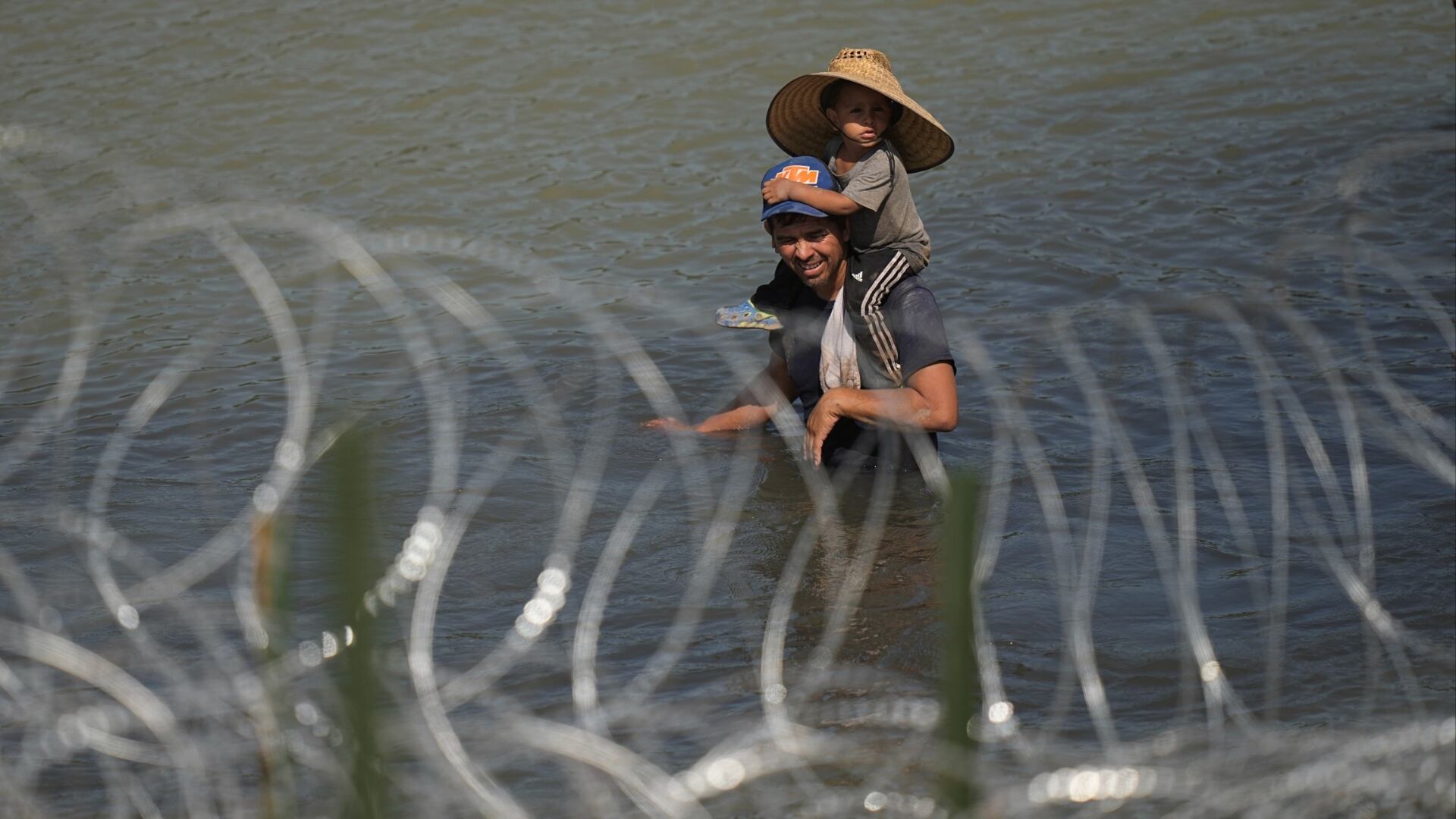
A state trooper's account of officers denying migrants water in 100-degree Fahrenheit (37.7 Celsius) temperatures and razor wire leaving asylum-seekers bloodied has prompted renewed criticism.