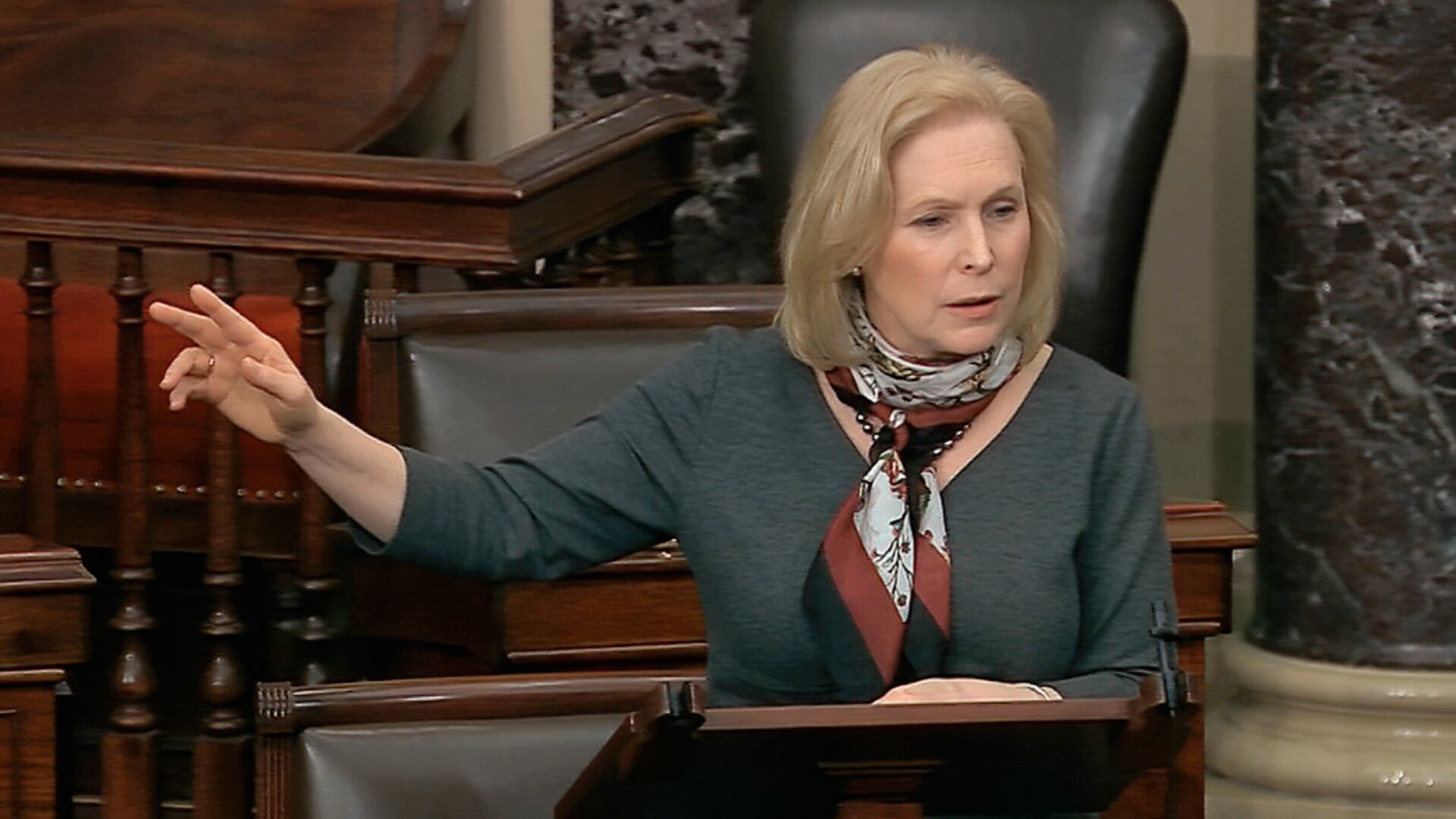
With a vote of 97-2, the Senate passed a bill Tuesday that will fund the 9/11 Victims Compensation Fund through 2090.
The fund was originally established in the months following the September 11 terrorist attacks to support the families of the victims killed, as well as survivors living with injuries.
The law, which required reauthorization, was expected to expire next year.
The fund has received more requests in recent years for serious illnesses related to the attacks and cleanup, according to CNN reporting.
The House approved the new legislation earlier in July, and President Donald Trump is expected to sign the bill.
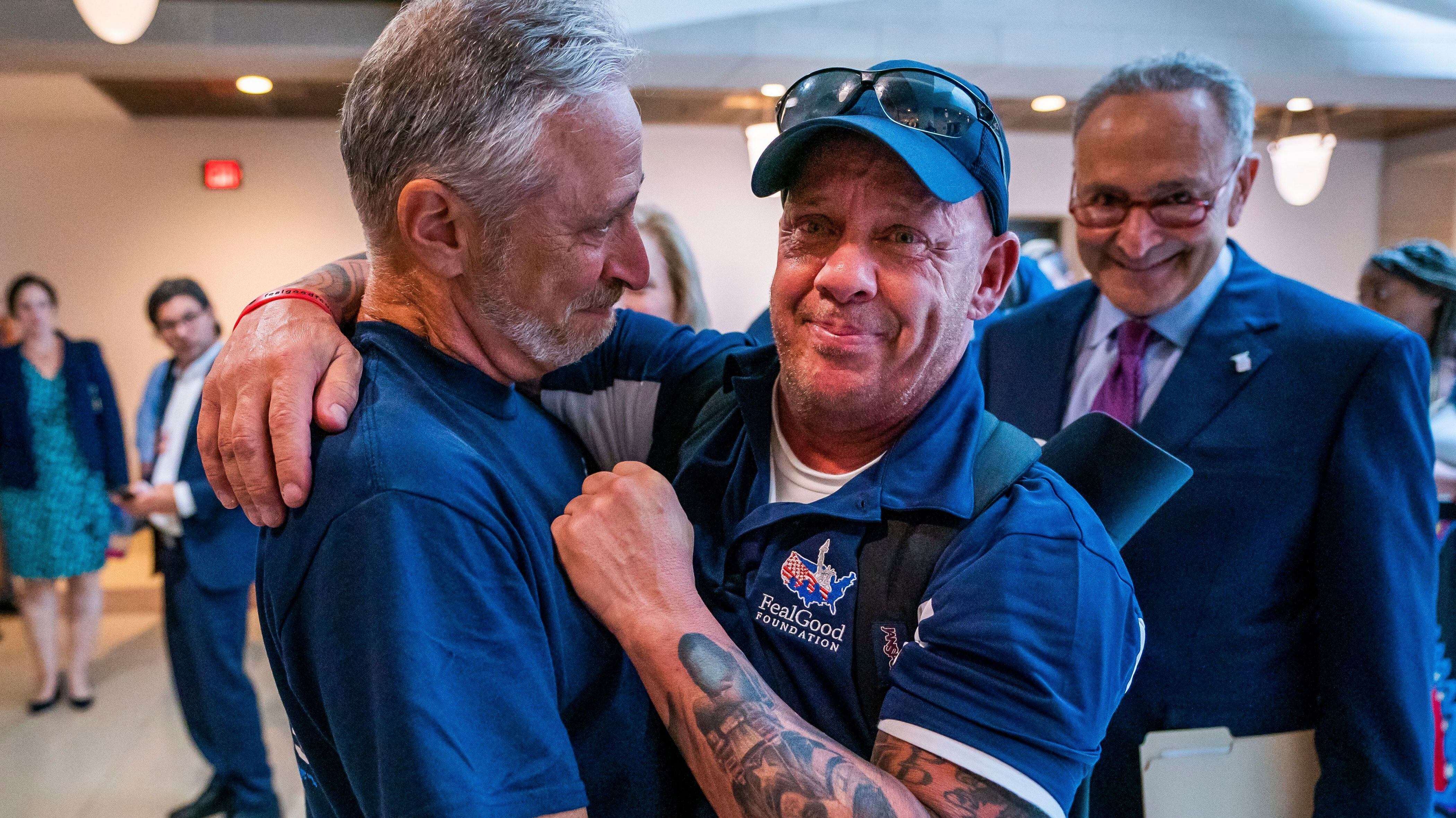
Comedian and former “Daily Show” host Jon Stewart, an ardent supporter of the first responders to the September 11 attacks, had heavily lobbied for the legislation, and testified on Capitol Hill alongside some of the first responders.
Sen. Rand Paul objected to the bill on the grounds that passing the legislation would require other expenditures to be cut, which delayed its passage in the Senate.
The fund is expected to cost $10.2 billion over the next decade, according to the Congressional Budget Office.
The bill’s full title is “Never Forget the Heroes: James Zadroga, Ray Pfeifer, and Luis Alvarez Permanent Authorization of the September 11th Victim Compensation Fund Act,” named after three first responders who died from 9/11-related illnesses.
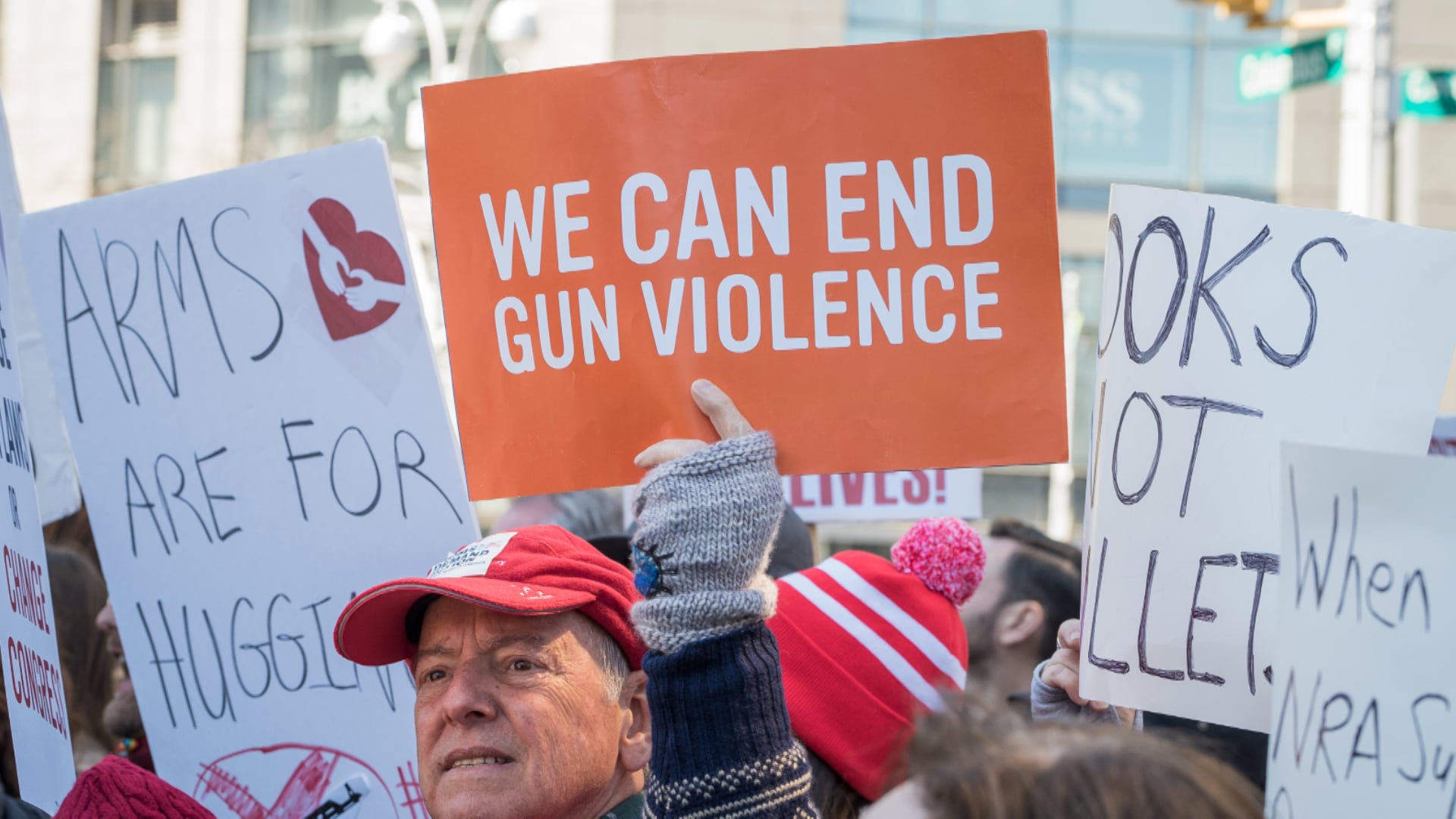
The House has passed some of the most aggressive gun-control measures in years, including raising the minimum age to buy semi-automatic rifles from 18 to 21 and banning high-capacity magazines. Daniel Webster, Co-Director of the Center for Gun Violence Solutions, explains why this legislation has little chance to pass in the Senate, and what else can be done to curb gun violence in this country.
We are already starting to feel the effects of summer. Heat waves in Texas and California are already sending temperatures soaring. That could spell trouble for the nation's power supply. there are new concerns about outages in many areas of the country. Cheddar's Shannon Lanier explains the two main causes of blackouts, and what states are doing to keep the lights on and the air conditioning running.
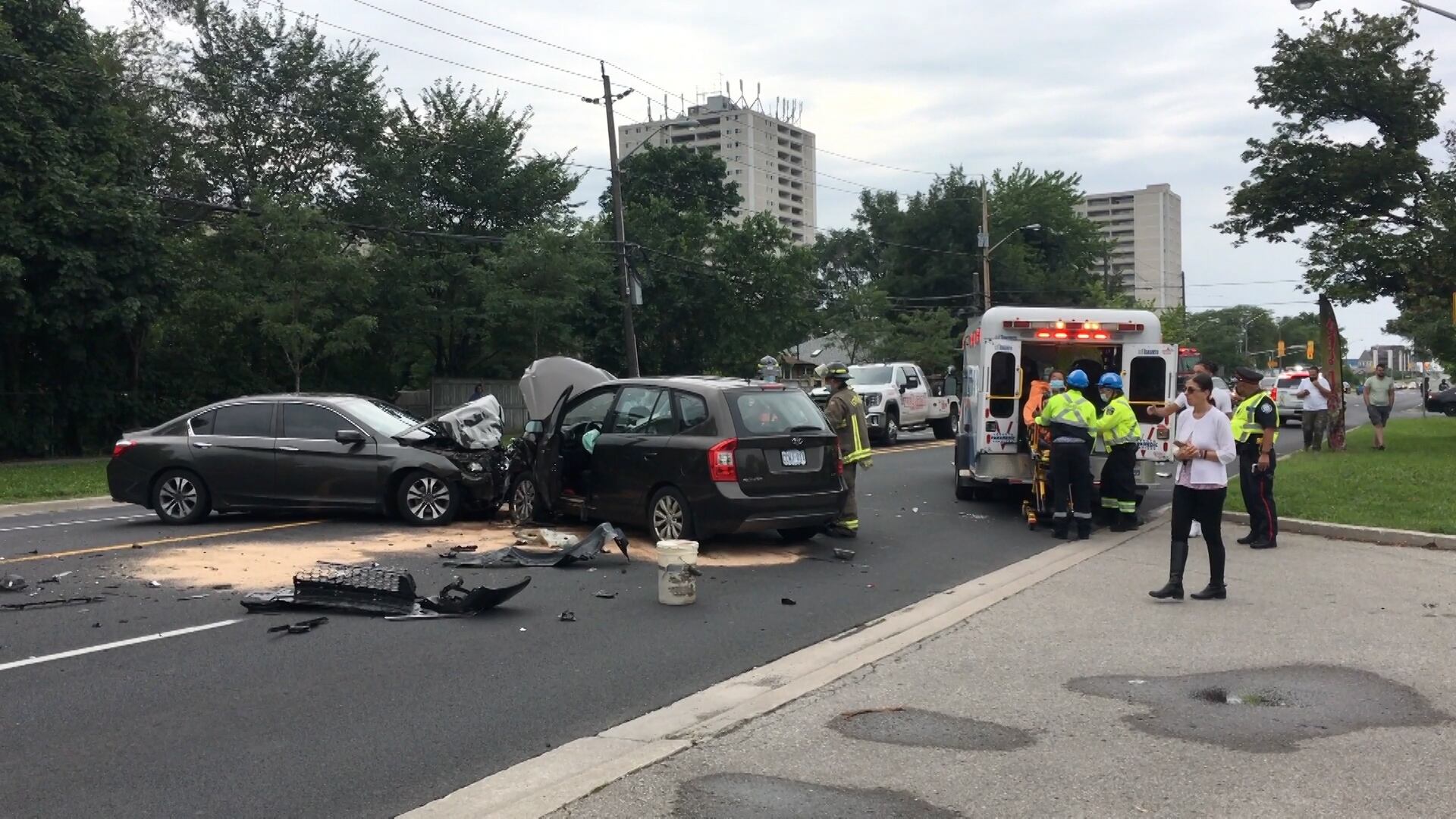
If you have been on the road this past year, you've probably seen more accidents on the road than you ever have. You're not wrong. Traffic fatalities are not only increasing they are hitting historic highs. Almost 43,000 people died in motor vehicle accidents in 2021. Cheddar's Shannon Lanier investigates - and finds out why.
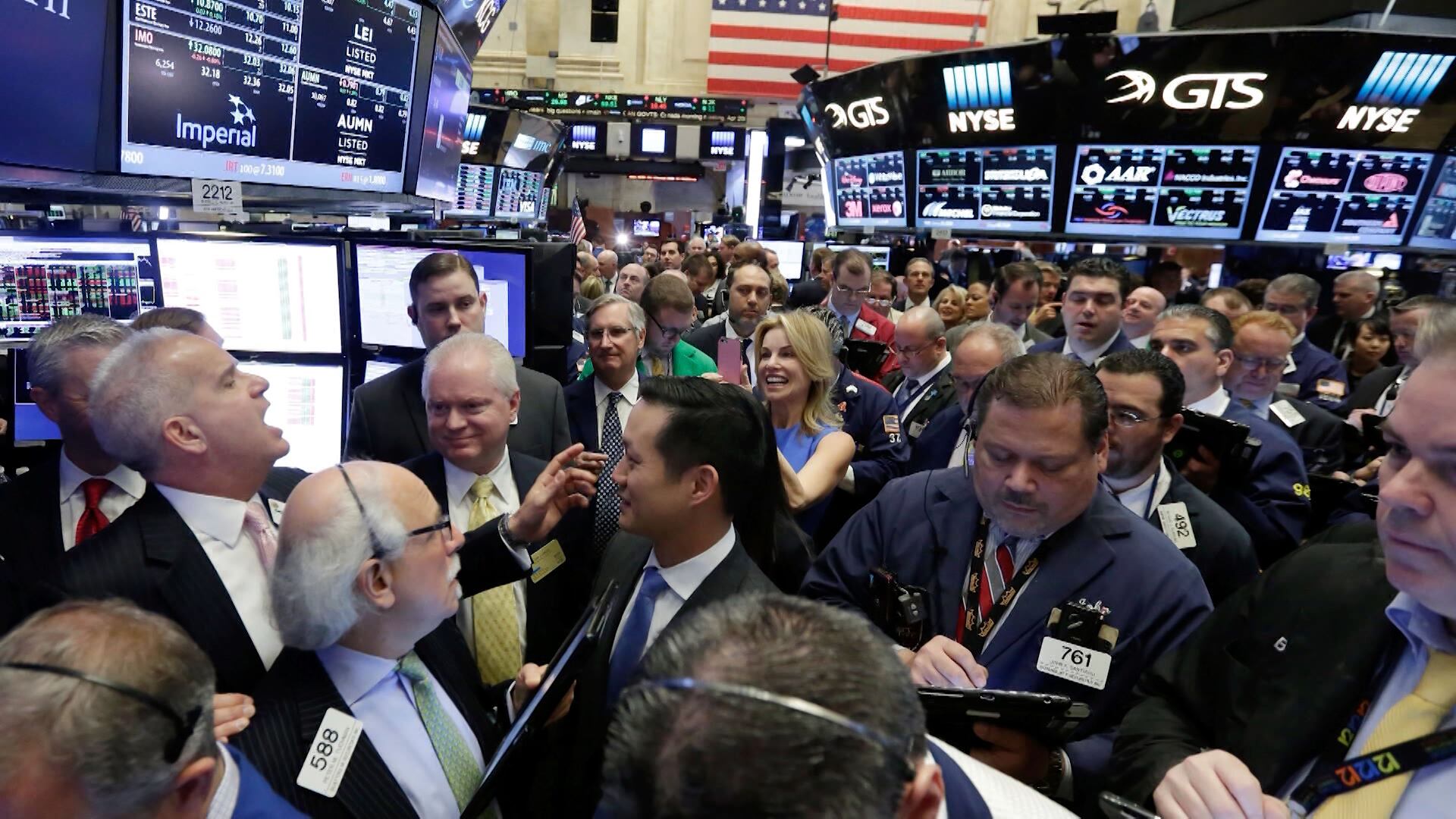
U.S. stocks close Tuesday at session highs after a subpar start to the trading day. Tim Chubb, Chief Investment Officer at the wealth advisory firm, Girard, joins Cheddar News' Closing Bell to discuss. 'We're starting to see the moderation of three core things -- we've seen the moderation of prices, we've seen the moderation of wage growth we've seen in the labor market, and we've also seen a moderation of job openings,' he says.
Catching you up on the stories you need to know this morning, mass shooting victims testify on Capitol Hill, the White House outlines its plan to vaccinate kids younger than five years old, and we break down how to protect yourself from monkeypox.
A lot has changed since the pandemic began back in march 2020. COVID-19 caused a huge disruption in the U.S. labor force that is just beginning to normalize. As of last month, about 96% of jobs lost in the pandemic have returned. Still, where people work now looks very different from two years ago. Cheddar's Shannon Lanier looks at where the jobs are now and where they aren't.
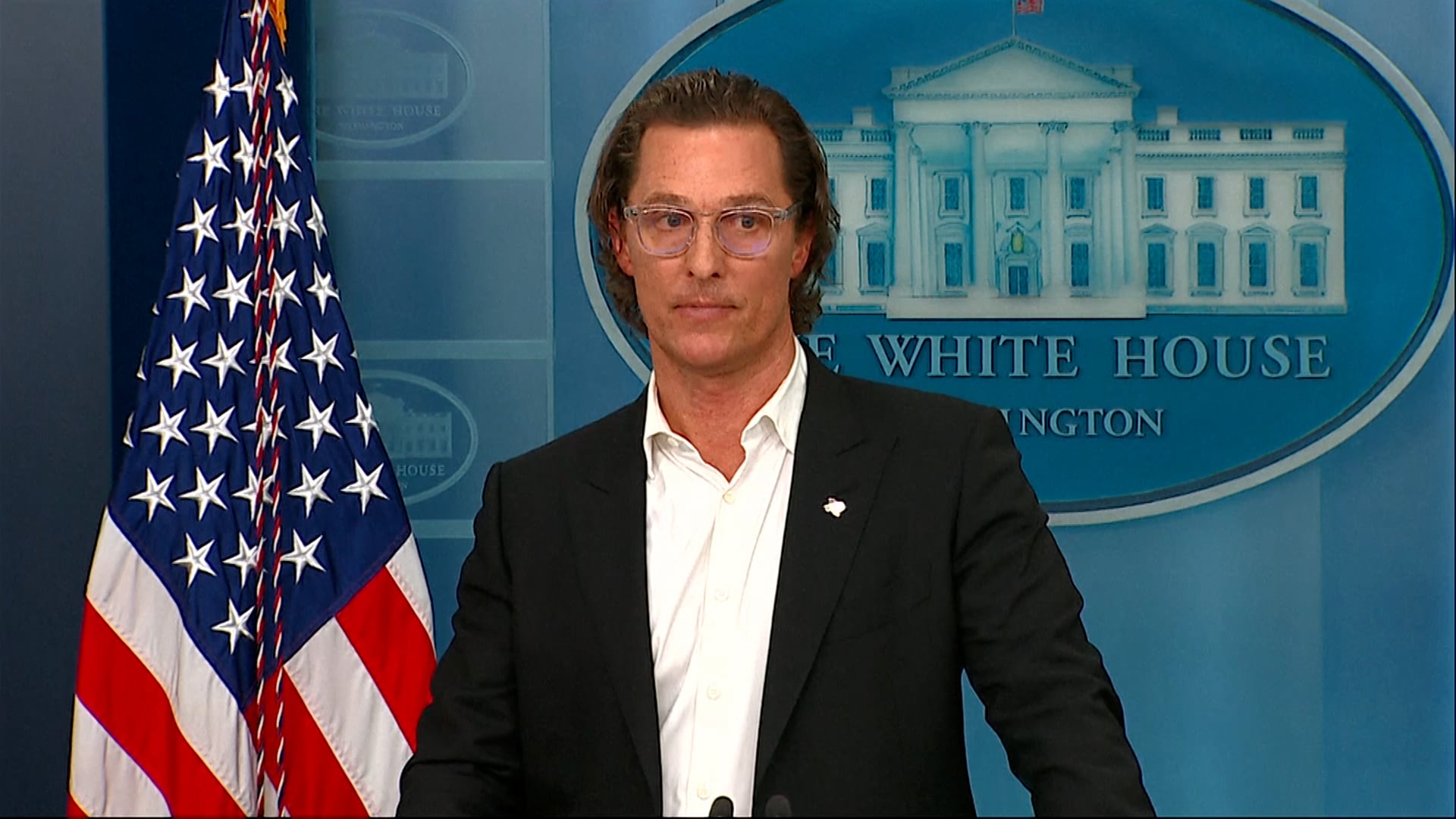
Getting you caught up on the stories you need to know this morning: Matthew McConaughey lends his voice to the gun control fight in congress, at least 30 people were injured in Germany after a car plows into a crowd, and a new weight loss drug shows promising results.
Michelle Bond, CEO of the Association for Digital Asset Markets, joins Closing Bell, where she breaks down the Responsible Financial Innovation Act, which would not only establish a regulatory structure for digital assets, but hand over crypto oversight to the CFTC instead of the SEC.
Sarah Warbelow, legal director for Human Rights Campaign, joins Cheddar News to discuss why advocates want to overturn the FDA's rule restricting gay and bisexual men from donating blood.