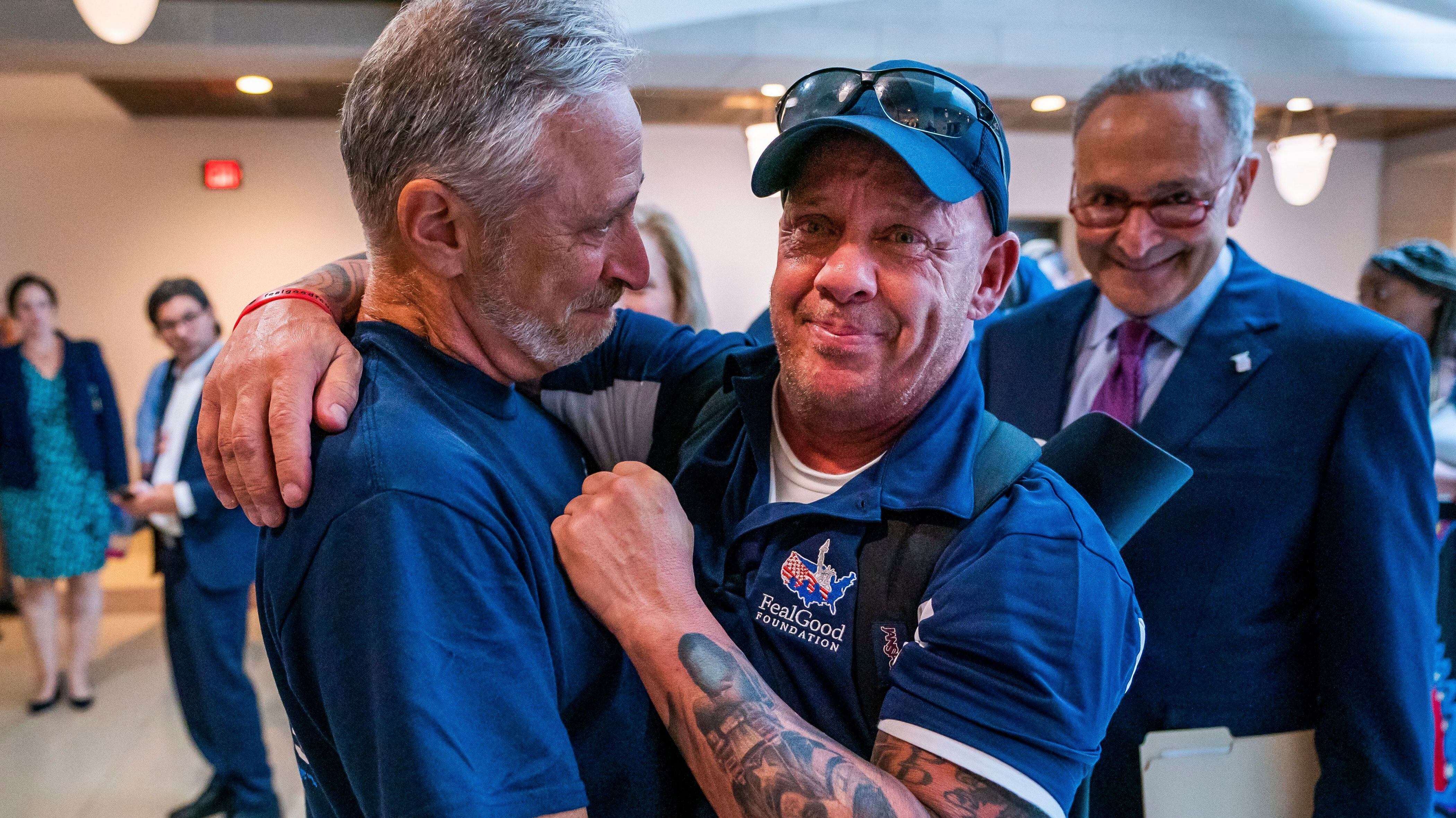
With a vote of 97-2, the Senate passed a bill Tuesday that will fund the 9/11 Victims Compensation Fund through 2090.
The fund was originally established in the months following the September 11 terrorist attacks to support the families of the victims killed, as well as survivors living with injuries.
The law, which required reauthorization, was expected to expire next year.
The fund has received more requests in recent years for serious illnesses related to the attacks and cleanup, according to CNN reporting.
The House approved the new legislation earlier in July, and President Donald Trump is expected to sign the bill.
Comedian and former “Daily Show” host Jon Stewart, an ardent supporter of the first responders to the September 11 attacks, had heavily lobbied for the legislation, and testified on Capitol Hill alongside some of the first responders.
Sen. Rand Paul objected to the bill on the grounds that passing the legislation would require other expenditures to be cut, which delayed its passage in the Senate.
The fund is expected to cost $10.2 billion over the next decade, according to the Congressional Budget Office.
The bill’s full title is “Never Forget the Heroes: James Zadroga, Ray Pfeifer, and Luis Alvarez Permanent Authorization of the September 11th Victim Compensation Fund Act,” named after three first responders who died from 9/11-related illnesses.
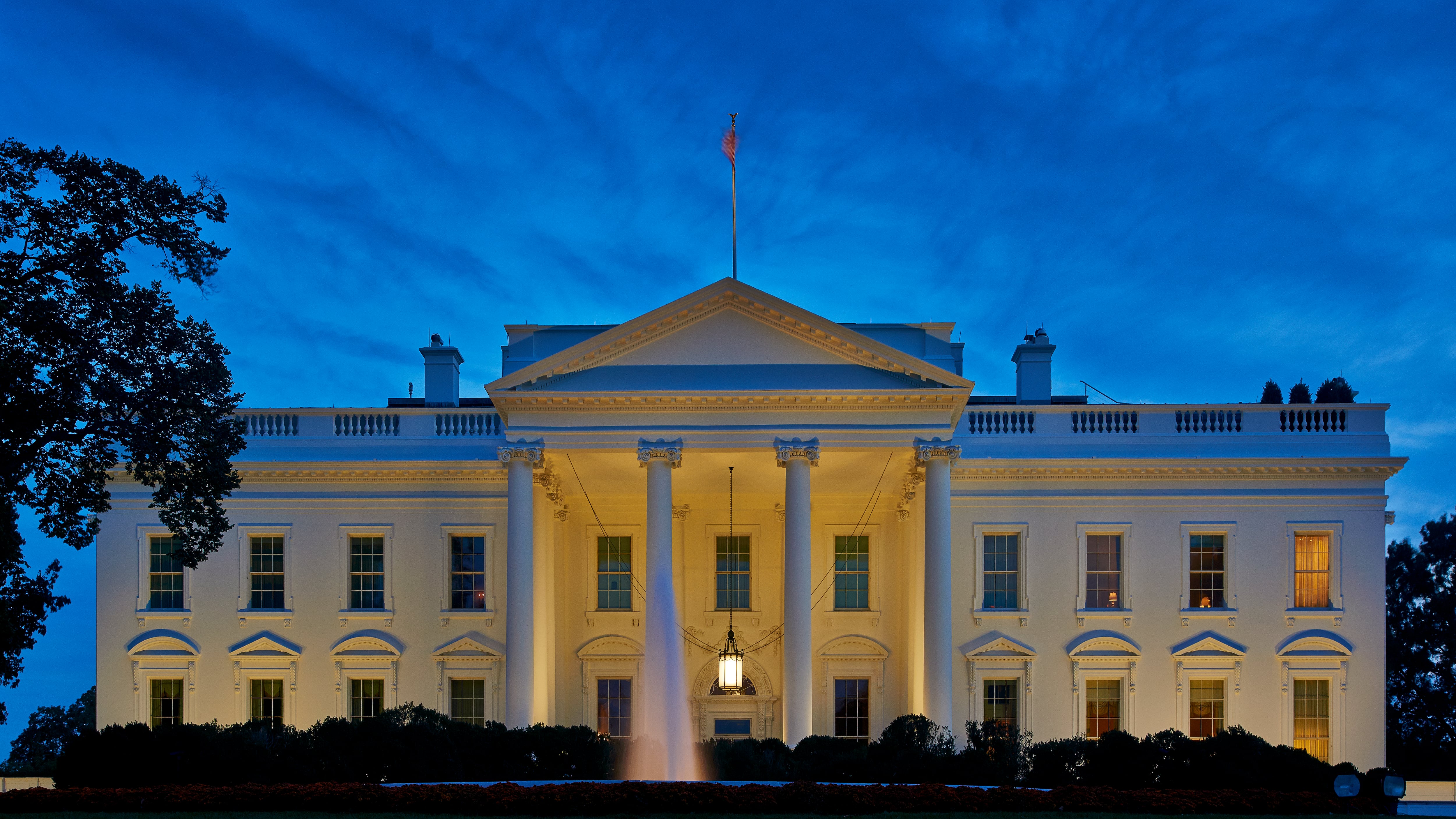
No fingerprints or DNA turned up on the baggie of cocaine found in a lobby at the White House last week despite a sophisticated FBI crime lab analysis, and surveillance footage of the area didn’t identify a suspect, according to a summary of the Secret Service investigation obtained by The Associated Press. There are no leads on who brought the drugs into the building.
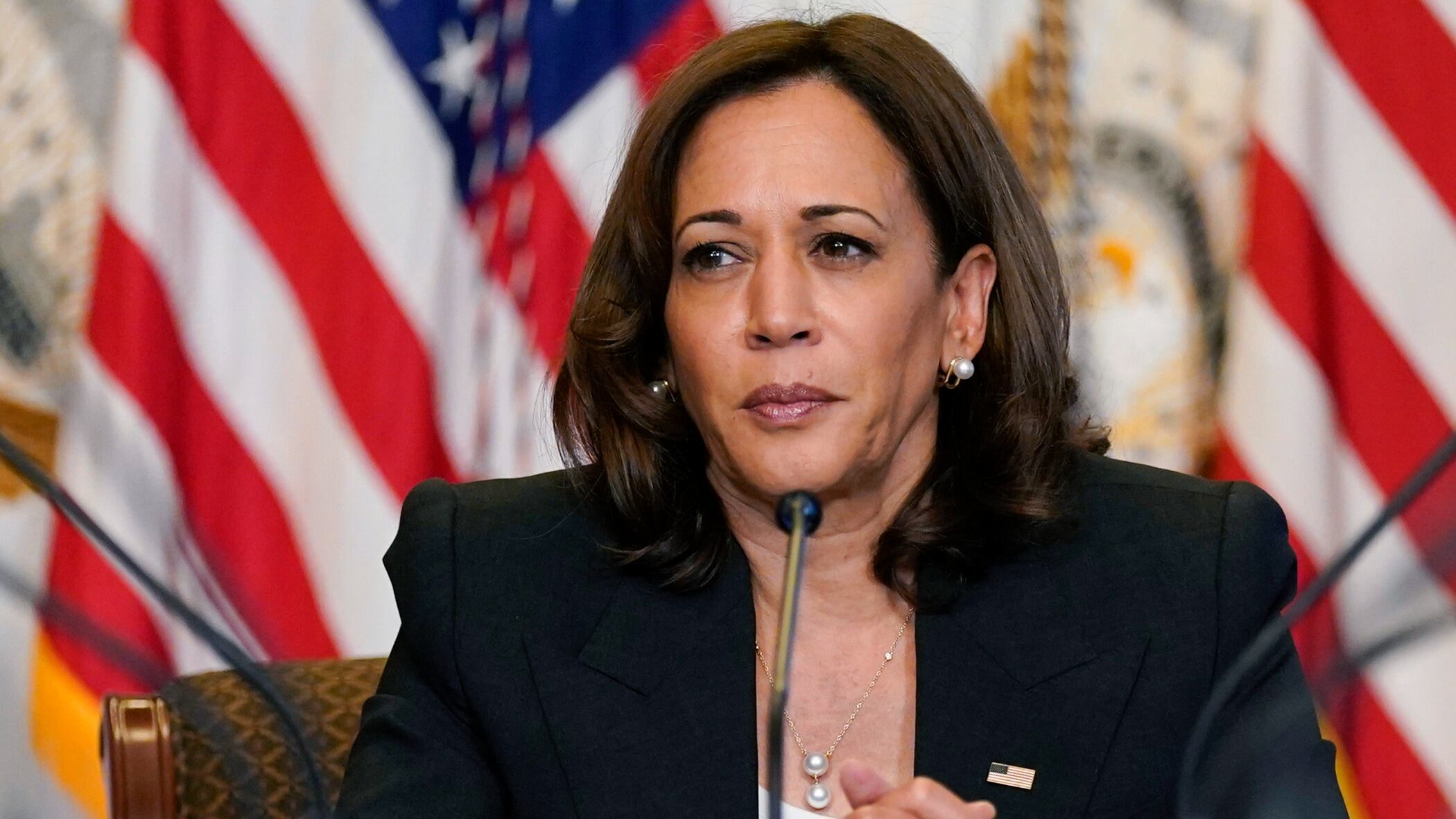
Kamala Harris, who made history as the first woman or person of color to serve as vice president, has made history again by matching the record for most tiebreaking votes in the Senate.
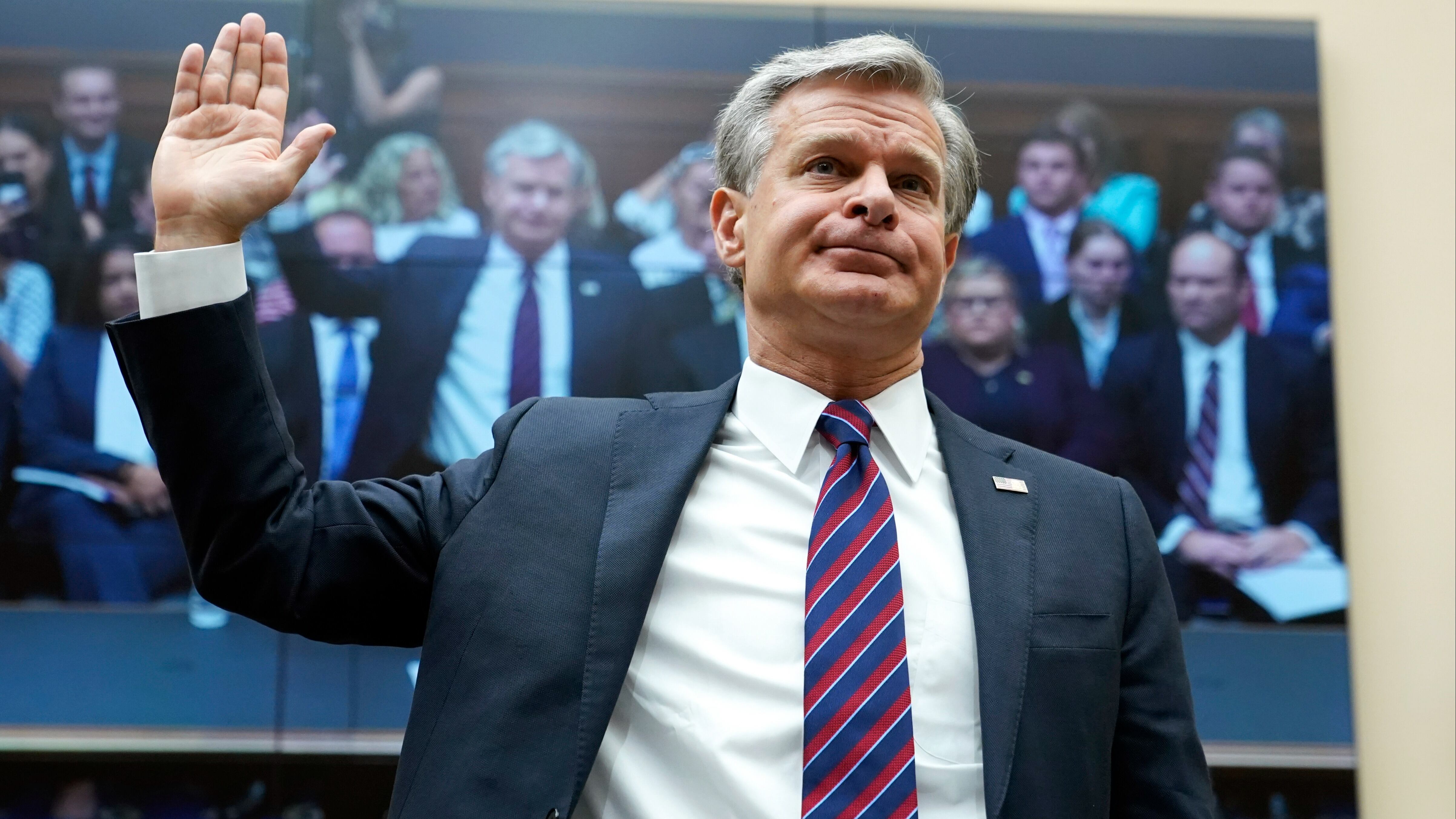
Republicans on the House Judiciary Committee accused the agency of targeting conservatives, suppressing evidence that Covid-19 came from a lab leak and abusing its surveillance powers.
The Biden administration calls it a “student loan safety net.” Opponents call it a backdoor attempt to make college free. And it could be the next battleground in the legal fight over student loan relief.
Nearly 30,000 people in Mississippi were dropped from the state's Medicaid program after an eligibility review that the government ended during the pandemic.
Members of a deeply conservative Amish community in Minnesota don't need to install septic systems to dispose of their “gray water,” the state Court of Appeals ruled Monday in a long-running religious freedom case that went all the way up to the U.S. Supreme Court.