Tommy Berges has seen firsthand how the coronavirus pandemic has caused delays in essential emergency services. The veteran paramedic and firefighter out of Washtenaw County, Michigan said the outbreak has extended emergency response times from the outset.
"COVID has really changed the entire fire and EMS services overall," Berges told Cheddar. "These time delays actually start when someone calls 9-1-1."
Emergency responders are screening callers to see if they have COVID-19, a necessary precaution that nonetheless adds crucial seconds to EMS response time.
"They're going to ask you questions. That takes additional time," Berges said. "If you do screen positive, it's very likely that information will get to us and that requires us to put on additional PPE, and that takes time. While it seems like seconds, in any emergency situation where time is of the essence, this all adds up."
Berges advises people to have a plan for emergency situations, given the delayed response time. For those who have dealt with opioid abuse in the past, in particular, he recommends keeping Naloxone, an anti-narcotic drug, on hand for emergencies.
He recounted one instance in which a man, who had been receiving medically-assisted doses of opioids, accidentally overdosed when he misunderstood the directions provided by his doctors. They had given him additional pills so that he could social distance.
"Have a plan. Stop and think about what you can do," he said.
Édgar Barrera — the producer and songwriter known for his work with such artists as Madonna, Karol G, Peso Pluma, Shakira, Grupo Frontera and beyond — leads the 2023 Latin Grammy nominations with 13.
Insomnia has been an issue for many people for years. Dr. Rebecca Robbins, sleep scientist and co-author of 'Sleep for Success,' joined Cheddar News to provide tips on what to do before going to bed and how to successfully implement those steps for a good night's sleep.
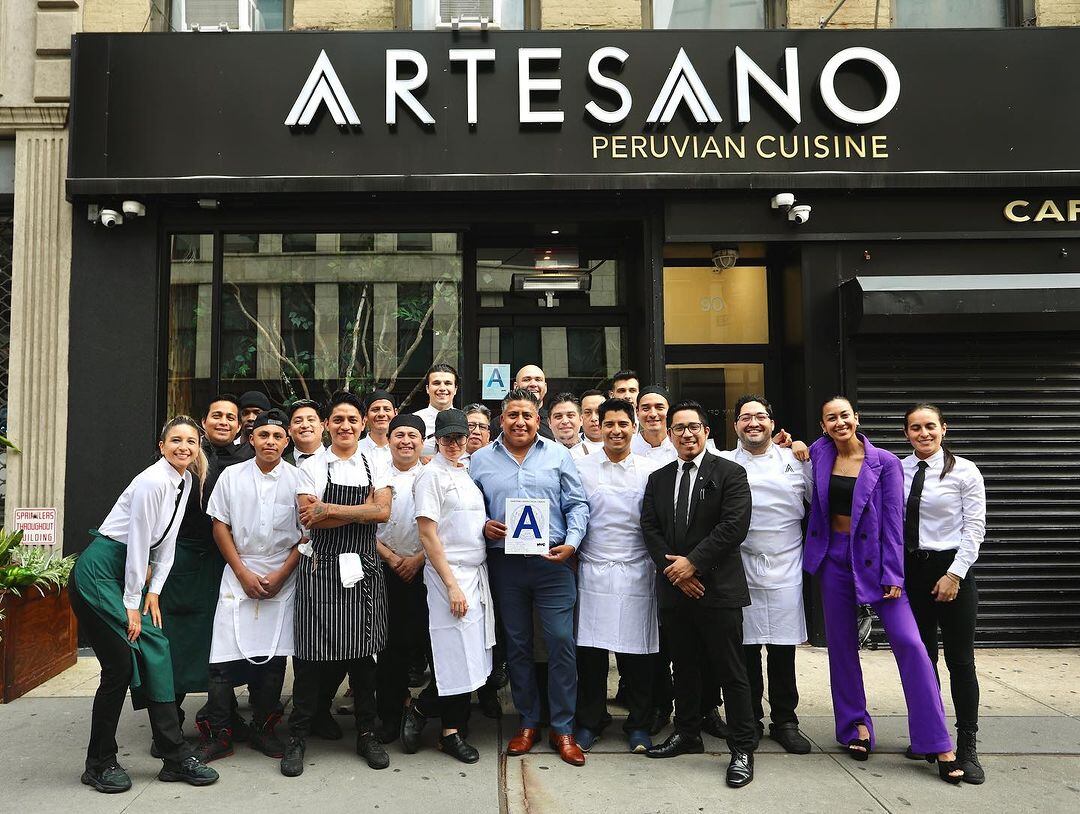
Peruvian cuisine has been on the rise globally with some of Lima's restaurants named as some of the top eateries in the world. Cheddar News was on the scene at Artesano in downtown Manhattan where Chef Cesar Taboada displayed some of Peru's finest and most famous dishes, including ceviche, causa and lomo saltado. Taboada also explained the Asian influence on Peruvian cuisine that has helped the Andean country expand its offerings to hundreds of typical dishes on its menu.
British police said Monday that they had received a sexual assault allegation after media outlets published claims by several women against Russell Brand. Promoters postponed the remaining dates in a string of live gigs by the comedian, who denies the allegations.
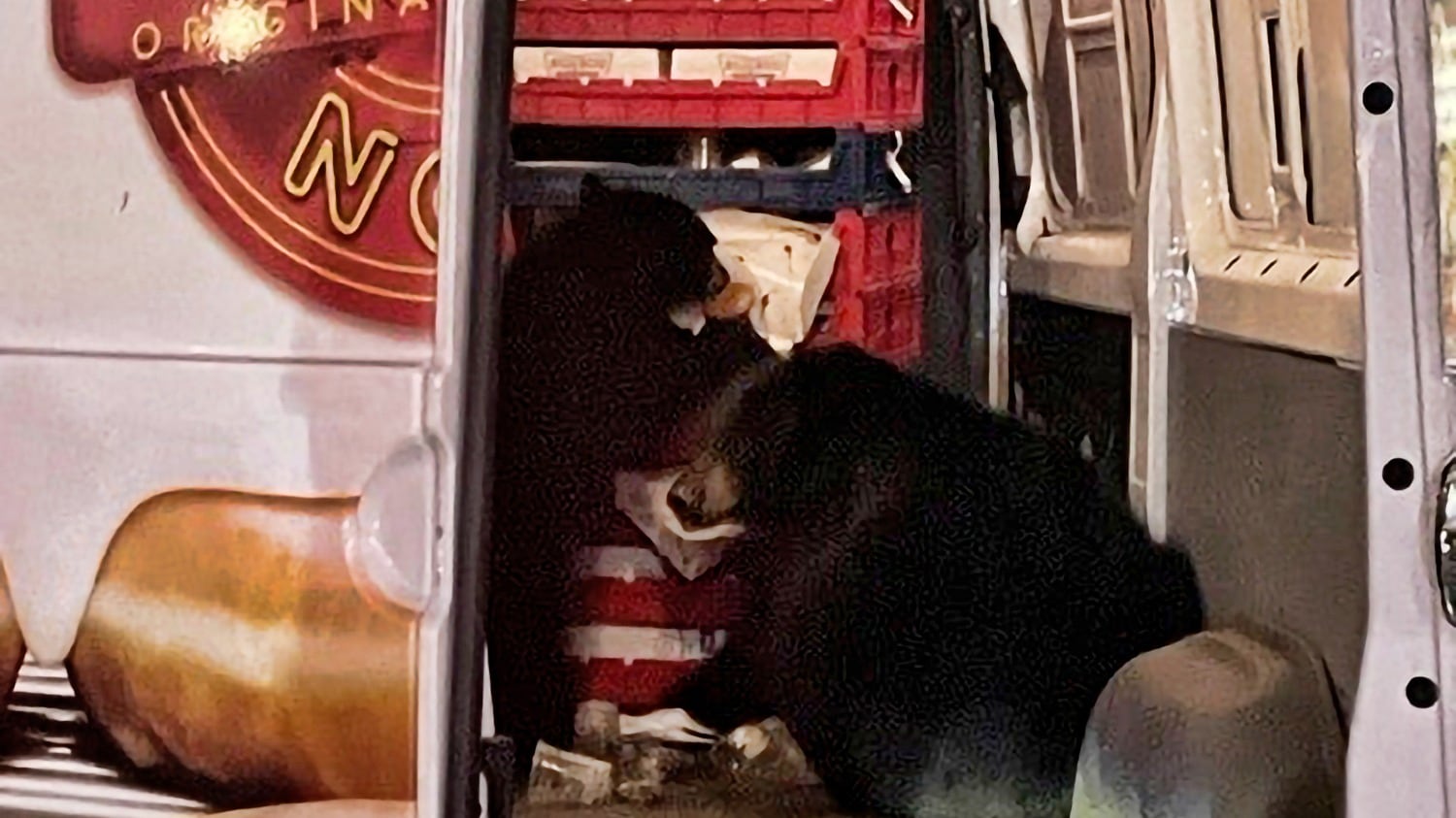
It wasn't an escapee from the Country Bear Jamboree attraction, but a wild black bear managed to be the star of its own show Monday at Walt Disney World.