Tommy Berges has seen firsthand how the coronavirus pandemic has caused delays in essential emergency services. The veteran paramedic and firefighter out of Washtenaw County, Michigan said the outbreak has extended emergency response times from the outset.
"COVID has really changed the entire fire and EMS services overall," Berges told Cheddar. "These time delays actually start when someone calls 9-1-1."
Emergency responders are screening callers to see if they have COVID-19, a necessary precaution that nonetheless adds crucial seconds to EMS response time.
"They're going to ask you questions. That takes additional time," Berges said. "If you do screen positive, it's very likely that information will get to us and that requires us to put on additional PPE, and that takes time. While it seems like seconds, in any emergency situation where time is of the essence, this all adds up."
Berges advises people to have a plan for emergency situations, given the delayed response time. For those who have dealt with opioid abuse in the past, in particular, he recommends keeping Naloxone, an anti-narcotic drug, on hand for emergencies.
He recounted one instance in which a man, who had been receiving medically-assisted doses of opioids, accidentally overdosed when he misunderstood the directions provided by his doctors. They had given him additional pills so that he could social distance.
"Have a plan. Stop and think about what you can do," he said.
On this episode of Cheddar Innovates: Vision Marine Technologies CEO discusses how e-boats will play a role in the fight against the climate crisis; Lasso CEO breaks down how the design behind these compression socks can prevent injuries and improve performance; Cheddar gets a look at Curiosity Stream's 'The Tombs Of Egypt.'
Catriona Campbell, CTIO, UK and Ireland, EY, joins Cheddar News to discuss how business leaders can bridge the gap between their technology investments and their aspirations, and breaks down the human aspects of A.I.
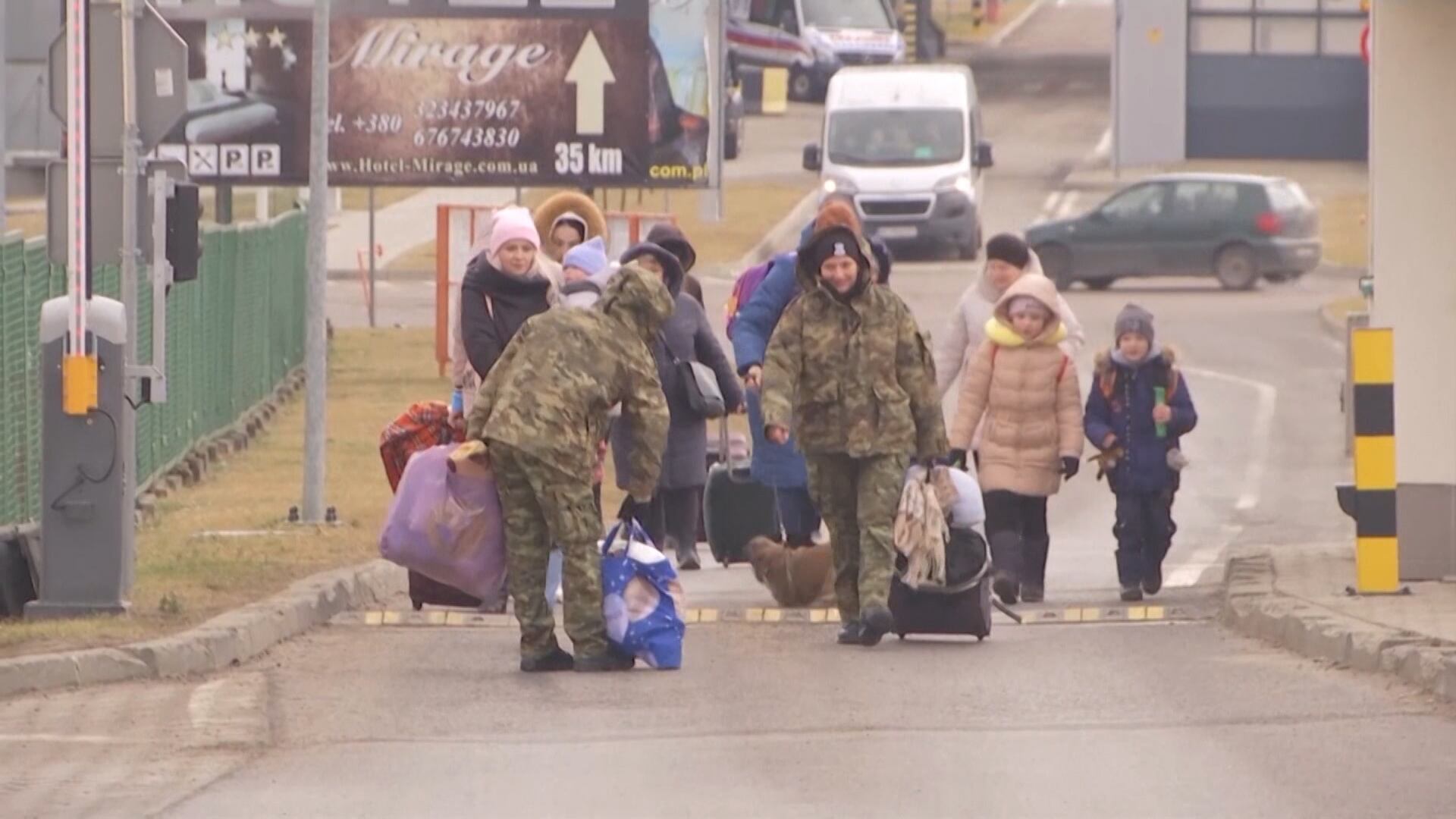
Tens of thousands of people have fled Ukraine in attempts to escape the Russian Invasion. According to the U.N. neighboring countries like Poland, Hungary, and even Romania have seen half a million refugees. While the hospitality is being welcomed by many, it also highlights the mistreatment of migrants and refugees from the Middle East and Africa. Professor of Philosophy and Director of Politics at Northeastern University Serena Parekh, joined Cheddar, to discuss more.
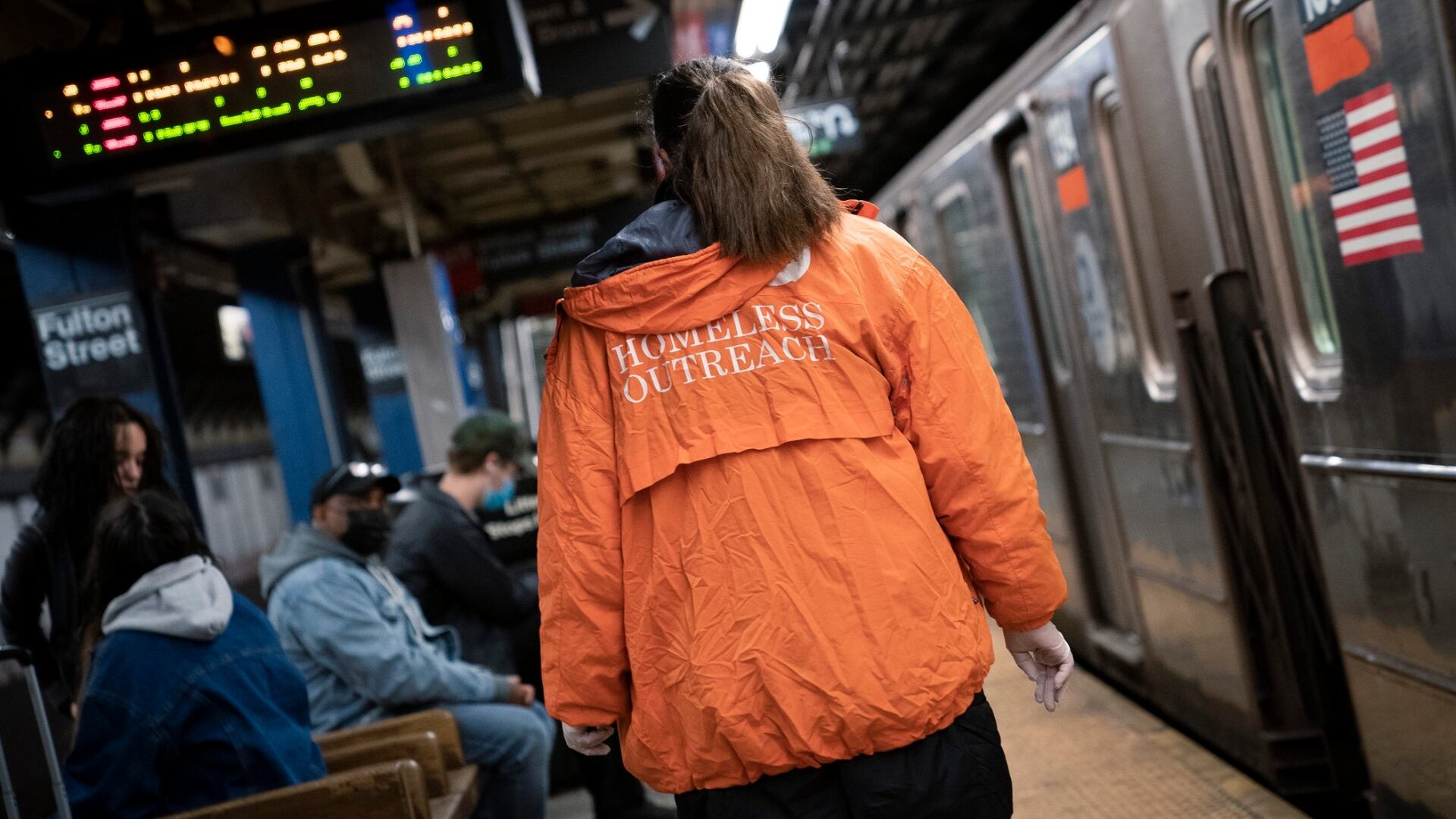
New York's MTA unveiled a new plan to boost the safety for the Big Apple's public transit system to go into effect on the heels of a violent weekend on the subways. The six separate attacks follow a rise of 60 percent in violent subway crimes year to date. The plan will attempt to address the surge in violence, as well as separately offer services to the homeless found within the system, according to the transportation authority. Cheddar's Chloe Aiello explains.
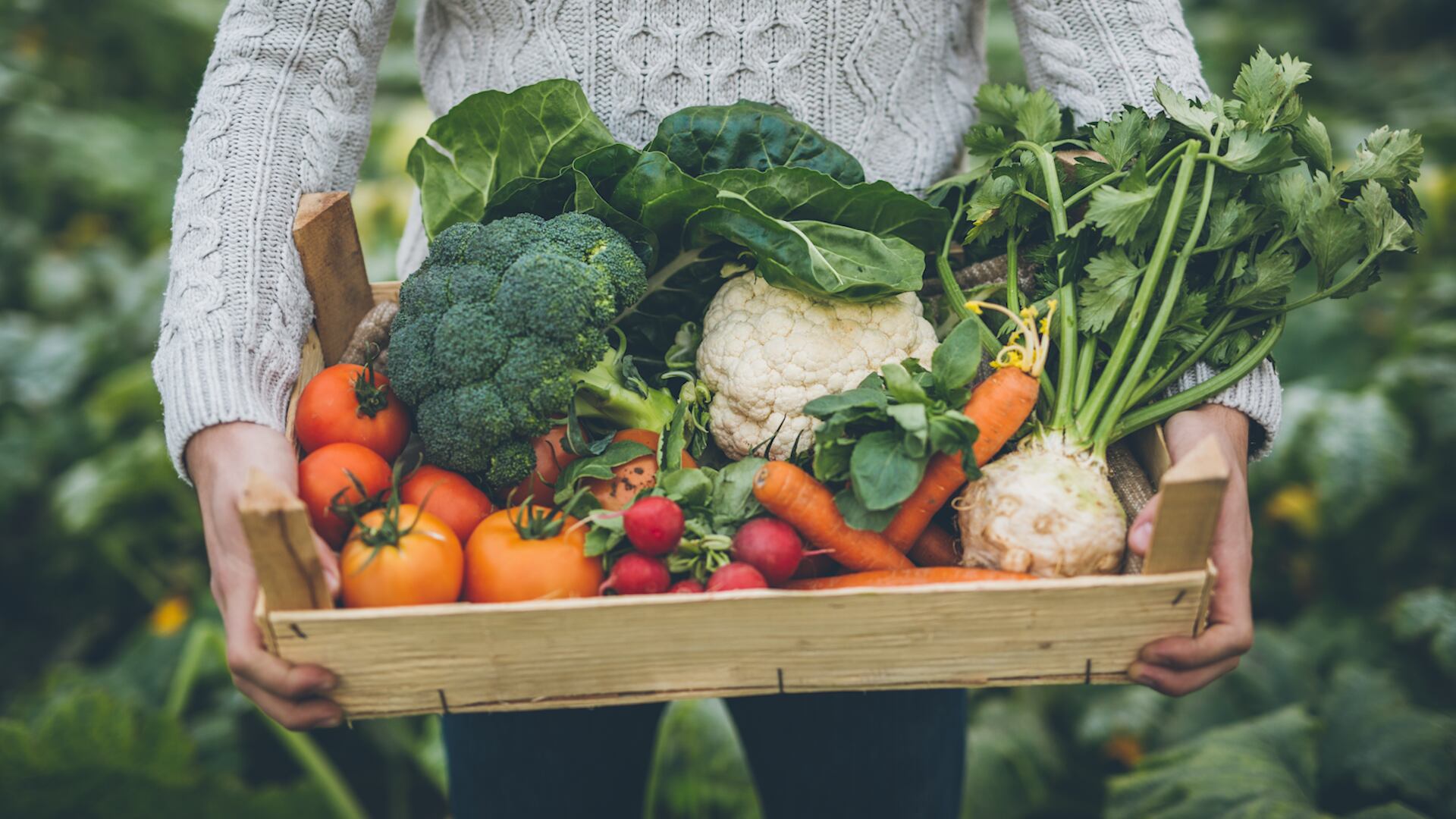
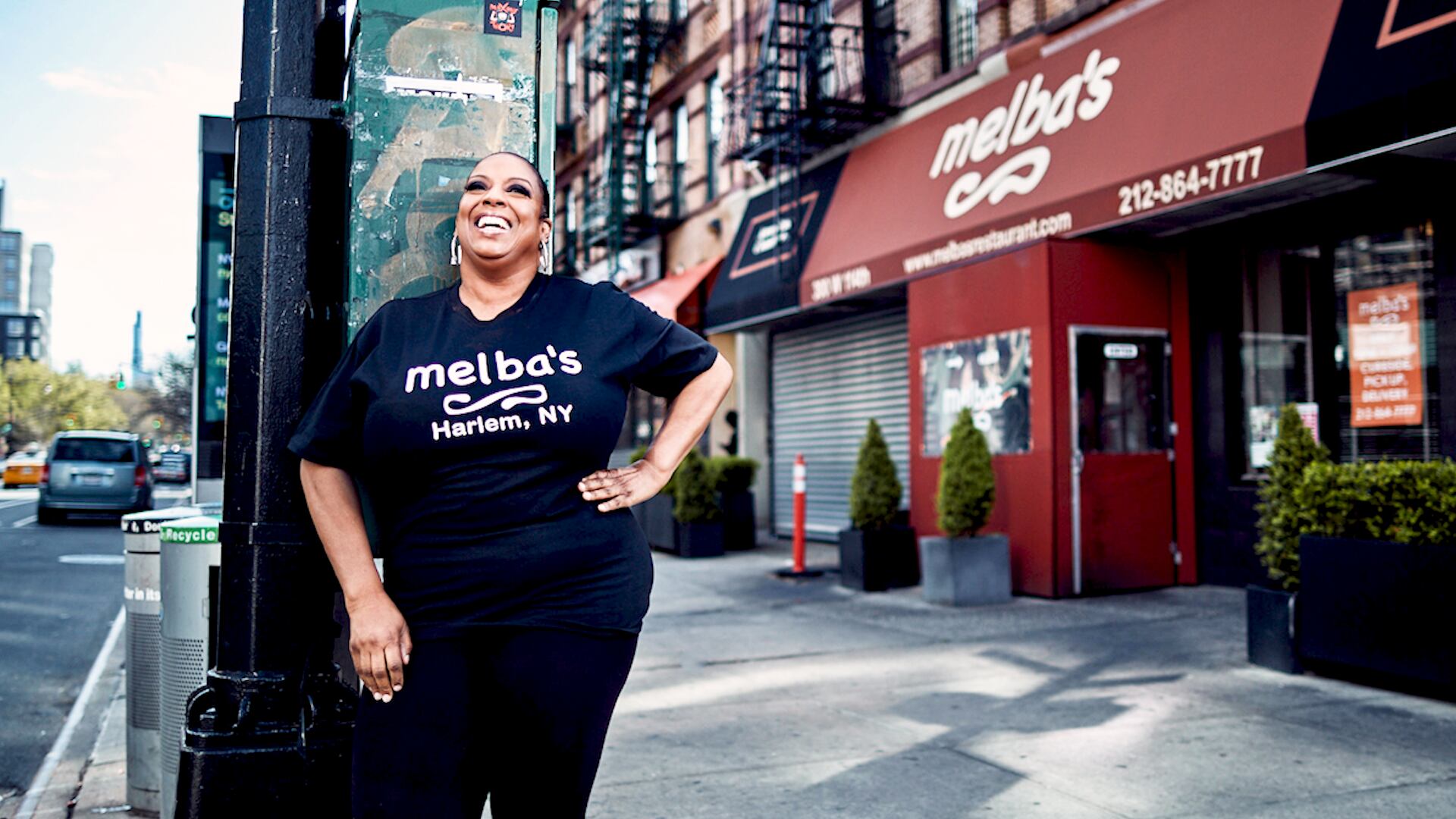
On this episode of Cheddar Reveals, Kim Severson, National Food Correspondent, The New York Times, dives into some of the top trends in the food industry for the upcoming year; Renowned Harlem chef & restaurateur Melba Wilson discusses her inspirations and rise in the food industry, and giving back to her community through food; Cheddar gets a look at Curiosity Stream's 'The History of Food.'
Kim Severson, National Food Correspondent, The New York Times, joins Cheddar Reveals to dive into some of the top trends in the food industry for the upcoming year.
Renowned Harlem chef & restaurateur Melba Wilson joins Cheddar to discuss her inspirations and rise in the food industry, and giving back to her community through food.
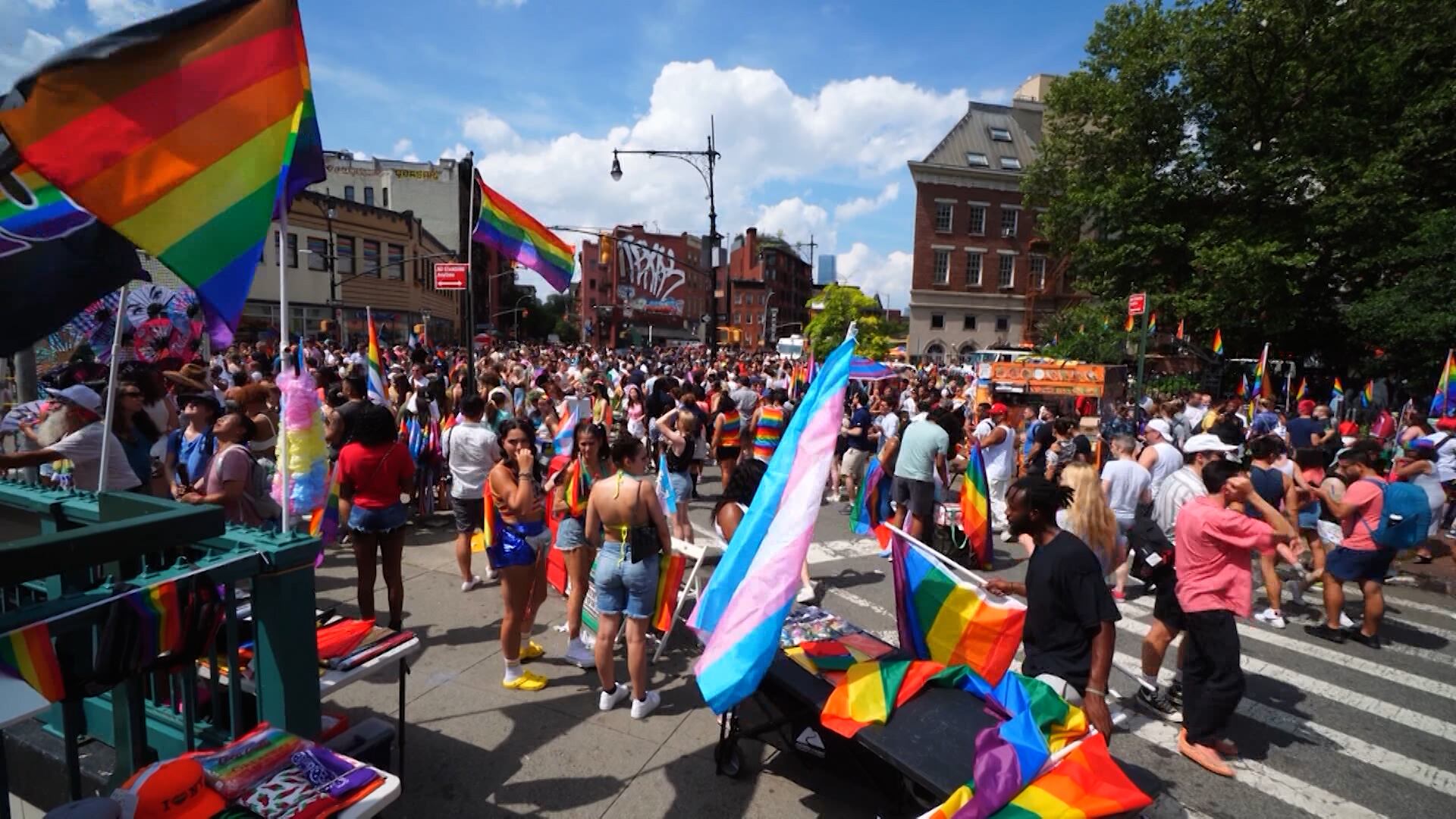
A Gallup poll finds that now 7.1% of American adults identify as LGBTQ, jumping from 3.5% in 2012. The increase is driven by Generation-Z – those born between 1997 and 2003 – of whom one out of five identify as LGBTQ. Cheddar News speaks with Washington Blade reporter Chris Johnson about the significant shift.