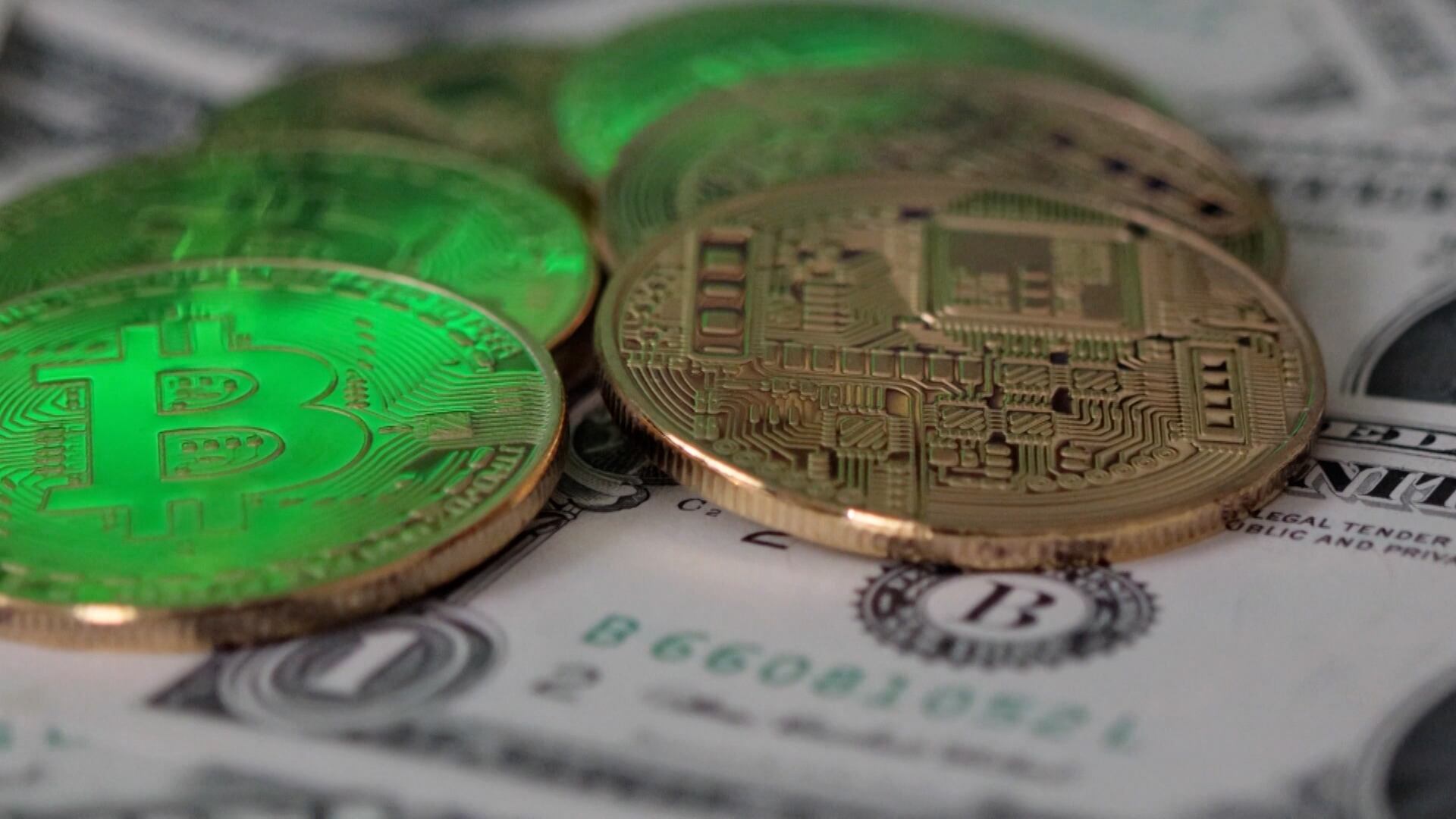
*By Amanda Weston* Faced with a financial crisis, Venezuela has turned to cryptocurrency to fight rising inflation. But Eduardo Gómez, head of support at [Purse](https://purse.io/shop), said it may not be the best solution. "The Venezuelan government is really now in a desperate situation," Gómez said Tuesday in an interview on Cheddar. "They're trying to get cash. They're trying to get money from international markets, and due to the U.S. sanctions, they're not able to do so." Venezuelan President Nicolás Maduro outlined policies for the new digital currency, the petro, last Friday. One unit would equal the price of one barrel of oil, about $60 dollars, effectively devaluing the nation's existing currency, the bolivar, [by 96 percent](https://www.reuters.com/article/us-venezuela-currency/maduro-orders-96-percent-devaluation-in-hyperinflation-stricken-venezuela-idUSKBN1L22EZ). Gómez said the government is trying to minimize the impact of economic sanctions from the U.S. It's an understandable priority ー The International Monetary Fund [estimates](https://blogs.imf.org/2018/07/23/outlook-for-the-americas-a-tougher-recovery/) inflation in Venezuela will reach 1 million percent this year. But Gómez said success for the latest petro strategy is highly unlikely. "So far it has been a total failure," he said. "There's no real token out there. There's no real system in place. The technology has not been created yet. As, of now, it looks very bad for the government." Venezuela's own parliament [believes](https://www.cnbc.com/2018/08/20/venezuela-is-pegging-its-economic-recovery-to-a-cryptocurrency--thats-widely-considered-a-scam.html) petro is being used illegally, and ICOindex has [labeled the currency a scam](https://icoindex.com/profile/petro-ptr). Among the other moves announced by Maduro: raising the corporate tax rate, increasing previously-subsidized gas prices, and hiking the minimum wage by 3,000 percent. Gómez pointed out that the current minimum wage, on which 70 percent of Venezuelans live, is about $1 per month. Such a low salary is the biggest hurdle for cryptocurrency adoption, Gómez said, since so many residents have barely any savings. "Pretty much, petro is dead on arrival, as of now," Gómez said. For full interview, [click here] (https://cheddar.com/videos/venezuela-looks-to-cryptocurrency-amid-financial-crisis).


Share:
More In Technology
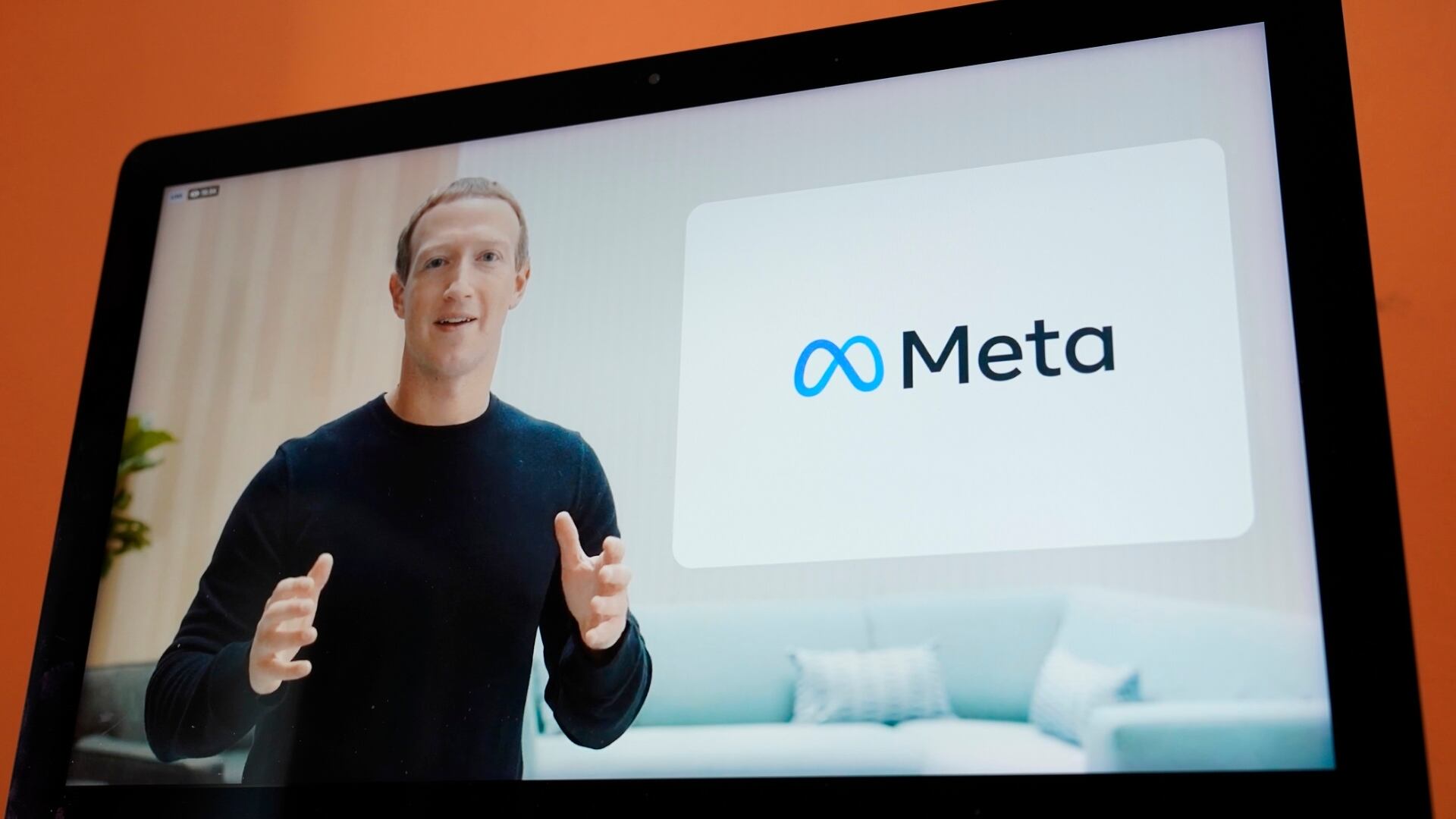
Facebook Parent Meta Told to Sell Off Giphy by UK Regulator
The UK's Competition and Markets Authority blocked Facebook parent company Meta's acquisition of the image sharing platform Giphy, stating that the deal would harm UK advertisers and social media users. Meta responded and said that it is considering an appeal.
Omicron Risk, Barbados Drops Queen & Jack Logs Off
Jill and Carlo cover the latest developments with the Omicron variant that are spooking markets once again. Twitter's @Jack is leaving, SCOTUS takes up abortion rights and the world has a brand new republic.
ShoulderUp Technology Acquisition Tackles Cybercrime
Phyllis Newhouse, the first black woman to bring a company public via SPAC on the NYSE earlier this year, has launched her second SPAC, ShoulderUp Technology Acquisition. Phyllis is a serial entrepreneur, retired military officer, and founder of the ShoulderUp movement, which educates and encourages women around the world to reach their greatest economic, political and cultural potential. Shawn Henry is part of the ShoulderUp team, bringing his expertise on cybersecurity to the new company. Both Phyllis and Shawn joined Cheddar to discuss this new venture and how it plans to tackle the issue of cybercrime.
Crypto, NFTs Making Statement in Art Market
Don Basile, CEO, Monsoon Blockchain & Founder of Bitcoin Latinum, joins Cheddar News' Closing Bell, where he explains why we're seeing major crypto investors look to purchase expensive pieces of art, and discusses what the NFT space could look like in the not-too-distant future.
Cosmetics Company Lush on Why It Left Major Social Media Platforms Again
Jack Constantine, chief digital officer and product inventor at Lush, joined Cheddar to talk about the cosmetic company's mass exodus from major social media platforms TikTok, Facebook, Instagram, and Snapchat, in the wake of recent reports that Instagram specifically had negative impacts on teen girls. He noted that with teenage girls being a large part of its consumer base and audience, Lush had a responsibility to market its company on outlets that prioritize mental wellbeing. "For us, we've always been a social brand, and it started to feel that social media was no longer offering what we felt we wanted to gain from it," he said. "And then obviously when you add that to the damage that it's causing, it just feels like a combination that we can't continue on with." The company also pulled out of social media platforms in 2019.
Load More