Venezuela's New Cryptocurrency Is 'Dead on Arrival'
*By Amanda Weston*
Faced with a financial crisis, Venezuela has turned to cryptocurrency to fight rising inflation. But Eduardo Gómez, head of support at [Purse](https://purse.io/shop), said it may not be the best solution.
"The Venezuelan government is really now in a desperate situation," Gómez said Tuesday in an interview on Cheddar. "They're trying to get cash. They're trying to get money from international markets, and due to the U.S. sanctions, they're not able to do so."
Venezuelan President Nicolás Maduro outlined policies for the new digital currency, the petro, last Friday. One unit would equal the price of one barrel of oil, about $60 dollars, effectively devaluing the nation's existing currency, the bolivar, [by 96 percent](https://www.reuters.com/article/us-venezuela-currency/maduro-orders-96-percent-devaluation-in-hyperinflation-stricken-venezuela-idUSKBN1L22EZ).
Gómez said the government is trying to minimize the impact of economic sanctions from the U.S. It's an understandable priority ー The International Monetary Fund [estimates](https://blogs.imf.org/2018/07/23/outlook-for-the-americas-a-tougher-recovery/) inflation in Venezuela will reach 1 million percent this year. But Gómez said success for the latest petro strategy is highly unlikely.
"So far it has been a total failure," he said. "There's no real token out there. There's no real system in place. The technology has not been created yet. As, of now, it looks very bad for the government."
Venezuela's own parliament [believes](https://www.cnbc.com/2018/08/20/venezuela-is-pegging-its-economic-recovery-to-a-cryptocurrency--thats-widely-considered-a-scam.html) petro is being used illegally, and ICOindex has [labeled the currency a scam](https://icoindex.com/profile/petro-ptr).
Among the other moves announced by Maduro: raising the corporate tax rate, increasing previously-subsidized gas prices, and hiking the minimum wage by 3,000 percent.
Gómez pointed out that the current minimum wage, on which 70 percent of Venezuelans live, is about $1 per month. Such a low salary is the biggest hurdle for cryptocurrency adoption, Gómez said, since so many residents have barely any savings.
"Pretty much, petro is dead on arrival, as of now," Gómez said.
For full interview, [click here] (https://cheddar.com/videos/venezuela-looks-to-cryptocurrency-amid-financial-crisis).
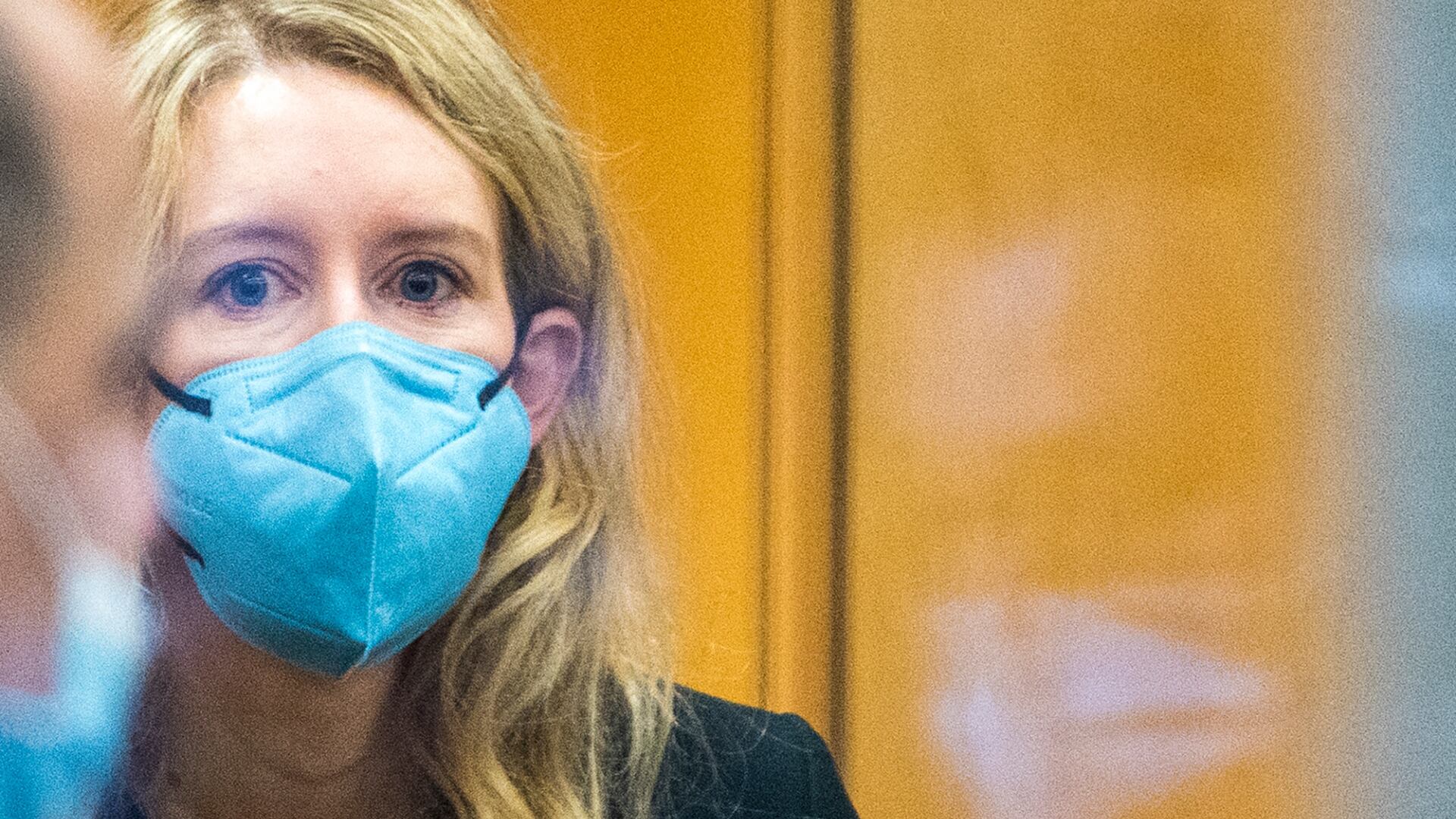
Jurors in the trial against Theranos CEO Elizabeth Holmes have entered day six of deliberations. Holmes is accused of lying to investors about the functionality of a newly developed blood-testing technology. Andrew George, partner at Baker Botts, joined Cheddar to break down key points in the case and what the jury might be considering during their deliberations. He also noted that the rest of Silicon Valley, including Holmes' business partner, Ramesh "Sunny" Balwani, who is facing identical charges, is closely watching the outcome of deliberations — as it could set the tone for future regulations and Balwani's own trial.
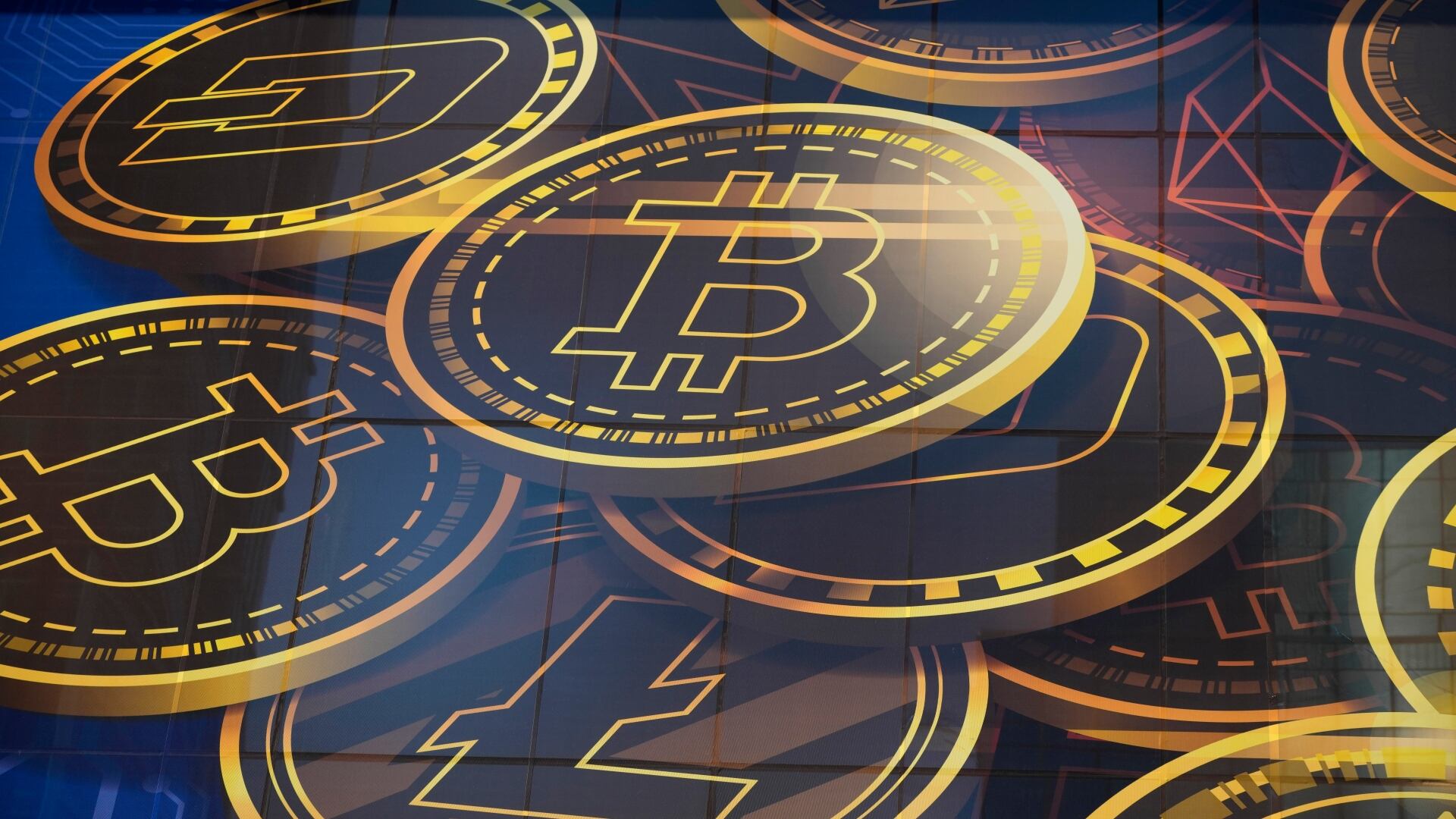
While slumps within the crypto market have typically correlated with major developments, such as China's crypto crackdown or Tesla reversing course on accepting bitcoin, the current slide is coming at a time when the stock market is at or near record levels. Reporter Alex Vuocolo talks about the role of the crypto derivatives market in bitcoin's latest price drop, as well as the future of sustainability in the space.
According to a recent report from T-Mobile, spam call traffic doubled in 2021. The company says so far they have been able to block just 21 billion spam calls for their customers this year. Despite telecom giants blocking these calls, a number of customers continue to receive these spam calls, especially during the holiday season. Founder and President of Vertical Consultants Hugh Odom, joined Cheddar to discuss more.
Venture capitalists and CEOs are clashing over the future of the internet. Web3 is the tech world's name for a decentralized, blockchain-based internet that runs on cryptocurrency. It was recently the topic of a tweet from Block CEO and former Twitter CEO Jack Dorsey who wrote that Web3 will not actually be owned by users, and instead be controlled by rich venture capitalists. Dorsey later shared that he was blocked on Twitter by Marc Andreesen, co-founder of VC firm Andreesen Horowitz, which has invested billions of dollars into Web3 and crypto projects. Correspondent for DealBook from the New York Times, Ephrat Livni, joins Cheddar News' Closing Bell to discuss what this could mean for the future of Web3.