Venezuela's New Cryptocurrency Is 'Dead on Arrival'
*By Amanda Weston*
Faced with a financial crisis, Venezuela has turned to cryptocurrency to fight rising inflation. But Eduardo Gómez, head of support at [Purse](https://purse.io/shop), said it may not be the best solution.
"The Venezuelan government is really now in a desperate situation," Gómez said Tuesday in an interview on Cheddar. "They're trying to get cash. They're trying to get money from international markets, and due to the U.S. sanctions, they're not able to do so."
Venezuelan President Nicolás Maduro outlined policies for the new digital currency, the petro, last Friday. One unit would equal the price of one barrel of oil, about $60 dollars, effectively devaluing the nation's existing currency, the bolivar, [by 96 percent](https://www.reuters.com/article/us-venezuela-currency/maduro-orders-96-percent-devaluation-in-hyperinflation-stricken-venezuela-idUSKBN1L22EZ).
Gómez said the government is trying to minimize the impact of economic sanctions from the U.S. It's an understandable priority ー The International Monetary Fund [estimates](https://blogs.imf.org/2018/07/23/outlook-for-the-americas-a-tougher-recovery/) inflation in Venezuela will reach 1 million percent this year. But Gómez said success for the latest petro strategy is highly unlikely.
"So far it has been a total failure," he said. "There's no real token out there. There's no real system in place. The technology has not been created yet. As, of now, it looks very bad for the government."
Venezuela's own parliament [believes](https://www.cnbc.com/2018/08/20/venezuela-is-pegging-its-economic-recovery-to-a-cryptocurrency--thats-widely-considered-a-scam.html) petro is being used illegally, and ICOindex has [labeled the currency a scam](https://icoindex.com/profile/petro-ptr).
Among the other moves announced by Maduro: raising the corporate tax rate, increasing previously-subsidized gas prices, and hiking the minimum wage by 3,000 percent.
Gómez pointed out that the current minimum wage, on which 70 percent of Venezuelans live, is about $1 per month. Such a low salary is the biggest hurdle for cryptocurrency adoption, Gómez said, since so many residents have barely any savings.
"Pretty much, petro is dead on arrival, as of now," Gómez said.
For full interview, [click here] (https://cheddar.com/videos/venezuela-looks-to-cryptocurrency-amid-financial-crisis).
Adi Robertson, senior reporter at The Verge, joins Cheddar News to break down the battle between two NFT collections by Phunky Ape Yacht Club and PHAYC that are selling plagiarized Bored Ape Yacht Club designs.
Dan Diasio, EY Global Artificial Intelligence Consulting Leader, joins Cheddar News to discuss the role of artificial intelligence for everyday consumers, what hurdles are holding back for greater A.I. adoption, and advice for businesses using this emerging tech.
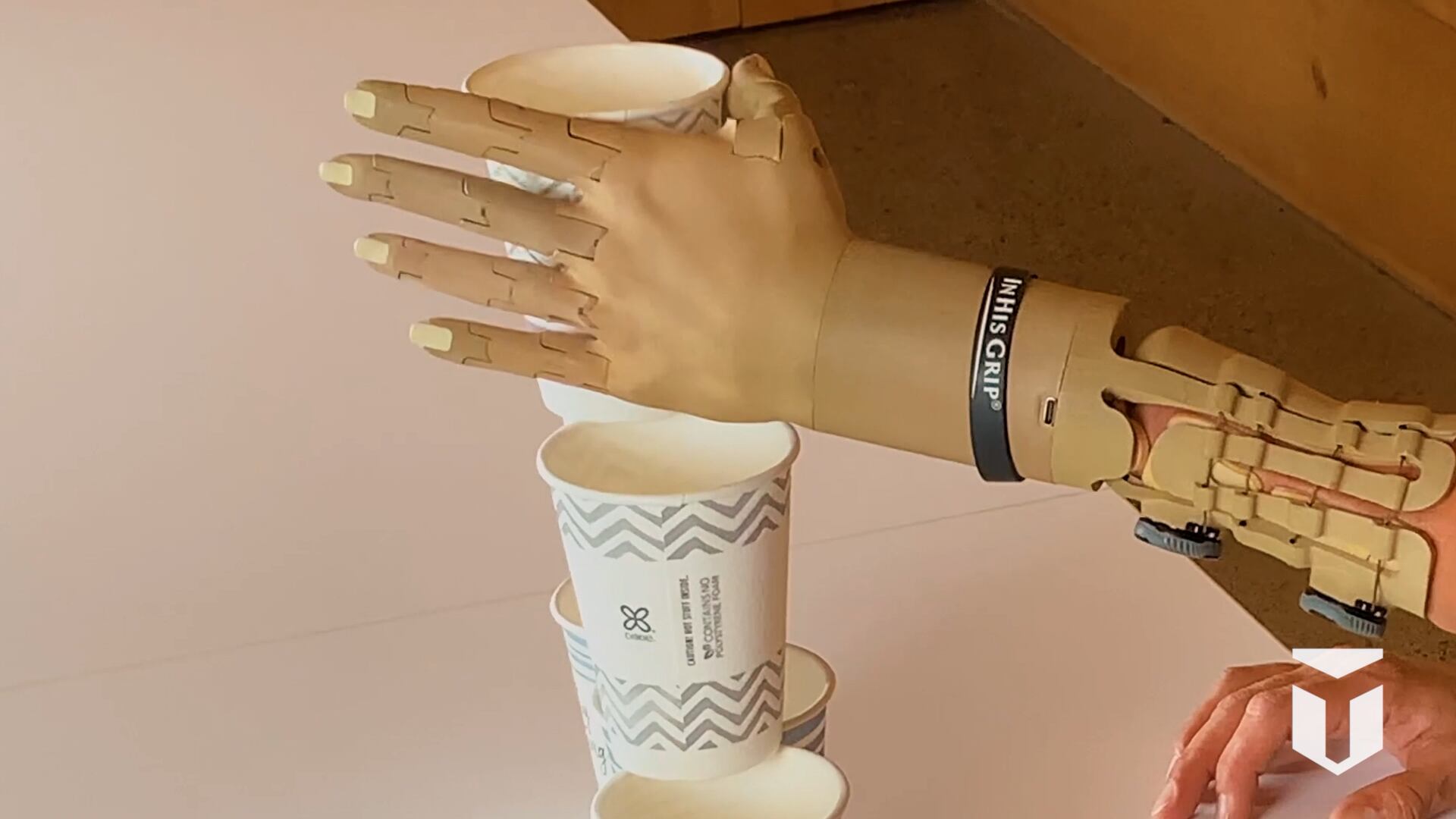
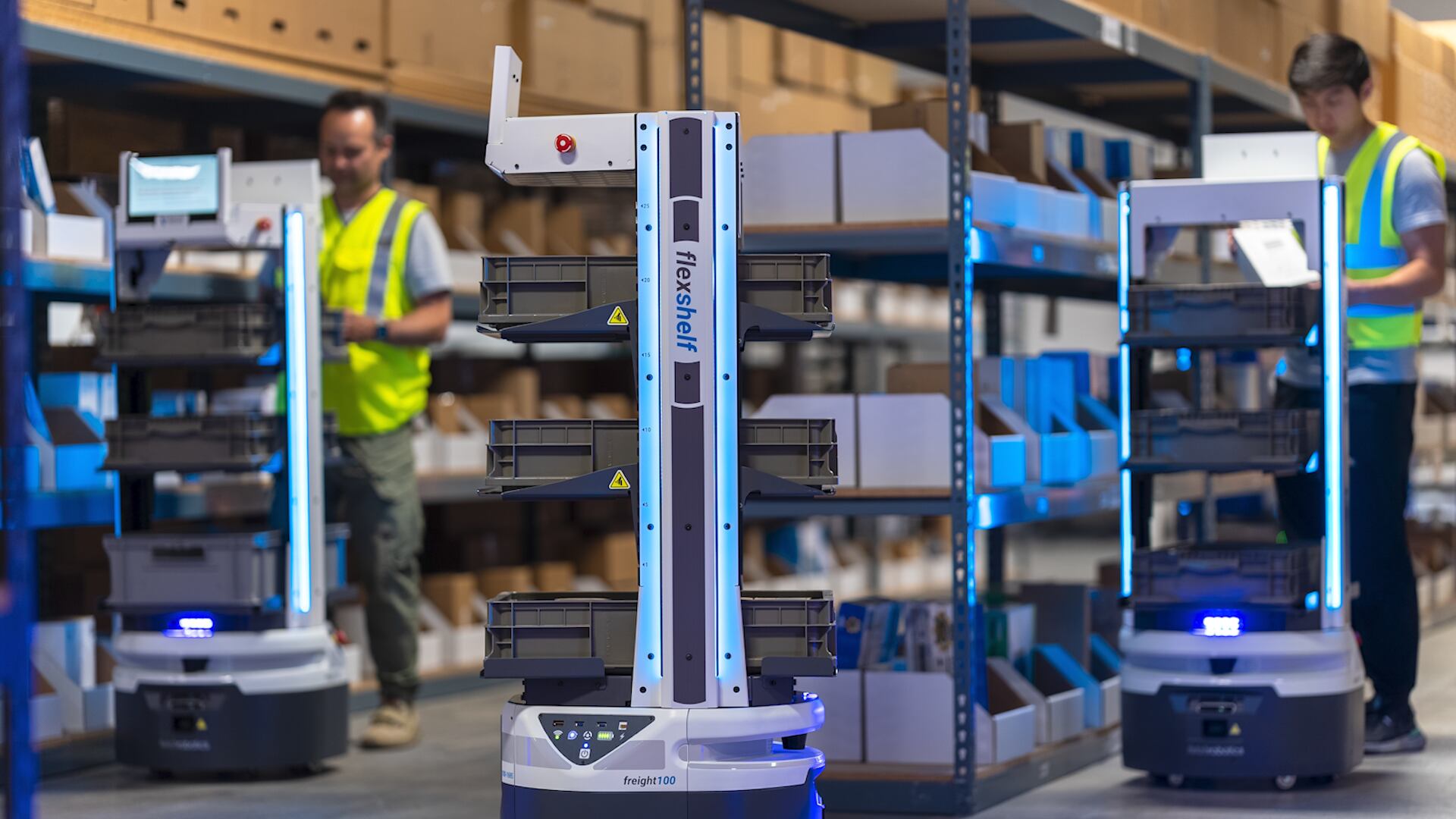
On this episode of Cheddar Innovates: Founder of Unlimited Tomorrow breaks down how he is creating completely 3D printed prosthetics to make them more affordable, customizable, and accessible; Chief Technology Officer of Zebra Technologies explains what the future of collaboration between robots and humans may look like; A look at Curiosity Stream's 'Mystery of the Roman Skulls.'
Easton LaChapelle, Founder and CEO of Unlimited Tomorrow, and joins Cheddar Innovates to discuss how he is creating completely 3D printed prosthetics to make them more affordable, customizable, and accessible. LaChappelle was recently featured in a short film called 'GENERATION IMPACT: THE INVENTOR,' which follows the story of a 14-year-old girl receiving a True Limb and can be found on HP's Digital Hub 'The Garage.'
Tom Bianculli, Chief Technology Officer at Zebra Technologies, joins Cheddar Innovates to discuss how they are creating technology to make workers' lives easier, and what the future of collaboration between robots and humans may look like.
Stock closed at record highs on the first day of trading in 2022, kicking the new year off on a strong note. Tommy Mancuso, president and co-founder of the The Bad Investment Company, joined Cheddar to discuss his optimism for the year ahead, as well as the significance of Apple hitting the $3 trillion market cap mark.
Procter & Gamble says that innovation is what it's always done best, and the company plans to showcase this with its latest products at the 2022 Consumer Electronics Show, the world's most influential technology event. The company continues to grow with the needs, and values of its customer base, which is increasingly spending more on sustainable consumer goods. To share its latest sustainability efforts, P&G is unveiling a new "Life Lab" at CES. For more on this exhibit, Marc Pritchard, Chief Brand Officer at P&G, joins Cheddar News.
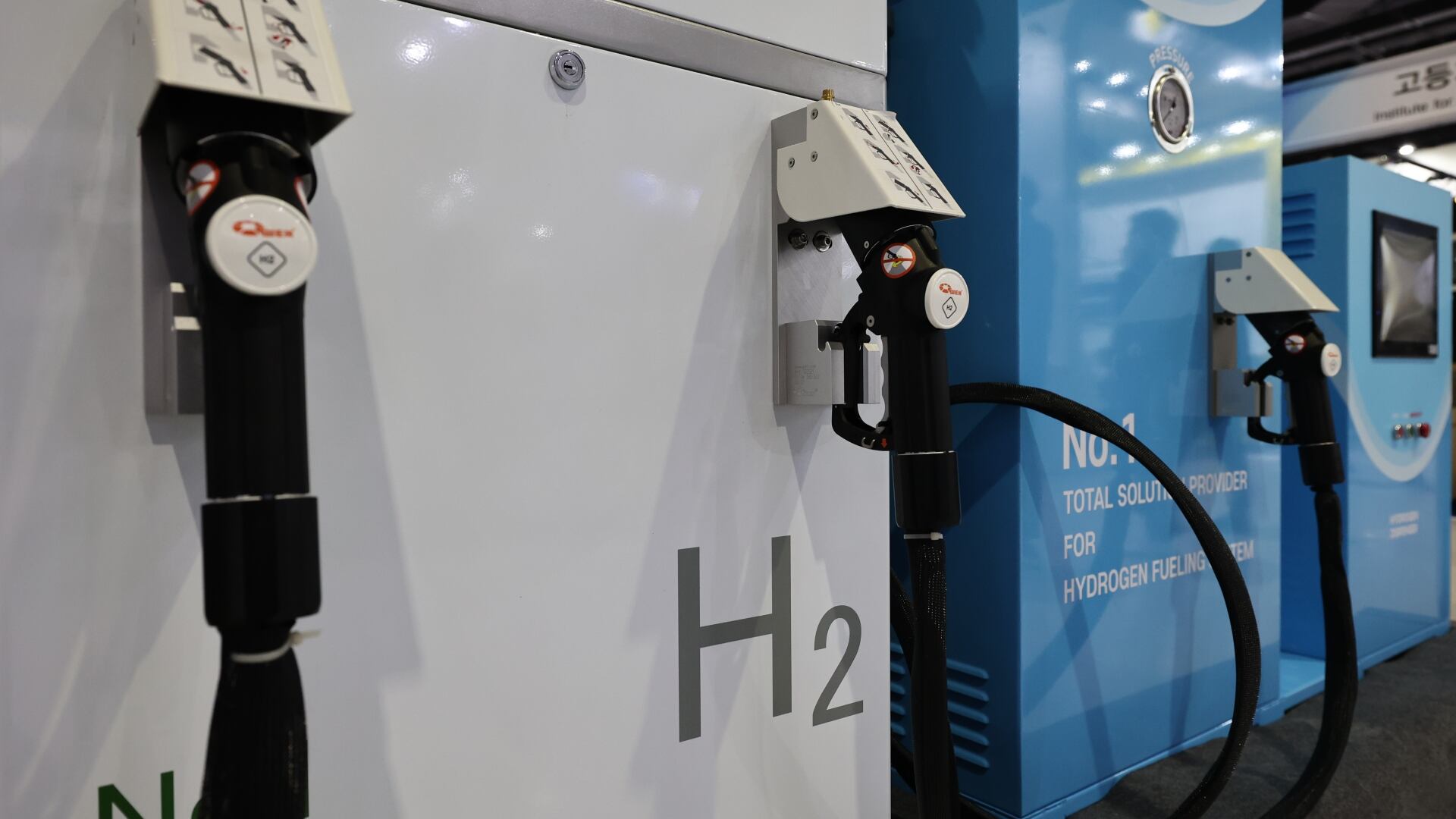
In the fight against climate change, much of the conversation revolves around reducing greenhouse gases like carbon dioxide or methane - and attempting to raise oxygen levels. But there's another gas - hydrogen - that could play a big role in the fight for the climate. Marco Alvera, CEO of Italian energy infrastructure company Snam and author of the book, 'The Hydrogen Revolution,' joined Cheddar Climate to explain the role hydrogen plays in helping achieve a net-zero future.