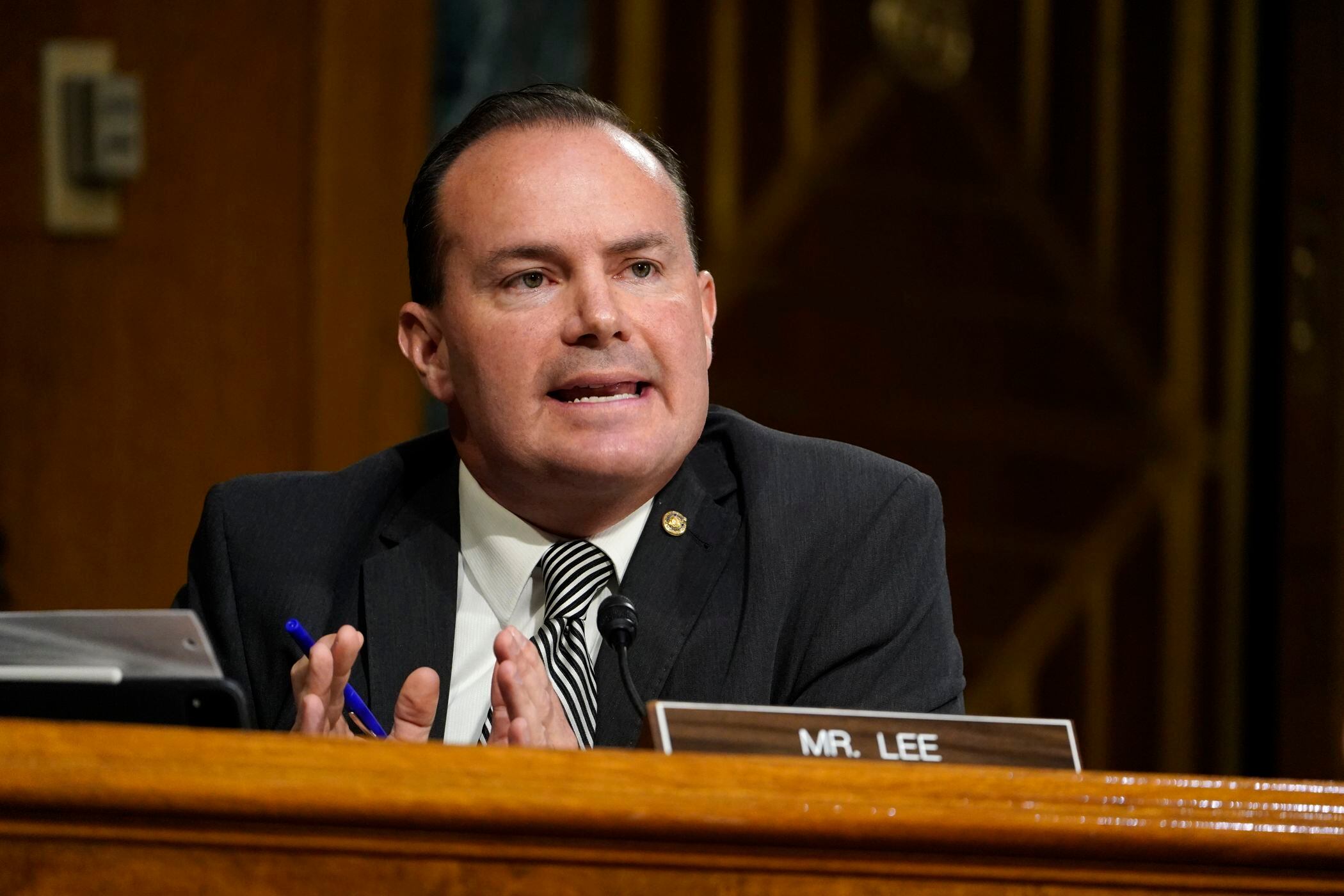
In this Nov. 10, 2020, file photo, Sen. Mike Lee, R-Utah, speaks during a Senate Judiciary Committee hearing on Capitol Hill in Washington. Lee objected Thursday, Dec. 10, to the creation of the two proposed Smithsonian museums to honor American Latinos and women, stalling two projects that have been in the making for decades and enjoy broad bipartisan support. (AP Photo/Susan Walsh, Pool, File)
By Mary Clare Jalonick
A lone senator from Utah has singlehandedly blocked the bipartisan approval of two new national museums to honor American Latinos and women, arguing that “last thing we need is to further divide an already divided nation.”
Republican Sen. Mike Lee objected Thursday to the creation of the two proposed Smithsonian museums, stalling two projects that have been in the making for decades and enjoy broad bipartisan support. Senate approval would have sent the legislation approving the Latino museum to President Donald Trump for his signature. The Senate was attempting to pass the measures by voice vote, which requires every senator's consent.
The dispute on the Senate floor came amid the impasse over a new coronavirus relief bill and highlighted the difficulty of achieving even widely supported goals in the polarized Congress. Lawmakers could still find a way to move forward on the creation of the museums, including by adding the bills to a must-pass spending package, but doing so could further complicate passage of that legislation.
Lee’s move came after his Republican colleagues had spoken in favor of the efforts. Texas Sen. John Cornyn, who authored the legislation to create the National Museum of the American Latino with New Jersey Sen. Bob Menendez, a Democrat, said just before Lee’s objection that it was an effort 25 years in the making.
“Many Americans simply aren’t aware of the vast contributions made by these men and women who have come before us, and one critical way we can right this wrong is by providing a home for their stories in the nation’s capital,” Cornyn said.
Objecting, Lee countered that point, saying the creation of museums that celebrate individual groups “weaponizes diversity.”
“Especially at the end of such a fraying, fracturing year, Congress should not splinter one of the national institutional cornerstones of our distinct national identity,” Lee said, adding that such national division “has turned our college campuses into grievance pageants and loosed Orwellian mobs to cancel anyone daring to express an original thought.”
Lee similarly objected to legislation by Sen. Susan Collins, R-Maine, to create a national women’s museum. Collins said it was a “sad moment” and that she had hoped the bills would move before the end of the year. She said she would not give up the fight.
“Surely, in a year where we are celebrating the 100th anniversary of women’s suffrage, this is the time, this is the moment,” Collins said.
Lee said he sees an exception for museums dedicated to American Indians and African Americans that already sit on the National Mall. He said those groups were “essentially written out of our national story and even had their own stories virtually erased” by the U.S. government, therefore it is “uniquely appropriate that the federal government provide the funding to recover and tell those communities’ specific stories today at dedicated museums in the specific context of having been so long excluded.”
Livid, Menendez pointed to a 1994 internal examination by the Smithsonian — the impetus for the effort to create the museum — that described “willful neglect” on the part of the institution toward Hispanic and Latino culture.
“We have been systematically excluded, not because this senator said so but because the Smithsonian itself said so,” Menendez said.
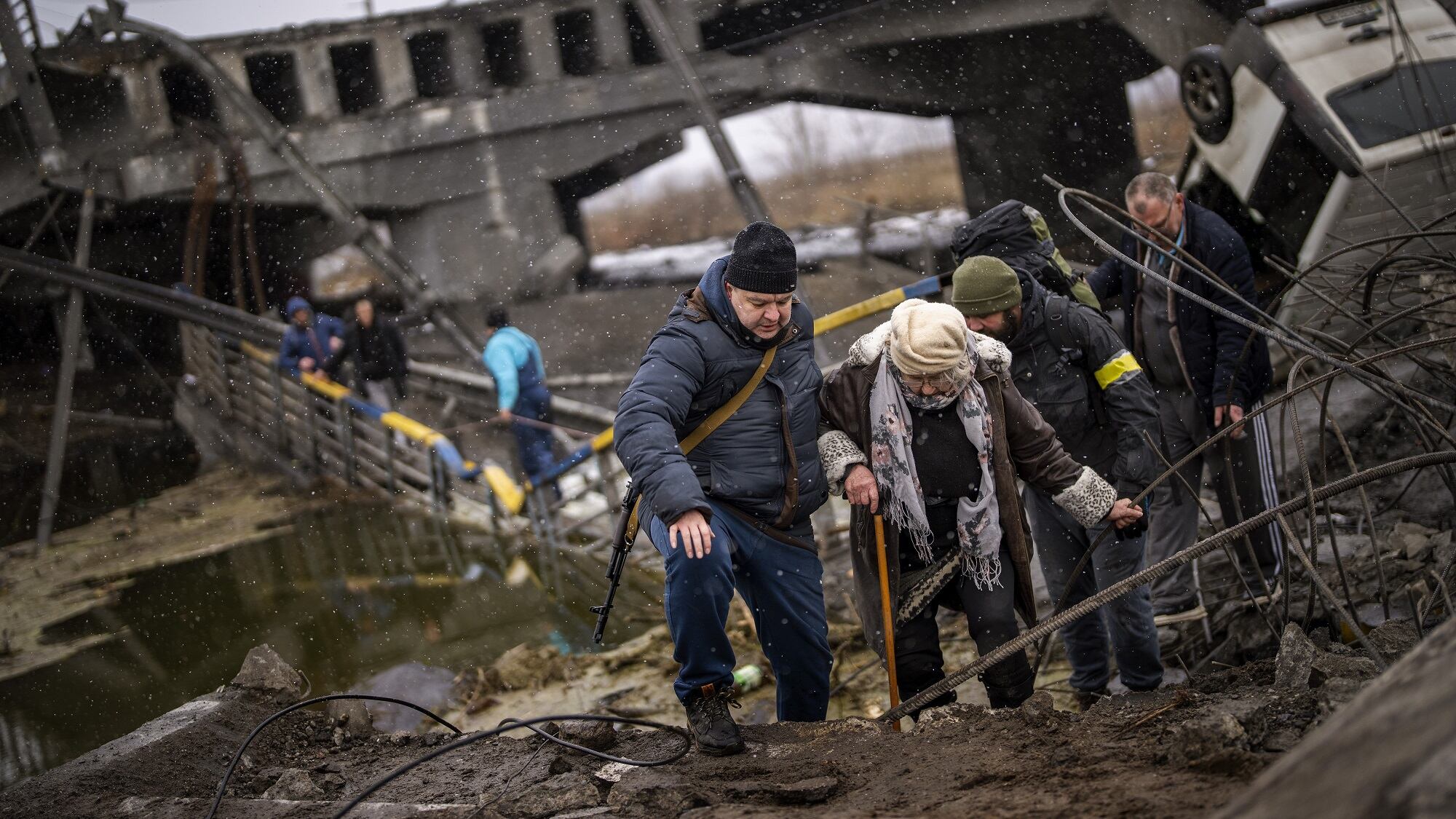
A Ukraine city falls, if you have an Iconic Fitbit, you'll want to hear this, and leave Girl Scouts alone! Here is all the news you Need2Know for Thursday, March 3, 2022.
In the past few years, Betthany Frankel has made a major name for herself as a philanthropist after founding the
BStrong initiative, which has provided relief to people impacted by natural disasters as well as the COVID-19 pandemic. Now, BStrong is shifting its focus to Ukraine, raising millions of dollars in donations for those impacted by Russia's invasion. Bethenny Frankel, the founder of BStrong, joins Cheddar News' Closing Bell to discuss.
Ari Redbord, Head of Legal and Government Affairs at TRM Labs, discusses how Binance, Coinbase and Kraken's decision to not unilaterally ban all Russian users from their platforms could put a dent in the West's plan to economically punish Russia.
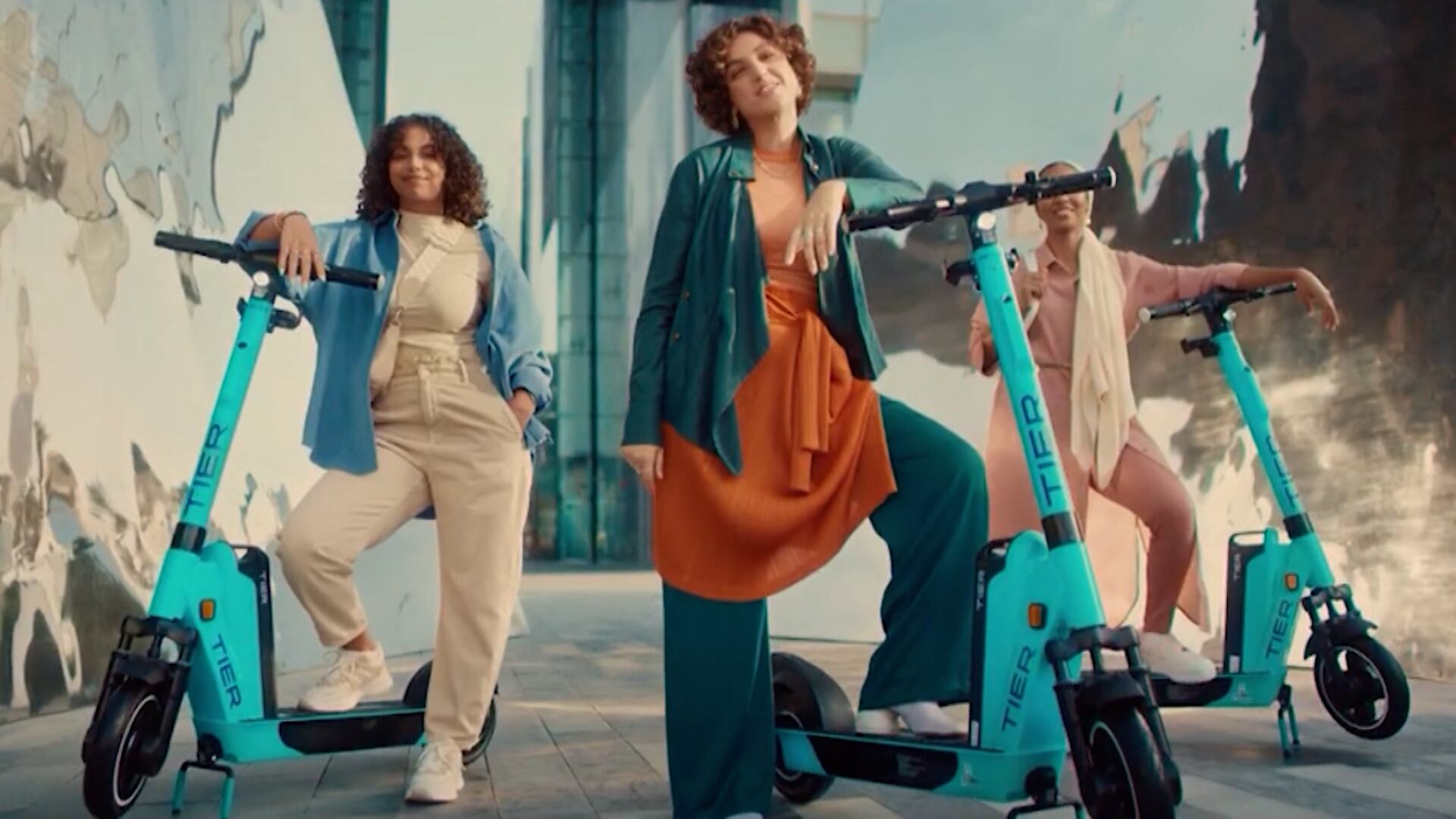
One of Europe's leading micromobility providers, TIER mobility, is expanding into North America after acquiring the micromobility operator, Spin. Ford Motor Company previously owned Spin but is now selling the company to TIER Mobility, which says the deal will make it the largest multimodal micromobility operator in the world in terms of the number of cities it operates in and the number of vehicles in its fleet. Lawrence Leuschner, CEO of TIER Mobility, and Ben Bear, CEO of Spin, join Cheddar News' Closing Bell to discuss.
World Central Kitchen is Ukraine helping to feed people remaining in the country or fleeing from the Russian forces. Nate Mook, CEO for the non-profit, joined Cheddar New to discuss the efforts being made to help those in need in a very tenuous situation and how the invasion disrupted the lives of Ukrainian people."We met a young woman from Kyiv who had crossed into Poland, she had a great job, she just moved into a new apartment. She was really excited about decorating her apartment. You know, things that we all do on a day-to-day basis, and she had to just abandon her life," he said.
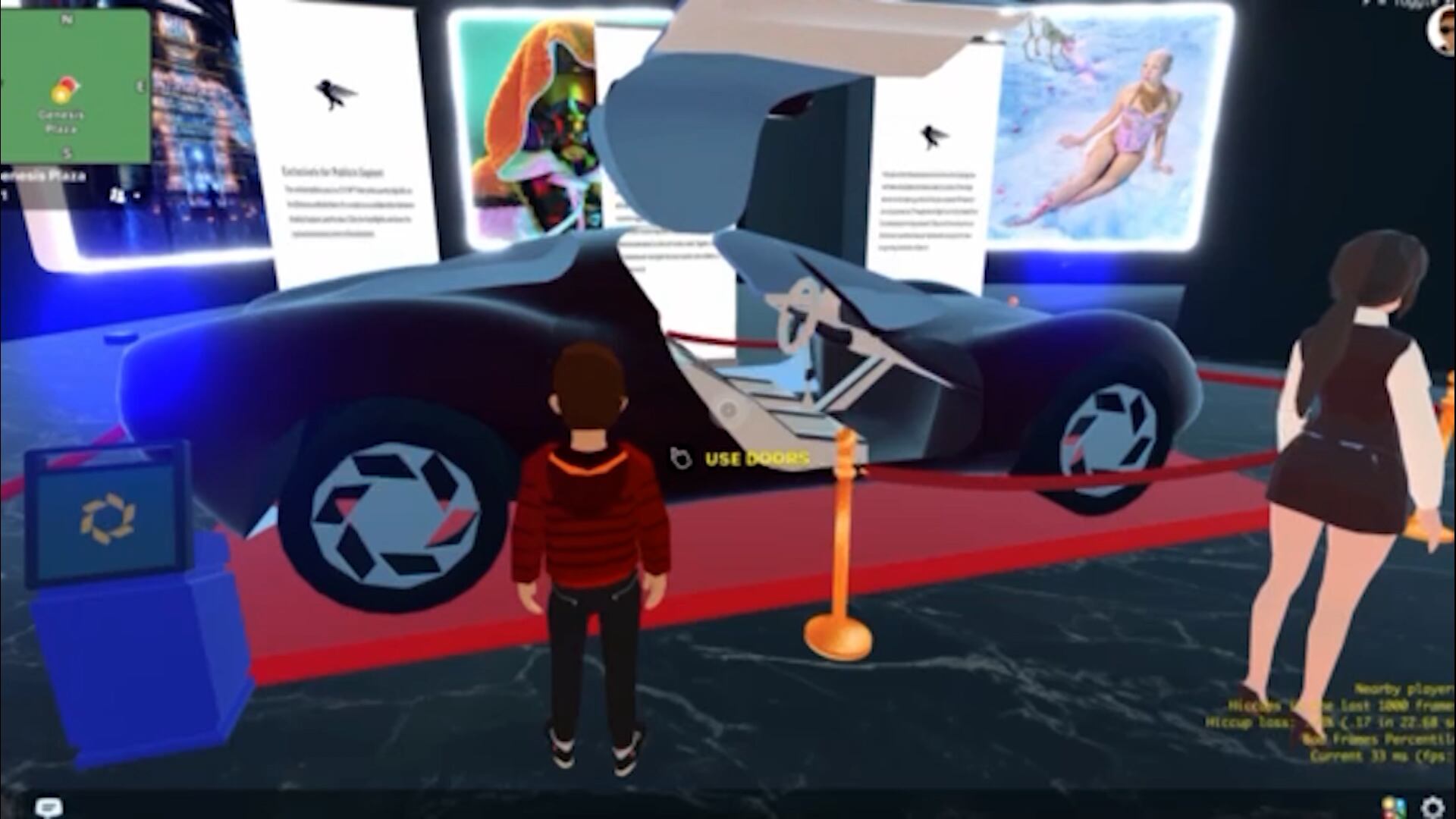
Digital consulting company Publicis Sapient has its sights set on the Metaverse. The subsidiary of the French advertising giant Publicis Group is announcing a new partnership with NFT auction house Portion in an effor to help brands deliver experiences in the metaverse, including the sales of products. Publicis Sapient CEO Nigel Vaz joined Cheddar News' Closing Bell to discuss. "In the context of our collaboration with Portion, the first experience that we created was with Decentraland, which is a virtual world," he said. "And car manufacturers in this metaverse, in terms of their buyers, can interact with a virtual person, (and) they can view quality NFTs. They can examine a virtual vehicle, be inside the car, rev an engine, open doors, all without leaving their homes."
National Eating Disorder Awareness Week is a campaign to educate the public about the harsh realities of eating disorders, but also to provide support and visibility to individuals and families affected by an eating disorder. Sarah Adler, clinical associate professor of psychiatry and behavioral sciences at Stanford University, joins Cheddar News to discuss.
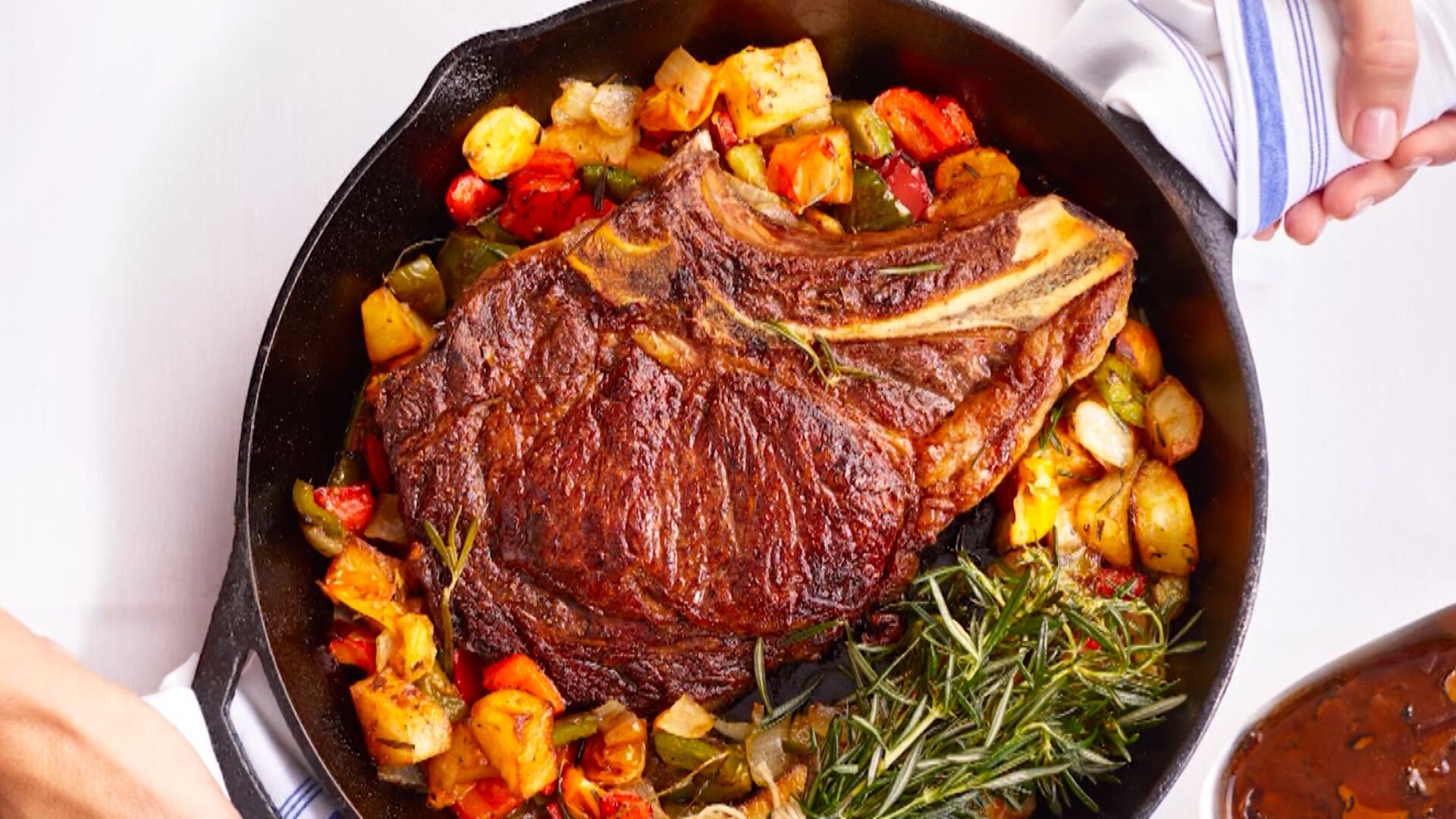
Vittorio Assaf, co-founder of Serafina, joins Cheddar News to discuss two new concepts from Serafina Restaurants in NYC: Cafe Serafina and Serafina To-Go. Assaf also talks about the company's new cookbook.
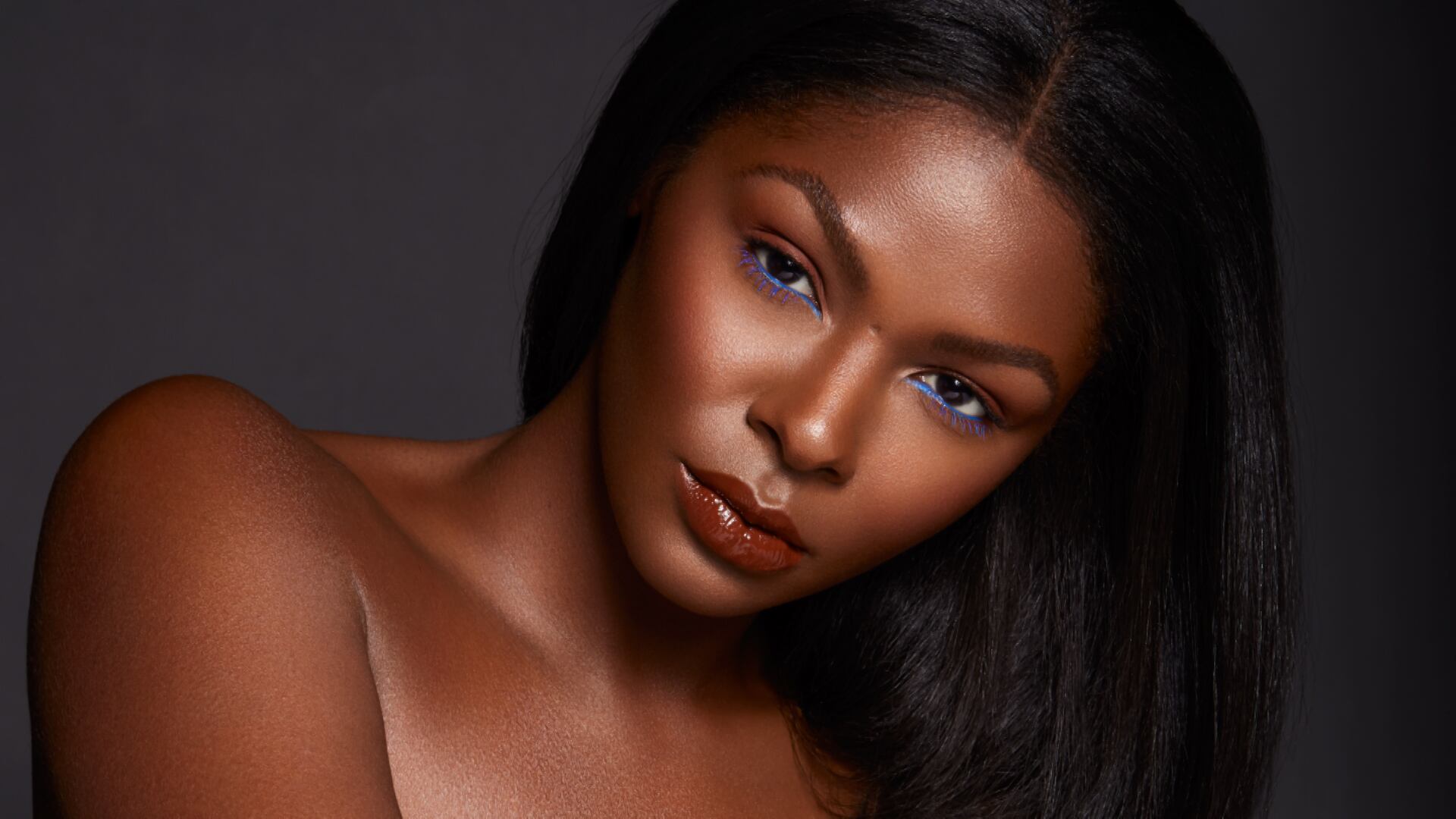
Maude Okrah, co-founder of Black Beauty Roster, joins Cheddar News to discuss how her company is working with WarnerMedia to provide diverse makeup and hair stylists for actors of color on set.