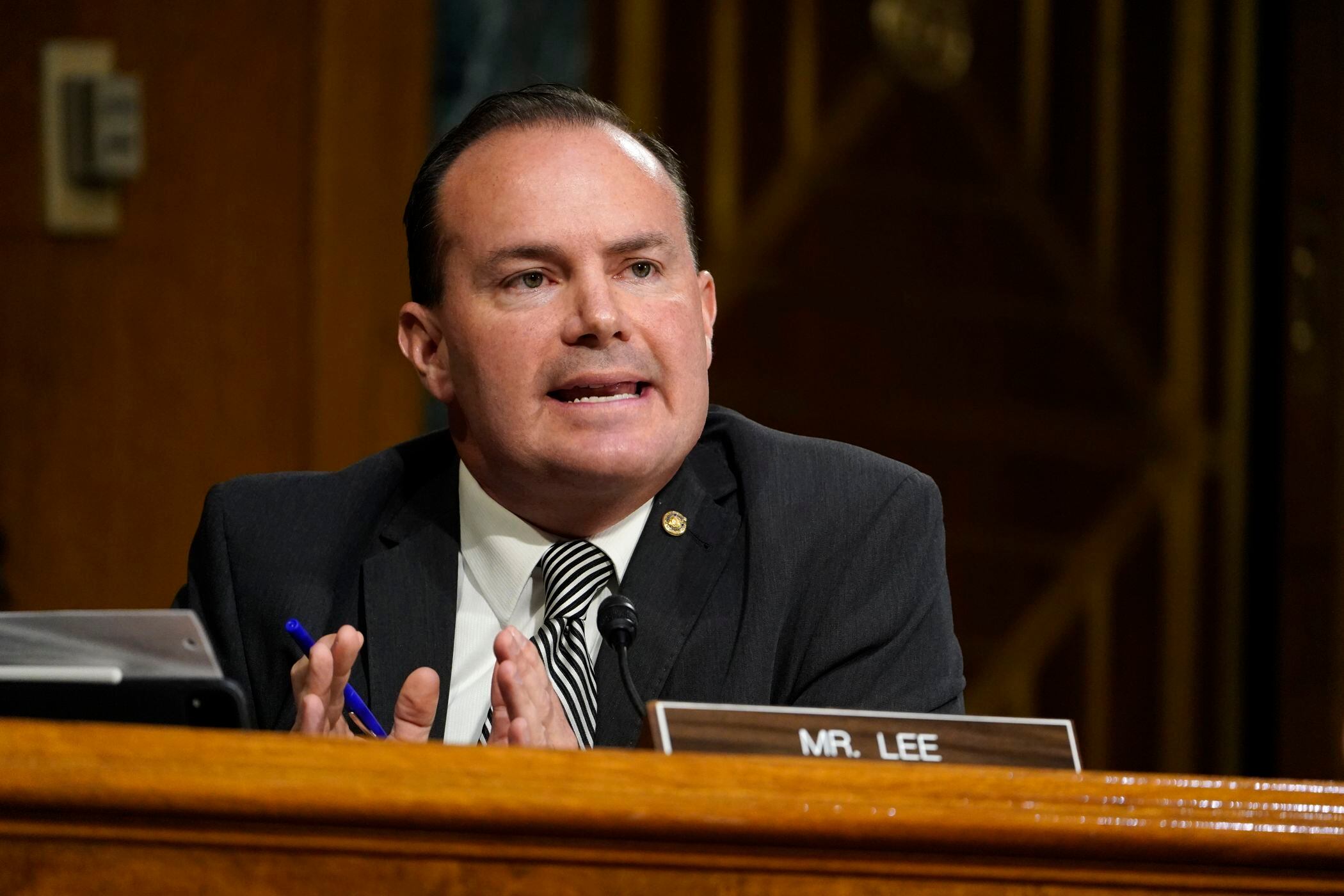
In this Nov. 10, 2020, file photo, Sen. Mike Lee, R-Utah, speaks during a Senate Judiciary Committee hearing on Capitol Hill in Washington. Lee objected Thursday, Dec. 10, to the creation of the two proposed Smithsonian museums to honor American Latinos and women, stalling two projects that have been in the making for decades and enjoy broad bipartisan support. (AP Photo/Susan Walsh, Pool, File)
By Mary Clare Jalonick
A lone senator from Utah has singlehandedly blocked the bipartisan approval of two new national museums to honor American Latinos and women, arguing that “last thing we need is to further divide an already divided nation.”
Republican Sen. Mike Lee objected Thursday to the creation of the two proposed Smithsonian museums, stalling two projects that have been in the making for decades and enjoy broad bipartisan support. Senate approval would have sent the legislation approving the Latino museum to President Donald Trump for his signature. The Senate was attempting to pass the measures by voice vote, which requires every senator's consent.
The dispute on the Senate floor came amid the impasse over a new coronavirus relief bill and highlighted the difficulty of achieving even widely supported goals in the polarized Congress. Lawmakers could still find a way to move forward on the creation of the museums, including by adding the bills to a must-pass spending package, but doing so could further complicate passage of that legislation.
Lee’s move came after his Republican colleagues had spoken in favor of the efforts. Texas Sen. John Cornyn, who authored the legislation to create the National Museum of the American Latino with New Jersey Sen. Bob Menendez, a Democrat, said just before Lee’s objection that it was an effort 25 years in the making.
“Many Americans simply aren’t aware of the vast contributions made by these men and women who have come before us, and one critical way we can right this wrong is by providing a home for their stories in the nation’s capital,” Cornyn said.
Objecting, Lee countered that point, saying the creation of museums that celebrate individual groups “weaponizes diversity.”
“Especially at the end of such a fraying, fracturing year, Congress should not splinter one of the national institutional cornerstones of our distinct national identity,” Lee said, adding that such national division “has turned our college campuses into grievance pageants and loosed Orwellian mobs to cancel anyone daring to express an original thought.”
Lee similarly objected to legislation by Sen. Susan Collins, R-Maine, to create a national women’s museum. Collins said it was a “sad moment” and that she had hoped the bills would move before the end of the year. She said she would not give up the fight.
“Surely, in a year where we are celebrating the 100th anniversary of women’s suffrage, this is the time, this is the moment,” Collins said.
Lee said he sees an exception for museums dedicated to American Indians and African Americans that already sit on the National Mall. He said those groups were “essentially written out of our national story and even had their own stories virtually erased” by the U.S. government, therefore it is “uniquely appropriate that the federal government provide the funding to recover and tell those communities’ specific stories today at dedicated museums in the specific context of having been so long excluded.”
Livid, Menendez pointed to a 1994 internal examination by the Smithsonian — the impetus for the effort to create the museum — that described “willful neglect” on the part of the institution toward Hispanic and Latino culture.
“We have been systematically excluded, not because this senator said so but because the Smithsonian itself said so,” Menendez said.
Catching you up on what you Need to Know on Mar 28, 2022, with peace talks resuming in Ukraine as early as today, Colorado wildfires causing evacuations, Shanghai, China, ramping up restrictions once again, the Oscars debacle between Will Smith and Chris Rock, and more.
When Will Smith marched onto the Oscars stage and smacked Chris Rock, the unpredictable moment served as a jarring interruption to Hollywood’s feel-good celebration.
The U.S. market value of the plant-based food industry reached an all-time high last year. According to a new report from the Plant Based Food Association, retail sales of plant-based foods reached $7.4 billion, but questions are arising over whether the industry can sustain the levels of growth it had in the past few years. Julie Emmett, senior director of marketplace development at the Plant Based Food Association, joined Cheddar News' Closing Bell to discuss.
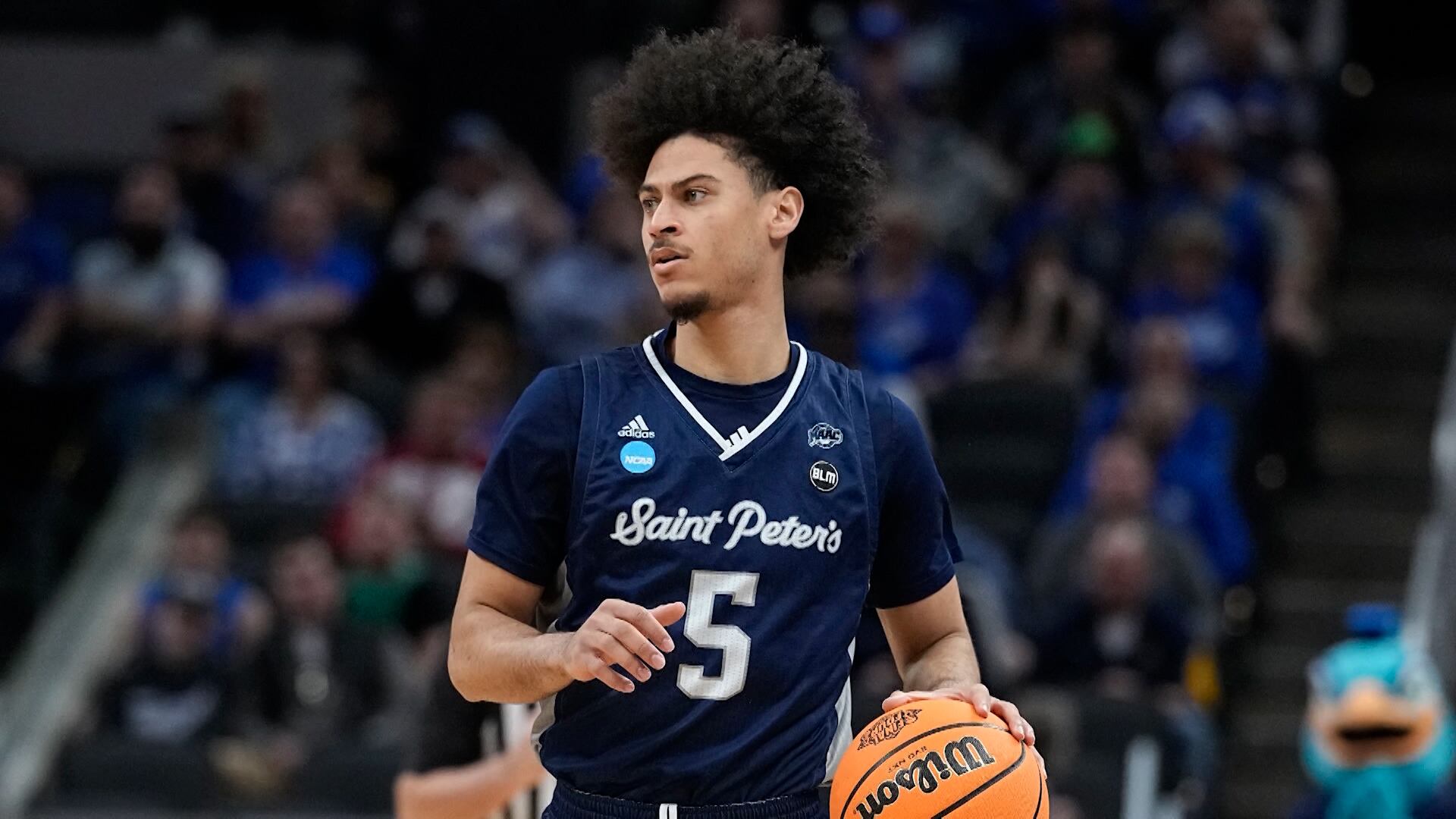
Saint Peter's University - a small school in New Jersey school - has skyrocketed to the center of the sports world in a 'Cinderella' story for the record books. The ultimate underdog of the men's March Madness tournament is just the third 15-seed to reach the Sweet 16, after beating Murray State and college basketball powerhouse Kentucky. Throughout the university's historic run, Saint Pete's has reportedly been earning what amounts to millions of dollars in publicity. Amanda Christovich, reporter for Front Office Sports, joins Cheddar News' Closing Bell to discuss.
Kyte, a company that delivers rental cars to customers on-demand, closed an asset-backed credit financing of up to $200 million from Goldman Sachs and the Ares Global Management Alternative Credit Team to accelerate the company's fleet growth and margin expansion. Kyte and its financing providers will create a more robust trip economy that services a more demanding customer with a shared vision of an electrified, autonomous future. Ludwig Schoenack, co-founder and co-CEO of Kyte, joins Cheddar News' Closing Bell to discuss.
Volatility continues to be the name of the game when it comes to crypto. Bitcoin, the most valuable digital token, saw a small jump today - one of several small rallies throughout the month of March. Caitlin Cook, vice president of crypto education company Onramp Academy, joins Cheddar News' Closing Bell to discuss.
Biden says Putin can't remain in power, Will Smith slaps Chris Rock at the Oscars, and a fashion show, just not IRL. Here is all the news you Need2Know for Monday, March 28, 2022.
After scrutiny over the negative impact on the mental health of children, social media apps have begun adding stricter limitations to parental controls. Jim Steyer, CEO of Common Sense Media, a nonprofit organization focusing on recommendations for entertainment platforms, joined Cheddar News to talk about the changes, why they might not be enough, and what parents can do to help. "It's almost that the companies — whether they're Snapchat, Instagram, YouTube, or whatever — have to start the process from the beginning of designing the product," he said. "They have to be much more clear about age verification so that a 12-year-old and 11-year-old can't get on there." Steyer also pushed for federal legislation to reign in the issue.