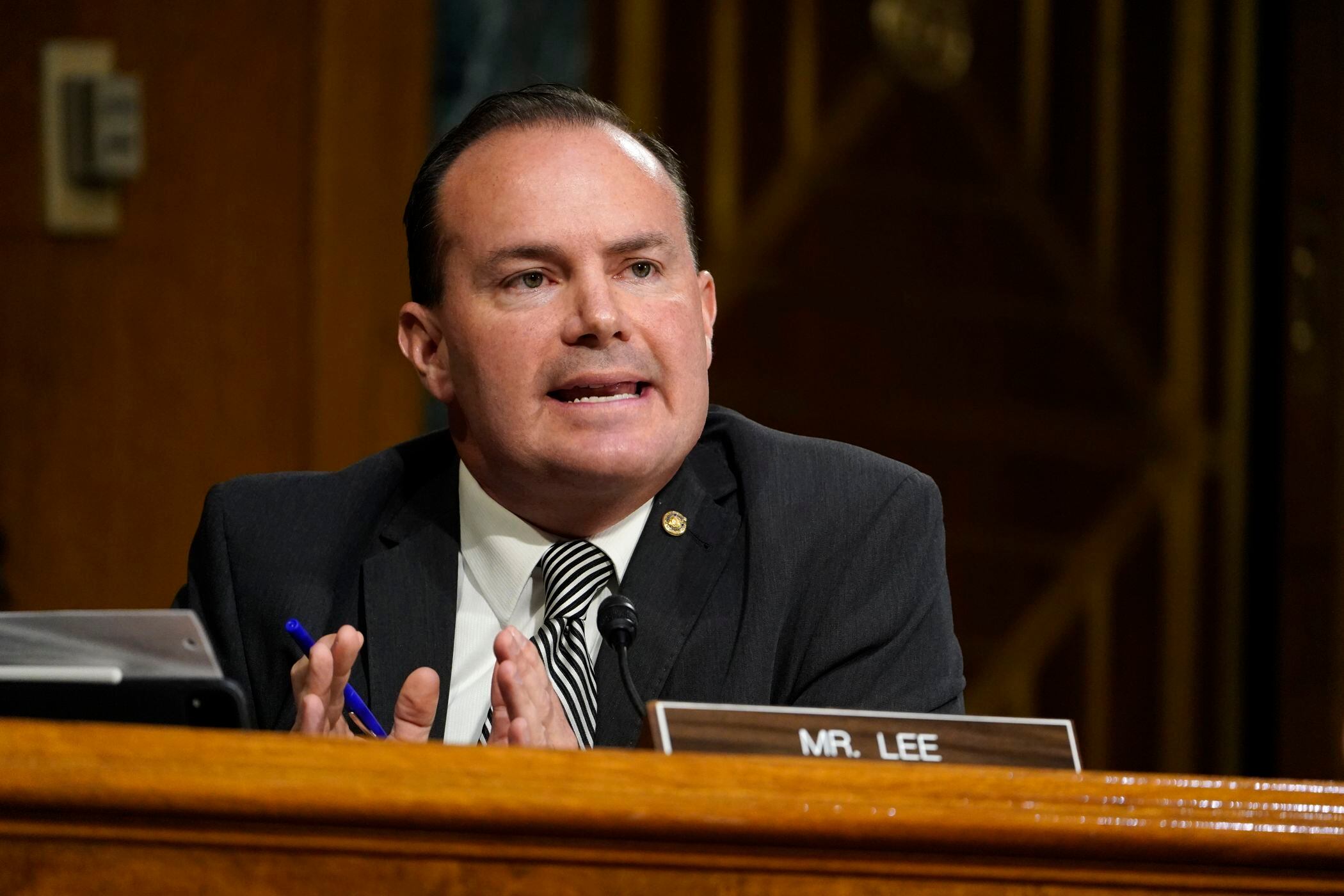
In this Nov. 10, 2020, file photo, Sen. Mike Lee, R-Utah, speaks during a Senate Judiciary Committee hearing on Capitol Hill in Washington. Lee objected Thursday, Dec. 10, to the creation of the two proposed Smithsonian museums to honor American Latinos and women, stalling two projects that have been in the making for decades and enjoy broad bipartisan support. (AP Photo/Susan Walsh, Pool, File)
By Mary Clare Jalonick
A lone senator from Utah has singlehandedly blocked the bipartisan approval of two new national museums to honor American Latinos and women, arguing that “last thing we need is to further divide an already divided nation.”
Republican Sen. Mike Lee objected Thursday to the creation of the two proposed Smithsonian museums, stalling two projects that have been in the making for decades and enjoy broad bipartisan support. Senate approval would have sent the legislation approving the Latino museum to President Donald Trump for his signature. The Senate was attempting to pass the measures by voice vote, which requires every senator's consent.
The dispute on the Senate floor came amid the impasse over a new coronavirus relief bill and highlighted the difficulty of achieving even widely supported goals in the polarized Congress. Lawmakers could still find a way to move forward on the creation of the museums, including by adding the bills to a must-pass spending package, but doing so could further complicate passage of that legislation.
Lee’s move came after his Republican colleagues had spoken in favor of the efforts. Texas Sen. John Cornyn, who authored the legislation to create the National Museum of the American Latino with New Jersey Sen. Bob Menendez, a Democrat, said just before Lee’s objection that it was an effort 25 years in the making.
“Many Americans simply aren’t aware of the vast contributions made by these men and women who have come before us, and one critical way we can right this wrong is by providing a home for their stories in the nation’s capital,” Cornyn said.
Objecting, Lee countered that point, saying the creation of museums that celebrate individual groups “weaponizes diversity.”
“Especially at the end of such a fraying, fracturing year, Congress should not splinter one of the national institutional cornerstones of our distinct national identity,” Lee said, adding that such national division “has turned our college campuses into grievance pageants and loosed Orwellian mobs to cancel anyone daring to express an original thought.”
Lee similarly objected to legislation by Sen. Susan Collins, R-Maine, to create a national women’s museum. Collins said it was a “sad moment” and that she had hoped the bills would move before the end of the year. She said she would not give up the fight.
“Surely, in a year where we are celebrating the 100th anniversary of women’s suffrage, this is the time, this is the moment,” Collins said.
Lee said he sees an exception for museums dedicated to American Indians and African Americans that already sit on the National Mall. He said those groups were “essentially written out of our national story and even had their own stories virtually erased” by the U.S. government, therefore it is “uniquely appropriate that the federal government provide the funding to recover and tell those communities’ specific stories today at dedicated museums in the specific context of having been so long excluded.”
Livid, Menendez pointed to a 1994 internal examination by the Smithsonian — the impetus for the effort to create the museum — that described “willful neglect” on the part of the institution toward Hispanic and Latino culture.
“We have been systematically excluded, not because this senator said so but because the Smithsonian itself said so,” Menendez said.
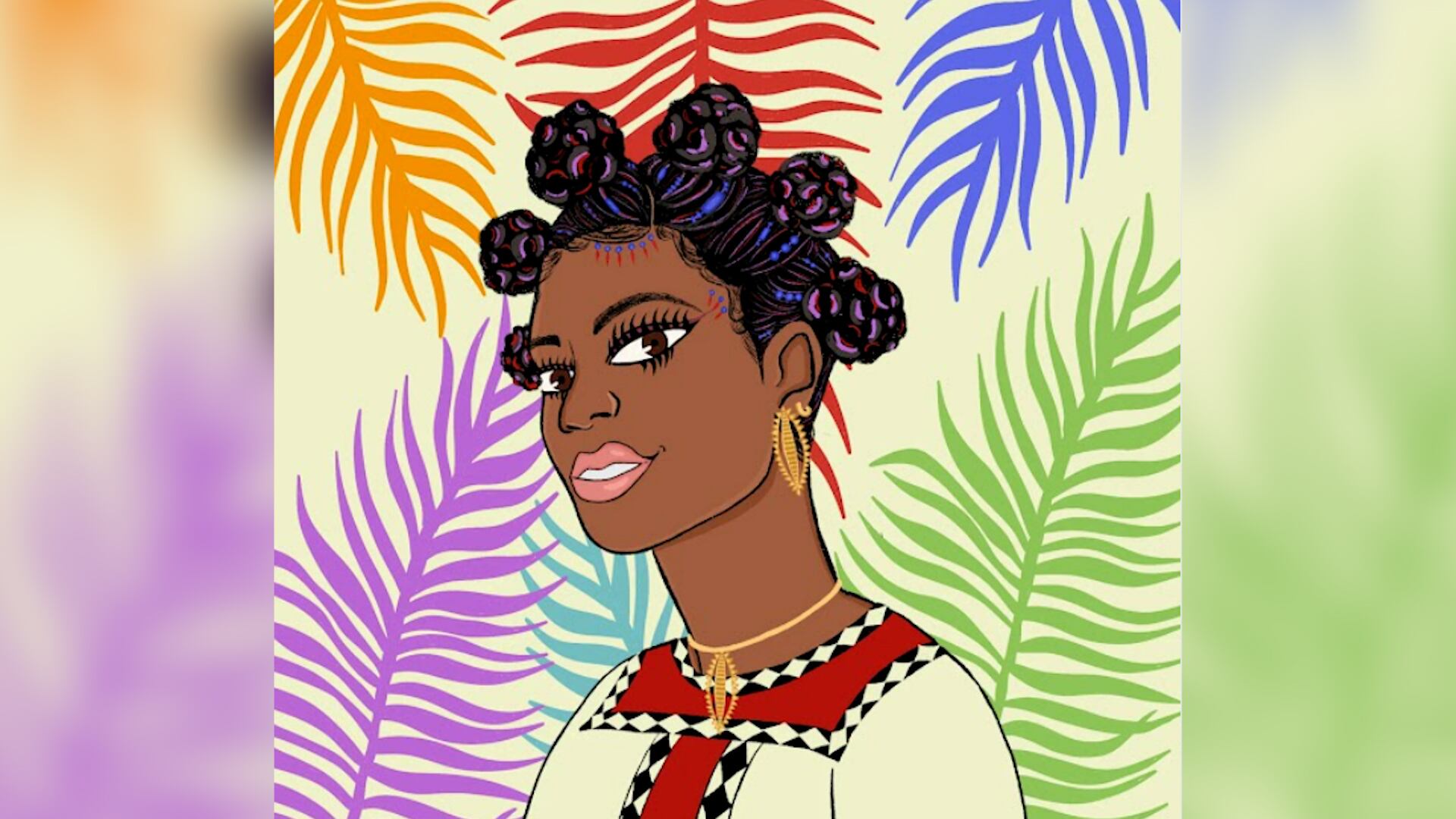
Bonnie Wright, who starred in the Harry Potter film series as Ginny Weasely, the youngest of the Weasely clan and Harry Potter’s love interest, is now an author and sustainability activist with her new book, "Go Gently: Actionable Steps to Nurture Yourself and the Planet," which focuses on how to change your habits to live a more sustainable lifestyle. Wright joined Cheddar News to discuss. "I wrote my book to really help to kind of bring the macro-scale system thinking down to our day-to-day life," she said. "They're actually tangible, quite resourceful, practical things that you can implement in your day-to-day life to just help you connect to these issues and just feel empowered when we feel pretty powerless within this situation."
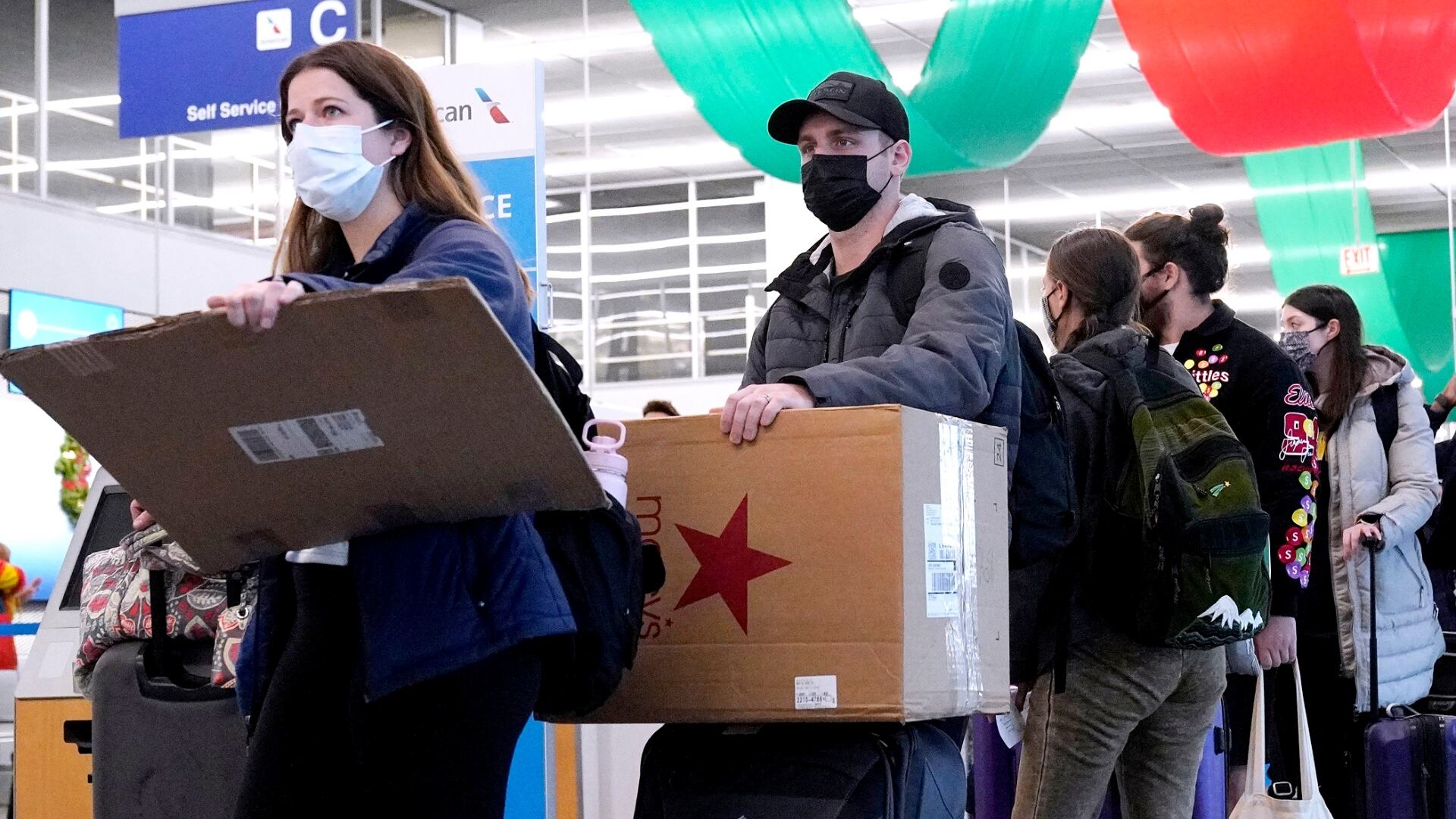
Catching you up on what you need to know on April 19, 2022, with a federal judge voiding mask mandates on public transportation, updates from the Russia and Ukraine war, Mac Miller’s drug dealer sentenced for involvement in the rapper's death, and more.
The 1993 historical drama 'Schindler's List' tells the story of a Nazi party member who helped thousands of Polish Jewish refugees escape death during the Holocaust. Today, Ukrainians are living a very similar reality as Russia continues to invade, and refugees are fleeing for safety. Oliwia Dabrowska was three years old when she became an integral part of "Schindler's List." You'll remember her as "the little girl in the red coat" representing a symbol of hope. Today she's 32 years old living in Poland and once again representing hope for refugees. Dabrowska joins Cheddar News to discuss her experience and tell viewers how to help.
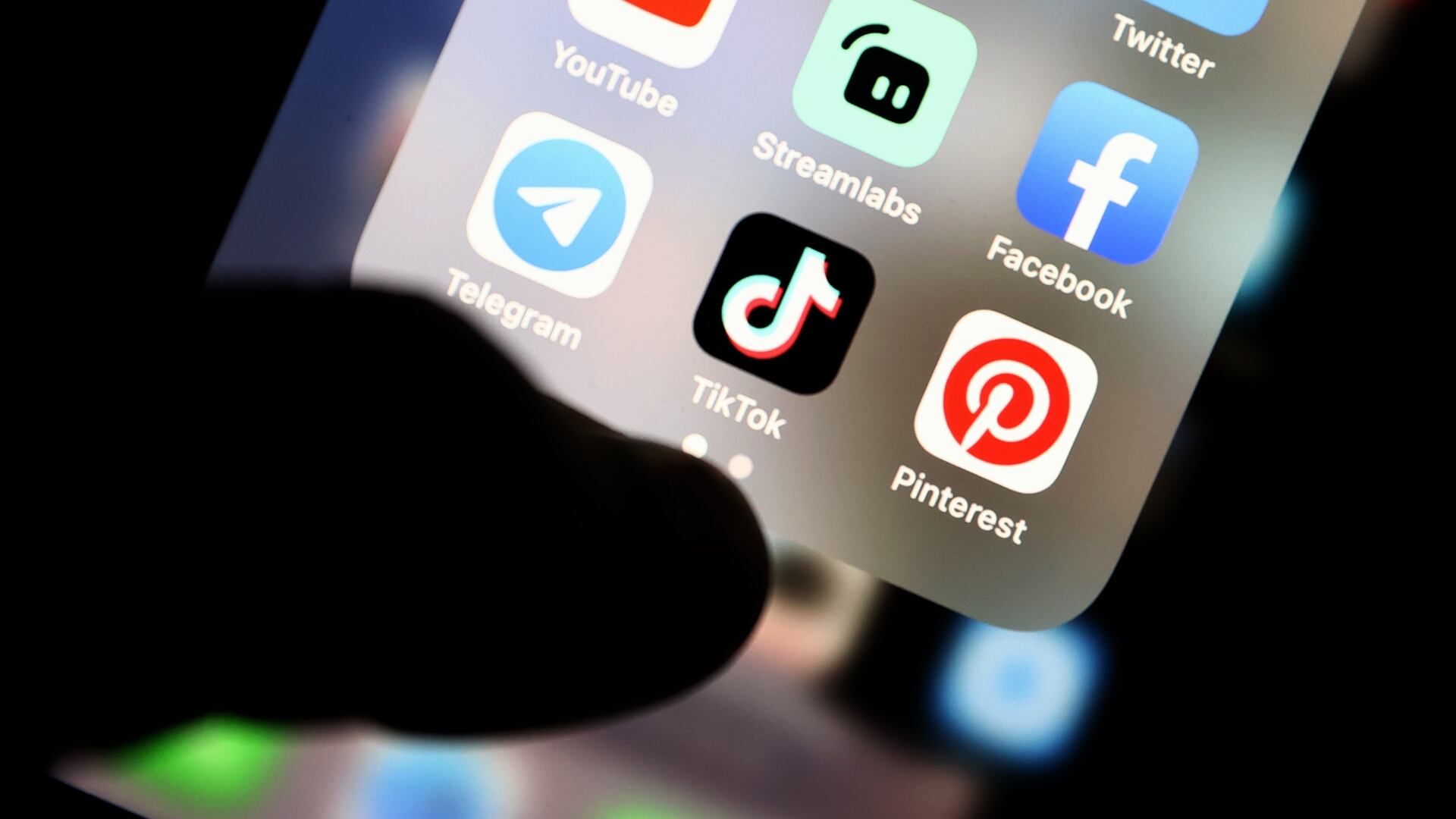
As TikTok grows in popularity, so does its ad revenue potential. Research firm Insider Intelligence forecasts the app's revenue will likely triple in 2022 to more than $11 billion, putting it past the sales of both Twitter and Snapchat combined. Cheddar News takes a closer look.
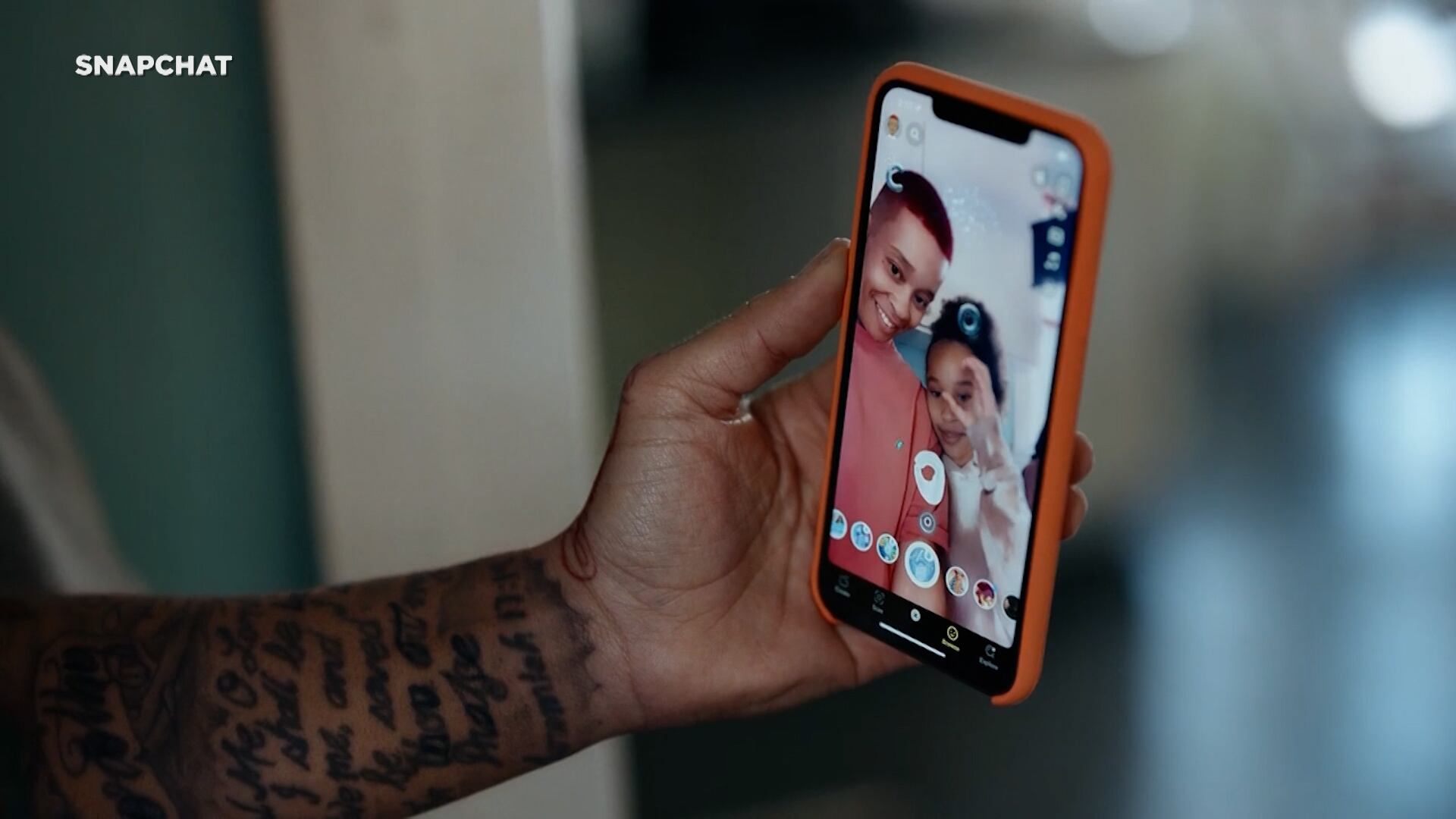
Snapchat has launched its first features to help users learn American Sign Language through its lenses and a game. The project was spearheaded by deaf and hard-of-hearing workers. Cheddar News was joined by Austin Vaday, software engineer at Snap, and his sign language interpreter, Jonathan Webb, to discuss the ASL Fingerspelling Lens and how the project came together. “We wanted to find a way to appropriately and properly educate the community so that folks can communicate with people like me using sign language," Vaday stated.
The new Netflix documentary "White Hot: The Rise & Fall of Abercrombie & Fitch" dives into how the once apparel retailer used an exclusionary business model, focusing on the "popular and cool kids," to thrive for years until its discriminatory culture and practices led to a consumer backlash. Anthony Ocampo, a professor of sociology at Cal Poly Pomona and former Abercrombie & Fitch employee, and Ben O’Keefe, a social change activist and head of diversity and impact production at Creator+, discussed the film and the retailer's rebranding in light of many allegations brought against it. "I got a job at Abercrombie & Fitch, and I worked there for a couple of weeks. But then when I went back to that same store after the academic year ended to get my job back, I was told by someone, I'm sorry, we can't rehire you because we already had too many Filipinos working at this store," Ocampo said.