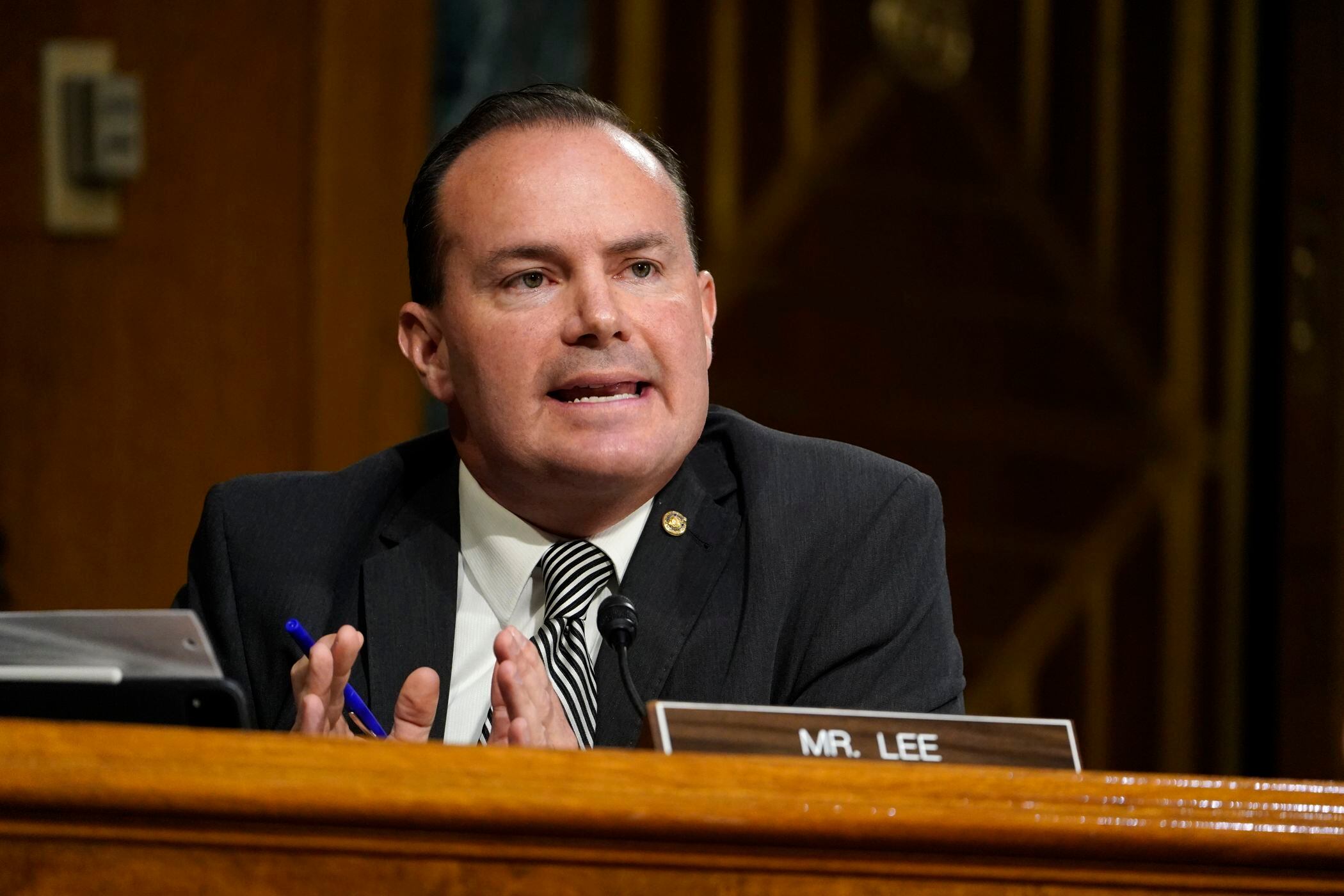
In this Nov. 10, 2020, file photo, Sen. Mike Lee, R-Utah, speaks during a Senate Judiciary Committee hearing on Capitol Hill in Washington. Lee objected Thursday, Dec. 10, to the creation of the two proposed Smithsonian museums to honor American Latinos and women, stalling two projects that have been in the making for decades and enjoy broad bipartisan support. (AP Photo/Susan Walsh, Pool, File)
By Mary Clare Jalonick
A lone senator from Utah has singlehandedly blocked the bipartisan approval of two new national museums to honor American Latinos and women, arguing that “last thing we need is to further divide an already divided nation.”
Republican Sen. Mike Lee objected Thursday to the creation of the two proposed Smithsonian museums, stalling two projects that have been in the making for decades and enjoy broad bipartisan support. Senate approval would have sent the legislation approving the Latino museum to President Donald Trump for his signature. The Senate was attempting to pass the measures by voice vote, which requires every senator's consent.
The dispute on the Senate floor came amid the impasse over a new coronavirus relief bill and highlighted the difficulty of achieving even widely supported goals in the polarized Congress. Lawmakers could still find a way to move forward on the creation of the museums, including by adding the bills to a must-pass spending package, but doing so could further complicate passage of that legislation.
Lee’s move came after his Republican colleagues had spoken in favor of the efforts. Texas Sen. John Cornyn, who authored the legislation to create the National Museum of the American Latino with New Jersey Sen. Bob Menendez, a Democrat, said just before Lee’s objection that it was an effort 25 years in the making.
“Many Americans simply aren’t aware of the vast contributions made by these men and women who have come before us, and one critical way we can right this wrong is by providing a home for their stories in the nation’s capital,” Cornyn said.
Objecting, Lee countered that point, saying the creation of museums that celebrate individual groups “weaponizes diversity.”
“Especially at the end of such a fraying, fracturing year, Congress should not splinter one of the national institutional cornerstones of our distinct national identity,” Lee said, adding that such national division “has turned our college campuses into grievance pageants and loosed Orwellian mobs to cancel anyone daring to express an original thought.”
Lee similarly objected to legislation by Sen. Susan Collins, R-Maine, to create a national women’s museum. Collins said it was a “sad moment” and that she had hoped the bills would move before the end of the year. She said she would not give up the fight.
“Surely, in a year where we are celebrating the 100th anniversary of women’s suffrage, this is the time, this is the moment,” Collins said.
Lee said he sees an exception for museums dedicated to American Indians and African Americans that already sit on the National Mall. He said those groups were “essentially written out of our national story and even had their own stories virtually erased” by the U.S. government, therefore it is “uniquely appropriate that the federal government provide the funding to recover and tell those communities’ specific stories today at dedicated museums in the specific context of having been so long excluded.”
Livid, Menendez pointed to a 1994 internal examination by the Smithsonian — the impetus for the effort to create the museum — that described “willful neglect” on the part of the institution toward Hispanic and Latino culture.
“We have been systematically excluded, not because this senator said so but because the Smithsonian itself said so,” Menendez said.
Matt Schulz, Chief Credit Analyst at LendingTree, joins Cheddar to break down the different types of credit card rewards that are out there, which states utilize rewards more than others, and how to get the most out of your credit card rewards.
While people have been spending more time on their phones throughout the pandemic, a new report shows they were also spending more money as well. A review from Sensor Tower on the global app ecosystem this year found that the app economy will see record consumer spending in 2021, up nearly 20% from 2020. Sensor Tower director of sales and financial institutions Anthony Bartolacci joins Cheddar News' Closing Bell to break down the report.
The future of gambling in Florida recently suffered a major setback after a federal appeals court rejected a request from the state and the Seminole Tribe to allow online sports betting in the state. Now, the tribe has been forced to stop taking bets on its Hard Rock sportsbook app. ESPN gaming writer David Purdum joins Cheddar News' Closing Bell to discuss what this could mean for the future of sports betting in Florida.
Web3 software startup Thirdweb has raised $5 million in a funding round, coming from a group of high-profile investors, including Gary Vaynerchuk and Mark Cuban. Thirdweb says it is paving the way for the revolution surrounding the new iteration of the internet known as web3, by offering users free tools to build their own web3 projects. Thirdweb's co-founders Steven Bartlett and Furqan Rydhan join Cheddar News' Closing Bell to discuss.
Decentralized talent network Braintrust recently closed an atypical equity deal that involved investors buying $100 million in Braintrust tokens, the company's cryptocurrency. Braintrust's talent network is built on blockchain technology, which the company says allows it to be owned and built by users, instead of a centrally-controlled corporation. Braintrust users can also earn tokens for their contributions to the network and its growth. Braintrust co-founder Adam Jackson joins Cheddar News' Closing Bell to discuss.
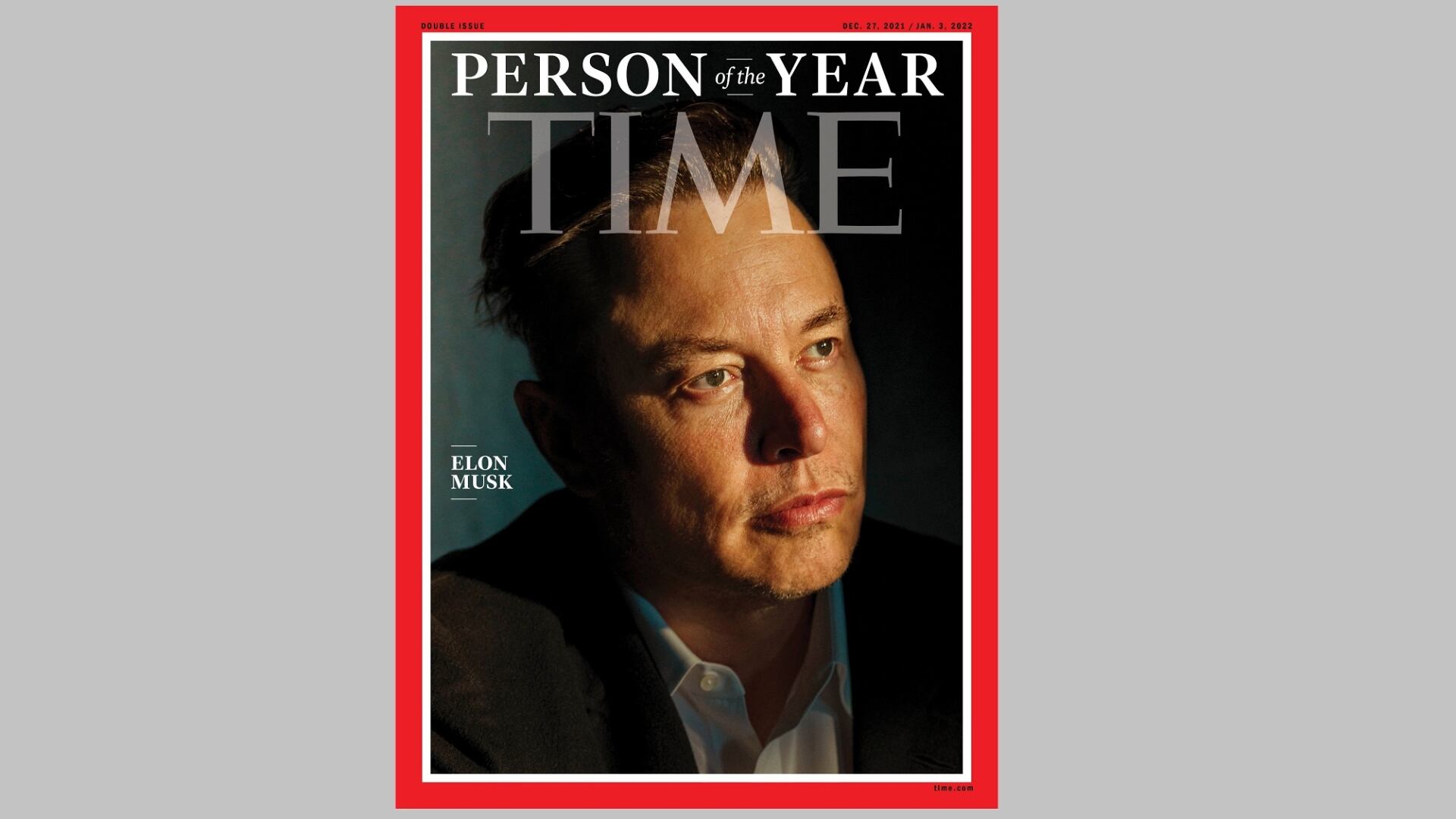
Time magazine has unveiled SpaceX and Tesla CEO Elon Musk as Person of the Year for 2021. Jeffrey Kluger, editor at large for Time, told Cheddar that Musk's impact on so many facets of forward-looking industries like crypto, solar power, electric vehicles, and especially his work on space travel were the reasons behind the selection. "On balance, Musk is performing on so many levels and in so many venues that it was hard not to consider him our Person of the Year," he said. Kluger also noted that the choice is based upon the influence the subject has had, whether good or bad and is not a judgment on its own.
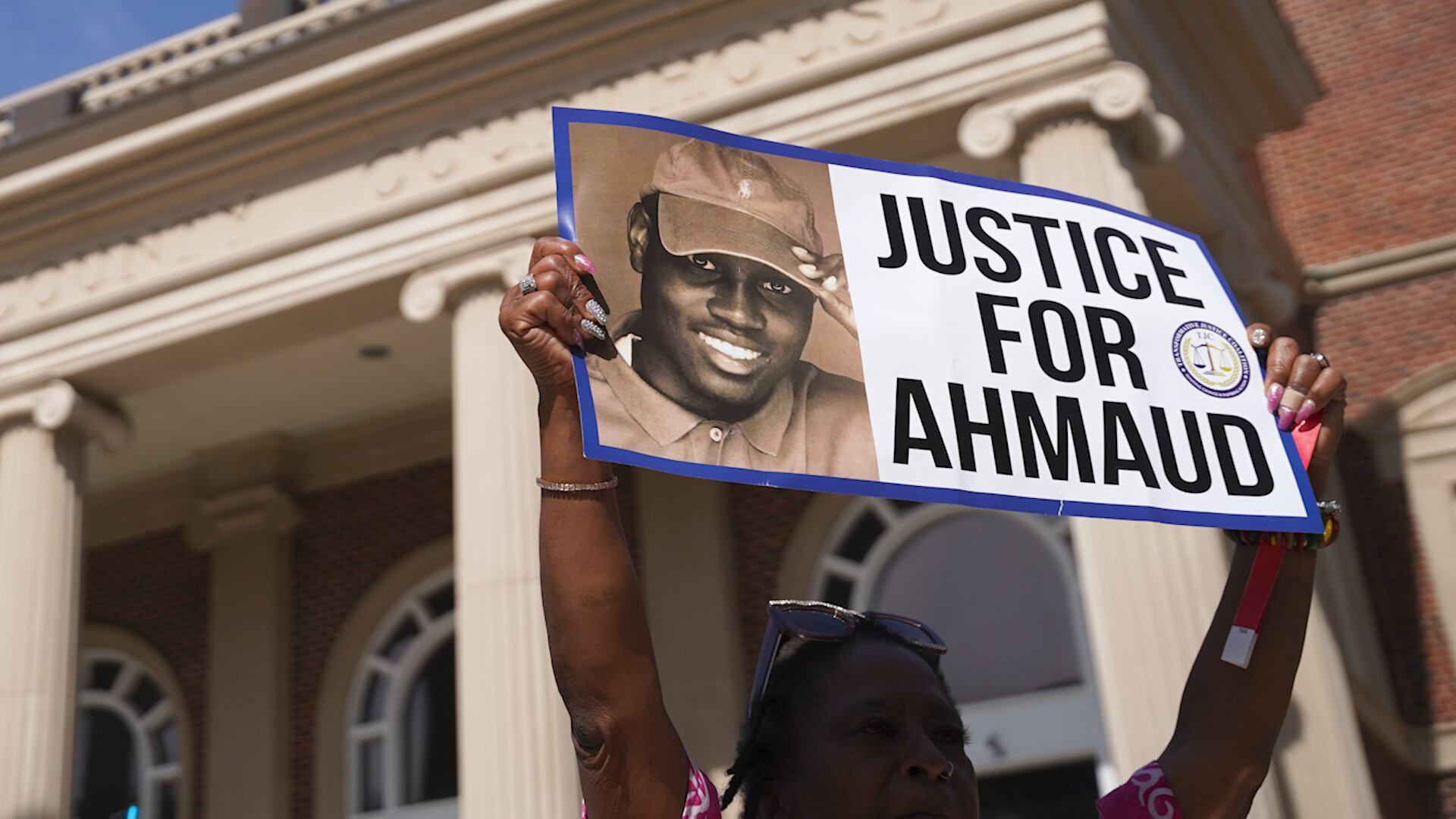
The recent verdicts of the Kyle Rittenhouse and Ahmaud Arbery murder trials have put a spotlight on the country's justice system. Experts have pointed to the explicit racial undertones in the high-profile trials, as well as the increased levels of stress that may be felt by communities of color because of the prevalence of these trials. Kailee Scales, CEO of Pencils of Promise and former first managing director of Black Lives Matter Global Network Foundation, joins Cheddar News to discuss.
Gold Medal ski racer Bode Miller and John Emery, CEO of Alpine-X, discuss the need to make snowsports more affordable and how the new facility in Virginia aims to diversify the sport to urban areas.