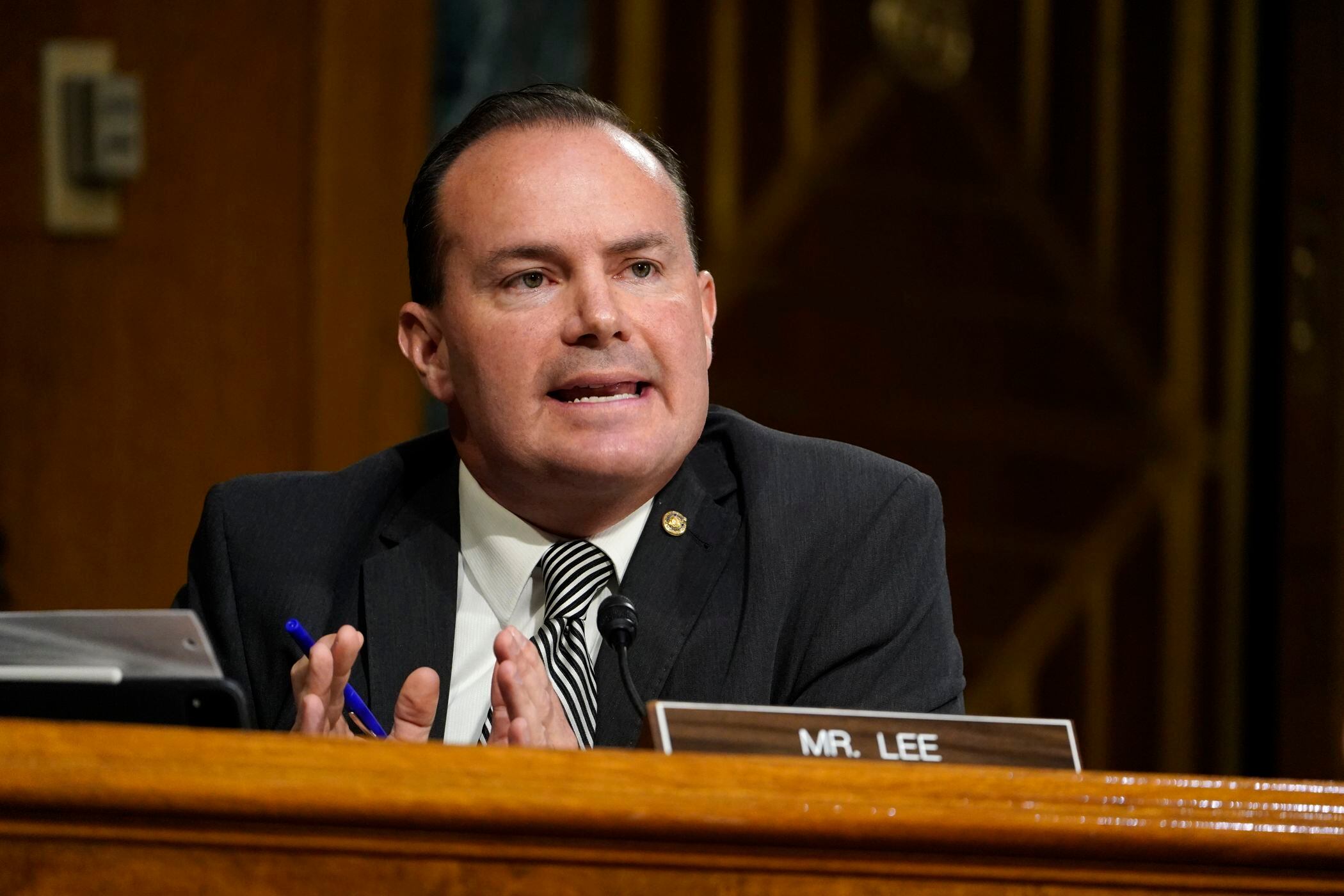
In this Nov. 10, 2020, file photo, Sen. Mike Lee, R-Utah, speaks during a Senate Judiciary Committee hearing on Capitol Hill in Washington. Lee objected Thursday, Dec. 10, to the creation of the two proposed Smithsonian museums to honor American Latinos and women, stalling two projects that have been in the making for decades and enjoy broad bipartisan support. (AP Photo/Susan Walsh, Pool, File)
By Mary Clare Jalonick
A lone senator from Utah has singlehandedly blocked the bipartisan approval of two new national museums to honor American Latinos and women, arguing that “last thing we need is to further divide an already divided nation.”
Republican Sen. Mike Lee objected Thursday to the creation of the two proposed Smithsonian museums, stalling two projects that have been in the making for decades and enjoy broad bipartisan support. Senate approval would have sent the legislation approving the Latino museum to President Donald Trump for his signature. The Senate was attempting to pass the measures by voice vote, which requires every senator's consent.
The dispute on the Senate floor came amid the impasse over a new coronavirus relief bill and highlighted the difficulty of achieving even widely supported goals in the polarized Congress. Lawmakers could still find a way to move forward on the creation of the museums, including by adding the bills to a must-pass spending package, but doing so could further complicate passage of that legislation.
Lee’s move came after his Republican colleagues had spoken in favor of the efforts. Texas Sen. John Cornyn, who authored the legislation to create the National Museum of the American Latino with New Jersey Sen. Bob Menendez, a Democrat, said just before Lee’s objection that it was an effort 25 years in the making.
“Many Americans simply aren’t aware of the vast contributions made by these men and women who have come before us, and one critical way we can right this wrong is by providing a home for their stories in the nation’s capital,” Cornyn said.
Objecting, Lee countered that point, saying the creation of museums that celebrate individual groups “weaponizes diversity.”
“Especially at the end of such a fraying, fracturing year, Congress should not splinter one of the national institutional cornerstones of our distinct national identity,” Lee said, adding that such national division “has turned our college campuses into grievance pageants and loosed Orwellian mobs to cancel anyone daring to express an original thought.”
Lee similarly objected to legislation by Sen. Susan Collins, R-Maine, to create a national women’s museum. Collins said it was a “sad moment” and that she had hoped the bills would move before the end of the year. She said she would not give up the fight.
“Surely, in a year where we are celebrating the 100th anniversary of women’s suffrage, this is the time, this is the moment,” Collins said.
Lee said he sees an exception for museums dedicated to American Indians and African Americans that already sit on the National Mall. He said those groups were “essentially written out of our national story and even had their own stories virtually erased” by the U.S. government, therefore it is “uniquely appropriate that the federal government provide the funding to recover and tell those communities’ specific stories today at dedicated museums in the specific context of having been so long excluded.”
Livid, Menendez pointed to a 1994 internal examination by the Smithsonian — the impetus for the effort to create the museum — that described “willful neglect” on the part of the institution toward Hispanic and Latino culture.
“We have been systematically excluded, not because this senator said so but because the Smithsonian itself said so,” Menendez said.
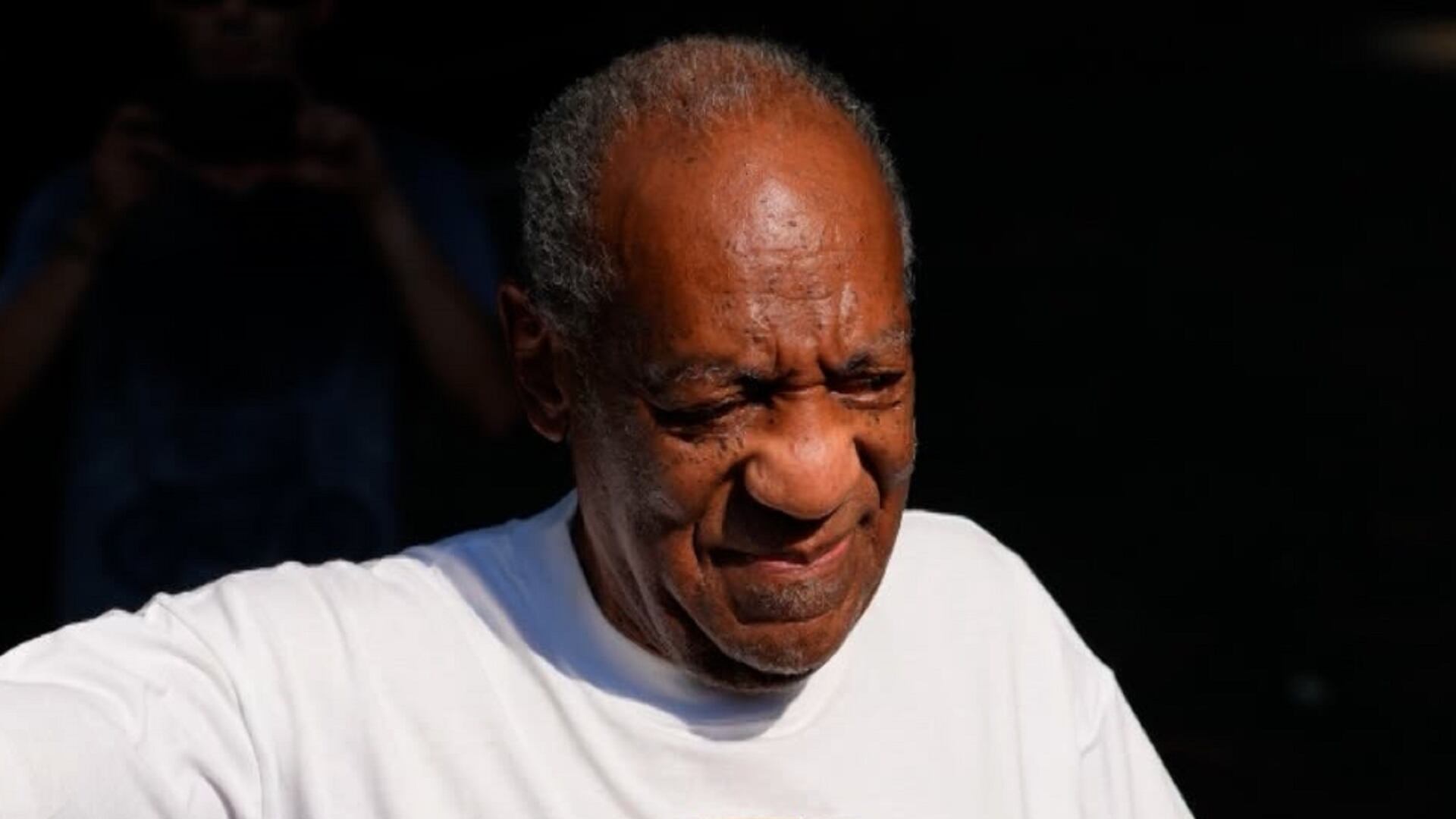
After premiering at the 2022 Sundance Festival, Showtime is slated to drop the four-part docuseries "We Need to Talk About Bill Cosby" this Sunday. Director W. Kamau Bell joined Cheddar to discuss the sensitive project and about coming to grips with the reality of who Bill Cosby is following the numerous allegations of sexual assault. Bell said the biggest takeaway from the project is that survivors are not only looking for the 84-year-old comedian to be held accountable, they also want to prevent future assaults. "Maybe the key thing to learn is how do we create a society that is more supportive and accepting particularly women in this case who are survivors of sexual assault," Bell said.
Tax season is now underway, and it's going to be a bit different than in years past. For starters, the deadline is April 18, instead of the typical April 15th, and many Americans will need to account for advance child tax credit payments, the return of the recovery rebate credit, and a special break for charitable contributions, among other things. Brent Weiss, Co-Founder and certified financial planner at Facet Wealth, tells us what we need to know about filing our taxes this year, and when we can expect to receive our returns.
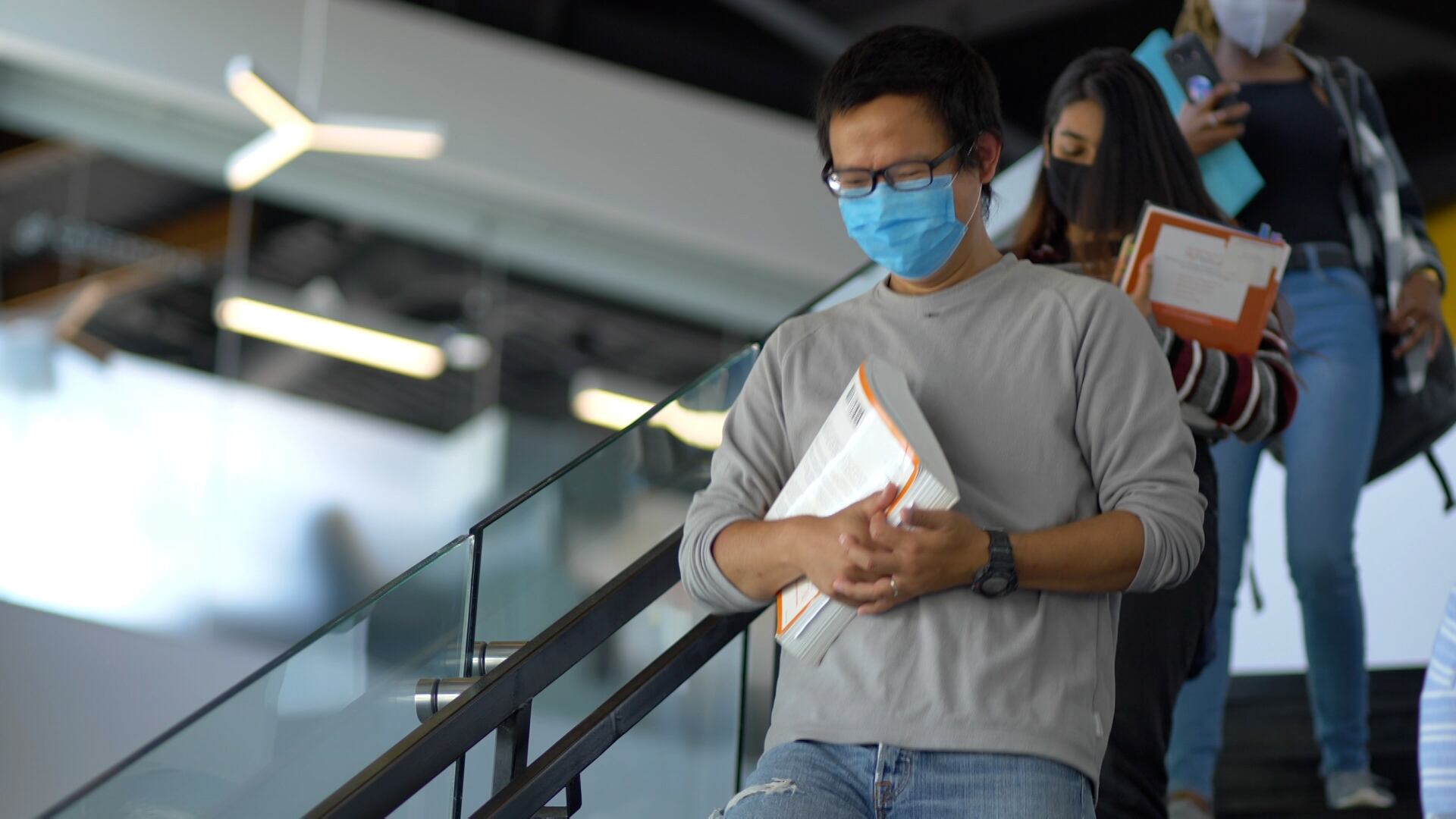
College enrollment has been on a steady decline for years, and the pandemic hasn't helped. Since the start of the pandemic, there has been a 6.6% — more than 1 million students — drop in undergraduate enrollment, according to a recent report. Douglas Belkin, higher education reporter at the Wall Street Journal, joined Cheddar to discuss the long-term implications of students sitting out of college, and what institutions can do about it.
As the midterm election looms, things aren't looking too promising for President Joe Biden. One year into his term as president, Biden is facing one of the lowest approval ratings of any modern-day president, threatening his party's control of the House in 2022. Brian Bennett, Senior White House Correspondent for TIME, joined Cheddar's Opening Bell to discuss.
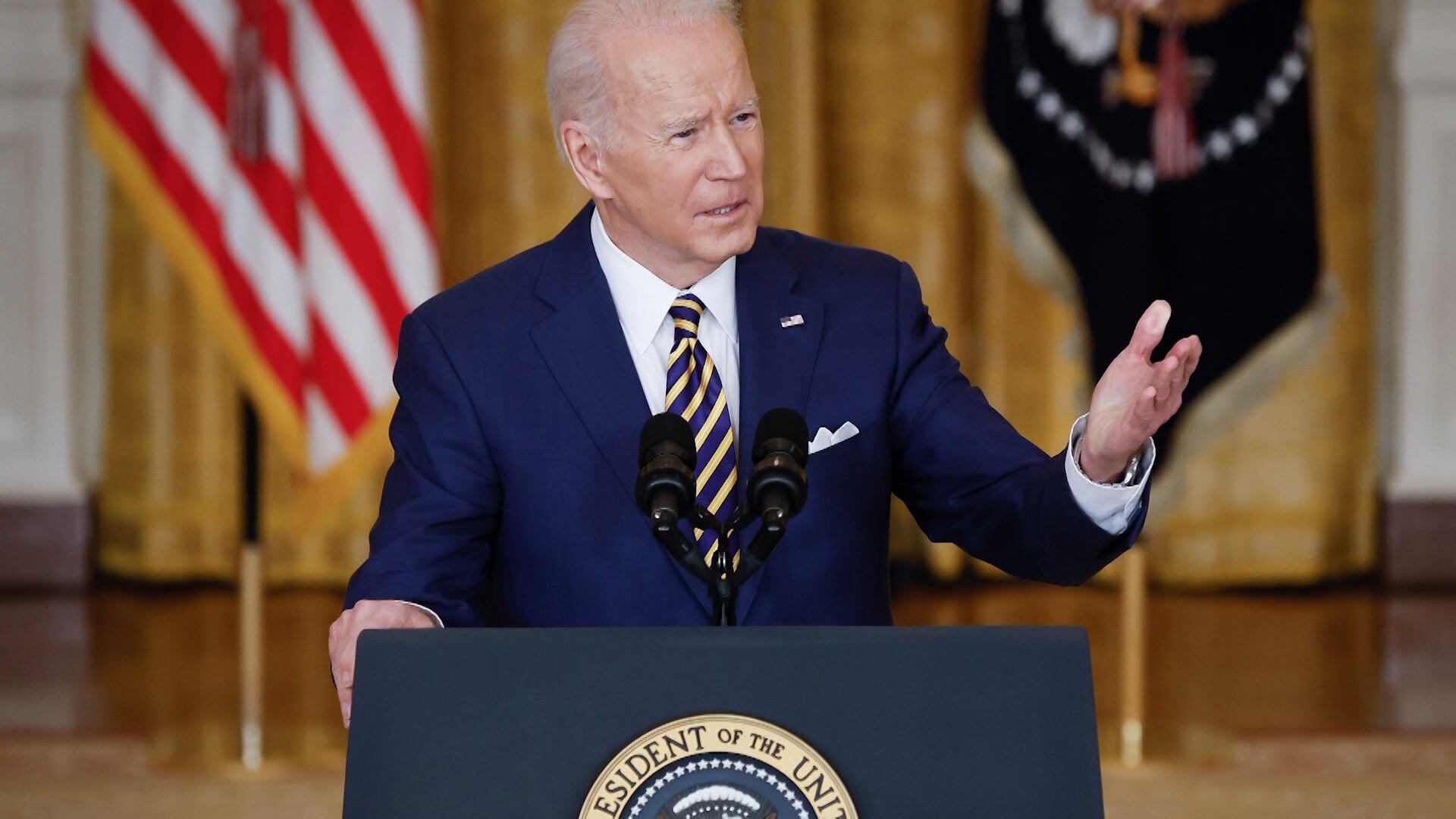
A full one year into his term as President of The United States, President Biden addressed the nation on Wednesday, facing questions on everything from inflation to chip shortages and covid-19. As Biden enters his second year in office, he is facing one of the lowest approval ratings of any modern-day president. Kate Davidson, Reporter, POLITICO joined Cheddar's Opening Bell to discuss.
San Diego has just implemented a new law that could set the stage for how the country deals with food waste. This new law hopes to make a dent in that. Businesses and groceries stores out in San Diego will need to put a plan in place to *donate edible food rather than toss it straight to the trash. Food Rescue Manager at Feeding San Diego, Kate Garret
The streaming giant Netflix posted its latest earnings from its fourth quarter after the close on Thursday. The company's stock plummeted shortly after the company warned that its rate of subscription additions are slowing down. Senior Reporter at MarketWatch Jon Swartz, joined Cheddar to discuss more.