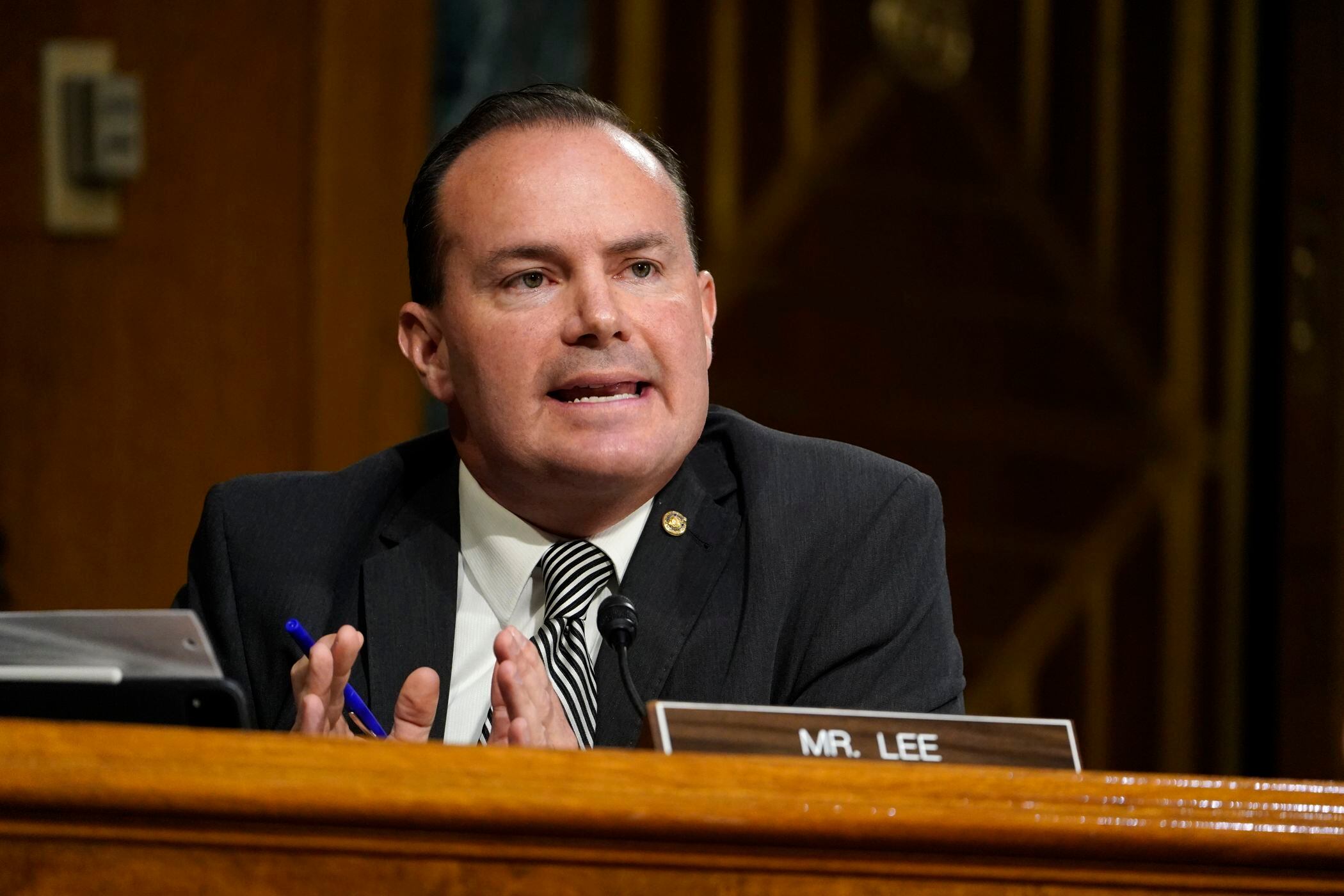
In this Nov. 10, 2020, file photo, Sen. Mike Lee, R-Utah, speaks during a Senate Judiciary Committee hearing on Capitol Hill in Washington. Lee objected Thursday, Dec. 10, to the creation of the two proposed Smithsonian museums to honor American Latinos and women, stalling two projects that have been in the making for decades and enjoy broad bipartisan support. (AP Photo/Susan Walsh, Pool, File)
By Mary Clare Jalonick
A lone senator from Utah has singlehandedly blocked the bipartisan approval of two new national museums to honor American Latinos and women, arguing that “last thing we need is to further divide an already divided nation.”
Republican Sen. Mike Lee objected Thursday to the creation of the two proposed Smithsonian museums, stalling two projects that have been in the making for decades and enjoy broad bipartisan support. Senate approval would have sent the legislation approving the Latino museum to President Donald Trump for his signature. The Senate was attempting to pass the measures by voice vote, which requires every senator's consent.
The dispute on the Senate floor came amid the impasse over a new coronavirus relief bill and highlighted the difficulty of achieving even widely supported goals in the polarized Congress. Lawmakers could still find a way to move forward on the creation of the museums, including by adding the bills to a must-pass spending package, but doing so could further complicate passage of that legislation.
Lee’s move came after his Republican colleagues had spoken in favor of the efforts. Texas Sen. John Cornyn, who authored the legislation to create the National Museum of the American Latino with New Jersey Sen. Bob Menendez, a Democrat, said just before Lee’s objection that it was an effort 25 years in the making.
“Many Americans simply aren’t aware of the vast contributions made by these men and women who have come before us, and one critical way we can right this wrong is by providing a home for their stories in the nation’s capital,” Cornyn said.
Objecting, Lee countered that point, saying the creation of museums that celebrate individual groups “weaponizes diversity.”
“Especially at the end of such a fraying, fracturing year, Congress should not splinter one of the national institutional cornerstones of our distinct national identity,” Lee said, adding that such national division “has turned our college campuses into grievance pageants and loosed Orwellian mobs to cancel anyone daring to express an original thought.”
Lee similarly objected to legislation by Sen. Susan Collins, R-Maine, to create a national women’s museum. Collins said it was a “sad moment” and that she had hoped the bills would move before the end of the year. She said she would not give up the fight.
“Surely, in a year where we are celebrating the 100th anniversary of women’s suffrage, this is the time, this is the moment,” Collins said.
Lee said he sees an exception for museums dedicated to American Indians and African Americans that already sit on the National Mall. He said those groups were “essentially written out of our national story and even had their own stories virtually erased” by the U.S. government, therefore it is “uniquely appropriate that the federal government provide the funding to recover and tell those communities’ specific stories today at dedicated museums in the specific context of having been so long excluded.”
Livid, Menendez pointed to a 1994 internal examination by the Smithsonian — the impetus for the effort to create the museum — that described “willful neglect” on the part of the institution toward Hispanic and Latino culture.
“We have been systematically excluded, not because this senator said so but because the Smithsonian itself said so,” Menendez said.
AT&T announced earlier today it is spinning off its media properties in WarnerMedia in a merger with Discovery in a $43 billion deal.Scott Rostan, founder and CEO at Training The Street, joined Cheddar to talk about what the unwinding of the telecom giant's Time Warner media properties means for investors. "I think the investor sentiment is they're digesting the new information, and they're looking into the dividend, especially the reduction of the dividend," said Rostan, noting the transaction allows AT&T to focus on its core telecommunications business.
A 2021 report from UK Research and Innovation found that the shipping industry makes up at least 2.5 percent of the world's total CO2 emissions. It's a problem that energy solutions company, Leclanché, is trying to solve. Founded in 1909, the company has been developing and producing batteries for more than 100 years. Today, Leclanché's lithium-ion battery is used to electrify not just ships, but also railroad locomotives, trucks, and specialty vehicles. Cheddar News spoke with Pierre Blanc, chief technology and industrial officer of Leclanché, to discuss.
Amazon is betting that ammonia could be the fuel of the future, participating in a Series A round for the Brooklyn-based company Amogy in December. Amogy aims to de-carbonize transportation with a clean energy system that uses ammonia as a renewable fuel. Amogy is partnering with Amazon on its first commercial product - an ammonia-powered cargo-shipping vessel. Amogy CEO Seonghoon Woo joins Cheddar Climate to discuss.
One of the world's largest transport companies is kicking off Black History Month with a new initiative aimed at the next generation of business leaders. Today, FedEx announced the launch of its Student Ambassador Program. Participants selected from eight historically black colleges and universities will receive career guidance from FedEx executives. The program is part of FedEx's ongoing commitment to HBCUs and will also help the company expand its pipeline for diverse talent. Cheddar News welcomes senior vice president at FedEx, Jenny Robertson, and Jerryl Briggs, President of Mississippi Valley State University, to discuss.
"Sing 2" has overthrown "Spider-Man: No Way Home" as the number one film at the UK box office. The animated sequel brought in $8.1 million, in just its two first weekends. However, "No Way Home" is still on track to beat "Avatar" as the number one grossing movie of all time.
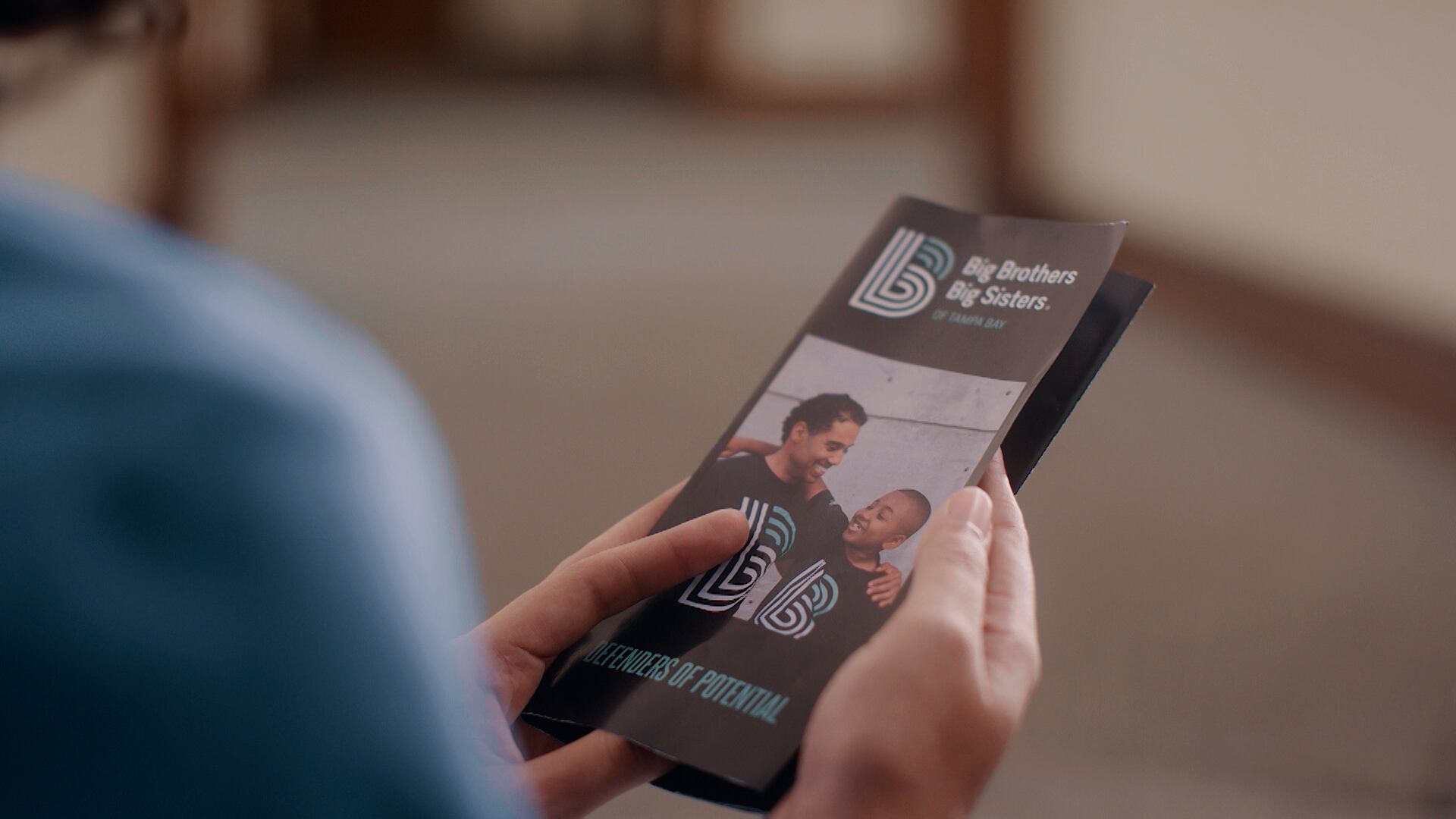
Big Brothers Big Sisters of America has been a driving force for youth mentorship since 1904. The nonprofit organization is launching its annual Big Draft campaign this month in partnership with the NFL, and Artis Stevens, the first Black CEO of Big Brothers Big Sisters of America, joined Cheddar to discuss the push for adding more "Bigs" as mentors on his one-year anniversary leading the non-profit organization. "While the NFL is recruiting and drafting more players, they're also helping us to draft more mentors and, particularly, men all the way from across February to all the way to April of this year," Stevens explained.
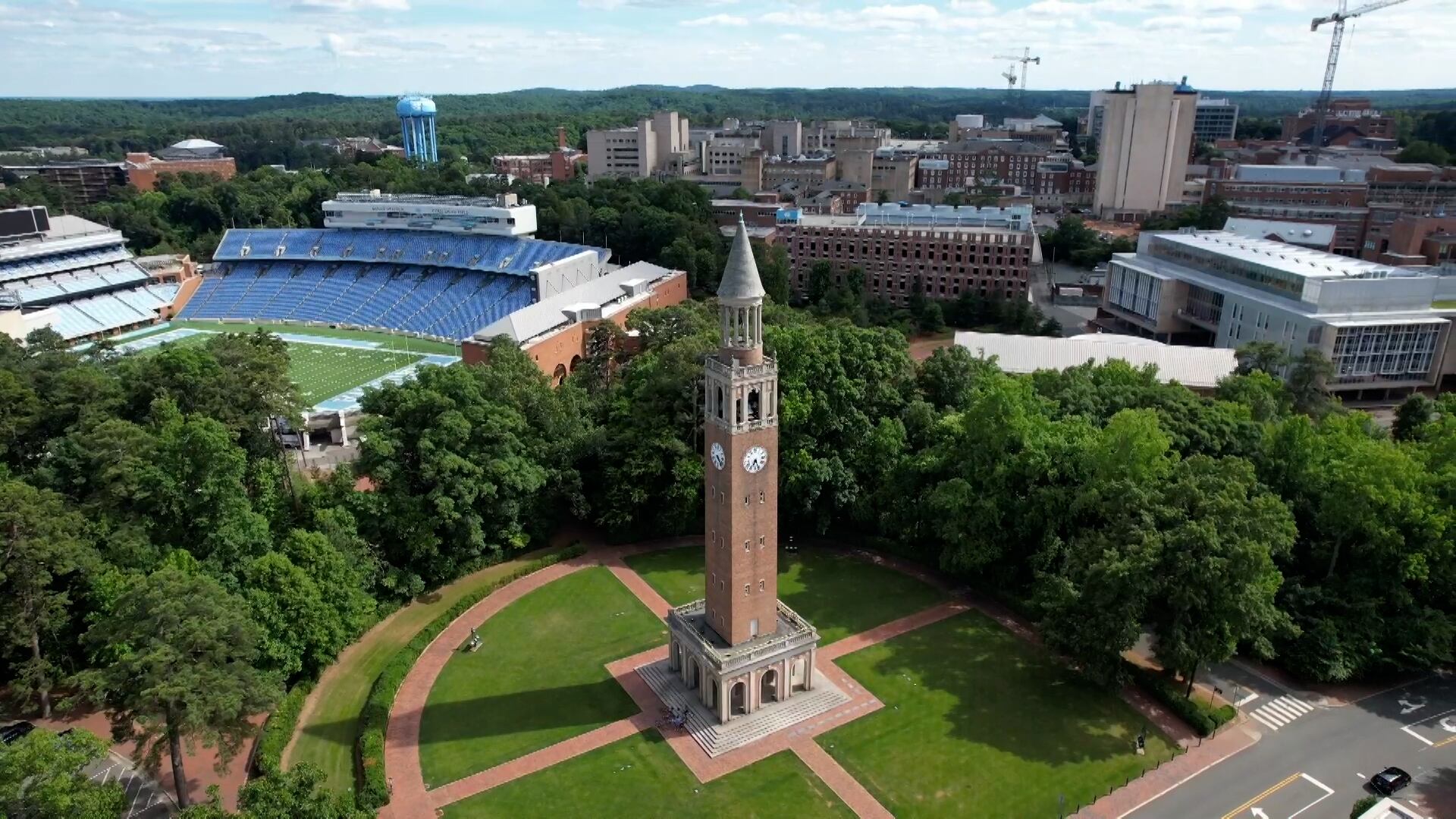
The Supreme Court will reconsider race-based affirmative action in college admissions. The court will examine admissions policies at Harvard University and The University of North Carolina Chapel Hill, which count the race of applicants as a factor in admissions. The court has upheld affirmative action policies in the past, saying it helps to create more diverse student bodies. However, the conservative Supreme Court could be skeptical and even possibly hostile to such policies. Nick Anderson, Higher Education Writer, Washington Post joined Cheddar's Opening Bell to discuss.
The value of most cryptocurrencies have plummeted in recent months since reaching all-time highs in November, wiping out more than $1 trillion in value globally. The steep crash has some talking about the possibility of a crypto winter, a term referring to a prolonged bearish period where asset prices persistently fall over many months. This all comes as the Fed is expected to raise interest rates, and the Biden administration is working on an executive order to regulate Bitcoin and other assets. Josh Goodbody, COO of Qredo, joined Cheddar's Opening Bell to discuss the crypto crash, and how the industry might recover from it.
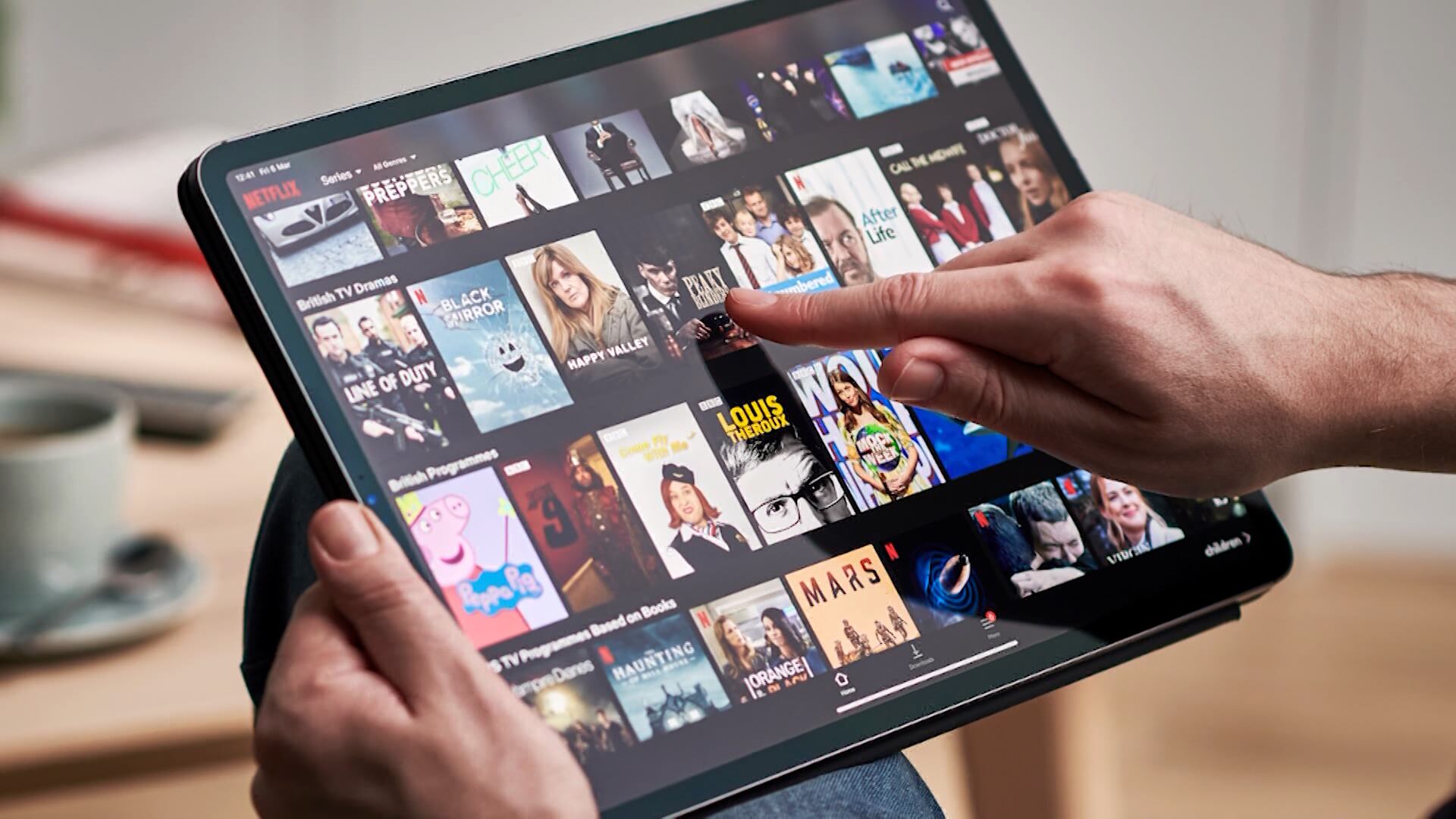
Recent data reveals that streaming giants are struggling to retain subscribers in the months following a major release.
According to data from Antenna, subscriber trends show that users will subscribe to a given streaming service just to watch a particular show, and then cancel those subscriptions shortly after. This comes as the streaming space continues to heat up as new entrants crowd the space. Jon Christian, Founding Partner + Digital Supply Chain Leader at OnPrem joined Cheddar's Opening Bell to discuss.