By Mary Clare Jalonick
A lone senator from Utah has singlehandedly blocked the bipartisan approval of two new national museums to honor American Latinos and women, arguing that “last thing we need is to further divide an already divided nation.”
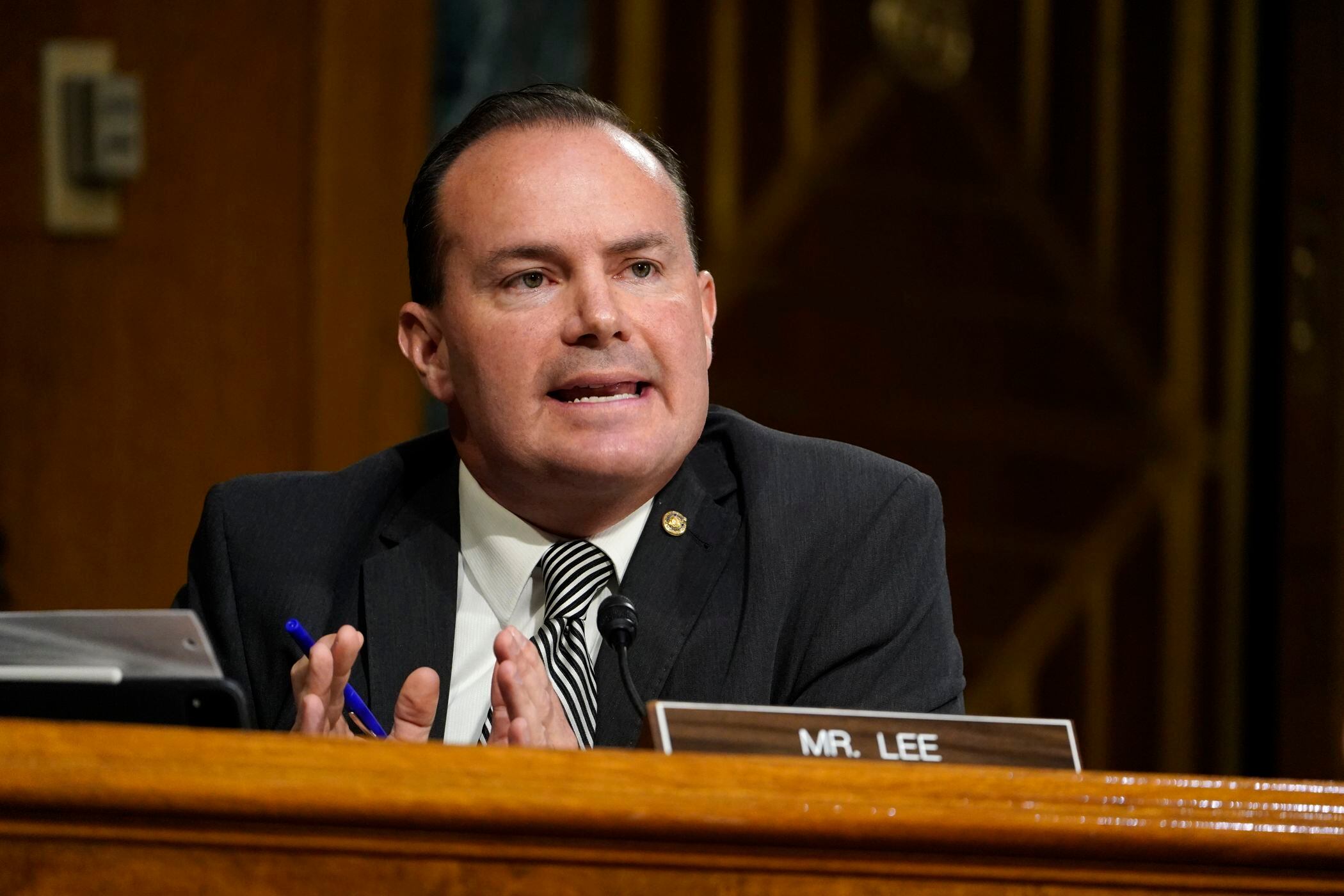
Republican Sen. Mike Lee objected Thursday to the creation of the two proposed Smithsonian museums, stalling two projects that have been in the making for decades and enjoy broad bipartisan support. Senate approval would have sent the legislation approving the Latino museum to President Donald Trump for his signature. The Senate was attempting to pass the measures by voice vote, which requires every senator's consent.
The dispute on the Senate floor came amid the impasse over a new coronavirus relief bill and highlighted the difficulty of achieving even widely supported goals in the polarized Congress. Lawmakers could still find a way to move forward on the creation of the museums, including by adding the bills to a must-pass spending package, but doing so could further complicate passage of that legislation.
Lee’s move came after his Republican colleagues had spoken in favor of the efforts. Texas Sen. John Cornyn, who authored the legislation to create the National Museum of the American Latino with New Jersey Sen. Bob Menendez, a Democrat, said just before Lee’s objection that it was an effort 25 years in the making.
“Many Americans simply aren’t aware of the vast contributions made by these men and women who have come before us, and one critical way we can right this wrong is by providing a home for their stories in the nation’s capital,” Cornyn said.
Objecting, Lee countered that point, saying the creation of museums that celebrate individual groups “weaponizes diversity.”
“Especially at the end of such a fraying, fracturing year, Congress should not splinter one of the national institutional cornerstones of our distinct national identity,” Lee said, adding that such national division “has turned our college campuses into grievance pageants and loosed Orwellian mobs to cancel anyone daring to express an original thought.”
Lee similarly objected to legislation by Sen. Susan Collins, R-Maine, to create a national women’s museum. Collins said it was a “sad moment” and that she had hoped the bills would move before the end of the year. She said she would not give up the fight.
“Surely, in a year where we are celebrating the 100th anniversary of women’s suffrage, this is the time, this is the moment,” Collins said.
Lee said he sees an exception for museums dedicated to American Indians and African Americans that already sit on the National Mall. He said those groups were “essentially written out of our national story and even had their own stories virtually erased” by the U.S. government, therefore it is “uniquely appropriate that the federal government provide the funding to recover and tell those communities’ specific stories today at dedicated museums in the specific context of having been so long excluded.”
Livid, Menendez pointed to a 1994 internal examination by the Smithsonian — the impetus for the effort to create the museum — that described “willful neglect” on the part of the institution toward Hispanic and Latino culture.
“We have been systematically excluded, not because this senator said so but because the Smithsonian itself said so,” Menendez said.