Utah GOP Senator Defends Modified Cannabis Bill for Creating 'More Guardrails'
*By Chloe Aiello*
Medical marijuana is now legal in Utah, but not exactly in the form voters intended. Shortly after the medical marijuana initiative, Proposition 2, was scheduled to go into effect, the Utah state House and Senate swooped in and replaced it with a new law.
Wayne Niederhauser, a Republican senator for Utah's 9th district, defended the move on Wednesday, and told Cheddar the new law, "The Utah Medical Cannabis Act," ensures "medical marijuana and not de-facto recreational" is the law of the Beehive State.
"We wanted to create some more guardrails. We want to get medical marijuana to everyone that needs it, but we also have 600,000 plus children in this state, and we want to make sure those children are protected as much as possible from getting a controlled substance," Niederhauser said.
"The Utah Medical Cannabis Act" that Gov. Gary Herbert signed into law on Monday differs in some significant ways from Proposition 2. The bill reduces the permitted number of privately-run dispensaries for the state, Niederhauser said ー supplementing them instead with state-run distribution through health departments. Cannabis "flower" is still allowed, but only in one-gram increments, and edibles are mostly illegal, except for gummy cubes, according to the [Salt Lake Tribune](https://www.sltrib.com/news/politics/2018/12/03/utah-house-passes-medical/). It also tweaks the list of conditions that qualify for treatment.
Niederhauser said, "there's really not a lot of difference," between Prop 2 and the new bill, but cannabis advocacy group Marijuana Policy Project disagreed.
“This bill is undoubtedly inferior to the law enacted by voters in November. However, Proposition 2 would very likely have been defeated without the compromise deal, which prevented an onslaught of opposition spending. Advocates made the responsible decision to negotiate with opponents and ensure that patients were not left without any access to medical cannabis," MPP's Matthew Schweich [said in a statement](https://www.mpp.org/news/press/utah-legislature-passes-compromise-medical-marijuana-law/) after the new bill passed.
"The Utah Medical Cannabis Act" was a collaboration between lawmakers and medical marijuana proponents that "came to fruition" about 45 days before the midterms, Niederhauser said, adding that whether or not Prop 2 passed, the medical law would have been enacted. The new program is expected to be running by 2020.
As to whether the new law will lead to recreational legalization, Niederhauser said he hopes not.
"As far as I'm concerned, I hope we never even get close to recreational use," he said.
For full interview [click here](https://cheddar.com/videos/recreational-marijuana-shouldnt-be-legal-in-utah-according-to-state-senate-president).
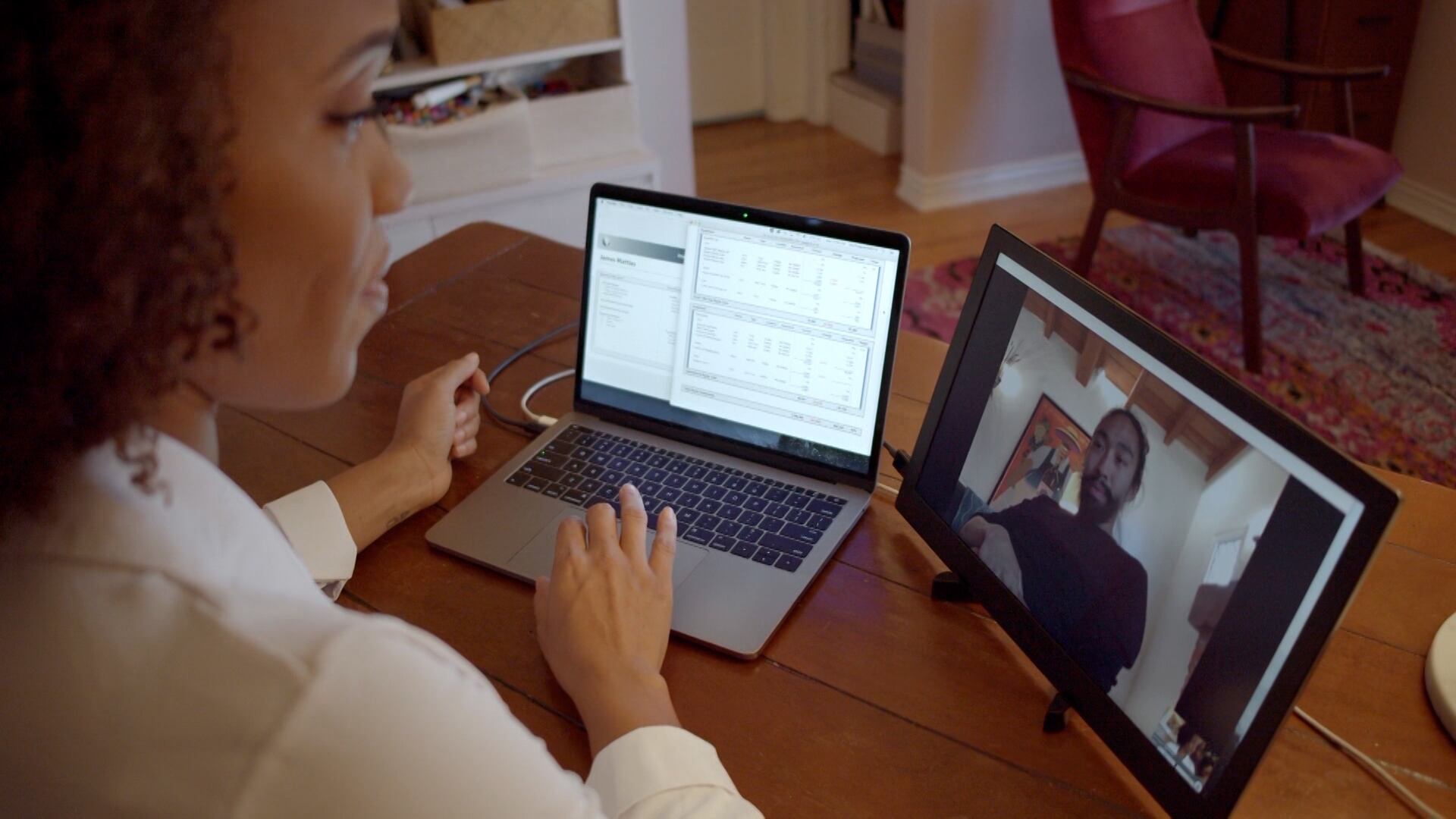
The workforce is incredibly different from what it was just two years ago. Ginnie Carlier, Vice Chair of Talent at EY Americas, joins Cheddar News to discuss the evolving role of the employer, and ways leaders can increase job satisfaction in this current environment.
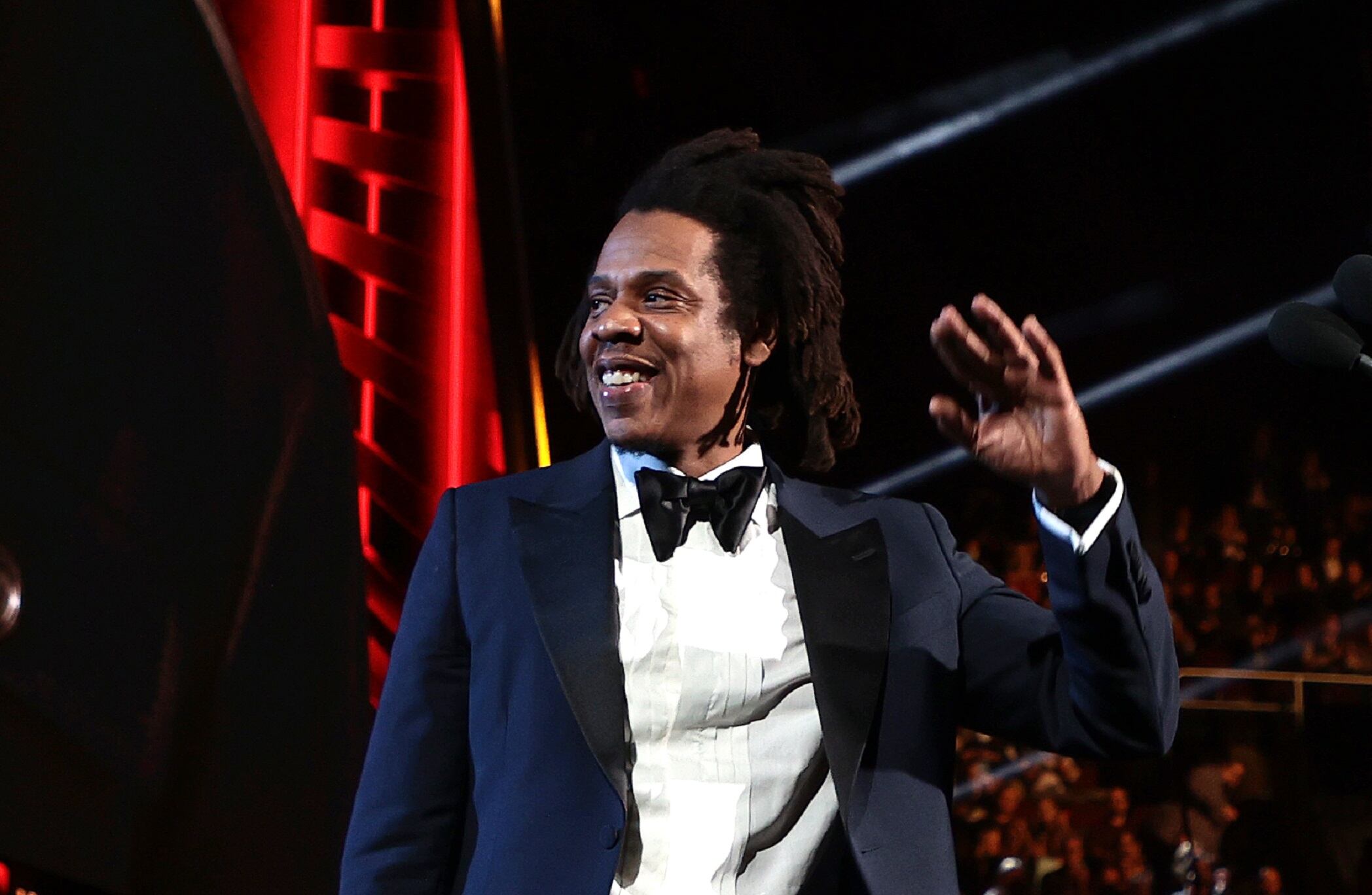
As we celebrate Black History Month, Cheddar is highlighting prominent Black Americans who are carving their own historic paths and trailblazing in their fields. Today we feature rap icon and entrepreneur, Jay-Z.
Cann, a cannabis-infused beverage company, announced today a $27 million Series A funding round from existing investors like Imaginary Ventures and a roster of new celebrity investors including Nina Dobrev, Adam Devine, Zoey Deutch, Jordan Cooper, Sara Foster, and Rosario Dawson. Cann is also announcing its first international expansion with the brand's launch in Canada. Jake Bullock, co-founder and CEO of Cann, joins Cheddar News' Closing Bell to discuss.
Soul Machines is a company that creates autonomously animated digital people in the metaverse and the digital worlds of today. The startup based in New Zealand recently raised the equivalent of $70 million USD, in a funding round led by Softbank's Vision Fund 2. Soul Machines says it helps to bring digital workforces to life for some of the biggest brands in the world, and creates digital twins of celebrities to reimagine the future of digital entertainment. Greg Cross, co-founder and CBO of Soul Machines, joins Cheddar News' Closing Bell to discuss.
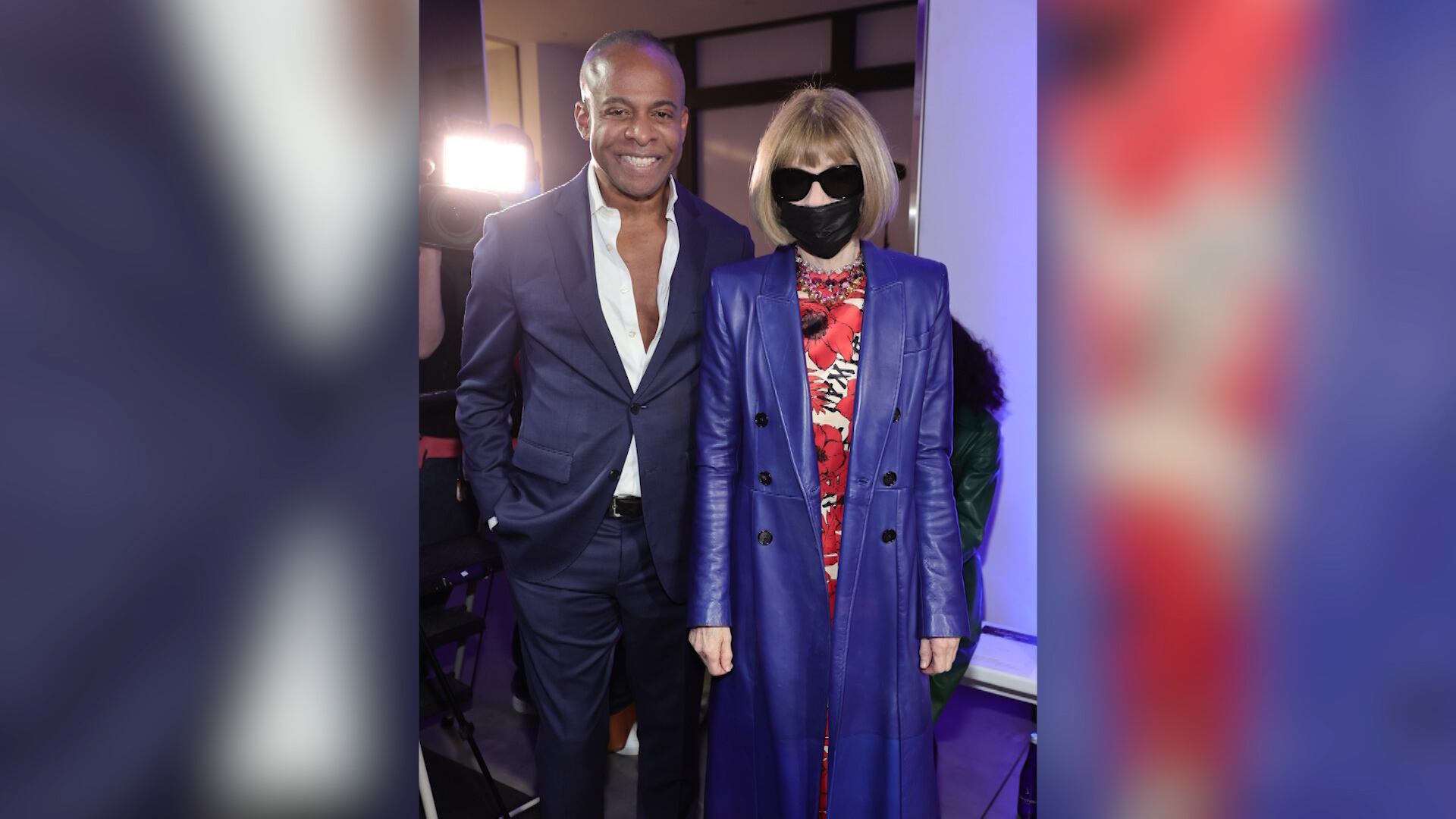
One in eight men in the U.S. will have prostate cancer during their lifetime, and the disease is almost 73% higher in black men than white men. The sixth annual Blue Jacket Fashion Show benefited non-profit advocacy group 'Zero - The End of Prostate Cancer' and its efforts to raise awareness and funding to support prostate cancer patients. Reginald Tucker-Seeley, vice president of health equity at Zero, joined Cheddar News to discuss.
The end of 3G is upon us. On Tuesday, AT&T became the first major provider to disable its 3G services, and T-Mobile and Verizon plan to follow suit later this year. The shutdowns are expected to impact millions of vehicles that use 3G networks for updates, remote connection, and certain emergency and convenience features. Lance Ulanoff, the U.S. Editor-in-Chief of TechRadar, joined Cheddar's Closing Bell to discuss the ramifications of the changeover.
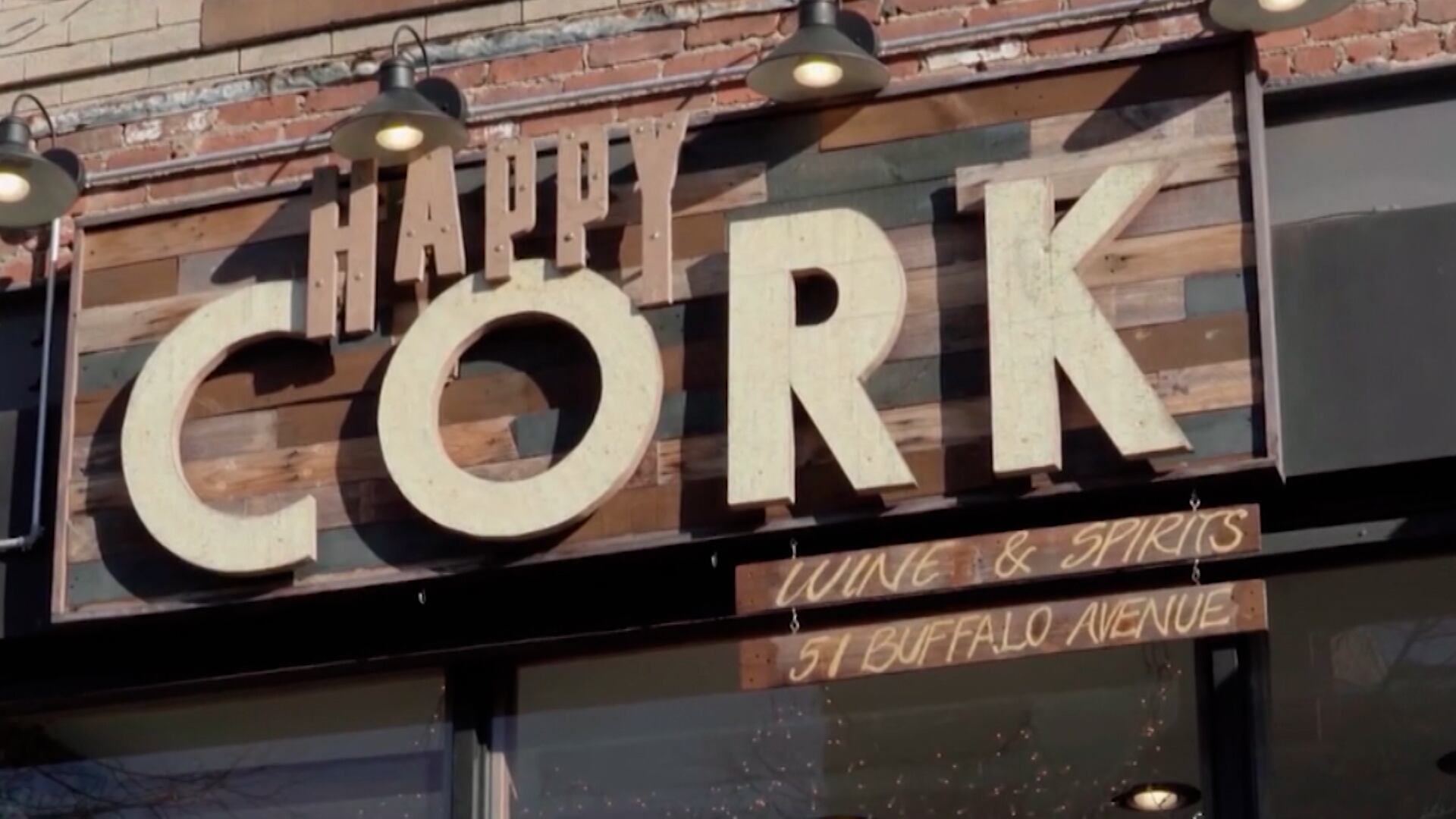
Sunshine Foss, co-founder of Happy Cork, joins Cheddar News to discuss her Brooklyn business providing black-owned liquor brands a space in the community.
Smart data capture company Scandit recently announced a $150 million Series D funding round led by Warburg Pincus, propelling the company to unicorn status with a valuation of more than $1 billion. Scandit develops augmented reality and mobile computer vision technologies that tap into the cameras on smart devices. The startup's platform can be used to interact with retail items and have a more personalized experience while shopping. Scandit says its technology is also being used by industries like transportation, healthcare, and manufacturing. Samuel Mueller, co-founder and CEO of Scandit, joins Cheddar News' Closing Bell to discuss.