Utah GOP Senator Defends Modified Cannabis Bill for Creating 'More Guardrails'
*By Chloe Aiello*
Medical marijuana is now legal in Utah, but not exactly in the form voters intended. Shortly after the medical marijuana initiative, Proposition 2, was scheduled to go into effect, the Utah state House and Senate swooped in and replaced it with a new law.
Wayne Niederhauser, a Republican senator for Utah's 9th district, defended the move on Wednesday, and told Cheddar the new law, "The Utah Medical Cannabis Act," ensures "medical marijuana and not de-facto recreational" is the law of the Beehive State.
"We wanted to create some more guardrails. We want to get medical marijuana to everyone that needs it, but we also have 600,000 plus children in this state, and we want to make sure those children are protected as much as possible from getting a controlled substance," Niederhauser said.
"The Utah Medical Cannabis Act" that Gov. Gary Herbert signed into law on Monday differs in some significant ways from Proposition 2. The bill reduces the permitted number of privately-run dispensaries for the state, Niederhauser said ー supplementing them instead with state-run distribution through health departments. Cannabis "flower" is still allowed, but only in one-gram increments, and edibles are mostly illegal, except for gummy cubes, according to the [Salt Lake Tribune](https://www.sltrib.com/news/politics/2018/12/03/utah-house-passes-medical/). It also tweaks the list of conditions that qualify for treatment.
Niederhauser said, "there's really not a lot of difference," between Prop 2 and the new bill, but cannabis advocacy group Marijuana Policy Project disagreed.
“This bill is undoubtedly inferior to the law enacted by voters in November. However, Proposition 2 would very likely have been defeated without the compromise deal, which prevented an onslaught of opposition spending. Advocates made the responsible decision to negotiate with opponents and ensure that patients were not left without any access to medical cannabis," MPP's Matthew Schweich [said in a statement](https://www.mpp.org/news/press/utah-legislature-passes-compromise-medical-marijuana-law/) after the new bill passed.
"The Utah Medical Cannabis Act" was a collaboration between lawmakers and medical marijuana proponents that "came to fruition" about 45 days before the midterms, Niederhauser said, adding that whether or not Prop 2 passed, the medical law would have been enacted. The new program is expected to be running by 2020.
As to whether the new law will lead to recreational legalization, Niederhauser said he hopes not.
"As far as I'm concerned, I hope we never even get close to recreational use," he said.
For full interview [click here](https://cheddar.com/videos/recreational-marijuana-shouldnt-be-legal-in-utah-according-to-state-senate-president).
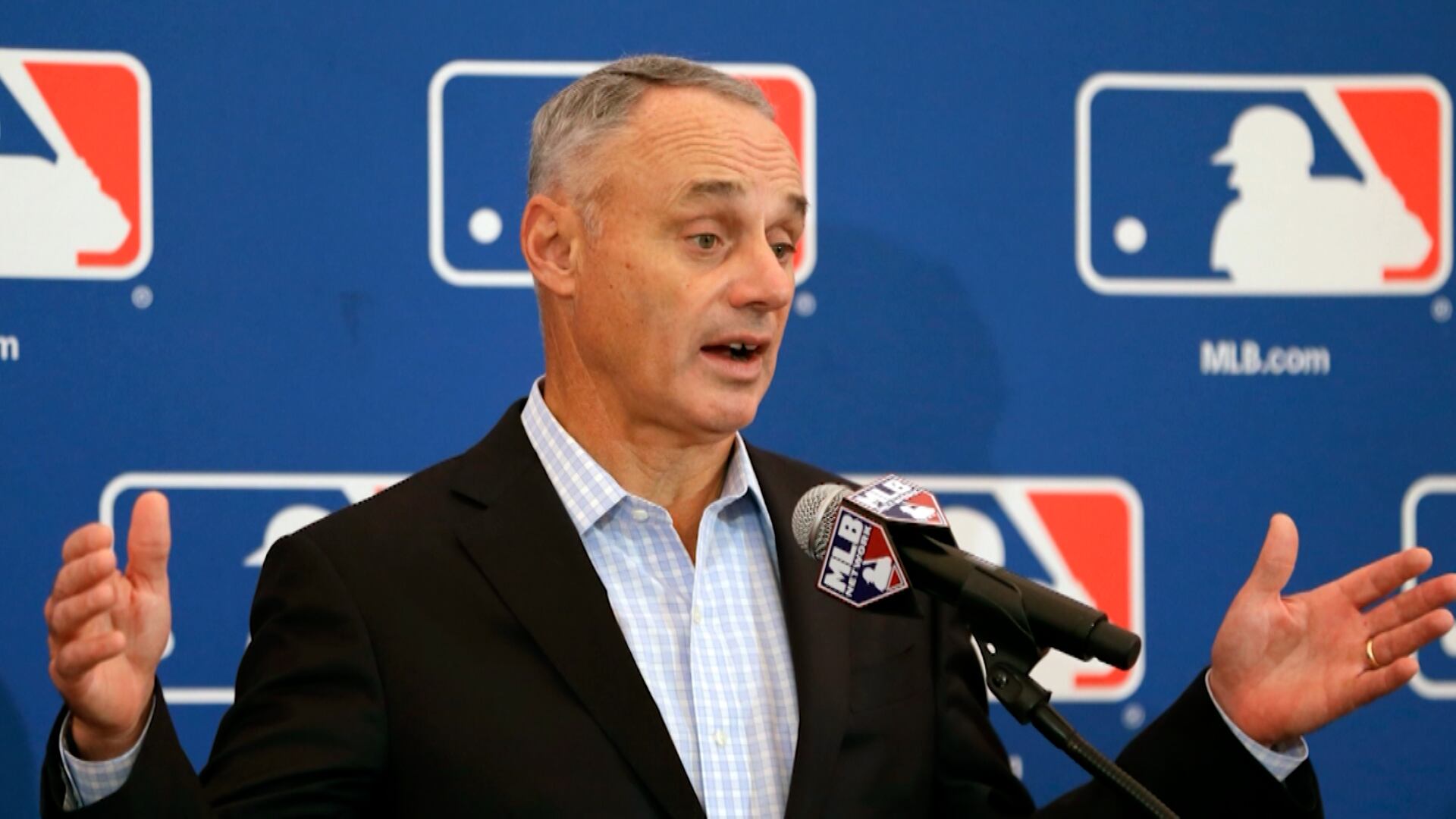
It has now been two days since Major League Baseball moved to cancel opening day games for the upcoming season. The announcement from MLB commissioner Rob Manfred came during the league's ongoing work stoppage, just the ninth in MLB history. Owners voted unanimously on December 2, 2021 to enact a lockout after the collective bargaining agreement between the league and players expired. On March 1, 2022, following over a week of daily negotiations between the two sides, and three months of on and off negotiations, the league officially canceled the first two series of the regular season. Gabe Lacques, MLB reporter and baseball editor for USA Today Sports, joins Cheddar News' Closing Bell to discuss.
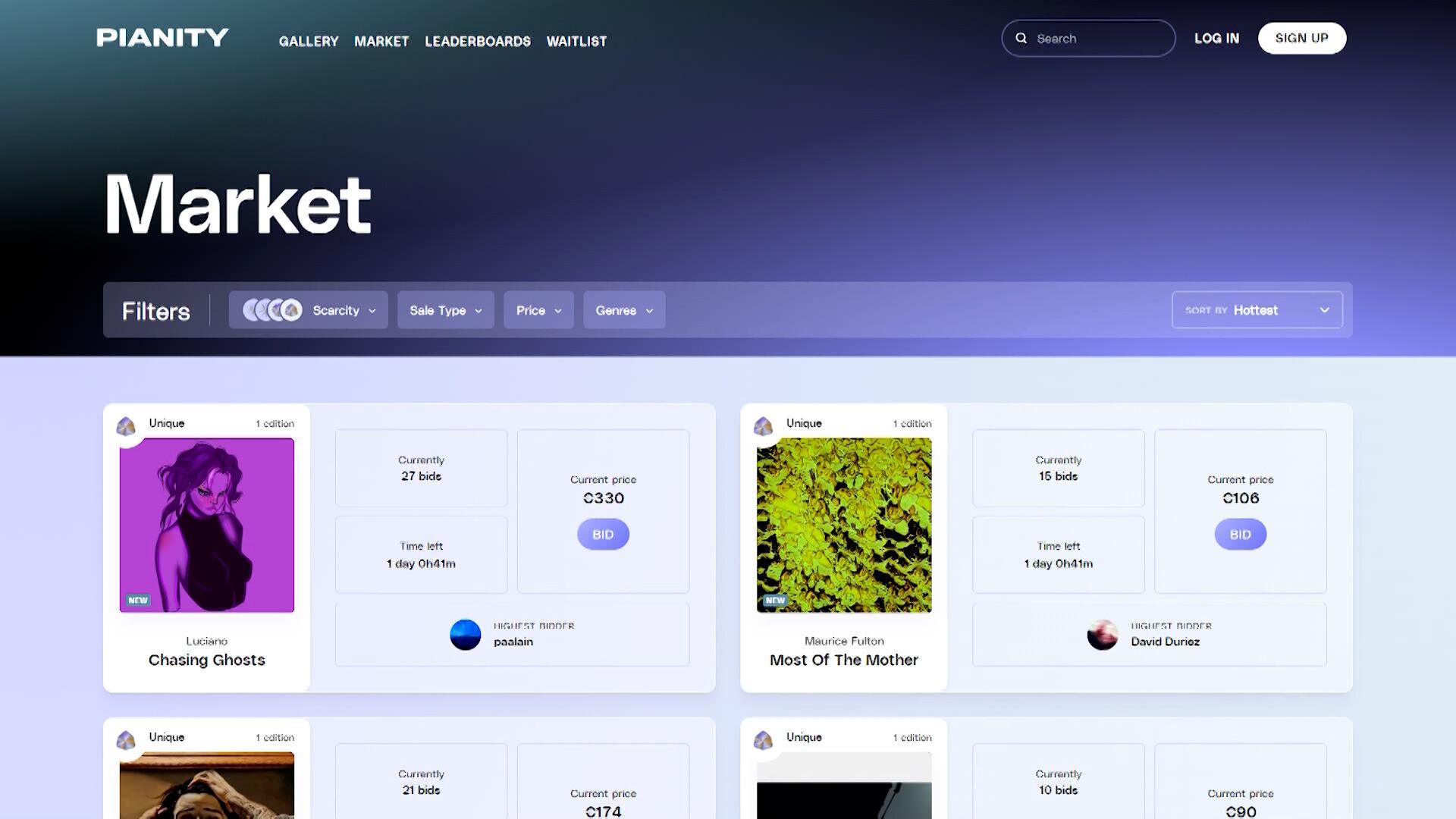
Music-focused NFT platform Pianity raising $6.5 million in a seed funding round. Pianity has developed a marketplace that allows musicians to sell their tracks as limited edition NFTs. Since its launch last year, the company says it has already sold 11,000 NFTs and artists have earned over $1.1 million from NFT sales. Kevin Primicerio, co-founder and CEO of Pianity, joins Cheddar News' Closing Bell to discuss.
Russia seizes a major Ukraine nuclear power plant, students protest Florida's "Don't Say Gay" bill, and it's official: nobody really expects Pop-Tarts to have real strawberries. Here is all the news you Need2Know for Friday, March 4, 2022.
The United Nations High Commissioner for Refugees (UNHCR) has reported that an estimated one million people have fled from Ukraine since Russia invaded. Christopher Boian, senior communications officer at UNHCR, joined Cheddar News to report on the current refugee crisis and what the world might expect if conditions continue to worsen. "We have planning figures that forecast as many as four million people could be forced to flee Ukraine," he said. "But that very much depends on how the conflict underway in that country at the moment unfolds in the days and possibly weeks ahead."
Christian Blauvelt, executive managing editor at IndieWire, joins Cheddar News to discuss the growing number of studios pulling content from Russia over Ukraine invasion.
Caroline Hickman, lecturer at University of Bath and psychosocial researcher on climate change, joins Cheddar News to discuss climate change's impact on mental health.
Alexandre Mongeon, the CEO and co-founder of Vision Marine Technologies, joins Cheddar Innovates to discuss the latest innovations in the e-boating industry, and how fully electric motors and boats will play a role in the fight against the climate crisis.