Utah GOP Senator Defends Modified Cannabis Bill for Creating 'More Guardrails'
*By Chloe Aiello*
Medical marijuana is now legal in Utah, but not exactly in the form voters intended. Shortly after the medical marijuana initiative, Proposition 2, was scheduled to go into effect, the Utah state House and Senate swooped in and replaced it with a new law.
Wayne Niederhauser, a Republican senator for Utah's 9th district, defended the move on Wednesday, and told Cheddar the new law, "The Utah Medical Cannabis Act," ensures "medical marijuana and not de-facto recreational" is the law of the Beehive State.
"We wanted to create some more guardrails. We want to get medical marijuana to everyone that needs it, but we also have 600,000 plus children in this state, and we want to make sure those children are protected as much as possible from getting a controlled substance," Niederhauser said.
"The Utah Medical Cannabis Act" that Gov. Gary Herbert signed into law on Monday differs in some significant ways from Proposition 2. The bill reduces the permitted number of privately-run dispensaries for the state, Niederhauser said ー supplementing them instead with state-run distribution through health departments. Cannabis "flower" is still allowed, but only in one-gram increments, and edibles are mostly illegal, except for gummy cubes, according to the [Salt Lake Tribune](https://www.sltrib.com/news/politics/2018/12/03/utah-house-passes-medical/). It also tweaks the list of conditions that qualify for treatment.
Niederhauser said, "there's really not a lot of difference," between Prop 2 and the new bill, but cannabis advocacy group Marijuana Policy Project disagreed.
“This bill is undoubtedly inferior to the law enacted by voters in November. However, Proposition 2 would very likely have been defeated without the compromise deal, which prevented an onslaught of opposition spending. Advocates made the responsible decision to negotiate with opponents and ensure that patients were not left without any access to medical cannabis," MPP's Matthew Schweich [said in a statement](https://www.mpp.org/news/press/utah-legislature-passes-compromise-medical-marijuana-law/) after the new bill passed.
"The Utah Medical Cannabis Act" was a collaboration between lawmakers and medical marijuana proponents that "came to fruition" about 45 days before the midterms, Niederhauser said, adding that whether or not Prop 2 passed, the medical law would have been enacted. The new program is expected to be running by 2020.
As to whether the new law will lead to recreational legalization, Niederhauser said he hopes not.
"As far as I'm concerned, I hope we never even get close to recreational use," he said.
For full interview [click here](https://cheddar.com/videos/recreational-marijuana-shouldnt-be-legal-in-utah-according-to-state-senate-president).
Emmanuel Macron staves off the far right challenger Marine Le Pen in France, conservative lawmakers find themselves embroiled in varying controversies, and pickleball is hotter than ever in the U.S.
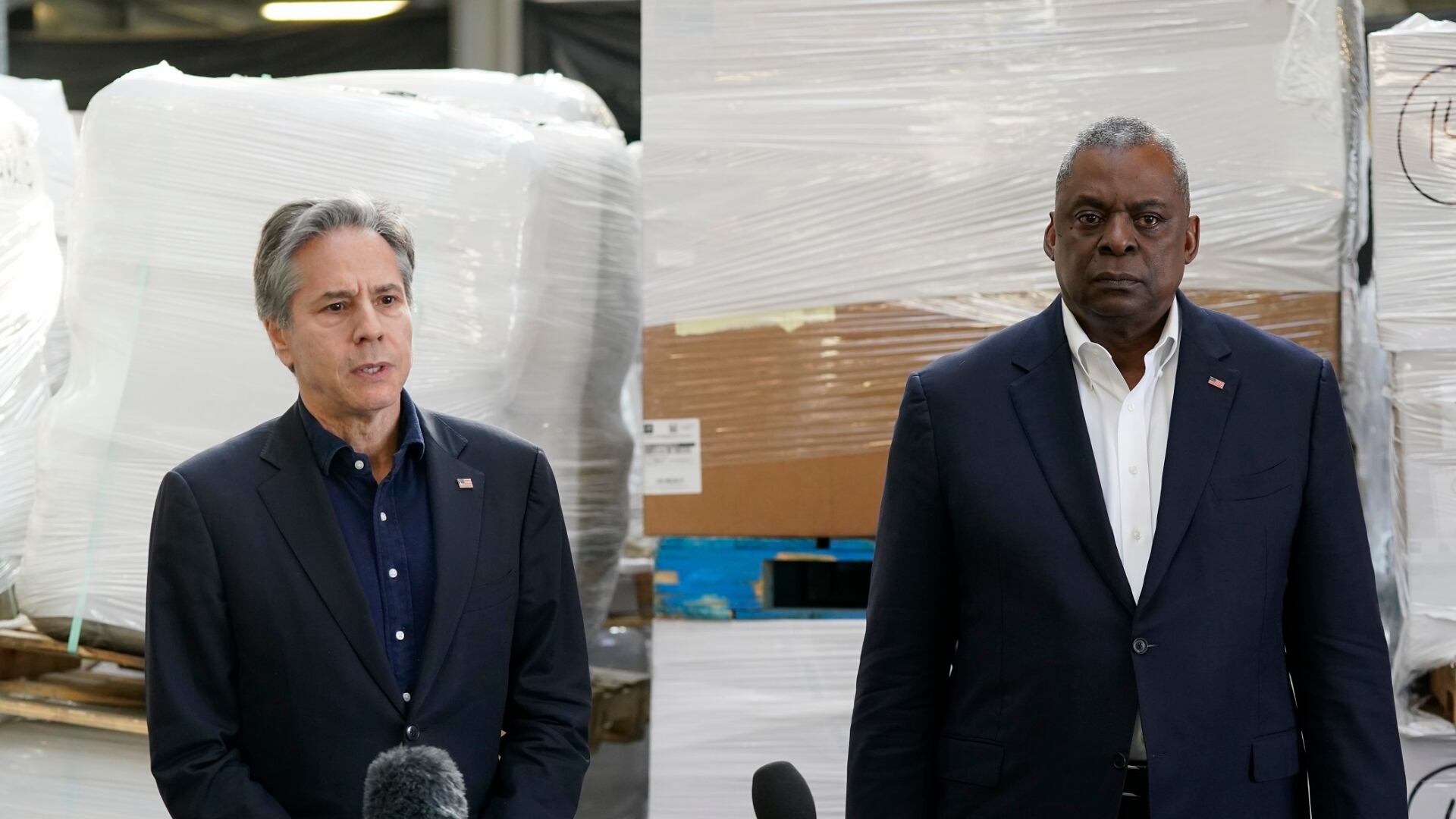
Catching you up on what you need to know on April 25, 2022, with Secretary of State Blinken and Defense Secretary Austin visiting Ukraine, Emmanuel Macron is reelected as president of France, Twitter is talking to Elon Musk about his purchase bid, and more.
Between Bells EP Conor White recaps some of the biggest stories of the week, and teaches Baker Machado and Azia Celestino a thing or two at the same time. It's This Week in Trivia!
An increasing number of countries are recognizing "Rights of Nature", a legal movement that says ecosystems and species have basic rights to exist and flourish. Grant Wilson, executive director at Earth Law Center joins Cheddar News to explain what the movement is aiming to achieve.
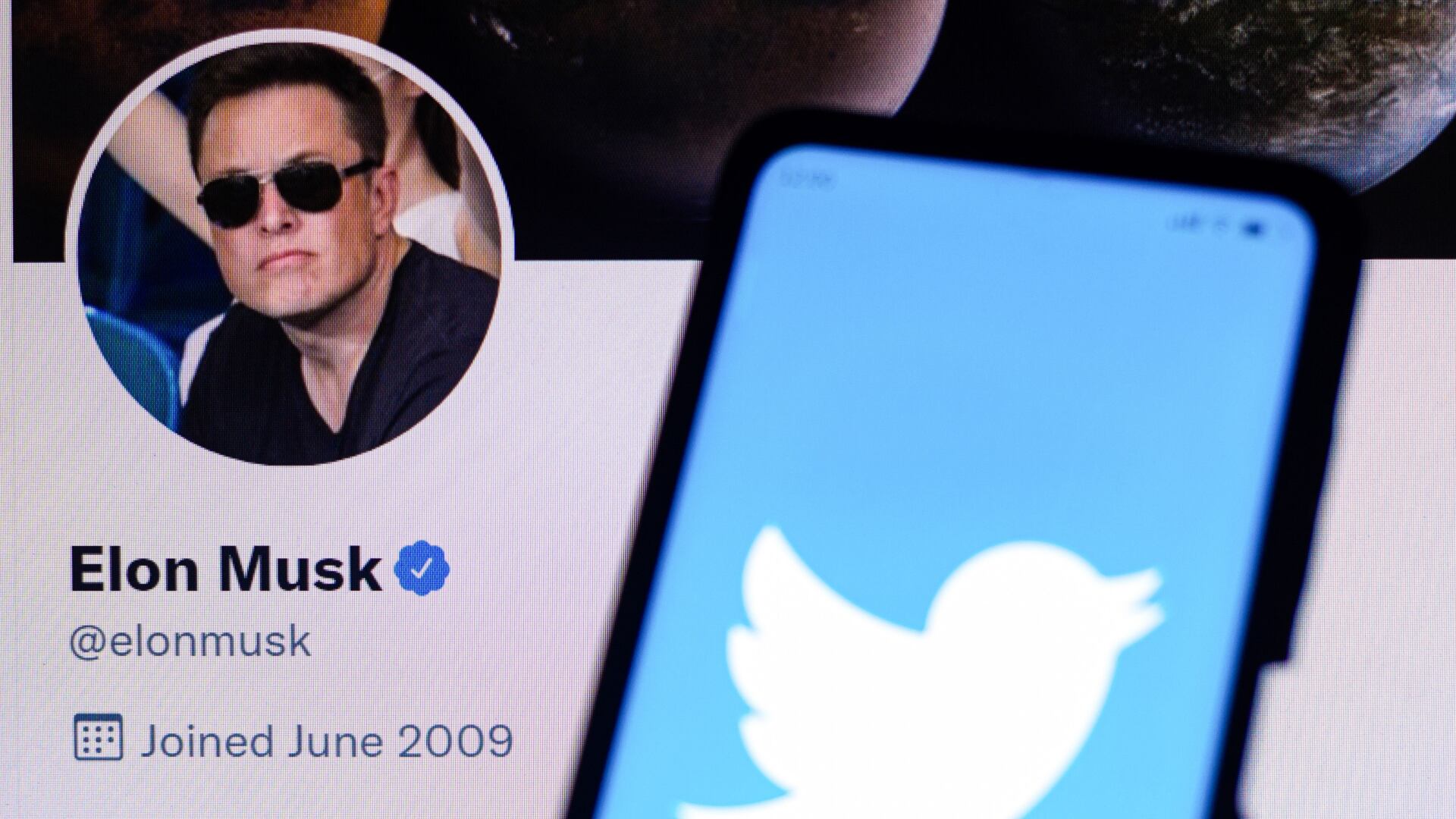
The saga surrounding Elon Musk's bid to buy Twitter has made its way to Washington, DC. A group of 18 House Republicans are calling on the social media platform's board to preserve all records and documents related to the company's response to the offer from the Tesla CEO. Caleb Silver, editor in chief of Investopedia, joined Closing Bell to discuss. "This is a long term play, but it's just a shot across the bow by congressional Republicans, who probably will end up taking the House, that they're going to be tough on Big Tech and they're going use Musk's bid for twitter to take it private, so that he can get the platform to be open source and remove its censorship."
Florida Gov. Ron DeSantis has signed a bill dissolving Walt Disney World’s private government after the entertainment giant criticized a measure that critics have dubbed the “Don’t Say Gay” law.
Removing carbon from our atmosphere has become a goal for scientists and entrepreneurs around the world, and while many have begun to develop promising technology solutions, a few big names in tech, including Stripe, Alphabet, Shopify, Meta and McKinsey, are committing nearly $1 billion dollars to fund carbon removal technology through 2030 through a new initiative called Frontier, an advanced market commitment to incentive following through on development. Hannah Bebbington, the head of strategy for Frontier, joined Cheddar News to discuss. "What Frontier aims to do is help get this market on track by sending that strong demand signal such that we can scale up capacity really significantly in the next couple of years," she said.
Autumn Peltier, an indigenous water activist, joined Cheddar News to talk about the lack of access to clean water among indigenous communities in Canada. “I say the government to hold themselves accountable for the promises that they make because Canada and indigenous people have a long history of broken promises and they still continue to this day to keep breaking promises with the nation's people," she said. "Less talk and more action is very much expected from me."
Sustainability Concierge Friday Apaliski joins Cheddar Climate Celebrates Earth Day, where she shares tips for how homeowners can go green without breaking the bank. She also provides everyday ways and climate hacks to make the planet a cleaner place.