Utah GOP Senator Defends Modified Cannabis Bill for Creating 'More Guardrails'
*By Chloe Aiello*
Medical marijuana is now legal in Utah, but not exactly in the form voters intended. Shortly after the medical marijuana initiative, Proposition 2, was scheduled to go into effect, the Utah state House and Senate swooped in and replaced it with a new law.
Wayne Niederhauser, a Republican senator for Utah's 9th district, defended the move on Wednesday, and told Cheddar the new law, "The Utah Medical Cannabis Act," ensures "medical marijuana and not de-facto recreational" is the law of the Beehive State.
"We wanted to create some more guardrails. We want to get medical marijuana to everyone that needs it, but we also have 600,000 plus children in this state, and we want to make sure those children are protected as much as possible from getting a controlled substance," Niederhauser said.
"The Utah Medical Cannabis Act" that Gov. Gary Herbert signed into law on Monday differs in some significant ways from Proposition 2. The bill reduces the permitted number of privately-run dispensaries for the state, Niederhauser said ー supplementing them instead with state-run distribution through health departments. Cannabis "flower" is still allowed, but only in one-gram increments, and edibles are mostly illegal, except for gummy cubes, according to the [Salt Lake Tribune](https://www.sltrib.com/news/politics/2018/12/03/utah-house-passes-medical/). It also tweaks the list of conditions that qualify for treatment.
Niederhauser said, "there's really not a lot of difference," between Prop 2 and the new bill, but cannabis advocacy group Marijuana Policy Project disagreed.
“This bill is undoubtedly inferior to the law enacted by voters in November. However, Proposition 2 would very likely have been defeated without the compromise deal, which prevented an onslaught of opposition spending. Advocates made the responsible decision to negotiate with opponents and ensure that patients were not left without any access to medical cannabis," MPP's Matthew Schweich [said in a statement](https://www.mpp.org/news/press/utah-legislature-passes-compromise-medical-marijuana-law/) after the new bill passed.
"The Utah Medical Cannabis Act" was a collaboration between lawmakers and medical marijuana proponents that "came to fruition" about 45 days before the midterms, Niederhauser said, adding that whether or not Prop 2 passed, the medical law would have been enacted. The new program is expected to be running by 2020.
As to whether the new law will lead to recreational legalization, Niederhauser said he hopes not.
"As far as I'm concerned, I hope we never even get close to recreational use," he said.
For full interview [click here](https://cheddar.com/videos/recreational-marijuana-shouldnt-be-legal-in-utah-according-to-state-senate-president).
Vacasa is the largest full-service vacation rental property management company in the United States. Today, it announced the launch of a new homeowner app to help users monitor how the company is managing their vacation rental homes. It comes as consumer confidence in travel is on the rise ahead of the holiday season. Vacasa CEO Matt Roberts joined Cheddar News' Closing Bell to discuss.
Everyone is stepping into the NFT space, including the Grammys. 'Oneof' is entering a three-year partnership with The Recording Academy to release exclusive NFTs commemorating the 64th, 65th, and 66th Annual Grammy Awards. A portion of the proceeds will also go to The Recording Academy's scholarship fund. Adam Fell, co-founder and board member of Oneof and the president of Quincy Jones Productions, joins Cheddar News to discuss the announcement.
'THEMAGIC5' produces swimming goggles that contour the face using advanced robot technologies and 3D printing. Both of the company's founders Bo Haaber and Rasmus Barfred went on ABC's 'Shark Tank' and caught a $1 million deal. The duo join Cheddar News to talk about what the new funding means for the company.
Molly Hayward, the founder of wellness brand Cora, joins Cheddar News to discuss the company's product, Period Balm, being a CEW Beauty Creators Awards Finalist.
Things are looking up for everyone's favorite crypto. Bitcoin rallied nearly 40% in October, hitting a record high of $66,975. That was the biggest single-month percentage rally since December 2020. On Monday morning, Bitcoin was trading 2.4% higher while Ethereum and Dogecoin were trading at 1.71% and 3.95%. Ben Armstrong, founder of BitBoy Crypto, joins Cheddar News to talk about the latest in the crypto space.
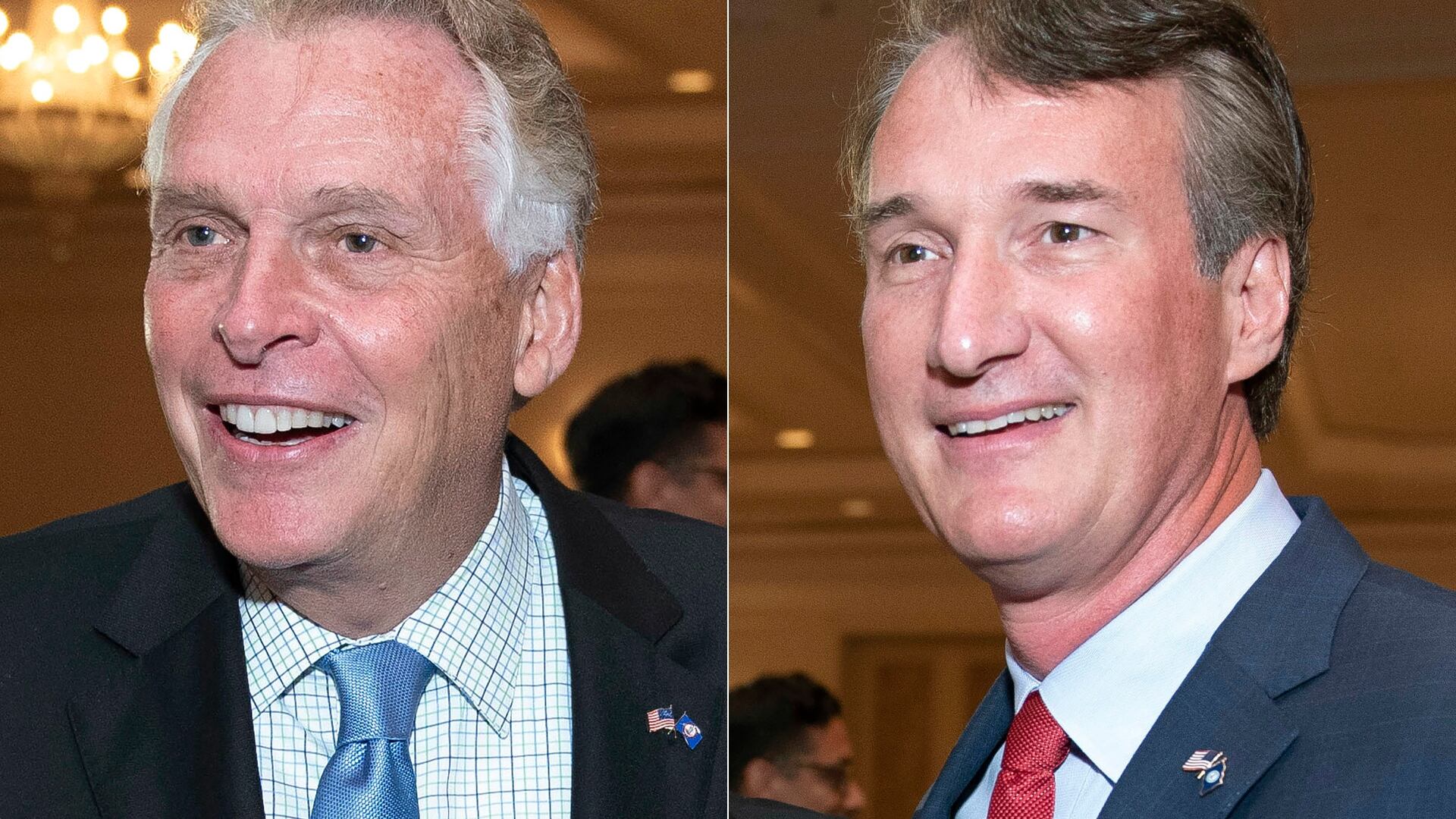
Laura Vozzella, local reporter for The Washington Post, joins Cheddar News to discuss the close gubernatorial race in Virginia and what voters are looking for in each candidate.
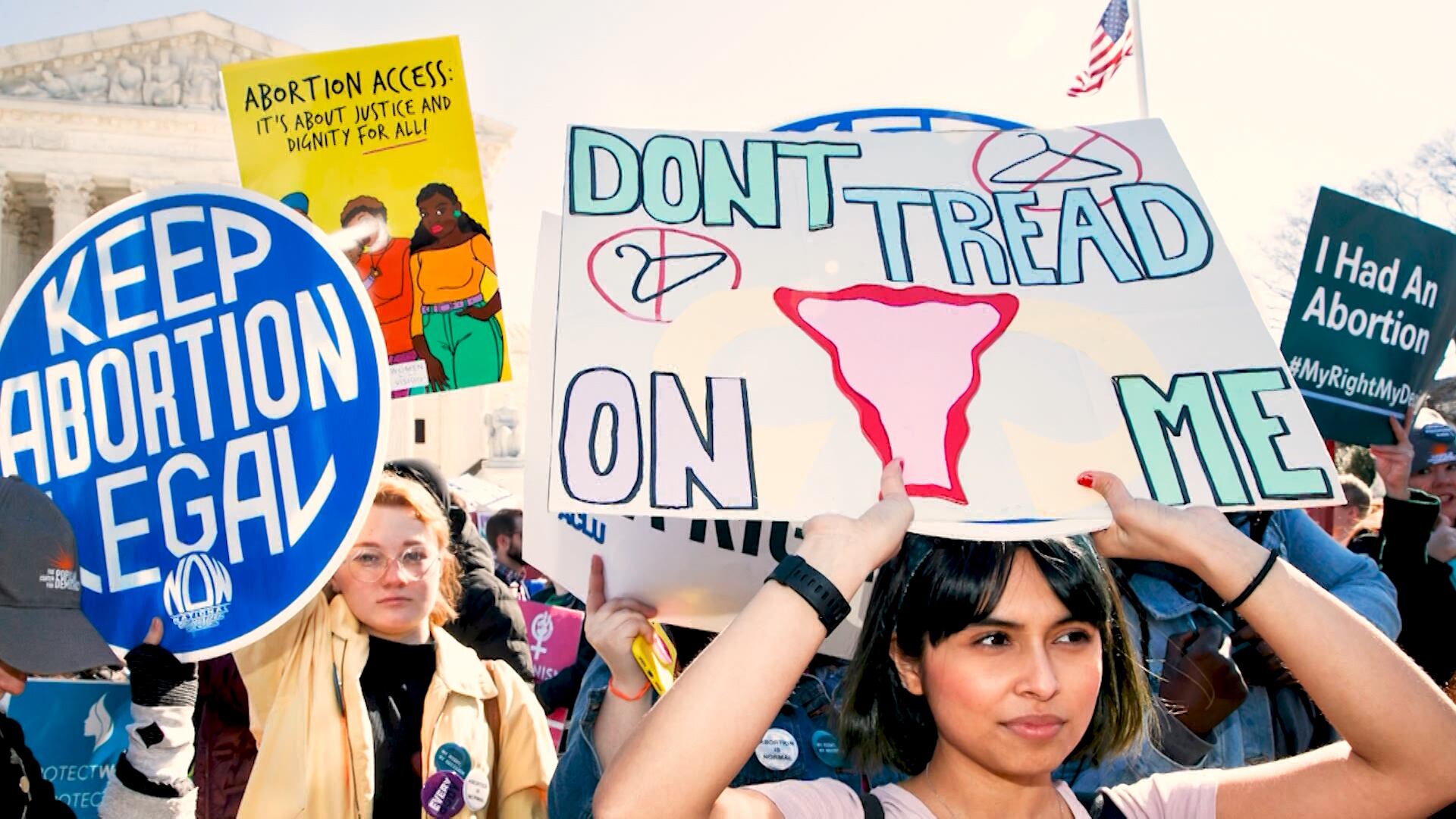
The U.S. Supreme Court takes a closer look at the Texas abortion law that was designed by its sponsors to evade constitutional review in federal court. Katie Barlow, journalist and social media editor at SCOTUSblog joins Cheddar News to breakdown what was discussed.
John Paul Mejia, the national spokesperson for the Sunrise Movement, joined Cheddar to talk about what the youth activist group wants to see from President Joe Biden as he attends the COP26 climate summit. Mejia admonished the president for having little to deliver on his own climate agenda domestically while at the conference. "We need the president to follow through with his promises because, frankly, it's a matter of life or death not only for communities here in the United States but also those looking to us around the world," he said.
ESG, or environmental, social, and governance, investing has surged in popularity recently, reaching new record highs in 2020. The goal is to invest in companies and products that advocate for social change, while earning markets returns at the same time. Lauren Dillard, EVP and Head of Investment Intelligence at Nasdaq, joined Cheddar to discuss the ESG investing fad and the potential risks associated with it.