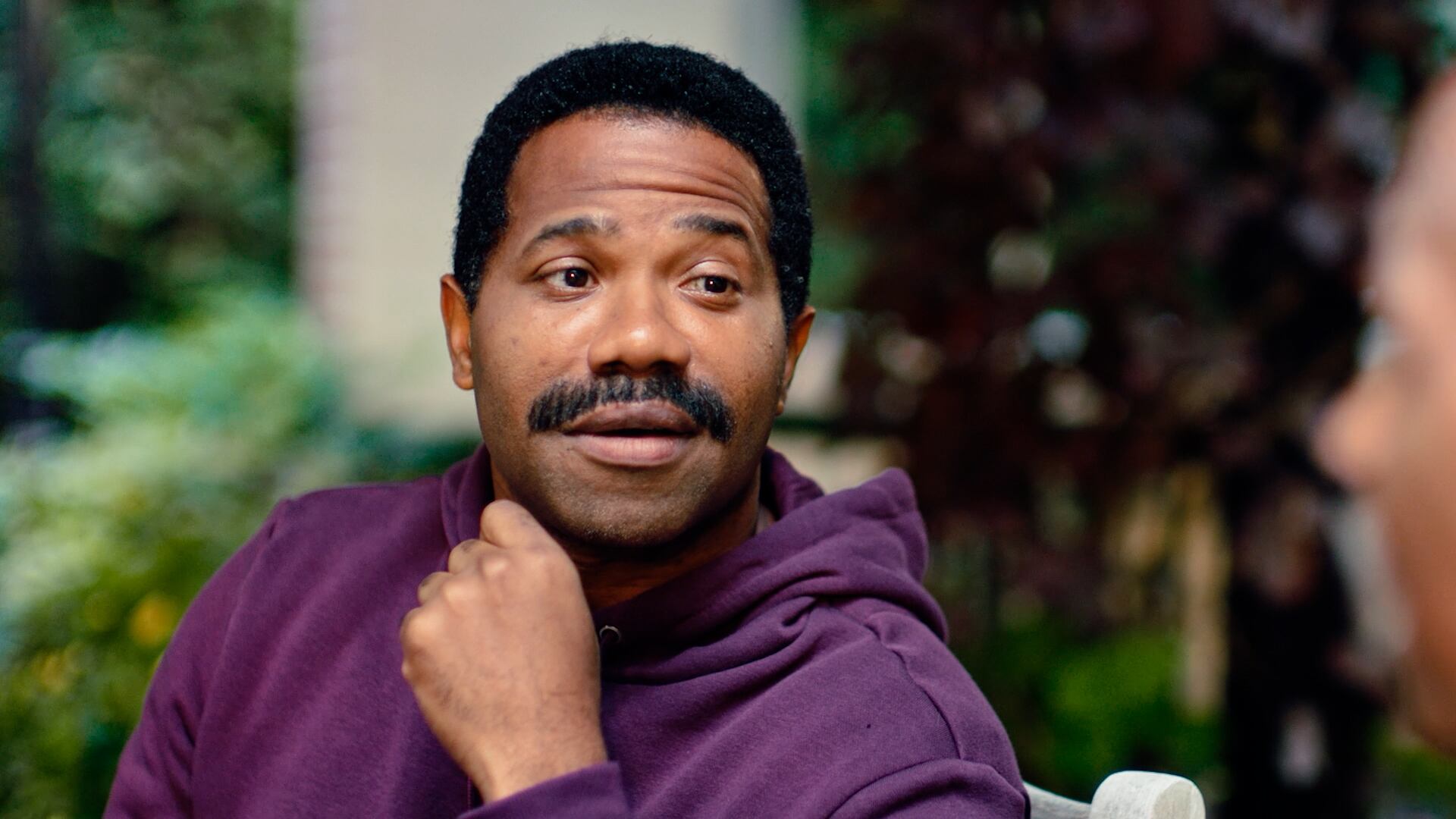
*By Chloe Aiello* Medical marijuana is now legal in Utah, but not exactly in the form voters intended. Shortly after the medical marijuana initiative, Proposition 2, was scheduled to go into effect, the Utah state House and Senate swooped in and replaced it with a new law. Wayne Niederhauser, a Republican senator for Utah's 9th district, defended the move on Wednesday, and told Cheddar the new law, "The Utah Medical Cannabis Act," ensures "medical marijuana and not de-facto recreational" is the law of the Beehive State. "We wanted to create some more guardrails. We want to get medical marijuana to everyone that needs it, but we also have 600,000 plus children in this state, and we want to make sure those children are protected as much as possible from getting a controlled substance," Niederhauser said. "The Utah Medical Cannabis Act" that Gov. Gary Herbert signed into law on Monday differs in some significant ways from Proposition 2. The bill reduces the permitted number of privately-run dispensaries for the state, Niederhauser said ー supplementing them instead with state-run distribution through health departments. Cannabis "flower" is still allowed, but only in one-gram increments, and edibles are mostly illegal, except for gummy cubes, according to the [Salt Lake Tribune](https://www.sltrib.com/news/politics/2018/12/03/utah-house-passes-medical/). It also tweaks the list of conditions that qualify for treatment. Niederhauser said, "there's really not a lot of difference," between Prop 2 and the new bill, but cannabis advocacy group Marijuana Policy Project disagreed. “This bill is undoubtedly inferior to the law enacted by voters in November. However, Proposition 2 would very likely have been defeated without the compromise deal, which prevented an onslaught of opposition spending. Advocates made the responsible decision to negotiate with opponents and ensure that patients were not left without any access to medical cannabis," MPP's Matthew Schweich [said in a statement](https://www.mpp.org/news/press/utah-legislature-passes-compromise-medical-marijuana-law/) after the new bill passed. "The Utah Medical Cannabis Act" was a collaboration between lawmakers and medical marijuana proponents that "came to fruition" about 45 days before the midterms, Niederhauser said, adding that whether or not Prop 2 passed, the medical law would have been enacted. The new program is expected to be running by 2020. As to whether the new law will lead to recreational legalization, Niederhauser said he hopes not. "As far as I'm concerned, I hope we never even get close to recreational use," he said. For full interview [click here](https://cheddar.com/videos/recreational-marijuana-shouldnt-be-legal-in-utah-according-to-state-senate-president).