Utah GOP Senator Defends Modified Cannabis Bill for Creating 'More Guardrails'
*By Chloe Aiello*
Medical marijuana is now legal in Utah, but not exactly in the form voters intended. Shortly after the medical marijuana initiative, Proposition 2, was scheduled to go into effect, the Utah state House and Senate swooped in and replaced it with a new law.
Wayne Niederhauser, a Republican senator for Utah's 9th district, defended the move on Wednesday, and told Cheddar the new law, "The Utah Medical Cannabis Act," ensures "medical marijuana and not de-facto recreational" is the law of the Beehive State.
"We wanted to create some more guardrails. We want to get medical marijuana to everyone that needs it, but we also have 600,000 plus children in this state, and we want to make sure those children are protected as much as possible from getting a controlled substance," Niederhauser said.
"The Utah Medical Cannabis Act" that Gov. Gary Herbert signed into law on Monday differs in some significant ways from Proposition 2. The bill reduces the permitted number of privately-run dispensaries for the state, Niederhauser said ー supplementing them instead with state-run distribution through health departments. Cannabis "flower" is still allowed, but only in one-gram increments, and edibles are mostly illegal, except for gummy cubes, according to the [Salt Lake Tribune](https://www.sltrib.com/news/politics/2018/12/03/utah-house-passes-medical/). It also tweaks the list of conditions that qualify for treatment.
Niederhauser said, "there's really not a lot of difference," between Prop 2 and the new bill, but cannabis advocacy group Marijuana Policy Project disagreed.
“This bill is undoubtedly inferior to the law enacted by voters in November. However, Proposition 2 would very likely have been defeated without the compromise deal, which prevented an onslaught of opposition spending. Advocates made the responsible decision to negotiate with opponents and ensure that patients were not left without any access to medical cannabis," MPP's Matthew Schweich [said in a statement](https://www.mpp.org/news/press/utah-legislature-passes-compromise-medical-marijuana-law/) after the new bill passed.
"The Utah Medical Cannabis Act" was a collaboration between lawmakers and medical marijuana proponents that "came to fruition" about 45 days before the midterms, Niederhauser said, adding that whether or not Prop 2 passed, the medical law would have been enacted. The new program is expected to be running by 2020.
As to whether the new law will lead to recreational legalization, Niederhauser said he hopes not.
"As far as I'm concerned, I hope we never even get close to recreational use," he said.
For full interview [click here](https://cheddar.com/videos/recreational-marijuana-shouldnt-be-legal-in-utah-according-to-state-senate-president).
While people have been spending more time on their phones throughout the pandemic, a new report shows they were also spending more money as well. A review from Sensor Tower on the global app ecosystem this year found that the app economy will see record consumer spending in 2021, up nearly 20% from 2020. Sensor Tower director of sales and financial institutions Anthony Bartolacci joins Cheddar News' Closing Bell to break down the report.
The future of gambling in Florida recently suffered a major setback after a federal appeals court rejected a request from the state and the Seminole Tribe to allow online sports betting in the state. Now, the tribe has been forced to stop taking bets on its Hard Rock sportsbook app. ESPN gaming writer David Purdum joins Cheddar News' Closing Bell to discuss what this could mean for the future of sports betting in Florida.
Web3 software startup Thirdweb has raised $5 million in a funding round, coming from a group of high-profile investors, including Gary Vaynerchuk and Mark Cuban. Thirdweb says it is paving the way for the revolution surrounding the new iteration of the internet known as web3, by offering users free tools to build their own web3 projects. Thirdweb's co-founders Steven Bartlett and Furqan Rydhan join Cheddar News' Closing Bell to discuss.
Decentralized talent network Braintrust recently closed an atypical equity deal that involved investors buying $100 million in Braintrust tokens, the company's cryptocurrency. Braintrust's talent network is built on blockchain technology, which the company says allows it to be owned and built by users, instead of a centrally-controlled corporation. Braintrust users can also earn tokens for their contributions to the network and its growth. Braintrust co-founder Adam Jackson joins Cheddar News' Closing Bell to discuss.
Time magazine has unveiled SpaceX and Tesla CEO Elon Musk as Person of the Year for 2021. Jeffrey Kluger, editor at large for Time, told Cheddar that Musk's impact on so many facets of forward-looking industries like crypto, solar power, electric vehicles, and especially his work on space travel were the reasons behind the selection. "On balance, Musk is performing on so many levels and in so many venues that it was hard not to consider him our Person of the Year," he said. Kluger also noted that the choice is based upon the influence the subject has had, whether good or bad and is not a judgment on its own.
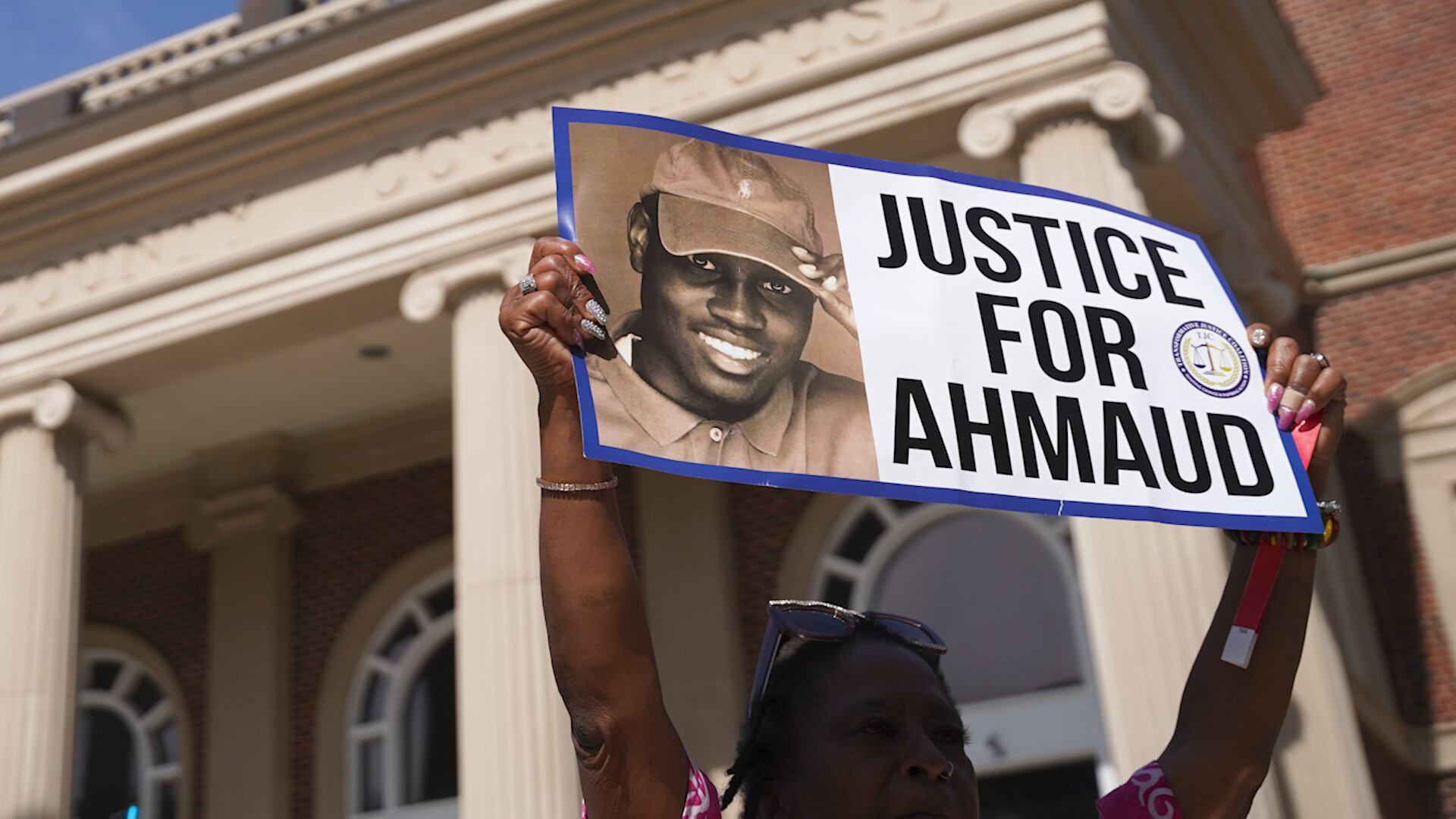
The recent verdicts of the Kyle Rittenhouse and Ahmaud Arbery murder trials have put a spotlight on the country's justice system. Experts have pointed to the explicit racial undertones in the high-profile trials, as well as the increased levels of stress that may be felt by communities of color because of the prevalence of these trials. Kailee Scales, CEO of Pencils of Promise and former first managing director of Black Lives Matter Global Network Foundation, joins Cheddar News to discuss.
Gold Medal ski racer Bode Miller and John Emery, CEO of Alpine-X, discuss the need to make snowsports more affordable and how the new facility in Virginia aims to diversify the sport to urban areas.
Carlos Munoz, Head of Asset Manager Diversity, Equity & Inclusion Engagement at Morgan Stanley Wealth Management, discusses how 'The Equity Collective' is helping to diversify the financial services industry and what the initiative means for racial equity.