Utah GOP Senator Defends Modified Cannabis Bill for Creating 'More Guardrails'
*By Chloe Aiello*
Medical marijuana is now legal in Utah, but not exactly in the form voters intended. Shortly after the medical marijuana initiative, Proposition 2, was scheduled to go into effect, the Utah state House and Senate swooped in and replaced it with a new law.
Wayne Niederhauser, a Republican senator for Utah's 9th district, defended the move on Wednesday, and told Cheddar the new law, "The Utah Medical Cannabis Act," ensures "medical marijuana and not de-facto recreational" is the law of the Beehive State.
"We wanted to create some more guardrails. We want to get medical marijuana to everyone that needs it, but we also have 600,000 plus children in this state, and we want to make sure those children are protected as much as possible from getting a controlled substance," Niederhauser said.
"The Utah Medical Cannabis Act" that Gov. Gary Herbert signed into law on Monday differs in some significant ways from Proposition 2. The bill reduces the permitted number of privately-run dispensaries for the state, Niederhauser said ー supplementing them instead with state-run distribution through health departments. Cannabis "flower" is still allowed, but only in one-gram increments, and edibles are mostly illegal, except for gummy cubes, according to the [Salt Lake Tribune](https://www.sltrib.com/news/politics/2018/12/03/utah-house-passes-medical/). It also tweaks the list of conditions that qualify for treatment.
Niederhauser said, "there's really not a lot of difference," between Prop 2 and the new bill, but cannabis advocacy group Marijuana Policy Project disagreed.
“This bill is undoubtedly inferior to the law enacted by voters in November. However, Proposition 2 would very likely have been defeated without the compromise deal, which prevented an onslaught of opposition spending. Advocates made the responsible decision to negotiate with opponents and ensure that patients were not left without any access to medical cannabis," MPP's Matthew Schweich [said in a statement](https://www.mpp.org/news/press/utah-legislature-passes-compromise-medical-marijuana-law/) after the new bill passed.
"The Utah Medical Cannabis Act" was a collaboration between lawmakers and medical marijuana proponents that "came to fruition" about 45 days before the midterms, Niederhauser said, adding that whether or not Prop 2 passed, the medical law would have been enacted. The new program is expected to be running by 2020.
As to whether the new law will lead to recreational legalization, Niederhauser said he hopes not.
"As far as I'm concerned, I hope we never even get close to recreational use," he said.
For full interview [click here](https://cheddar.com/videos/recreational-marijuana-shouldnt-be-legal-in-utah-according-to-state-senate-president).
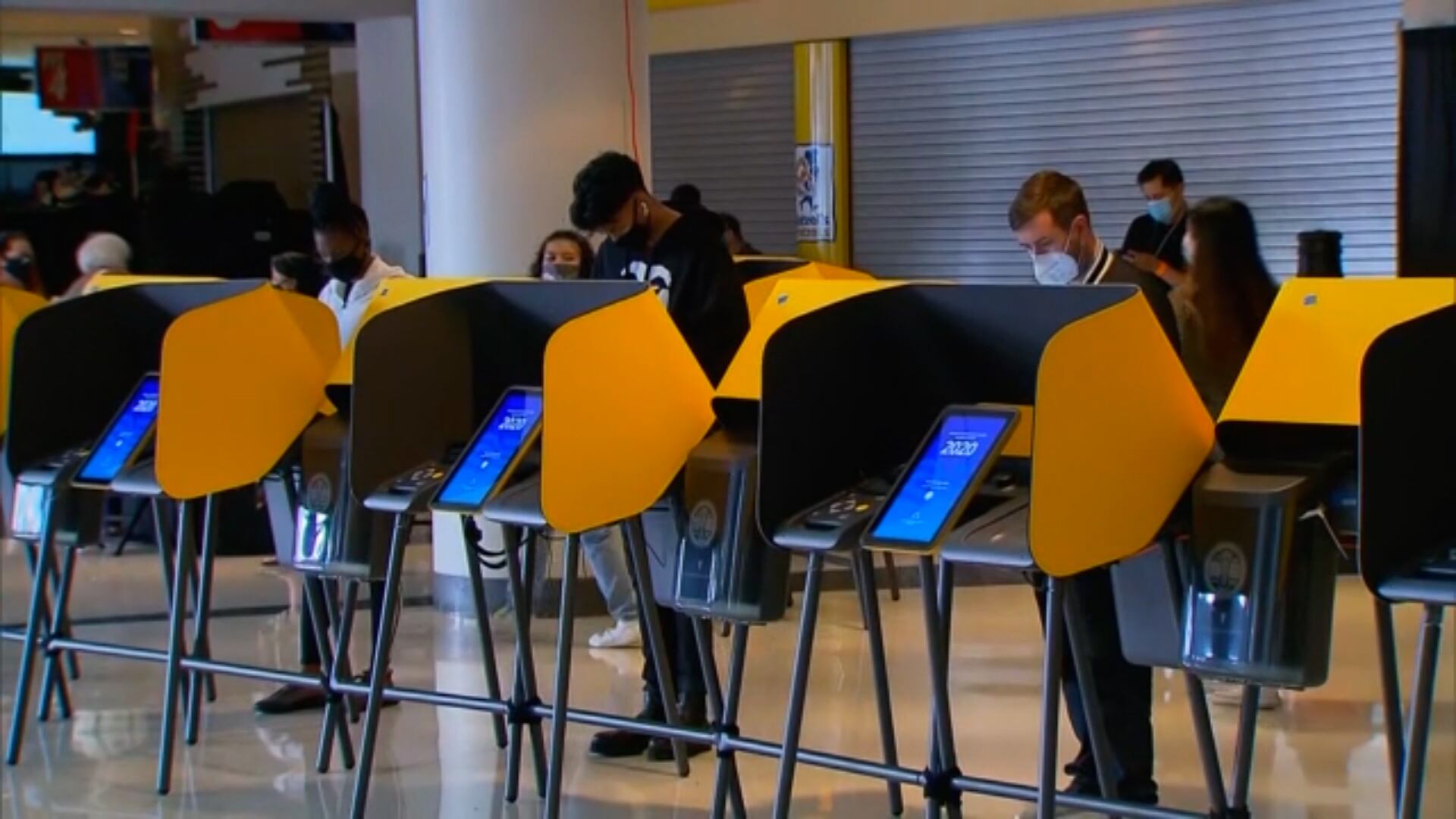
Dave Levinthal, deputy Washington Bureau chief at Insider, joins Cheddar News to discuss Gallup's new survey that reveals more Americans leaned Republican by the end of 2021.
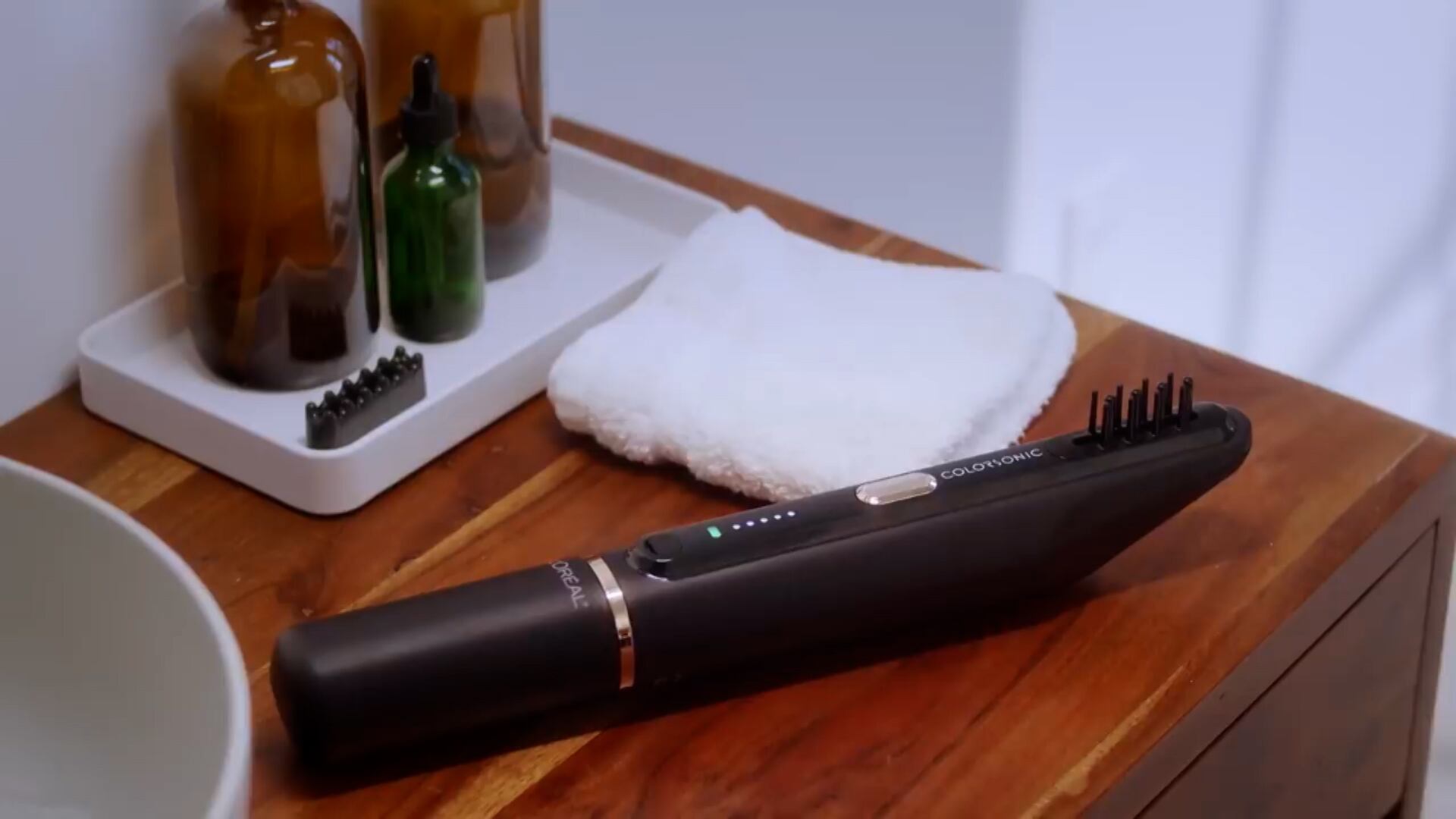
L’Oréal is doubling down on its investment in tech. The French beauty giant unveiled two new high-tech products ahead of CES 2022, aimed at simplifying the hair coloring process. Guive Balooch, global vice president of L’Oréal Technology Incubator, joined Cheddar's Opening Bell to discuss the company's innovations for hair coloring, including the Colorsonic application device and the Coloright AI diagnostic tool.
After meeting by chance in an airport, legendary actor Bill Murray and world-renowned cellist Jan Vogler joined forces to put out an album of poetry and music, go on a European concert tour, and release a feature documentary. Murray and Vogler joined Cheddar to dish about the experiences taking their “New Worlds: The Cradle of Civilization" on the road and filming the documentary that followed the pair, along with Mira Wang on violin and Vanessa Perez on piano, at their final show in Greece. "When this opportunity to play with Jan and Mira and Vanessa came along, I thought, well how bad can I be with these people behind me," Murray self-deprecatingly noted about his own musical talents.
On this episode of Cheddar Reveals: Director of Programs at Alpine Ascents breaks down how to mentally and physically prepare for climbing Mount Everest; American Himalayan Foundation's Vice President discusses Sherpa culture and ethos, and why they are so critical to the climb; A look at Curiosity Stream's 'History by the Numbers.'
All around the world, speed limits are placed on public roads to promote car safety and save lives. In that same world, car manufacturers have continued to look for ways to build faster and faster cars. Despite the dangers of speeding, many drivers are guilty of pushing the pedal from time to time. With cars being such a prevalent culture in everyday life, especially in the US, it’s worth wondering what it would take for car companies to once and for all settle the argument of safety versus freedom.
A recent study by MSI uncovers a vast racial divide in influencer marketing. The research found a 35% racial pay gap between white and black influencers. This gap is extremely wider than the gap in other industries such as education, business, and finance. The research also suggests that brands and agencies have the power to close this gap. Tiffany Hardin, founder and CEO of Gild Creative Group, joins Cheddar News to discuss.
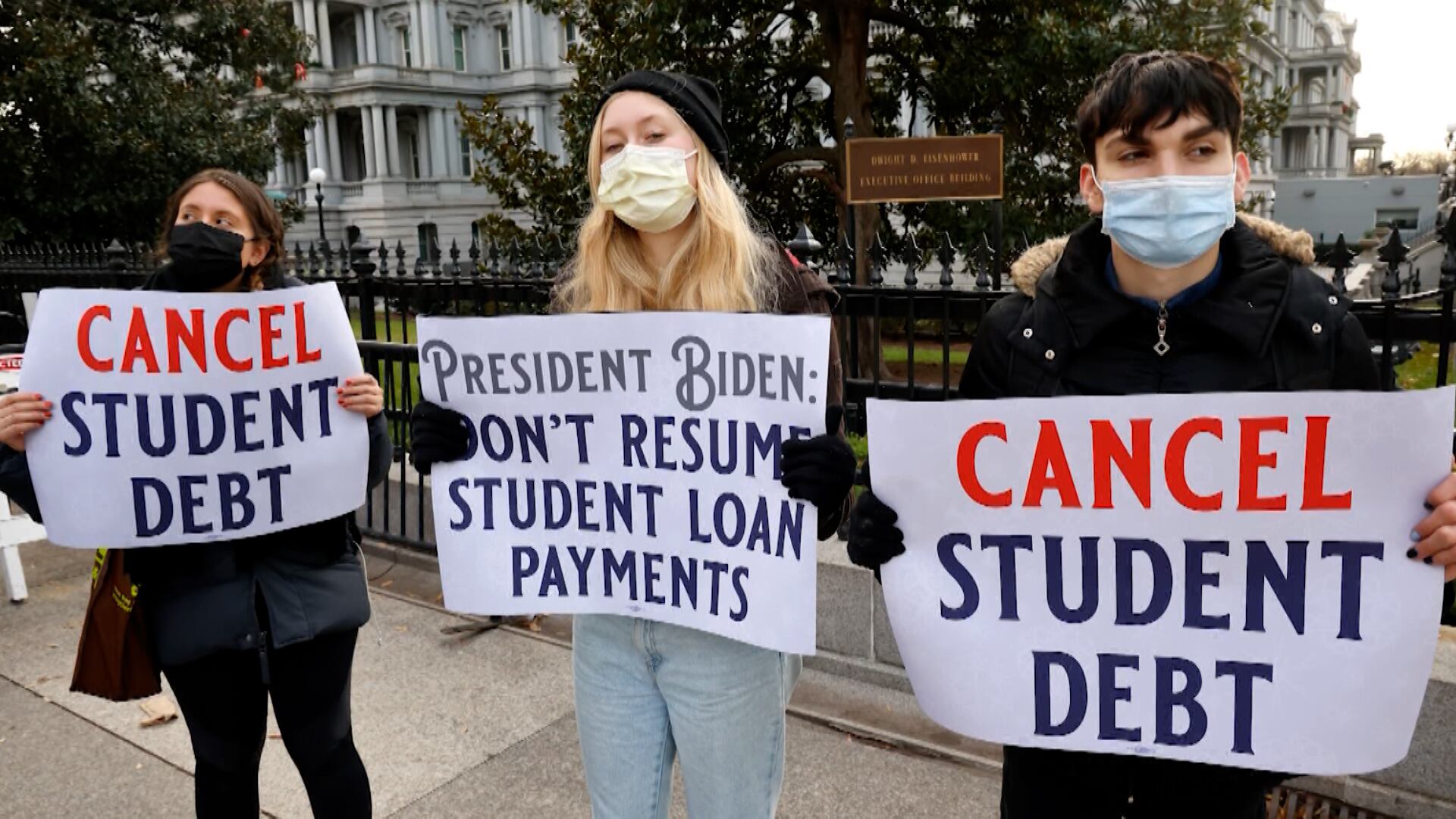
Student loan collection company Navient agreed to cancel $1.7 billion in debt and paid more than $140 million in other penalties to settle a lawsuit over abusive lending practices. Josh Shapiro, the attorney general of Pennsylvania who led negotiations in the settlement, joined Cheddar to go over the details of the company's predatory lending. "What Navient would do is charge [borrowers] these exorbitantly high rates, even though they knew people couldn't pay them or they would likely default on them," he explained.
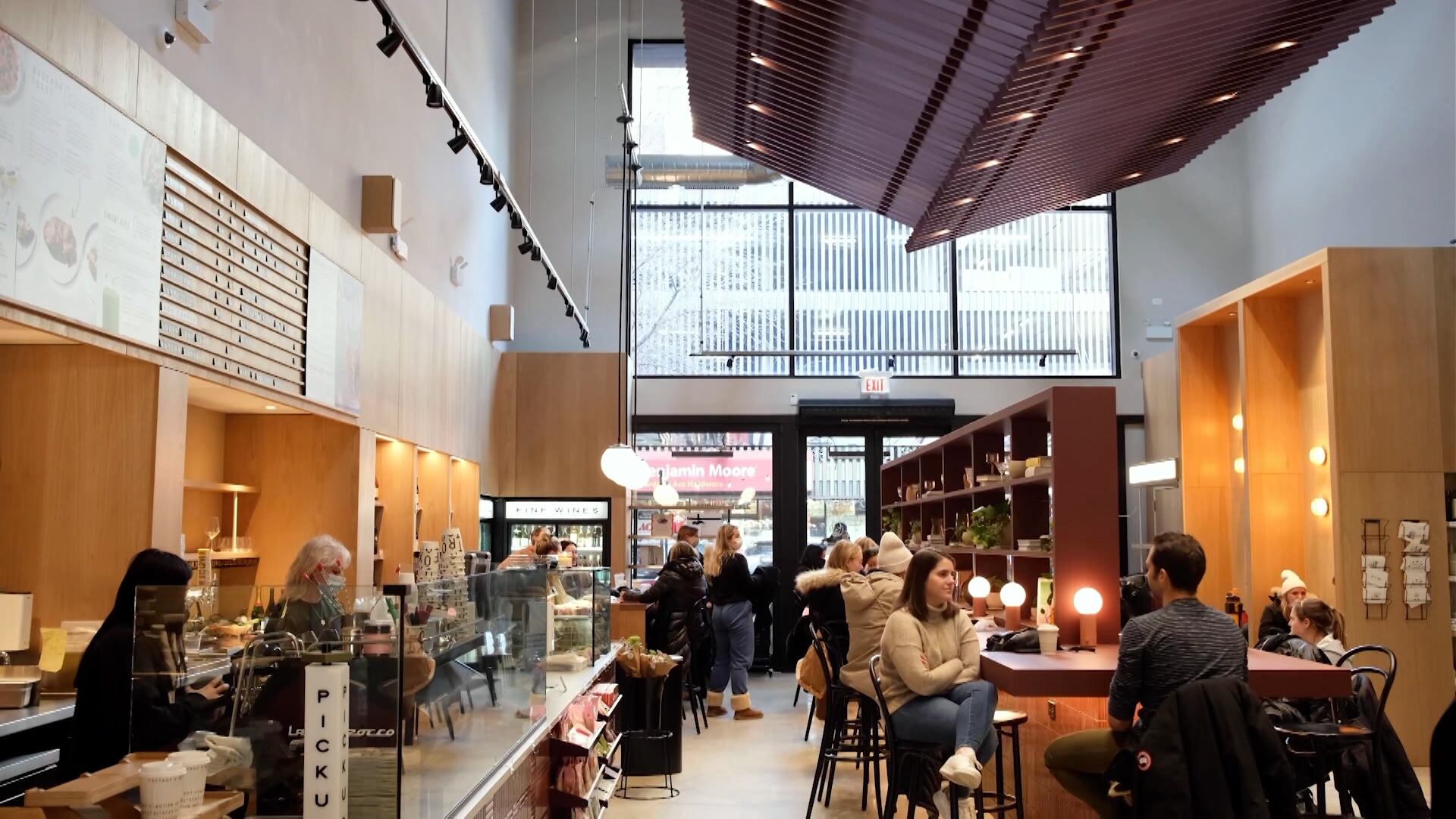
Retail platform operator and delivery company, Foxtrot,
raised $100 million in a Series C round led by D1 Capital Partners. Foxtrot bills itself as the modern convenience store that combines what it calls in-store curated discovery with 30-minute delivery and 5-minute pickup. Since launching first as a digital-only delivery service, the company has since grown into a popular local retailer, opening 16 brick and mortar locations across Chicago, Dallas, and Washington, DC. Foxtrot co-founder and CEO Michael LaVitola joined Cheddar News' Closing Bell to discuss.