Utah GOP Senator Defends Modified Cannabis Bill for Creating 'More Guardrails'
*By Chloe Aiello*
Medical marijuana is now legal in Utah, but not exactly in the form voters intended. Shortly after the medical marijuana initiative, Proposition 2, was scheduled to go into effect, the Utah state House and Senate swooped in and replaced it with a new law.
Wayne Niederhauser, a Republican senator for Utah's 9th district, defended the move on Wednesday, and told Cheddar the new law, "The Utah Medical Cannabis Act," ensures "medical marijuana and not de-facto recreational" is the law of the Beehive State.
"We wanted to create some more guardrails. We want to get medical marijuana to everyone that needs it, but we also have 600,000 plus children in this state, and we want to make sure those children are protected as much as possible from getting a controlled substance," Niederhauser said.
"The Utah Medical Cannabis Act" that Gov. Gary Herbert signed into law on Monday differs in some significant ways from Proposition 2. The bill reduces the permitted number of privately-run dispensaries for the state, Niederhauser said ー supplementing them instead with state-run distribution through health departments. Cannabis "flower" is still allowed, but only in one-gram increments, and edibles are mostly illegal, except for gummy cubes, according to the [Salt Lake Tribune](https://www.sltrib.com/news/politics/2018/12/03/utah-house-passes-medical/). It also tweaks the list of conditions that qualify for treatment.
Niederhauser said, "there's really not a lot of difference," between Prop 2 and the new bill, but cannabis advocacy group Marijuana Policy Project disagreed.
“This bill is undoubtedly inferior to the law enacted by voters in November. However, Proposition 2 would very likely have been defeated without the compromise deal, which prevented an onslaught of opposition spending. Advocates made the responsible decision to negotiate with opponents and ensure that patients were not left without any access to medical cannabis," MPP's Matthew Schweich [said in a statement](https://www.mpp.org/news/press/utah-legislature-passes-compromise-medical-marijuana-law/) after the new bill passed.
"The Utah Medical Cannabis Act" was a collaboration between lawmakers and medical marijuana proponents that "came to fruition" about 45 days before the midterms, Niederhauser said, adding that whether or not Prop 2 passed, the medical law would have been enacted. The new program is expected to be running by 2020.
As to whether the new law will lead to recreational legalization, Niederhauser said he hopes not.
"As far as I'm concerned, I hope we never even get close to recreational use," he said.
For full interview [click here](https://cheddar.com/videos/recreational-marijuana-shouldnt-be-legal-in-utah-according-to-state-senate-president).
Although this week's weather is predicted to be less severe than the 2021 storm, Texans are preparing for the worst - stocking up on supplies and emptying shelves in grocery stores, once again. Some Texans still have not recovered from last year's tragedy, and are heading into the next few weeks with anxiety for what's to come. Leslie Beyer, CEO of the Houston-based energy workforce & technology council, joins Cheddar News to discuss if the Texas grid will fail again.
Student loan debt continues to be a major concern for tens of millions of Americans who collectively owe about $1.7 trillion. Black college students often take on larger amounts of student debt in order to pay for a higher education. In turn, they are more likely to struggle post-graduation with repaying their debt, creating a racial wealth gap divide. Andre Perry, senior fellow at Brookings Institution joined All Hands to help break down the black student debt crisis.
BTS’ hit single “Butter” tops the zeitgeist again, bumping back up to number one on Billboard’s Hot Trending Chart. The chart tracks what songs people are talking about rather than what they're listening to.
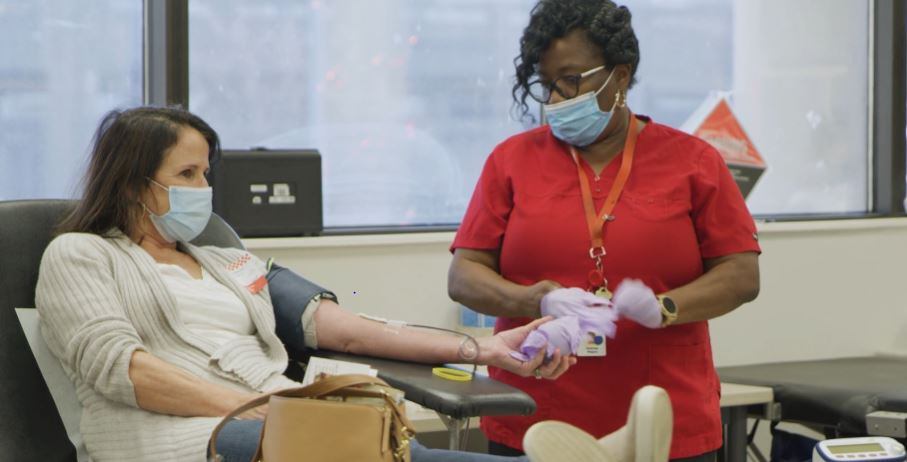
The American Red Cross has declared its first-ever "national blood crisis" in the United States. Since COVID hit the U.S. in March 2020, blood donations have declined by 10 percent. American Red Cross Medical Director, Dr. Baia Lasky joined Cheddar News to discuss the country facing the worst blood shortage in over a decade. Dr. Lasky noted that as much as 40 percent of Americans are eligible to donate blood but only about 4 percent do so. "This is going to be ongoing," she said. "This is not an acute shortage. We really do need the commitment of people to come out and donate and donate again." Appointments to donate can be made by using the Red Cross Donor App, at RedCrossBlood.org, or calling 1-800-RED CROSS (1-800-733-2767).
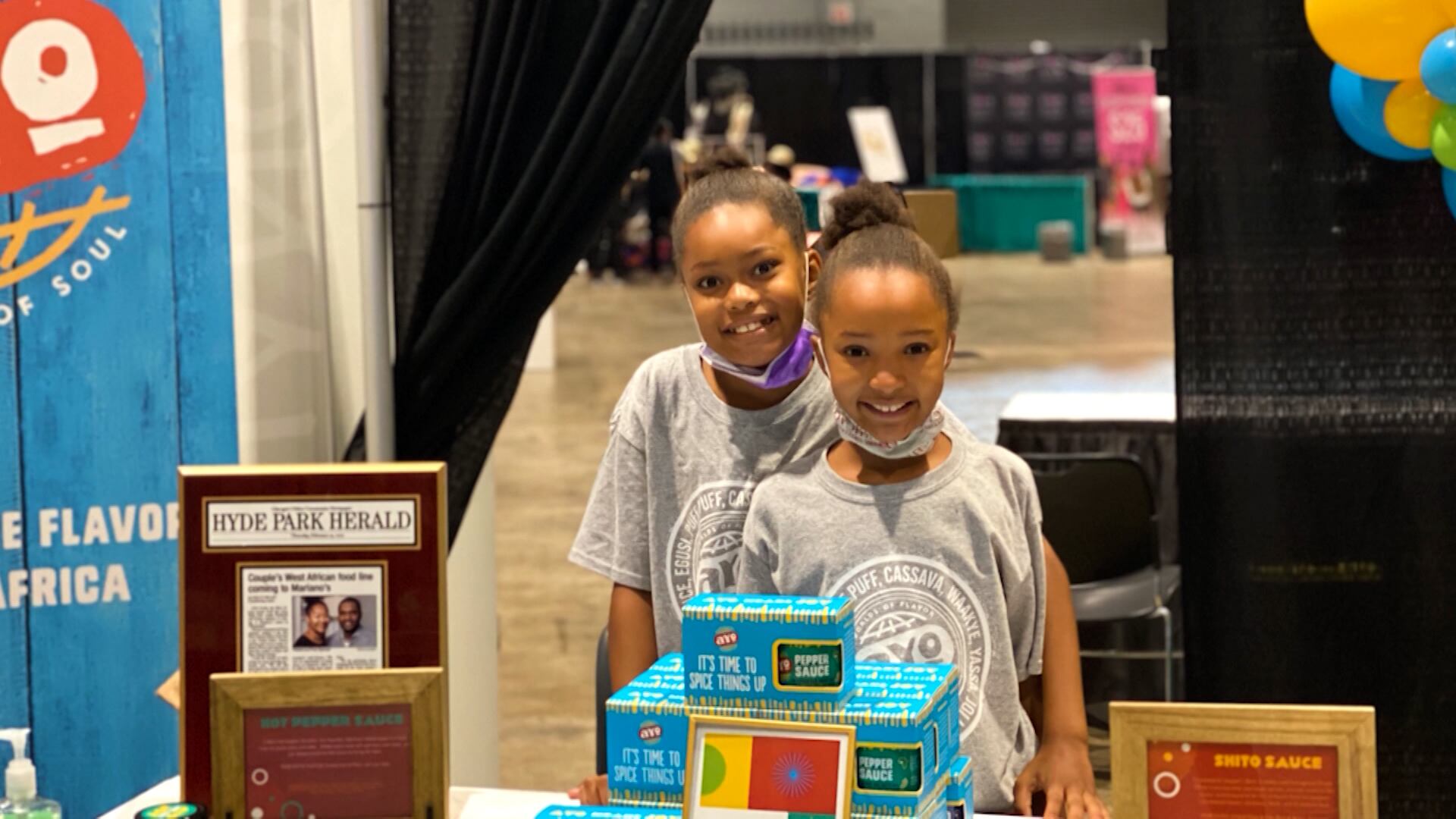
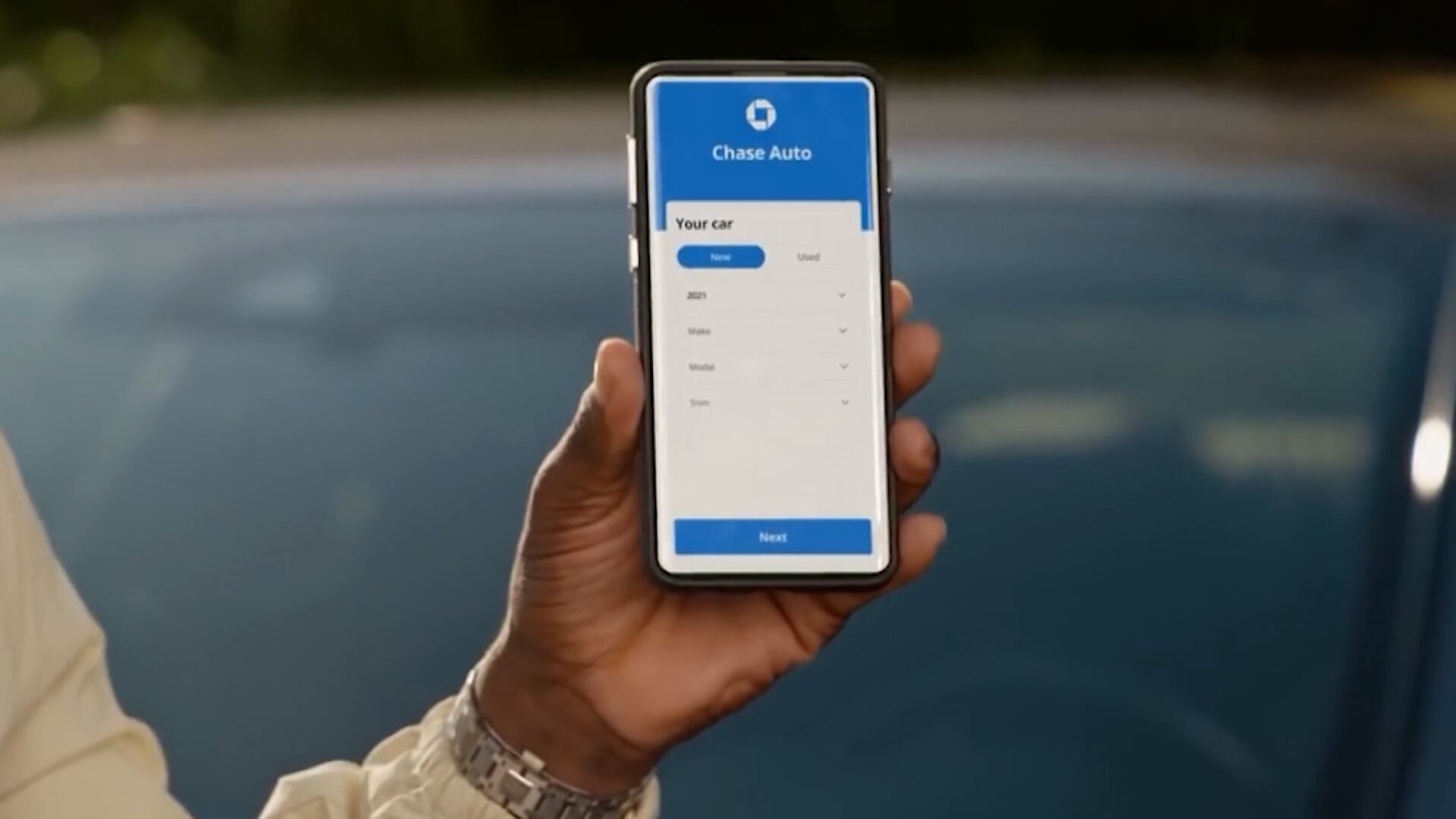
On this episode of ChedHER: Co-Founder of VC firm CaJE breaks down how she's creating a new era of venture capital and empowering Black women with 'soil' funding to start and grow their businesses; AYO Foods Co-Founder discusses how the brand is bringing West African cuisine to the frozen food industry and building a grocery aisle her daughters can be proud of; Chief Marketing & Customer Experience Officer at Chase Auto talks her experience being a woman of color in the auto industry, and why transportation is so important to financial freedom.
Renée Horne, chief marketing and customer experience officer at Chase Auto, joins ChedHER to discuss her experience being a woman of color in the auto industry and why transportation is so important to financial freedom.
Perteet Spencer, Co-Founder of AYO Foods, joins ChedHER to discuss how the brand is bringing West African cuisine to the frozen food industry and building a grocery aisle her daughters can be proud of.