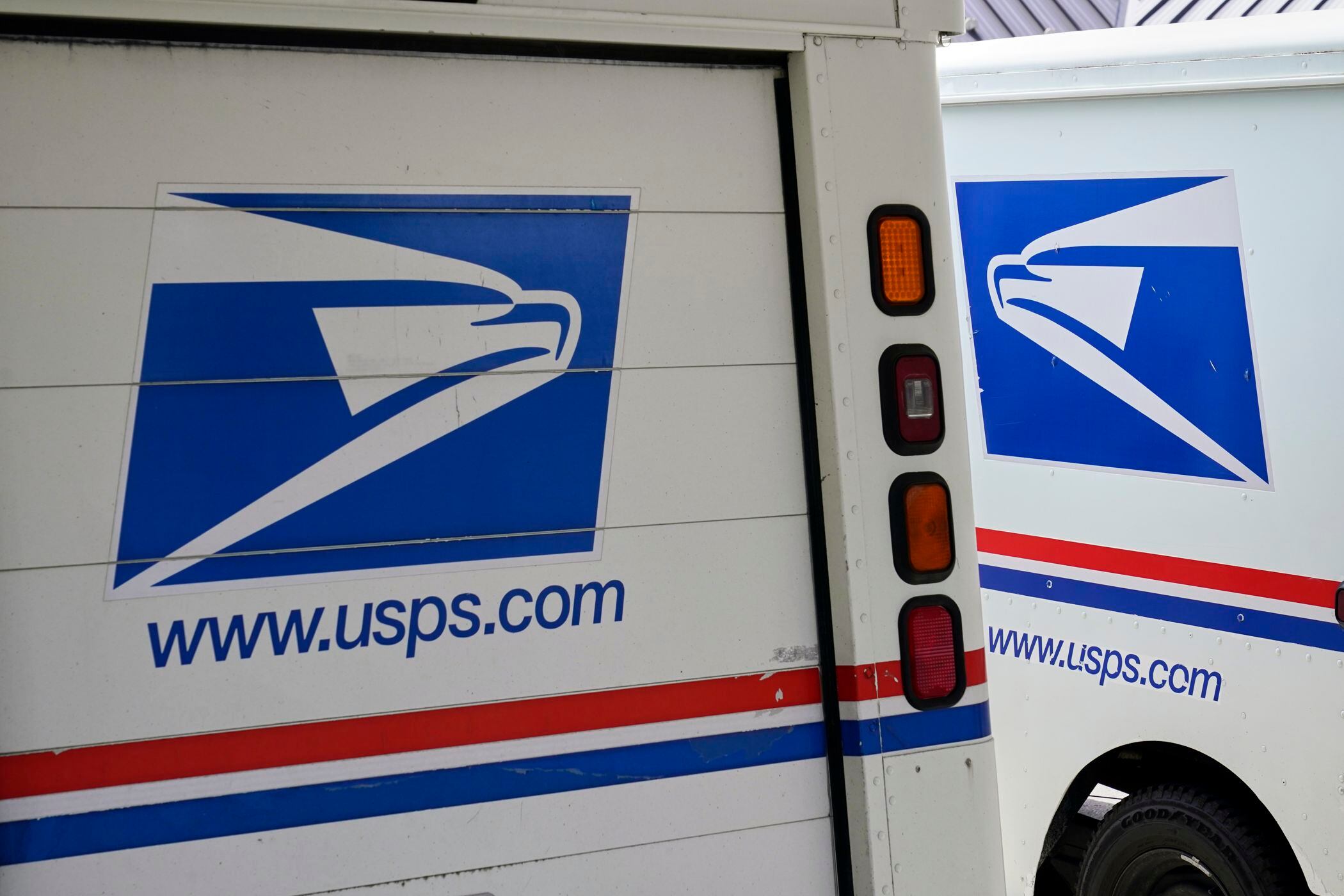
In this Aug. 18, 2020, file photo, mail delivery vehicles are parked outside a post office in Boys Town, Neb. The United States Post Office said Tuesday, Feb. 23, 2021 that it has chosen Oshkosh Defense to build its next-generation mail-delivery vehicle, part of an effort to make the USPS more environmentally friendly by switching a portion of its huge fleet to electric vehicles. (AP Photo/Nati Harnik, File)
The United States Post Office said Tuesday that it has chosen Oshkosh Defense to build its next-generation mail-delivery vehicle, part of an effort to make the USPS more environmentally friendly by switching a portion of its huge fleet to electric vehicles.
Oshkosh Defense, a division of Wisconsin-based Oshkosh Corp., will assemble 50,000 to 165,000 of the new Next Generation Delivery Vehicles at its existing U.S. manufacturing facilities. It will get an initial $482 million toward retooling and building out its factory.
USPS described the deal as the first part of a multibillion-dollar 10-year effort to replace its delivery vehicle fleet.
The choice of Wisconsin-based Oshkosh is a big miss for Ohio-based electric vehicle startup Workhorse Group, which put in an all-electric bid for the vehicles. Shares of Workhorse fell more than 47% Tuesday.
The postal service last updated its mail-delivery trucks 30 years ago, and there have been major changes in the service's operations since then. Traditional mail volumes have declined, while the service now delivers millions of packages from online retailers like Amazon that did not exist when the previous mail vehicle was introduced.
The new vehicles will have more room for packages and will be updated with modern safety and driveability standards like cameras, airbags, and collision avoidance systems. The vehicles will also be a combination of electric and gasoline-powered, but the gasoline-powered new vehicles will have the ability to be retrofitted with new electric systems in the future.
Caitlin Clark is heading to the Indiana Fever, the number one draft pick and the highest-scoring college basketball player of all time. And while she may not be getting millions from the WNBA, there's a few ways she'll net compensation for her generational talents.
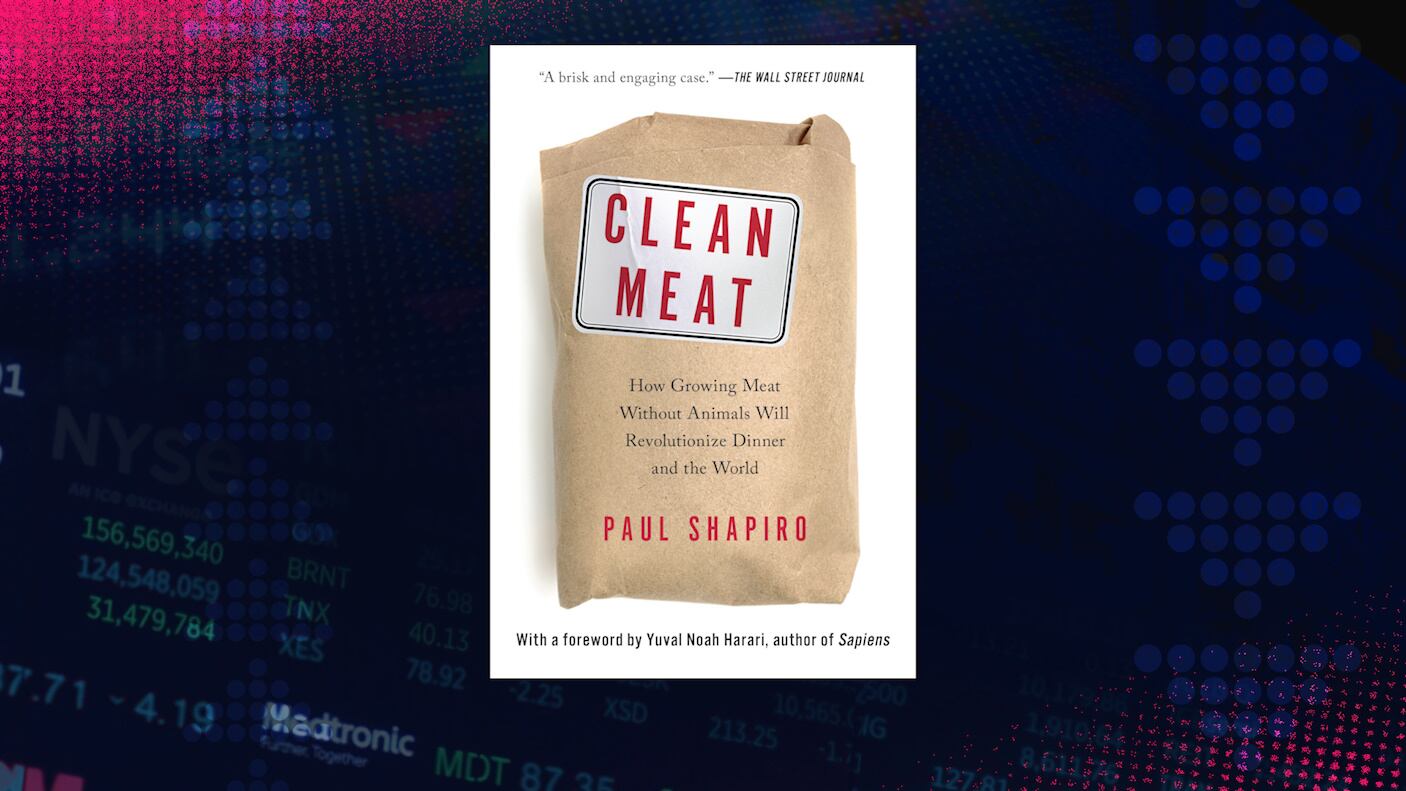
Author of 'Clean Meat,' Paul Shapiro joins Cheddar to discuss how the cellular agricultural revolution helps lower rates of foodborne illness and greatly improves environmental sustainability. Plus, how his company The Better Meat Co. is bringing healthier food options to the table.
Recent headlines might make it sound like World War III is imminent, but when it comes to your finances, it's not the time to panic. The market is coming off its longest winning streak since 2011.
You may have noticed fewer new venture capital-backed startups (like Airbnb or Uber) lately. The market slowed to a crawl after 2021, but things are expected to take off again in 2025.
Corporate earnings season is underway, that time when companies share their billions in sales or double-digit profits. But the data shows even companies are struggling with high inflation and interest rates.
Boeing continues their terrifying trend of having their planes fall apart mid-flight, inflation — checks notes — is still up and the future of AI looks terrifying. Cheery!
Food waste – uneaten scraps or leftovers sent to landfills – is responsible for 10% of global emissions. Mill, a new product from the co-founder of Nest, thinks technology can play a role in eliminating it.
By the time the 2024 election is over, be prepared to see some form of a recession – but this shouldn’t be as bad as what we experienced in 2020 or 2008.
International Master Alice Lee defeated grandmaster Irina Krush to win the American Cup – becoming one of the best women players in the world in the process – but she’s not stopping there.