Sometimes the best way to fight fire is with fire. That's the idea between bug bounty programs using hackers to identify vulnerabilities in the cybersecurity systems of organizations. David Baker, Chief Security Officer at Bugcrowd, a bug bounty management company, explains how his company is exterminating cybersecurity threats.
Baker says the key to cybersecurity is transparency and adds that bug bounties are a way of fostering a relationship between hackers and companies. Uber's massive hack that impacted over 57 million people wasn't due to the absence of a bug bounty program because the ride-hailing company has a robust system in place, according to Baker. He says that from an ethical perspective, Uber's handling of the hack was bad and "they broke the law."
Bugcrowd is working to boost transparency in the cybersecurity space. To do so, it is launching a new tool, called Traffic Control, to give companies more insight and control of their bug bounty programs. The tool allows organizations to uncover additional return on investment from crowdsourced security testing with enhanced visibility into researcher activity, says Bugcrowd.
Activision Blizzard on Thursday released its first annual report on diversity and inclusion, and the results showed that the company has a long way to go before hitting its goals.
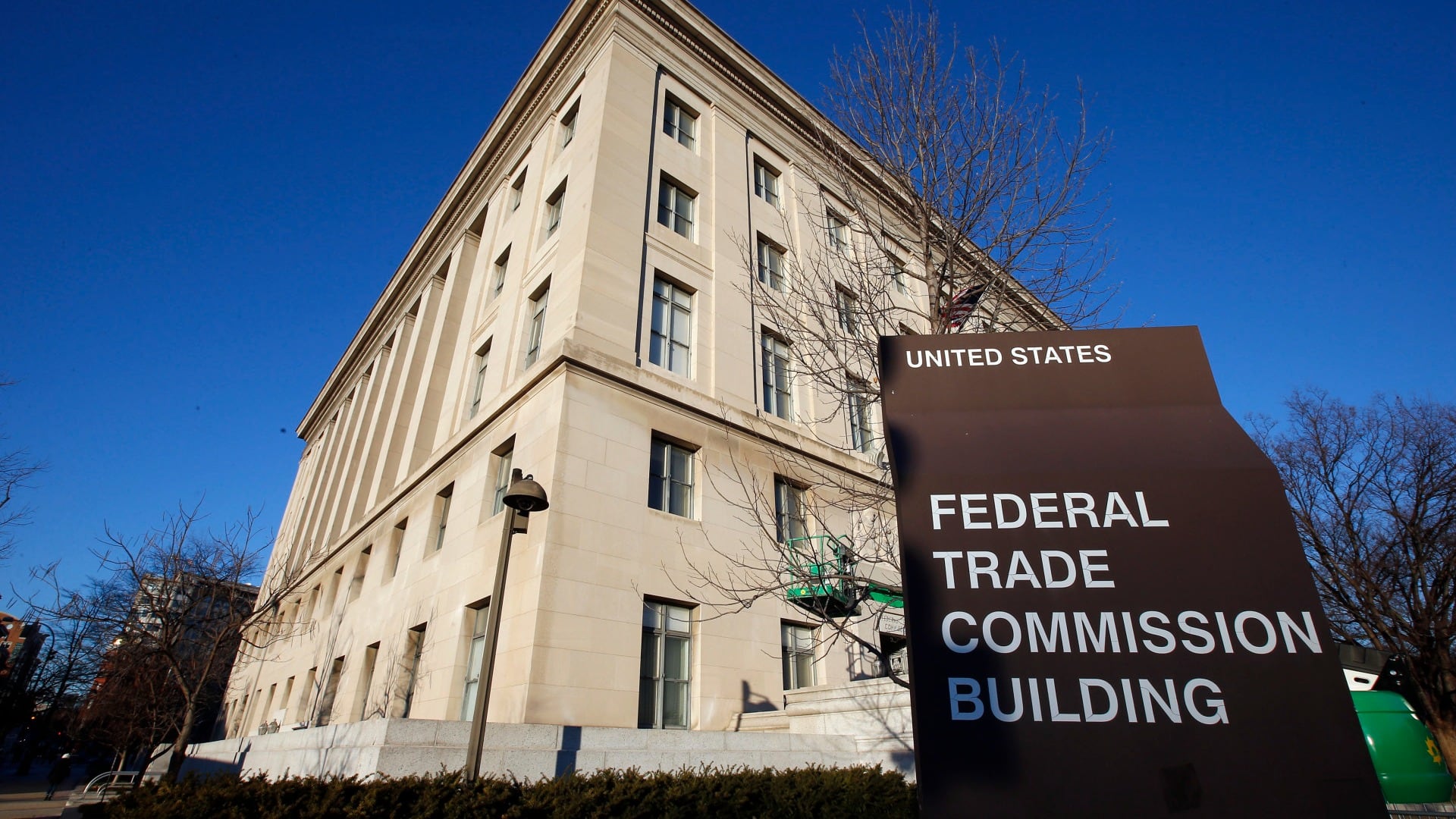
The Federal Trade Commission (FTC) has proposed a new rule that would make it easier for consumers to cancel free subscriptions. The so-called "click to cancel" provision requires sellers to make it as easy for users to cancel subscriptions as it was to subscribe.
Ford's business will gradually transition from its internal combustion vehicles to battery electric vehicles, but combustion vehicles will continue to grow for the next few years, CFO John Lawler told Cheddar News.
The U.S. Department of Health and Human Services has released a plan to overhaul the nation's organ transplant system, which has long been plagued by sometimes lethal delays and IT failures.
Web browser Mozilla is investing $30 million into launching a startup, called Mozilla.ai, focused on building a "trustworthy, independent, and open-source AI ecosystem."