Sometimes the best way to fight fire is with fire. That's the idea between bug bounty programs using hackers to identify vulnerabilities in the cybersecurity systems of organizations. David Baker, Chief Security Officer at Bugcrowd, a bug bounty management company, explains how his company is exterminating cybersecurity threats.
Baker says the key to cybersecurity is transparency and adds that bug bounties are a way of fostering a relationship between hackers and companies. Uber's massive hack that impacted over 57 million people wasn't due to the absence of a bug bounty program because the ride-hailing company has a robust system in place, according to Baker. He says that from an ethical perspective, Uber's handling of the hack was bad and "they broke the law."
Bugcrowd is working to boost transparency in the cybersecurity space. To do so, it is launching a new tool, called Traffic Control, to give companies more insight and control of their bug bounty programs. The tool allows organizations to uncover additional return on investment from crowdsourced security testing with enhanced visibility into researcher activity, says Bugcrowd.
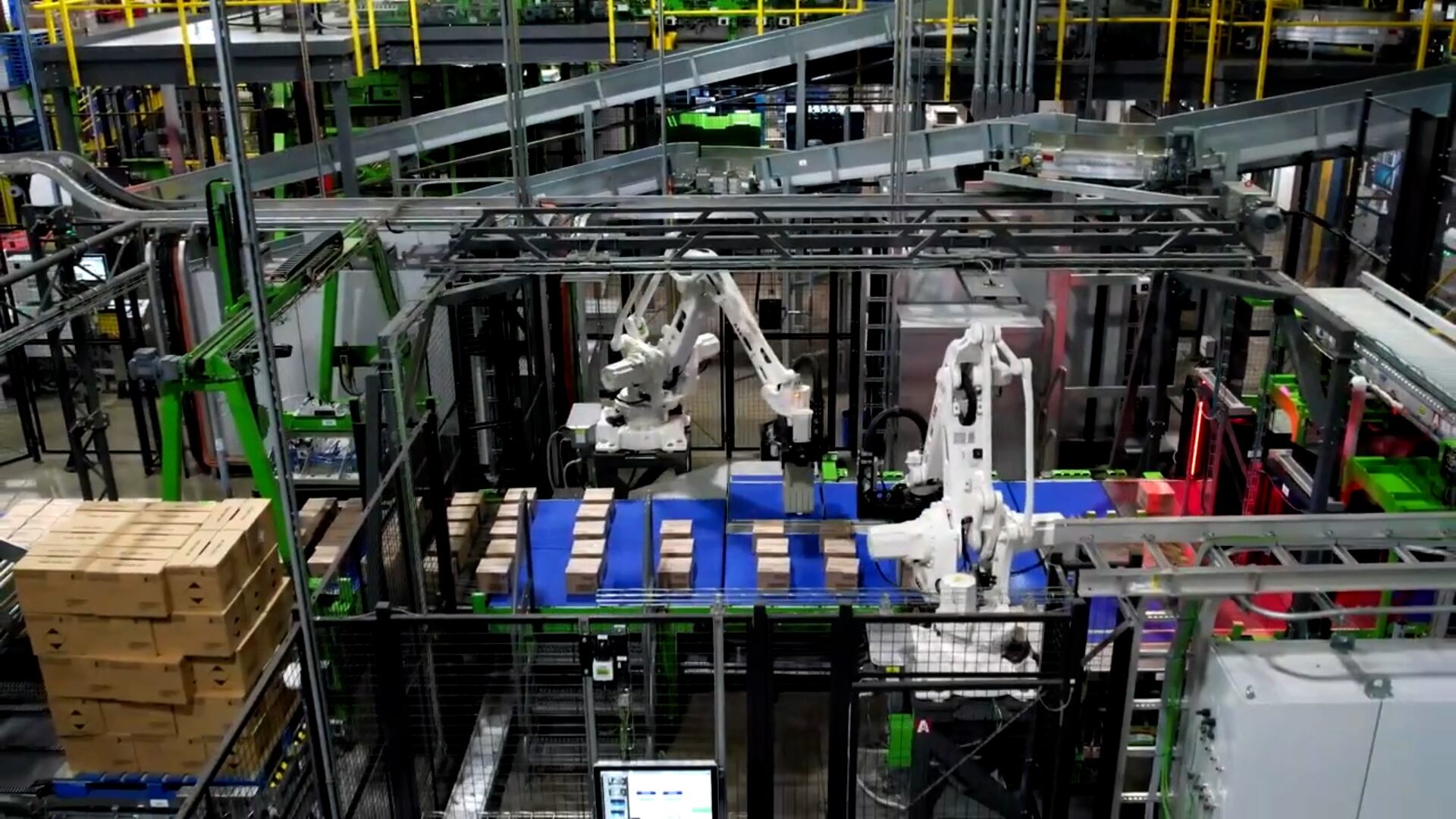
Robotics automation technology company Symbotic made its market debut on the Nasdaq via a SPAC merger with SVF Investment Corp. 3, a special purpose acquisition company sponsored by an affiliate of SoftBank Investment Advisers. Symbotic rang the Opening Bell at the Nasdaq to celebrate the occasion this morning. Its debut on Wall Street comes amid an urgent need for logistics solutions, as it aims to reimagine supply chains with its A.I.-powered robotic and software platform. Tom Earnst, CFO of Symbotic, and Vikas Parekh, managing partner at Softbank Investment Advisors, join Cheddar News' Closing Bell to discuss.
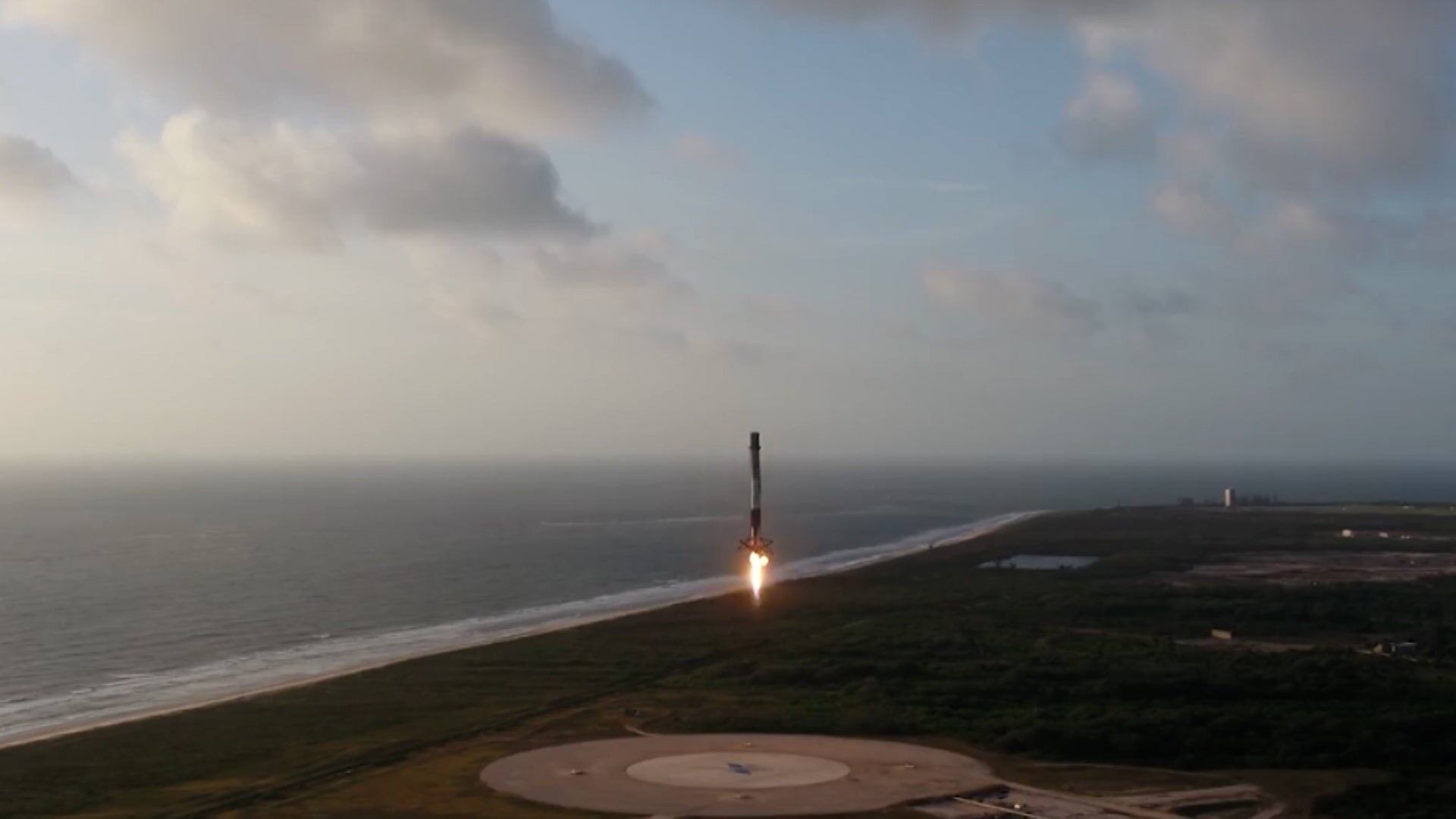
Michelle Castillo joined Closing Bell to break down Elon Musk's announcement to SpaceX employees that the Starlink internet business might not see itself as an IPO until 2025, Twitter planning to hand over the user data he requested as a condition of the acquisition, and Warren Buffet-backed Chinese EV company BYD stating it will be supplying batteries to Tesla "very soon."
Meta announced its plans to join the Cannes Lions International Festival of Creativity. This is leaving businesses and customers wondering what the tech giant has in store for the event. Nicola Mendelsohn, the vice president of the global business group at Meta, joined Cheddar News to preview what the tech giant will discuss at this year's festival. "We're going to be showcasing more about reels. We're going to be talking about our commerce solutions, are messaging solutions, and of course, the method of us speaking of new ways to kind of connect with customers," she said.
Paul Tracey, Founder & CEO of Innovative Technologies, and author of 'Delete The Hacker Playbook' and 'Cyber Storm', joins Cheddar to discuss the most effective ways to protect small businesses from cyber attacks, the labor shortage's effects on cybercrime, and how businesses and employees can stay cyber secure while working from home.
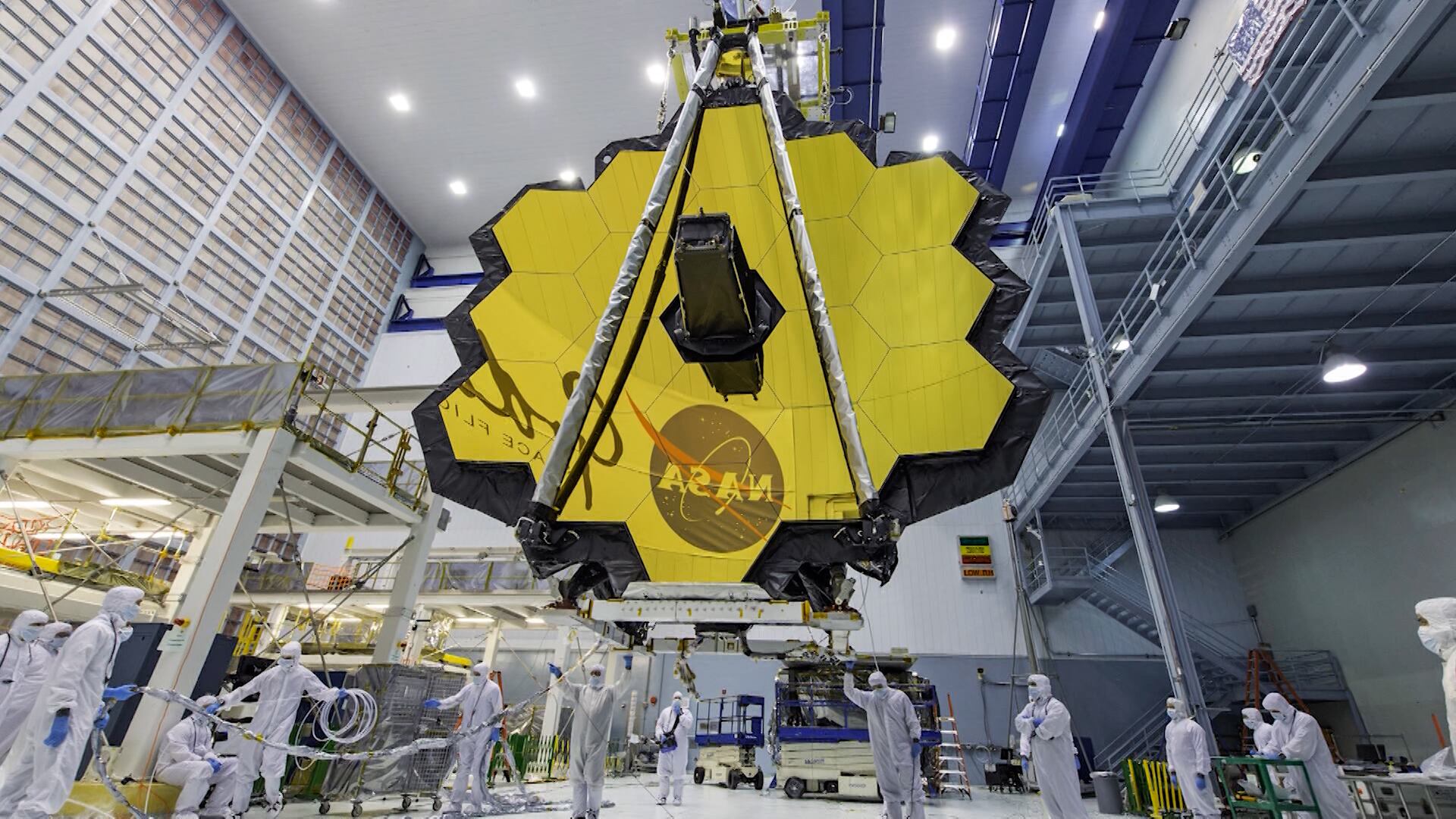
NASA has announced that the first official full-color images will be beamed back to Earth from the James Webb Telescope on July 12. Gregory L. Robinson, the director of the James Webb Space Telescope Program in the NASA Science Mission Directorate, joined Cheddar News to discuss the anticipated image drop. “We expect to see the universe different," he said. "Webb will allow us to see much, much clearer and deeper into the universe."