The U.S. Department of Agriculture is proposing a new rule to narrow what products qualify for a "Product of USA” or “Made in the USA” label. Now only meat, poultry and egg products from animals "born, raised, slaughtered, and processed in the United States" will make the grade.
Right now, companies can put that label on meat from animals that were raised in a foreign country but slaughtered in the U.S., or meat that was butchered in a different country but repackaged here.
The agency said the change delivers on President Joe Biden's executive order to promote American products and producers, and another order from the administration calling for government action to increase competition in the meat and poultry supply chain.
“American consumers expect that when they buy a meat product at the grocery store, the claims they see on the label mean what they say,” said Agriculture Secretary Tom Vilsack in a press release. “These proposed changes are intended to provide consumers with accurate information to make informed purchasing decisions."
However, the label will continue to be voluntary, and producers still won't need approval by the USDA's Food Safety and Inspection Service (FSIS). Companies just need to keep supporting documentation on file for an inspector to verify at their discretion.
If the A.I. hype hasn’t given you enough of a reason to be excited (and a little terrified), the CEO of Zapata AI says the next frontier is designing bridges or creating pharmaceutical drugs.
Stocks are near record highs, inflation is moderating, and analyst Deiya Pernas is 'optimistic' the U.S. is heading for a soft landing without a recession – which is good news for your wallet.
Google co-founders Larry Page and Sergey Brin loved pulling pranks, so much so they began rolling outlandish ideas every April Fools' Day not long after starting their company more than a quarter century ago.
Sam Bankman-Fried co-founded the FTX crypto exchange in 2019 and quickly built it into the world’s second most popular place to trade digital currency. It collapsed almost as quickly — by the fall of 2022, it was bankrupt.
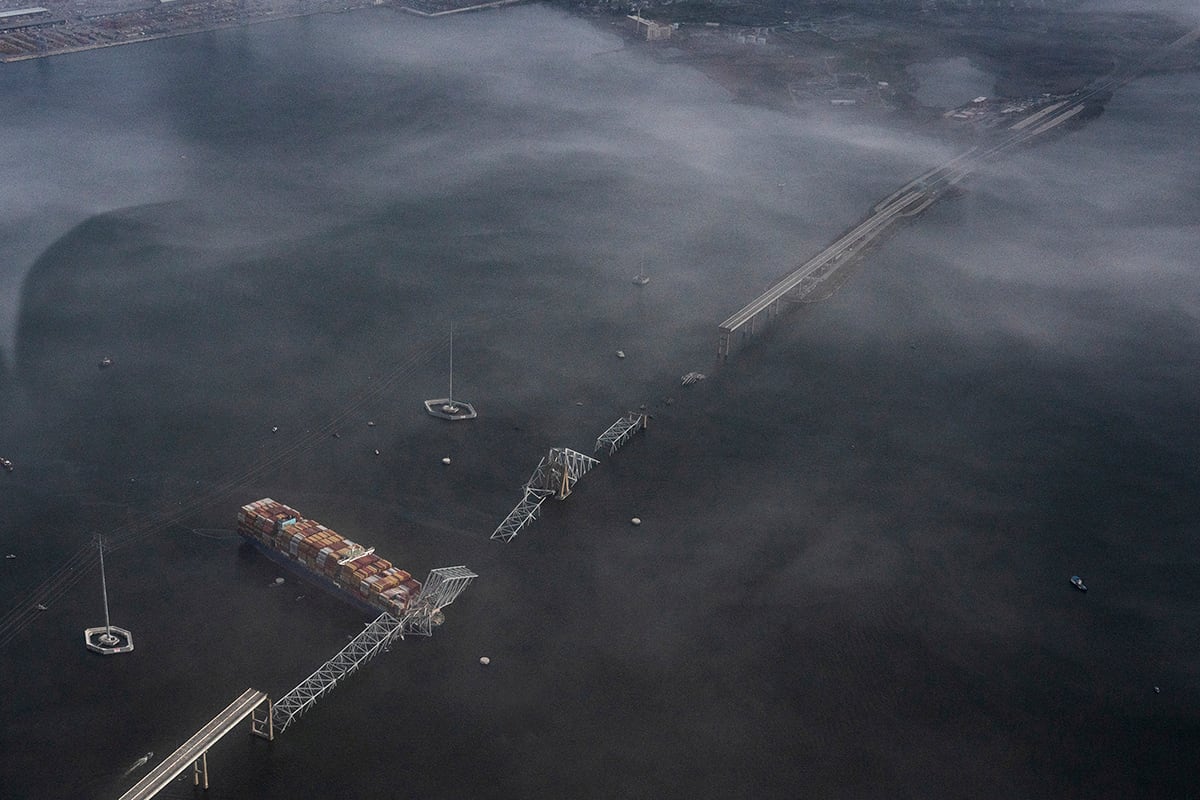
The economic effects of the Baltimore bridge collapse, Americans are living longer but not better, and Gen Z and millennials are struggling to afford rent, let alone a mortgage.
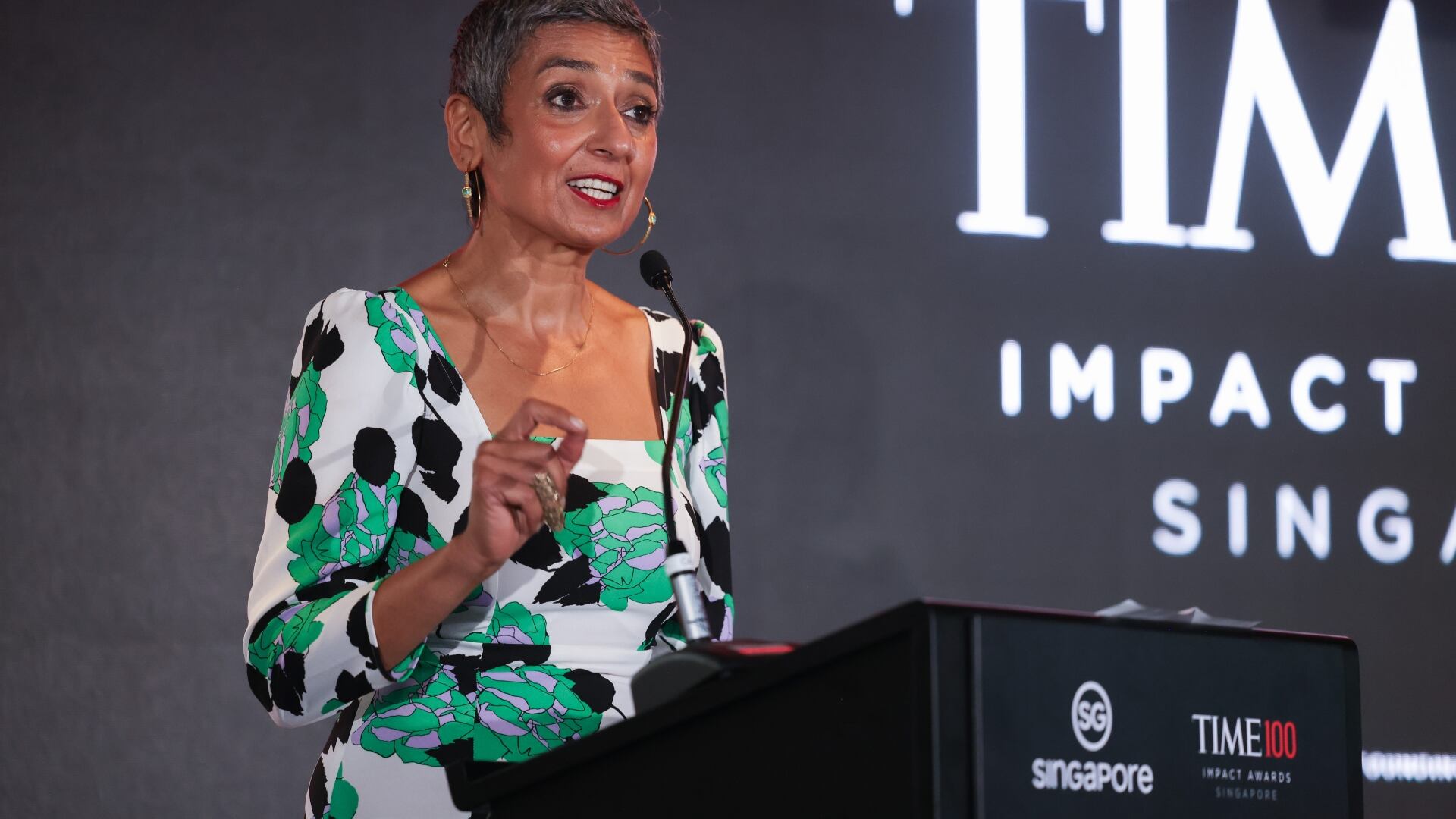
Zainab Salbi, founder of Women for Women International and co-founder of Daughters for Earth, shares why she is putting women in positions of power to fight the climate crisis.