The U.S. Department of Agriculture is proposing a new rule to narrow what products qualify for a "Product of USA” or “Made in the USA” label. Now only meat, poultry and egg products from animals "born, raised, slaughtered, and processed in the United States" will make the grade.
Right now, companies can put that label on meat from animals that were raised in a foreign country but slaughtered in the U.S., or meat that was butchered in a different country but repackaged here.
The agency said the change delivers on President Joe Biden's executive order to promote American products and producers, and another order from the administration calling for government action to increase competition in the meat and poultry supply chain.
“American consumers expect that when they buy a meat product at the grocery store, the claims they see on the label mean what they say,” said Agriculture Secretary Tom Vilsack in a press release. “These proposed changes are intended to provide consumers with accurate information to make informed purchasing decisions."
However, the label will continue to be voluntary, and producers still won't need approval by the USDA's Food Safety and Inspection Service (FSIS). Companies just need to keep supporting documentation on file for an inspector to verify at their discretion.
Disney shareholders have rallied behind longtime CEO Robert Iger. They voted Wednesday to rebuff activist investor Nelson Peltz and his ally, former Disney chief financial officer Jay Rasulo.
Student loan borrowers have the ability to earn retirement funds pegged to their payments – and the company Summer might be bringing it to your workplace.
It might not be what investors want to hear… but bringing down inflation could mean interest rates stay higher for (even) longer. But it's not all downside.
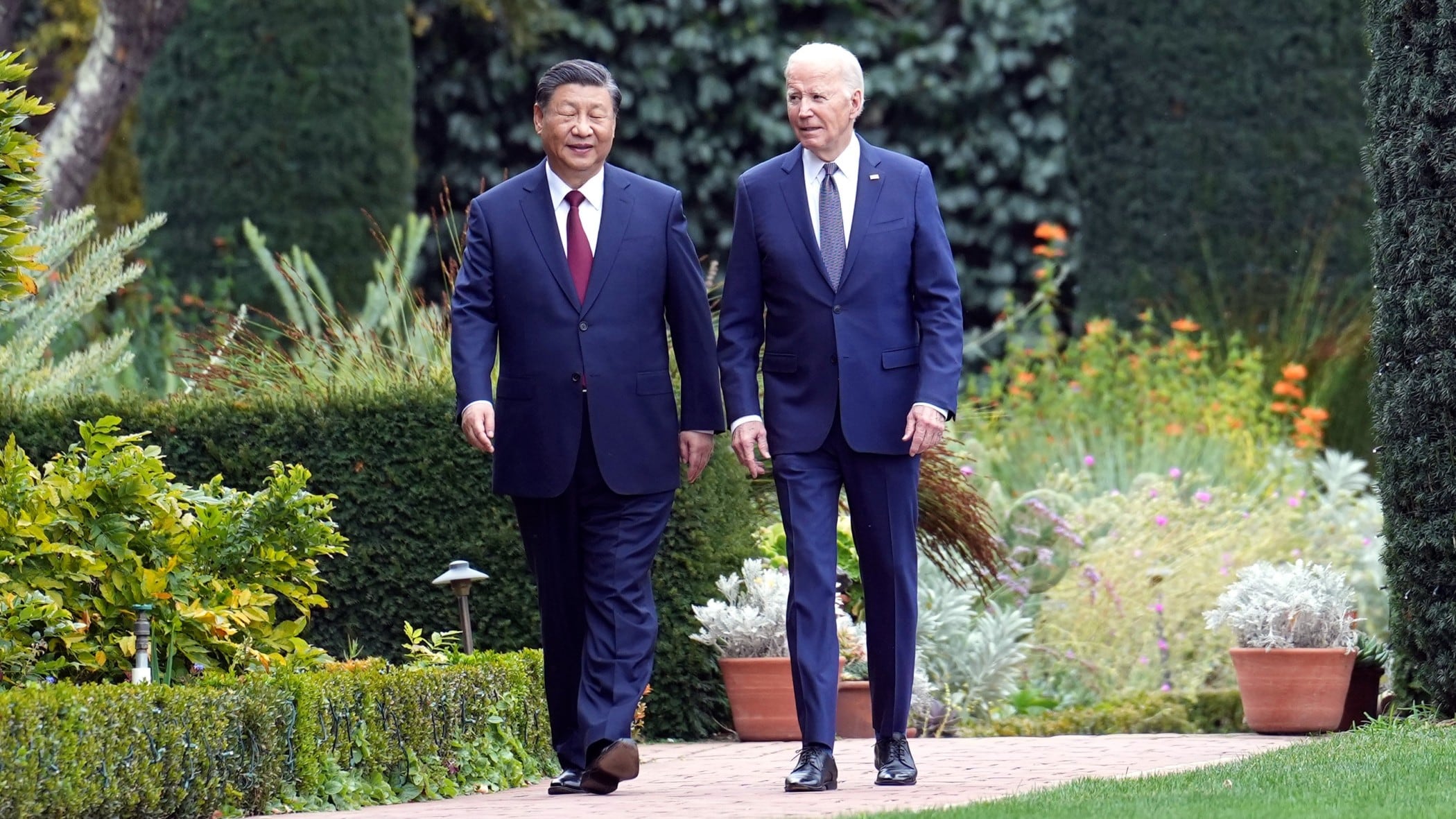
President Joe Biden and Chinese President Xi Jinping have discussed Taiwan, artificial intelligence and security issues in a call meant to demonstrate a return to regular leader-to-leader dialogue between the two powers.
April is Earth month, and while the green revolution might feel far away, the founder of climate VC Siam Capital says it’s on it’s way, and, even better: it won't cost you more.
From snow in April to heatwaves in December, it’s hard to plan a trip in a climate change world. Startup Sensible Weather thinks weather-based travel reimbursements are the solution.
Between corporate debt and the widening gap between ‘the haves and the have nots,’ there are reasons to be cautious about the economy, even with interest rate cuts on their way.