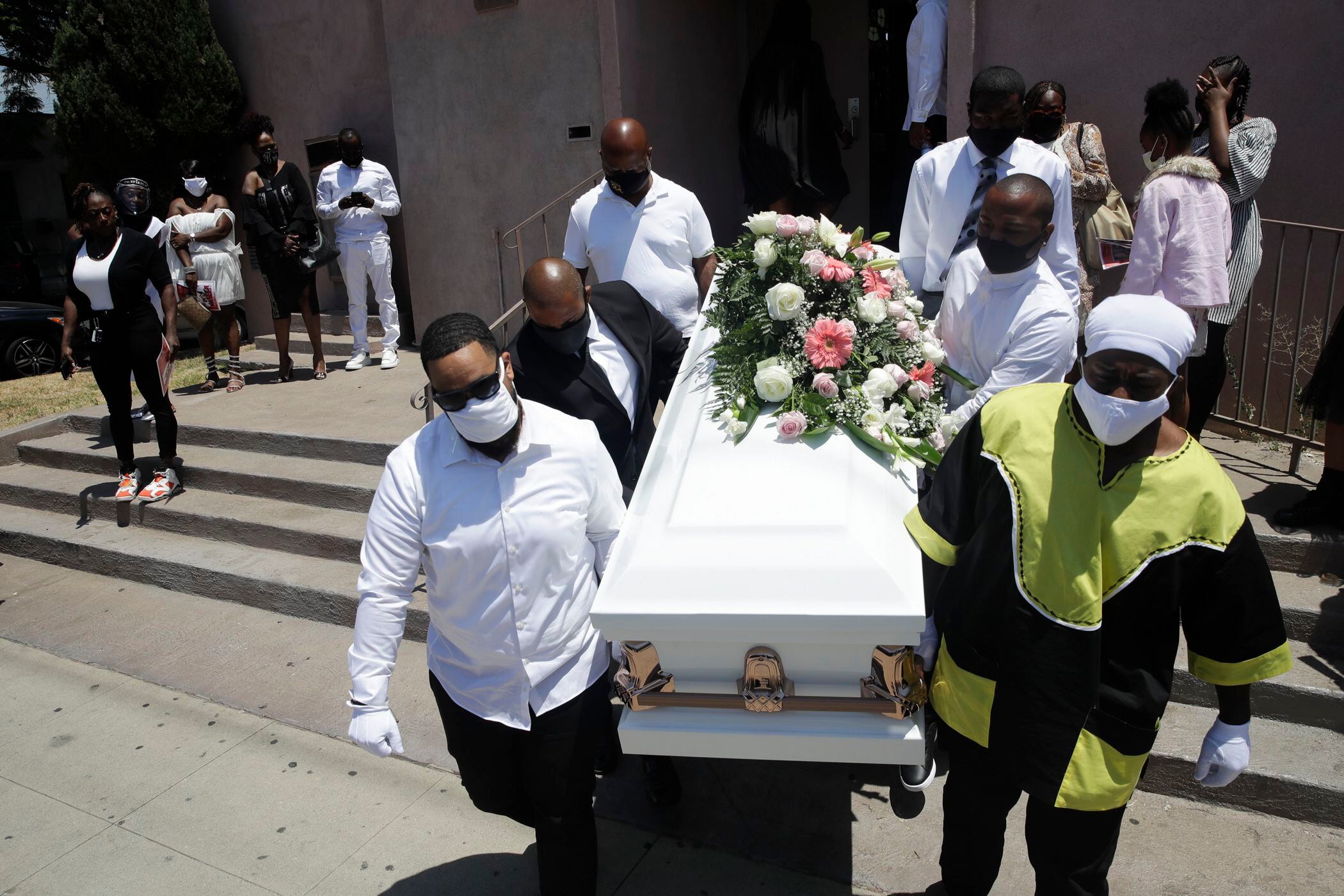
In this July 21, 2020, file photo, pall bearers carry a casket with the body of Lydia Nunez, who died from COVID-19, after a funeral service at the Metropolitan Baptist Church in Los Angeles. The U.S. death toll from the coronavirus has eclipsed 400,000 in the waning hours in office for President Donald Trump, whose handling of the crisis has been judged by public health experts to be a singular failure. (AP Photo/Marcio Jose Sanchez, File)
The U.S. death toll from the coronavirus eclipsed 400,000 on Tuesday in the waning hours in office for President Donald Trump, whose handling of the crisis has been judged by public health experts a singular failure.
The running total of lives lost, as compiled by Johns Hopkins University, is nearly equal to the number of Americans killed in World II. It is about the population of Tulsa, Oklahoma; Tampa, Florida; or New Orleans. It is equivalent to the sea of humanity that was at Woodstock in 1969.
It is just short of the estimated 409,000 Americans who died in 2019 of strokes, Alzheimer’s, diabetes, flu and pneumonia combined.
And the virus isn't finished with the U.S. by any means, even with the arrival of the vaccines that could finally vanquish the outbreak: A widely cited model by the University of Washington projects the death toll will reach nearly 567,000 by May 1.
While the Trump administration has been credited with Operation Warp Speed, the crash program to develop and distribute coronavirus vaccines, Trump has repeatedly downplayed the threat, mocked masks, railed against lockdowns, promoted unproven and unsafe treatments, undercut scientific experts and expressed scant compassion for the victims.
Even his own bout with COVID-19 seemed to leave him unchanged.
The White House defended the administration.
“We grieve every single life lost to this pandemic, and thanks to the president’s leadership, Operation Warp Speed has led to the development of multiple safe and effective vaccines in record time, something many said would never happen," said White House spokesman Judd Deere.
President-elect Joe Biden takes office on Wednesday.
The nation reached the 400,000 milestone in just under a year. The first known deaths from the virus in the U.S. were in early February 2020, both of them in Santa Clara County, California.
While the count is based on figures supplied by government agencies around the world, the real death toll is believed to be significantly higher, in part because of inadequate testing and cases inaccurately attributed to other causes early on.
It took four months to reach the first 100,000 dead. It took just over a month to go from 300,000 to 400,000.
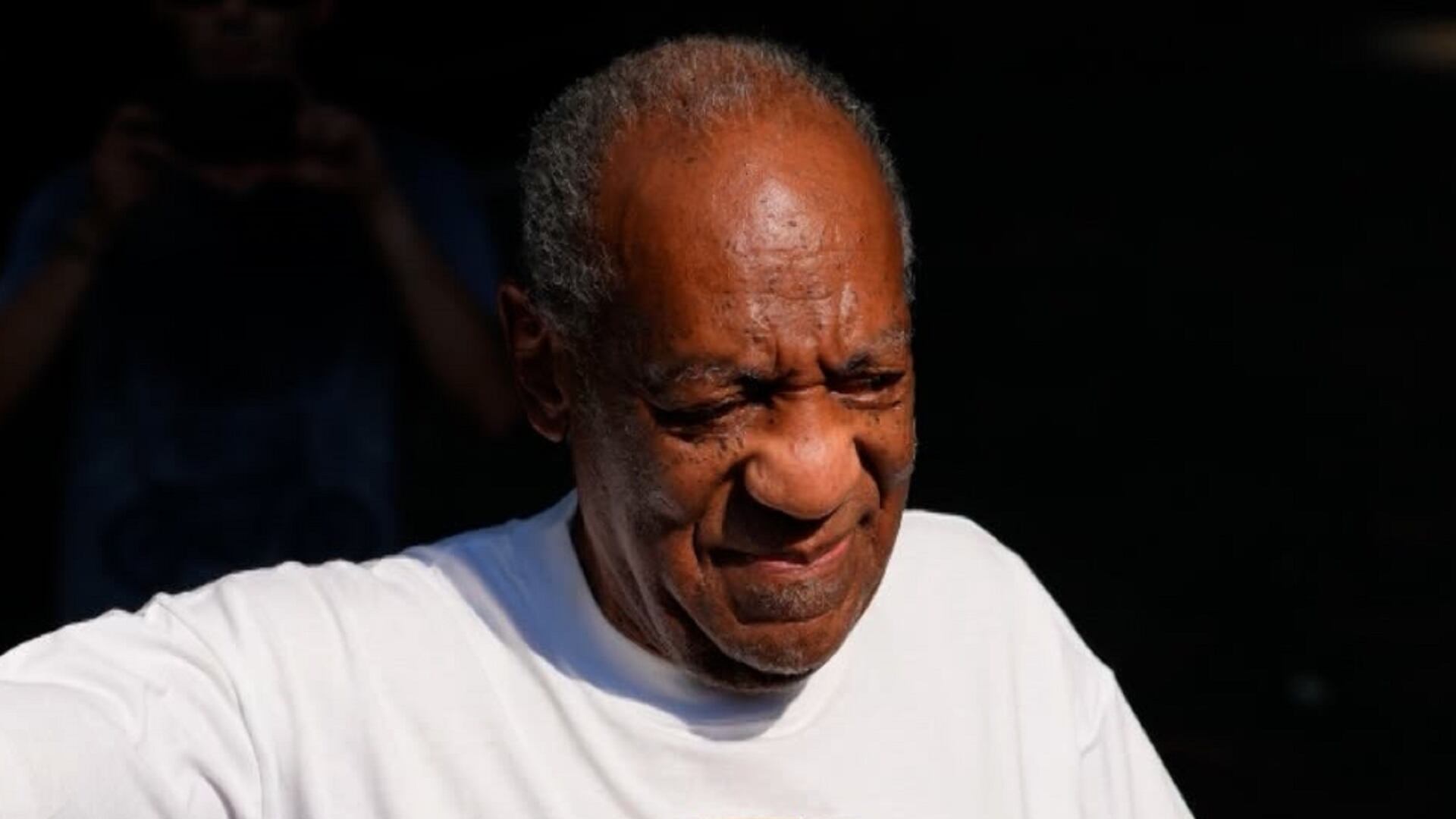
After premiering at the 2022 Sundance Festival, Showtime is slated to drop the four-part docuseries "We Need to Talk About Bill Cosby" this Sunday. Director W. Kamau Bell joined Cheddar to discuss the sensitive project and about coming to grips with the reality of who Bill Cosby is following the numerous allegations of sexual assault. Bell said the biggest takeaway from the project is that survivors are not only looking for the 84-year-old comedian to be held accountable, they also want to prevent future assaults. "Maybe the key thing to learn is how do we create a society that is more supportive and accepting particularly women in this case who are survivors of sexual assault," Bell said.
Tax season is now underway, and it's going to be a bit different than in years past. For starters, the deadline is April 18, instead of the typical April 15th, and many Americans will need to account for advance child tax credit payments, the return of the recovery rebate credit, and a special break for charitable contributions, among other things. Brent Weiss, Co-Founder and certified financial planner at Facet Wealth, tells us what we need to know about filing our taxes this year, and when we can expect to receive our returns.
College enrollment has been on a steady decline for years, and the pandemic hasn't helped. Since the start of the pandemic, there has been a 6.6% — more than 1 million students — drop in undergraduate enrollment, according to a recent report. Douglas Belkin, higher education reporter at the Wall Street Journal, joined Cheddar to discuss the long-term implications of students sitting out of college, and what institutions can do about it.
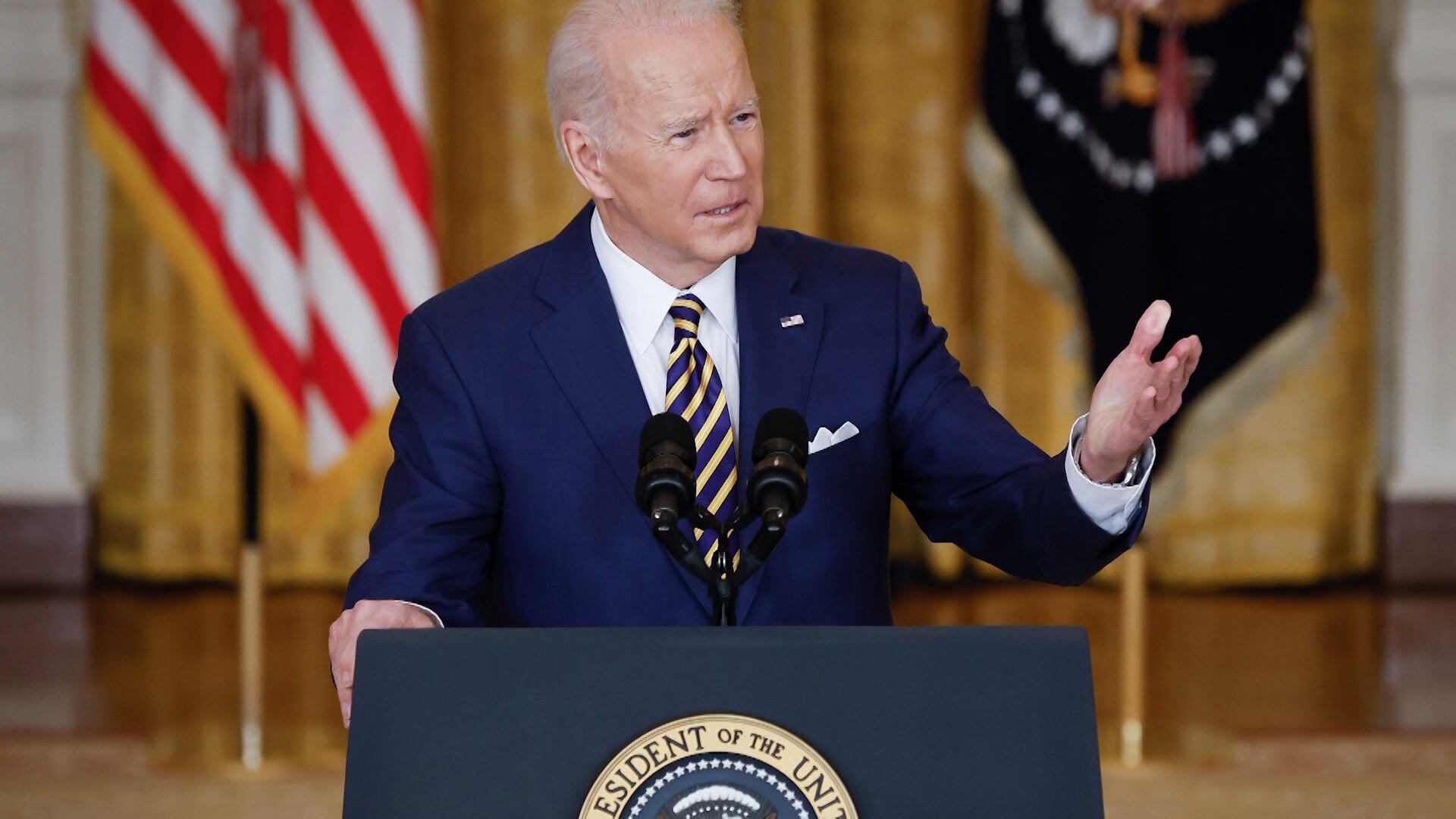
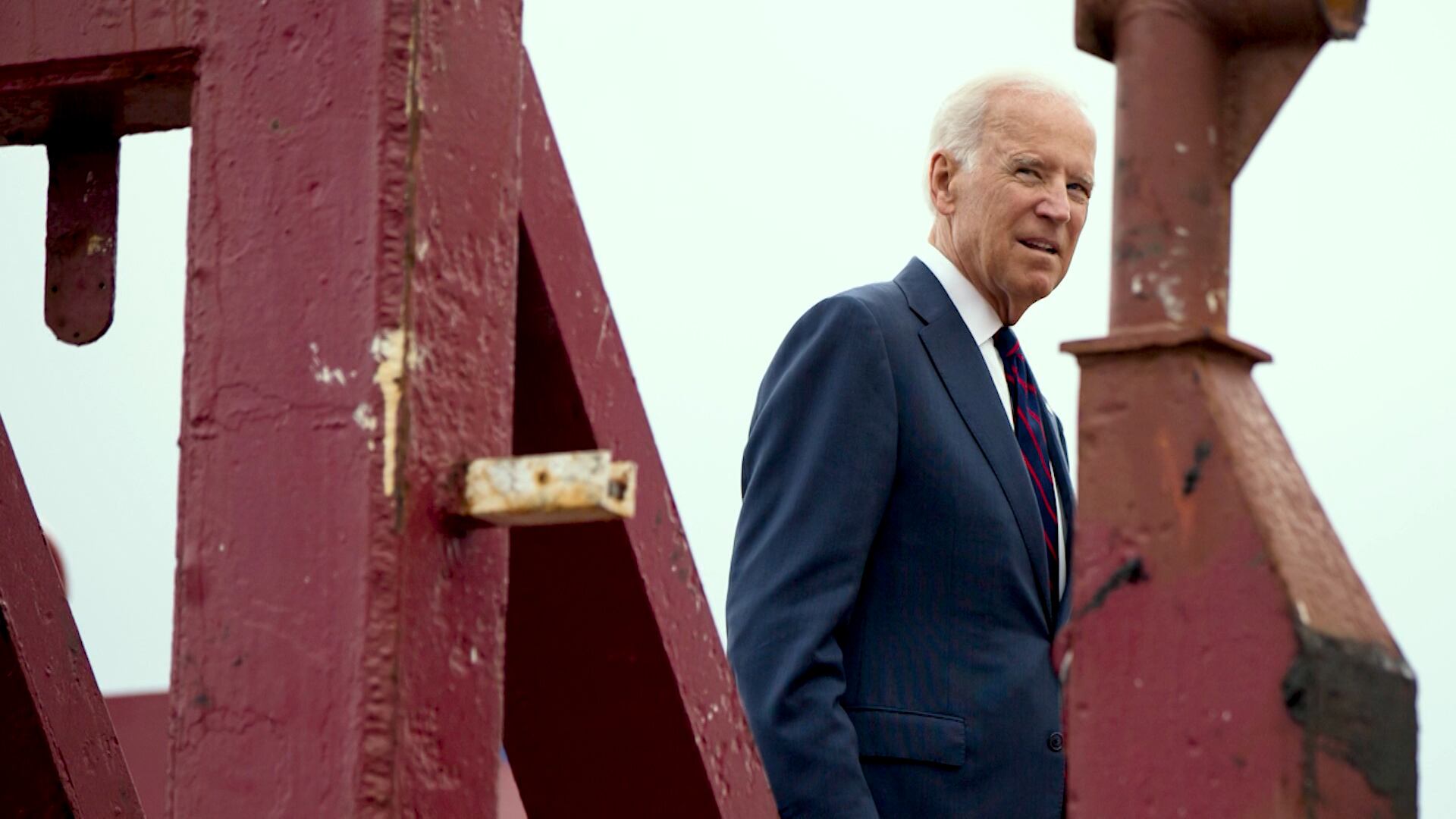
As the midterm election looms, things aren't looking too promising for President Joe Biden. One year into his term as president, Biden is facing one of the lowest approval ratings of any modern-day president, threatening his party's control of the House in 2022. Brian Bennett, Senior White House Correspondent for TIME, joined Cheddar's Opening Bell to discuss.
A full one year into his term as President of The United States, President Biden addressed the nation on Wednesday, facing questions on everything from inflation to chip shortages and covid-19. As Biden enters his second year in office, he is facing one of the lowest approval ratings of any modern-day president. Kate Davidson, Reporter, POLITICO joined Cheddar's Opening Bell to discuss.
San Diego has just implemented a new law that could set the stage for how the country deals with food waste. This new law hopes to make a dent in that. Businesses and groceries stores out in San Diego will need to put a plan in place to *donate edible food rather than toss it straight to the trash. Food Rescue Manager at Feeding San Diego, Kate Garret
The streaming giant Netflix posted its latest earnings from its fourth quarter after the close on Thursday. The company's stock plummeted shortly after the company warned that its rate of subscription additions are slowing down. Senior Reporter at MarketWatch Jon Swartz, joined Cheddar to discuss more.