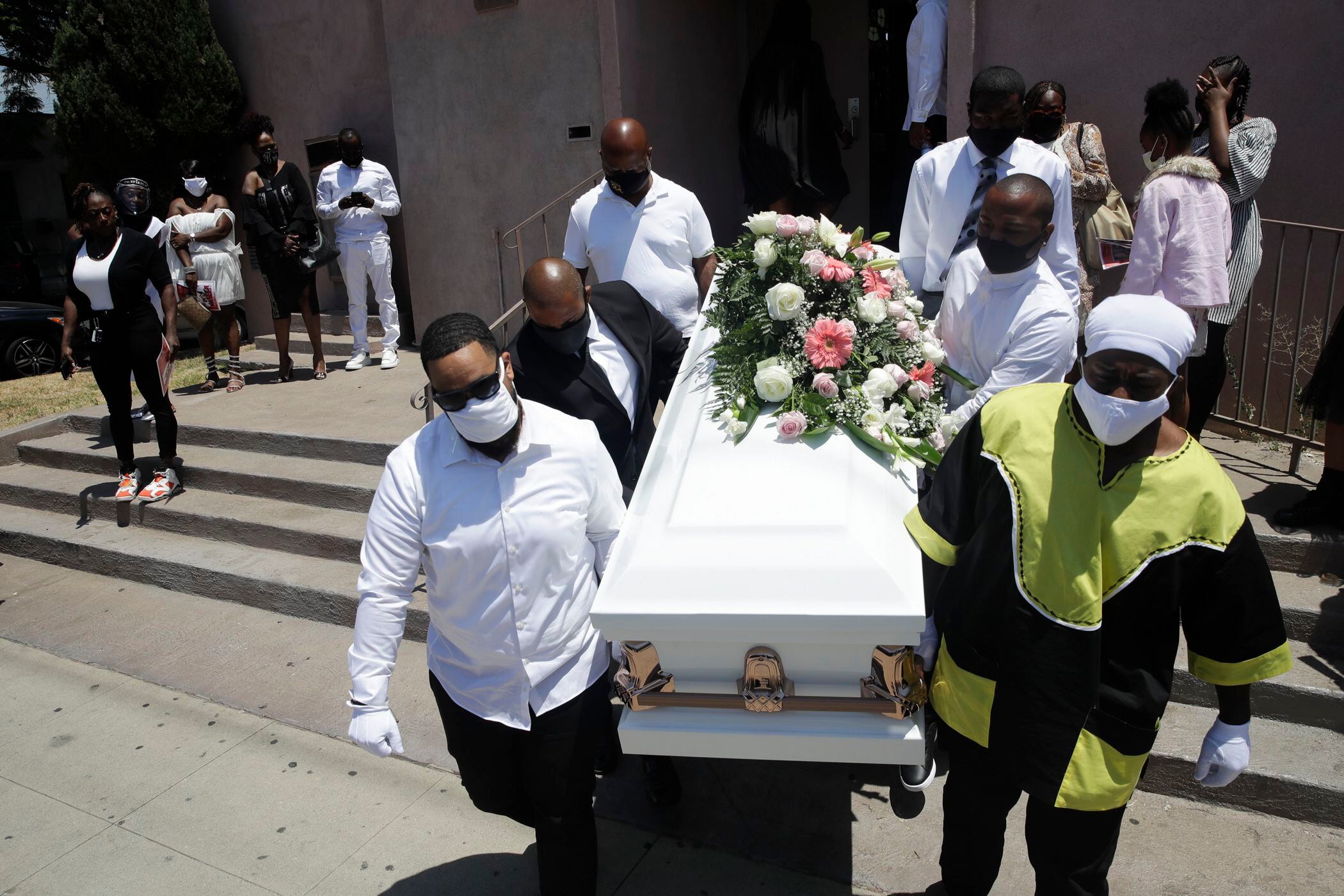
In this July 21, 2020, file photo, pall bearers carry a casket with the body of Lydia Nunez, who died from COVID-19, after a funeral service at the Metropolitan Baptist Church in Los Angeles. The U.S. death toll from the coronavirus has eclipsed 400,000 in the waning hours in office for President Donald Trump, whose handling of the crisis has been judged by public health experts to be a singular failure. (AP Photo/Marcio Jose Sanchez, File)
The U.S. death toll from the coronavirus eclipsed 400,000 on Tuesday in the waning hours in office for President Donald Trump, whose handling of the crisis has been judged by public health experts a singular failure.
The running total of lives lost, as compiled by Johns Hopkins University, is nearly equal to the number of Americans killed in World II. It is about the population of Tulsa, Oklahoma; Tampa, Florida; or New Orleans. It is equivalent to the sea of humanity that was at Woodstock in 1969.
It is just short of the estimated 409,000 Americans who died in 2019 of strokes, Alzheimer’s, diabetes, flu and pneumonia combined.
And the virus isn't finished with the U.S. by any means, even with the arrival of the vaccines that could finally vanquish the outbreak: A widely cited model by the University of Washington projects the death toll will reach nearly 567,000 by May 1.
While the Trump administration has been credited with Operation Warp Speed, the crash program to develop and distribute coronavirus vaccines, Trump has repeatedly downplayed the threat, mocked masks, railed against lockdowns, promoted unproven and unsafe treatments, undercut scientific experts and expressed scant compassion for the victims.
Even his own bout with COVID-19 seemed to leave him unchanged.
The White House defended the administration.
“We grieve every single life lost to this pandemic, and thanks to the president’s leadership, Operation Warp Speed has led to the development of multiple safe and effective vaccines in record time, something many said would never happen," said White House spokesman Judd Deere.
President-elect Joe Biden takes office on Wednesday.
The nation reached the 400,000 milestone in just under a year. The first known deaths from the virus in the U.S. were in early February 2020, both of them in Santa Clara County, California.
While the count is based on figures supplied by government agencies around the world, the real death toll is believed to be significantly higher, in part because of inadequate testing and cases inaccurately attributed to other causes early on.
It took four months to reach the first 100,000 dead. It took just over a month to go from 300,000 to 400,000.
Jeff Softley, direct to consumer president at Experian, joins Cheddar News to discuss what it means to be credit invisible, how big of an issue this is in the U.S., and what resources are out there to bridge this gap.
Sēkr, a mobile app that aims to improve and digitize the outdoor travel experience, announced this week that it raised a $2.25 million seed round. In the Sēkr app, users can get access to more than 50,000 campsites throughout the U.S. including the nation's largest database of free campsites. The company is saying it is on a mission to make every step of the planning experience for outdoor travel easier, safer, and more social. Breanne Acio, co-founder and CEO of Sēkr, and Jess Shisler, co-founder and COO, joined Cheddar News' Closing Bell to discuss.
In a 5-4 vote, the U.S. Supreme Court allowed for a controversial new version of the Alabama congressional map to remain in place. The lower court had previously ordered that the state must redraw that congressional map because it violates the Voting Rights Act by diluting the political power of Black voters. Redistricting expert Yurij Rudensky joins Cheddar News to weigh in.
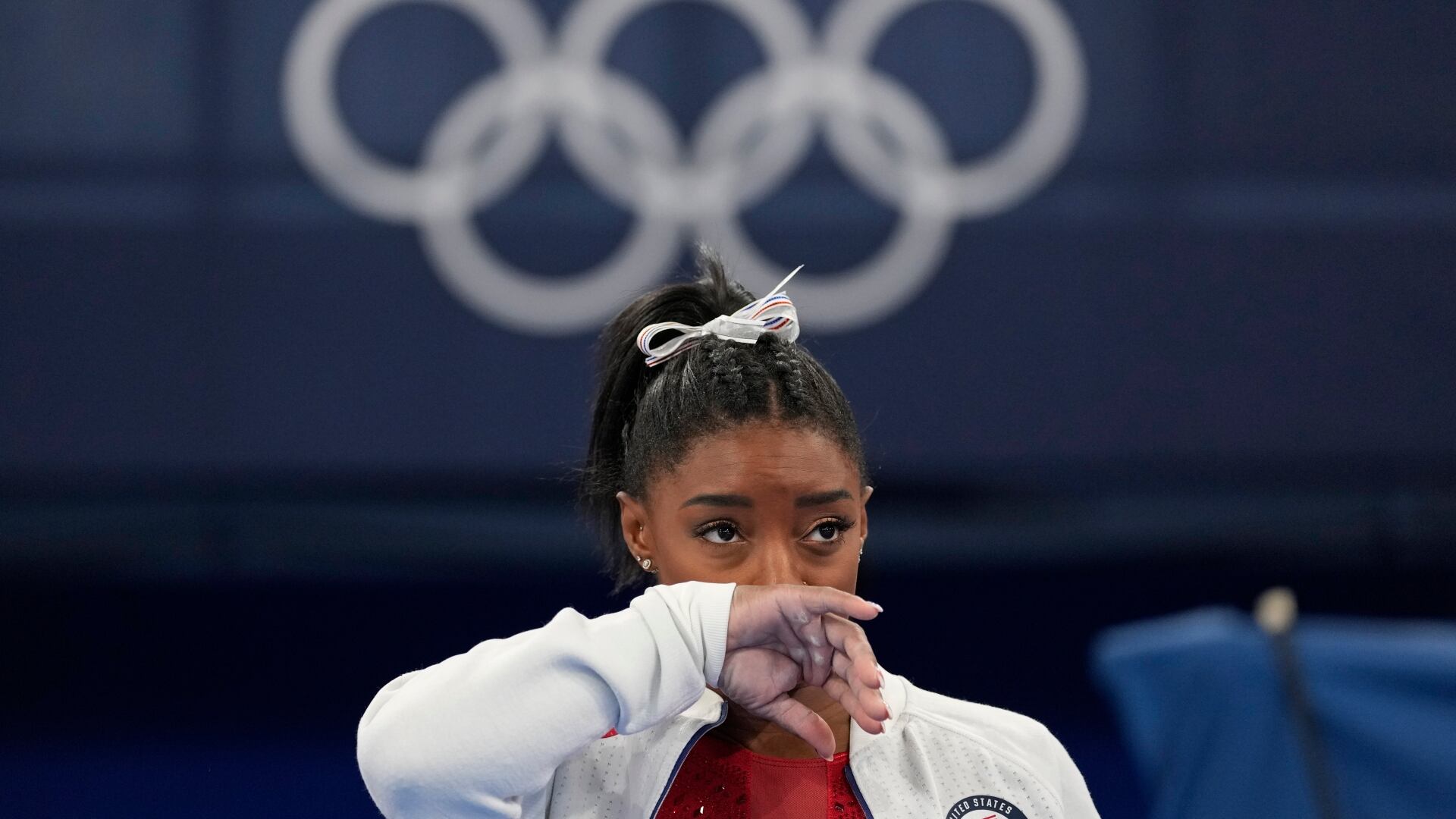
The Winter Olympics are in full swing and athletes from around the globe are showcasing their elite skills at a wide variety of events. There's a lot of excitement but also a lot of pressure for these athletes. Former NFL defensive tackle and Super Bowl champion Dominique Easley joined Cheddar News to weigh in.
American freestyle skier Jaelin Kauf joins Cheddar News to talk about taking home the silver medal in the Women's Moguls Final at the 2022 Winter Olympics.
This episode of ChedHER is all about helping women thrive in their careers and rise up in the ranks. Guests include female leaders from across industries including sports, advertising, and so much more.
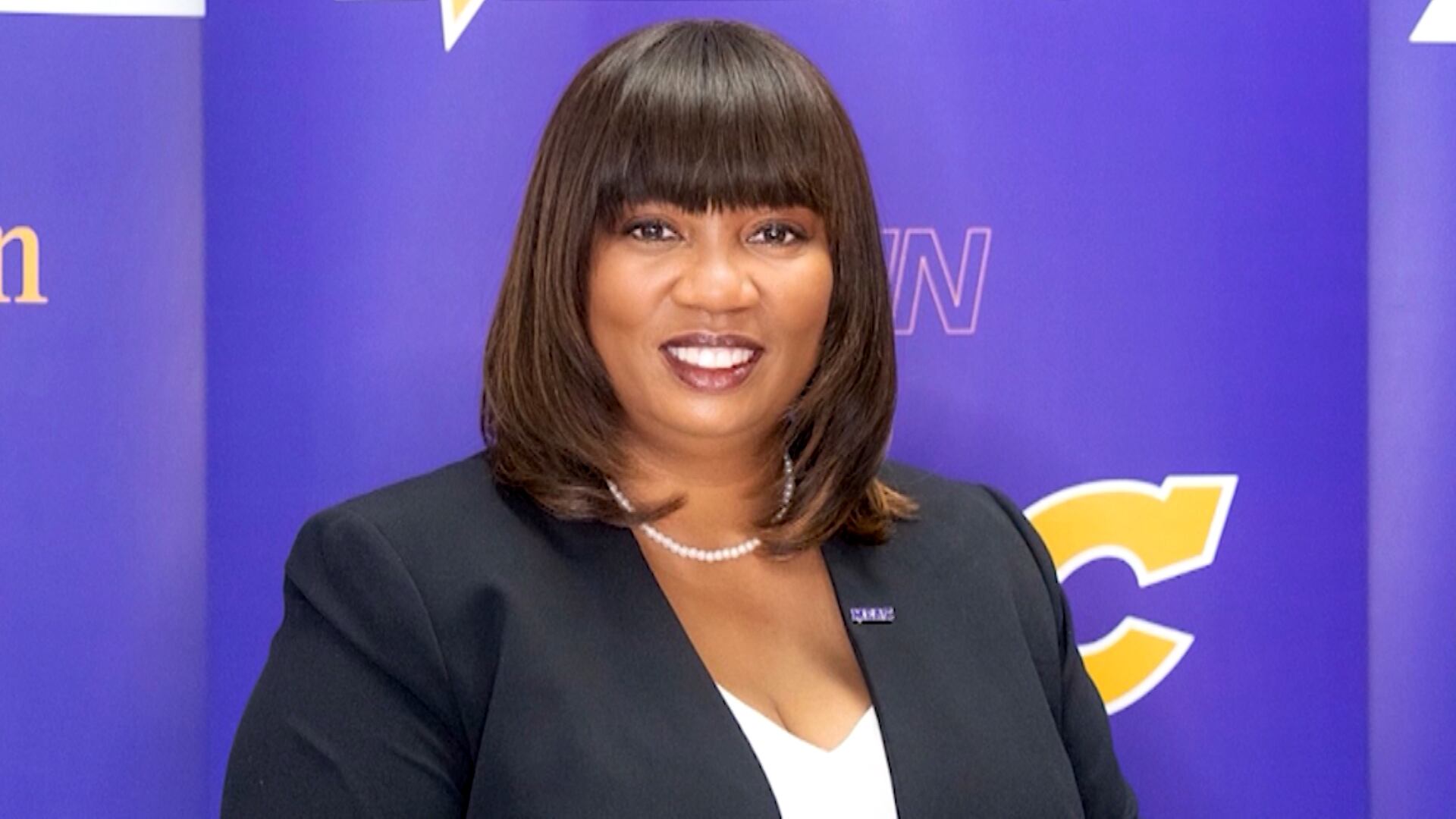
Sonja Stills, Commissioner of the Mid-Eastern Athletic Conference, joins ChedHER to discuss her experience being the first female leader in this role, and how she plans on carrying on the legacy of the MEAC.