The U.S. will begin sharing its entire stock of AstraZeneca COVID-19 vaccines with the world once it clears federal safety reviews, the White House said Monday, with as many as 60 million doses expected to be available for export in the coming months.
The move greatly expands on the Biden administration's action last month to share about 4 million doses of the vaccine with Mexico and Canada. The AstraZeneca vaccine is widely in use around the world but has not yet been authorized by the U.S. Food and Drug Administration.
The White House is increasingly assured about the supply of the three vaccines being administered in the U.S., particularly following the restart of the single-dose Johnson & Johnson shot over the weekend. The U.S. has also been under mounting pressure in recent weeks to share more of its vaccine supply with the world, as countries like India experience devastating surges of the virus and others struggle to access doses needed to protect their most vulnerable populations.
“Given the strong portfolio of vaccines that the U.S. already has and that have been authorized by the FDA, and given that the AstraZeneca vaccine is not authorized for use in the U.S., we do not need to use the AstraZeneca vaccine here during the next several months," said White House COVID-19 coordinator Jeff Zients. "Therefore the U.S. is looking at options to share the AstraZeneca doses with other countries as they become available.”
More than 3 million people worldwide have died of COVID-19, including more than 572,000 in the U.S. The U.S. has vaccinated more than 53% of its adult population with at least one dose of its three authorized vaccines from Pfizer, Moderna and J&J, and it expects to have enough supply for its entire population by early summer.
About 10 million doses of AstraZeneca vaccine have been produced but have yet to pass review by the FDA to “meet its expectations for product quality,” Zients said, noting the U.S. regulator is recognized as the “gold standard” for safety around the world. That process could be completed in the next several weeks. About 50 million more doses are in various stages of production and could be available to ship in May and June pending FDA sign-off.
The U.S. has yet to finalize where the AstraZeneca doses will go, Zients said. Neighbors Mexico and Canada have asked the Biden administration to share more doses, while dozens of other countries are looking to access supplies of the vaccine.
The AstraZeneca doses will be donated by the U.S. government, which has contracted with the company for a total of 300 million doses — though the company has faced production issues.
AstraZeneca’s doses in the U.S. were produced at an Emergent BioSolutions plant in Baltimore that has come under increased regulatory and public scrutiny after botching batches of the J&J vaccine. The U.S. pressed J&J to take over the plant and, as part of the effort to ensure the quality of newly produced vaccines, directed the facility to stop making the AstraZeneca shot. AstraZeneca is still looking to identify a new U.S. production facility for its future doses.
AstraZeneca’s vaccine was initially expected to be the first to receive federal emergency authorization, and the U.S. government ordered enough for 150 million Americans before issues with the vaccine’s clinical trial held up clearance. The company’s 30,000-person U.S. trial didn’t complete enrollment until January, and it has still not filed for an emergency-use authorization with the FDA.
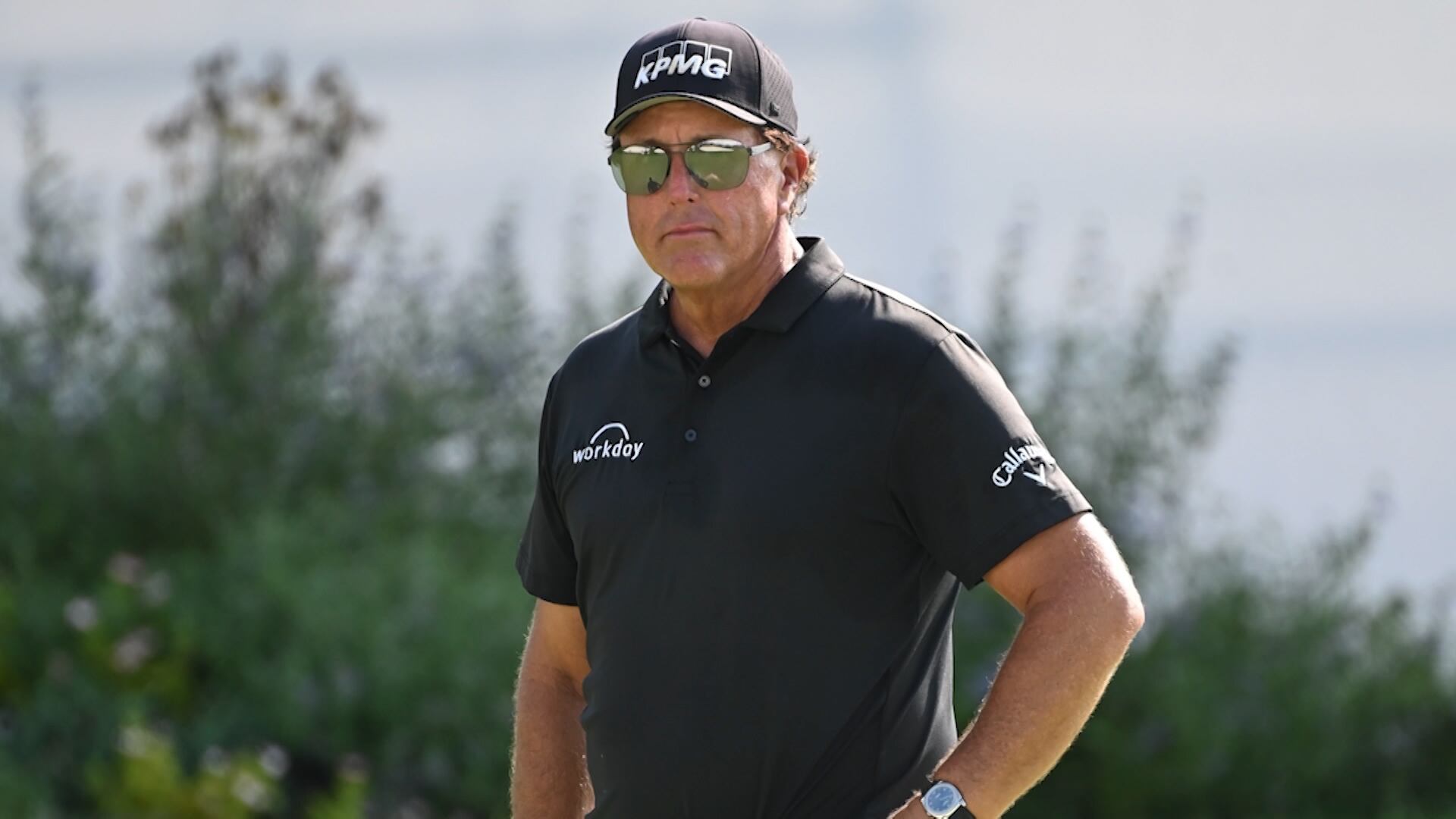
The PGA has suspended 17 golfers, including Phil Mickelson and Dustin Johnson, who are competing in a Saudi-backed golf event outside of London. In a memo, commissioner Jay Monahan said "these players have made their choice for their own financial-based reasons", announcing they are ineligible to participate on the PGA tour or any other tours it sanctions. Hugh Kellenberger, Senior Managing Editor at the Athletic, breaks down the controversy, and what might happen next.
U.S. stocks closed Friday at session lows after May CPI data showed inflation in the U.S. has not peaked and is still rising rapidly. For the week, the S&P fell 5.06%, the Dow lost 4.58%, and the Nasdaq dropped 5.60%, marking the worst week since January for all three major indexes. Mike Zigmont, Head of Trading and Research at Harvest Volatility Management, joins Cheddar News' Closing Bell to discuss.
Benefits brokerage, Nava Benefits, raised $40 million in a Series B round. Nava says it's on a mission to fix healthcare, one benefits plan at a time. The startup is working to bring benefits to small business that are normally available to only Fortune 500 companies. Brandon Weber, Co-Founder and CEO of Nava Benefits, joined Cheddar News' Closing Bell to discuss.
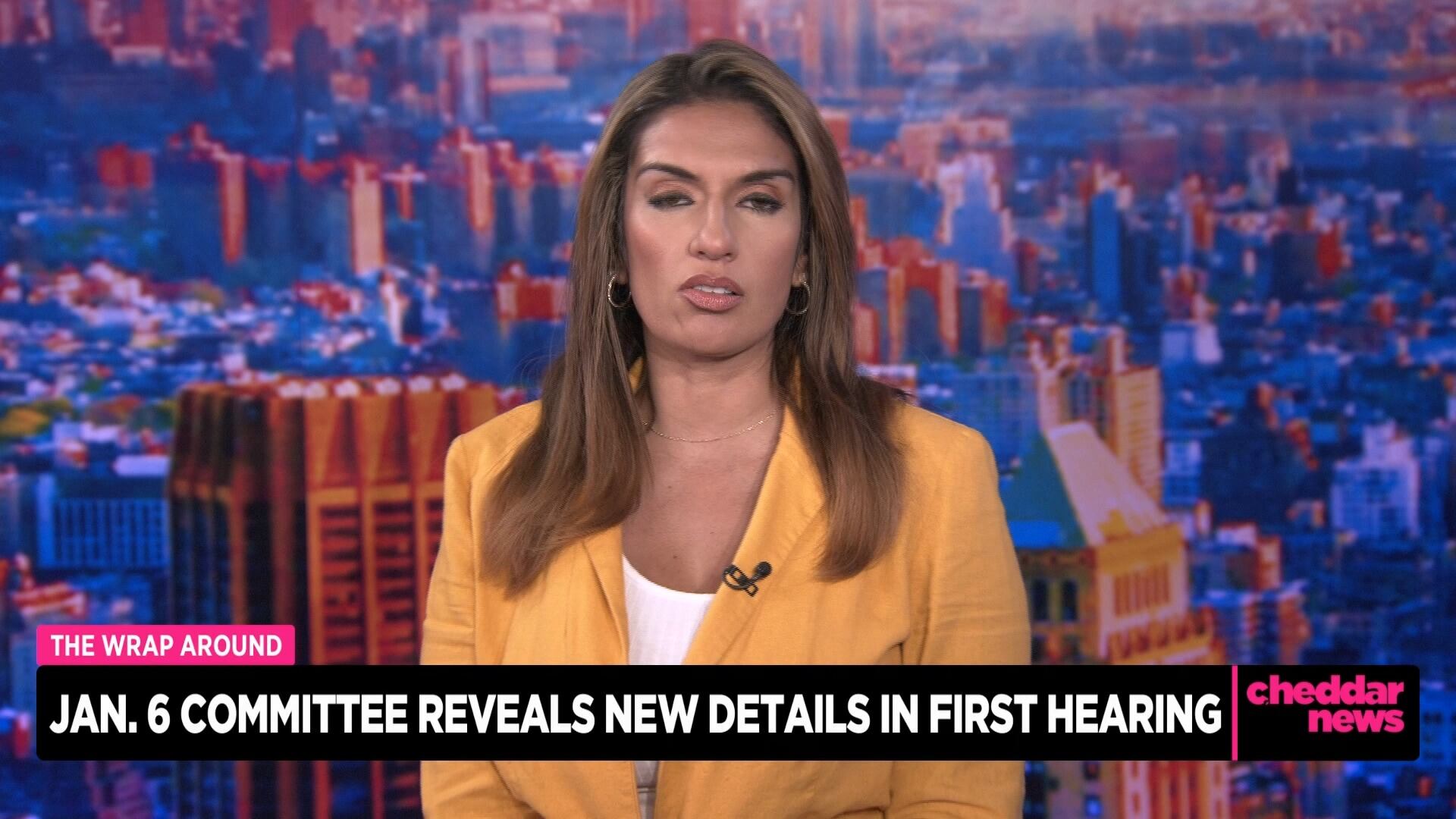
The House Select Committee investigating the Jan. 6 riots on Capitol Hill held its first primetime hearing on Thursday. Cheddar News speaks with legal analyst Tracy Pearson, who breaks down the biggest takeaways.
Fuel and oil prices have risen almost 17 percent since May, making the national gas prices reach nearly $5 a gallon. Andrew Lipow from consulting firm Lipow Oil Associates joined Cheddar News to discuss the future of gas prices. "The biggest issue on the oil market is really events that are beyond our control, which is what is happening over in Europe," he said, regarding the ongoing Russia Ukraine war. Lipow also said he predicted gas prices to hit $5.05 and that he's focused on the Biden administration's overtures in repairing a relationship with Saudi Arabia.
March For Our Lives will be returning this weekend to Washington, DC, in the wake of the recent mass shooting seen throughout the country. Marchers include Yolanda Renee King, the only granddaughter of Martin Luther King Jr. She joined Cheddar News to discuss the importance of the march and activism in general. "I just think that it's so important to have these rallies because we need to demand to our leaders and politicians that they pass legislation and that and we actually need to see action," she said.
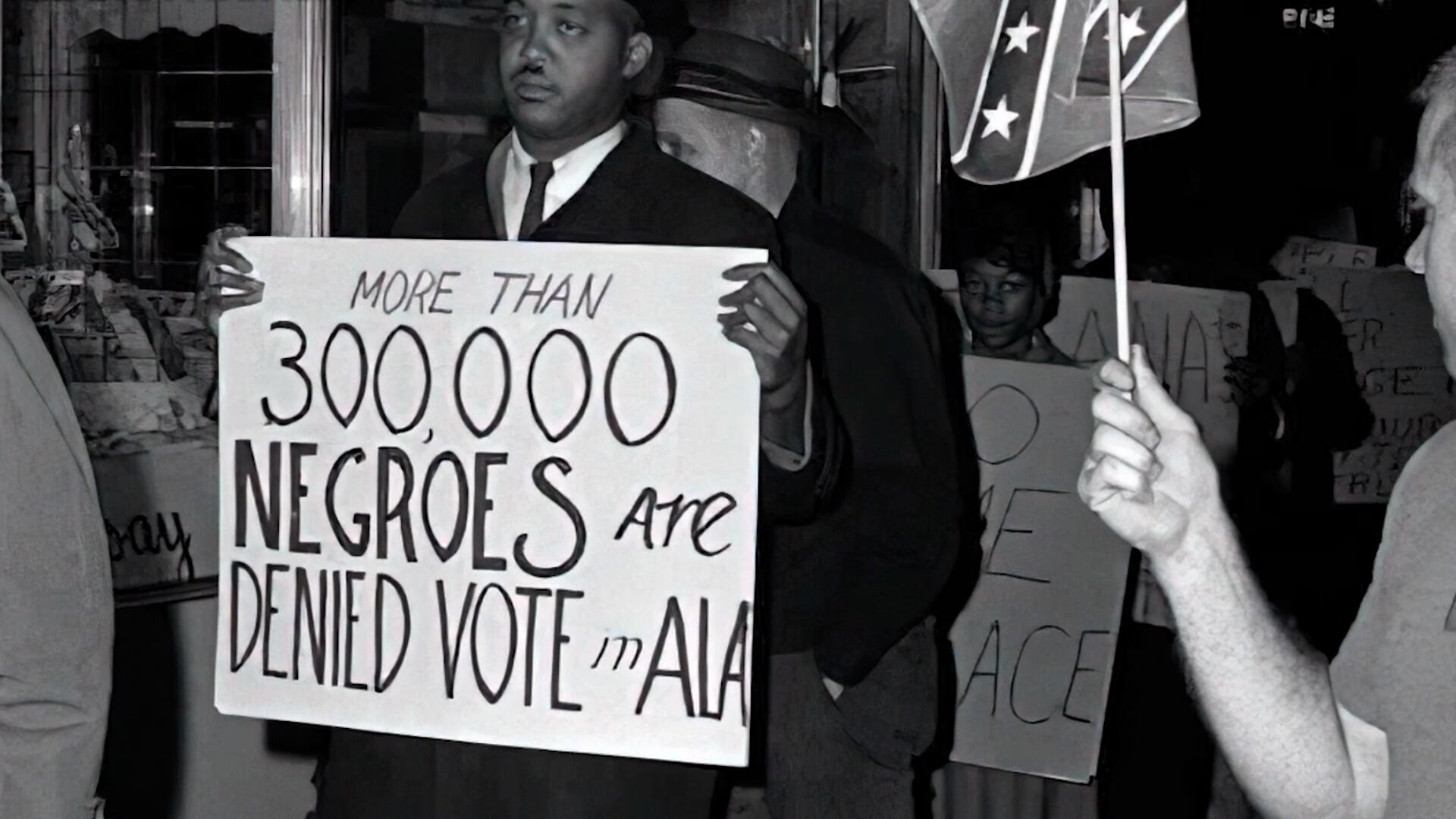
Erika Alexander and Whitney Dow, directors of 'The Big Payback,' join Cheddar News to discuss their new film, 'The Big Payback.' It premieres Saturday, June 11 at the Tribeca Festival.
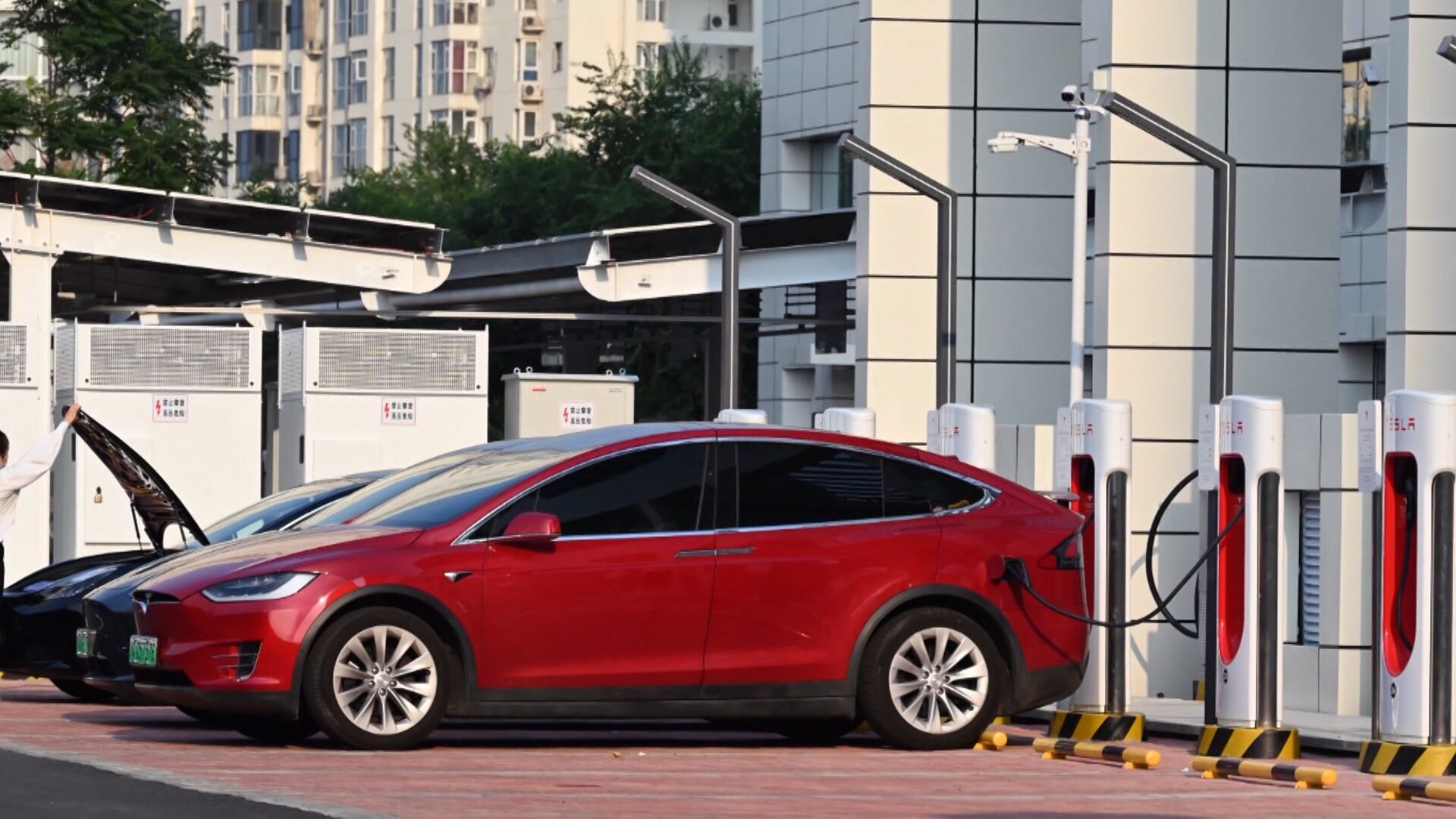
President Biden proposed a new rule that would add 500,000 chargers for electric vehicles nationwide. The proposal comes amid the rapid shift to EVs with dozens of automakers announcing plans for all-electric fleets within the next decade. But with the new surge will the U.S. have the proper infrastructure to keep up? Scott Painter, founder and CEO of Autonomy.com joined Cheddar's Opening Bell to discuss. "I really think the idea of standardization is a big deal. Standardization certainly makes it much better for everybody to be able to get a charge when they need one," he said.
The House select committee investigating the January 6th riots on Capitol Hill is opening its landmark series of public hearings. Cheddar News speaks with Mike Sozan, senior fellow at the Center for American Progress who explains how to follow the hearings and what to expect.