Americans spent more last month on clothing, electronics and dining out as the economy opened up and there were fewer pandemic-related restrictions.
U.S. retail sales rose a seasonal adjusted 0.6% in June from the month before, the U.S. Commerce Department said Friday. The increase was a surprise to Wall Street analysts, who had expected sales to fall slightly last month.
Retail sales growth has slowed since March, when stimulus checks sent to most Americans helped boost spending. And as Americans get vaccinated, they have spent less on goods and more on hotels, haircuts and other services, which are not included in Friday's report.
The increase last month could be due to higher prices, said Paul Ashworth, chief U.S. economist for consulting firm Capital Economics.
Americans are paying more for food, gas and other goods, with prices jumping last month by the most in 13 years.
Sales at bars and restaurants rose 2.3%, according to Friday's report. Clothing store sales rose by 2.6%, and sales at electronic shops were up 3.3%.
Senior Economist at Morning Consult Kayla Bruun shares thoughts on what to expect from the Fed's January meeting and where monetary policy is headed, as well as how consumers are faring.
Former Medtronic CEO and author of 'True North' Bill George explains the steps Boeing leadership must take to regain client and consumer trust after 737 Max 9 production was stopped.
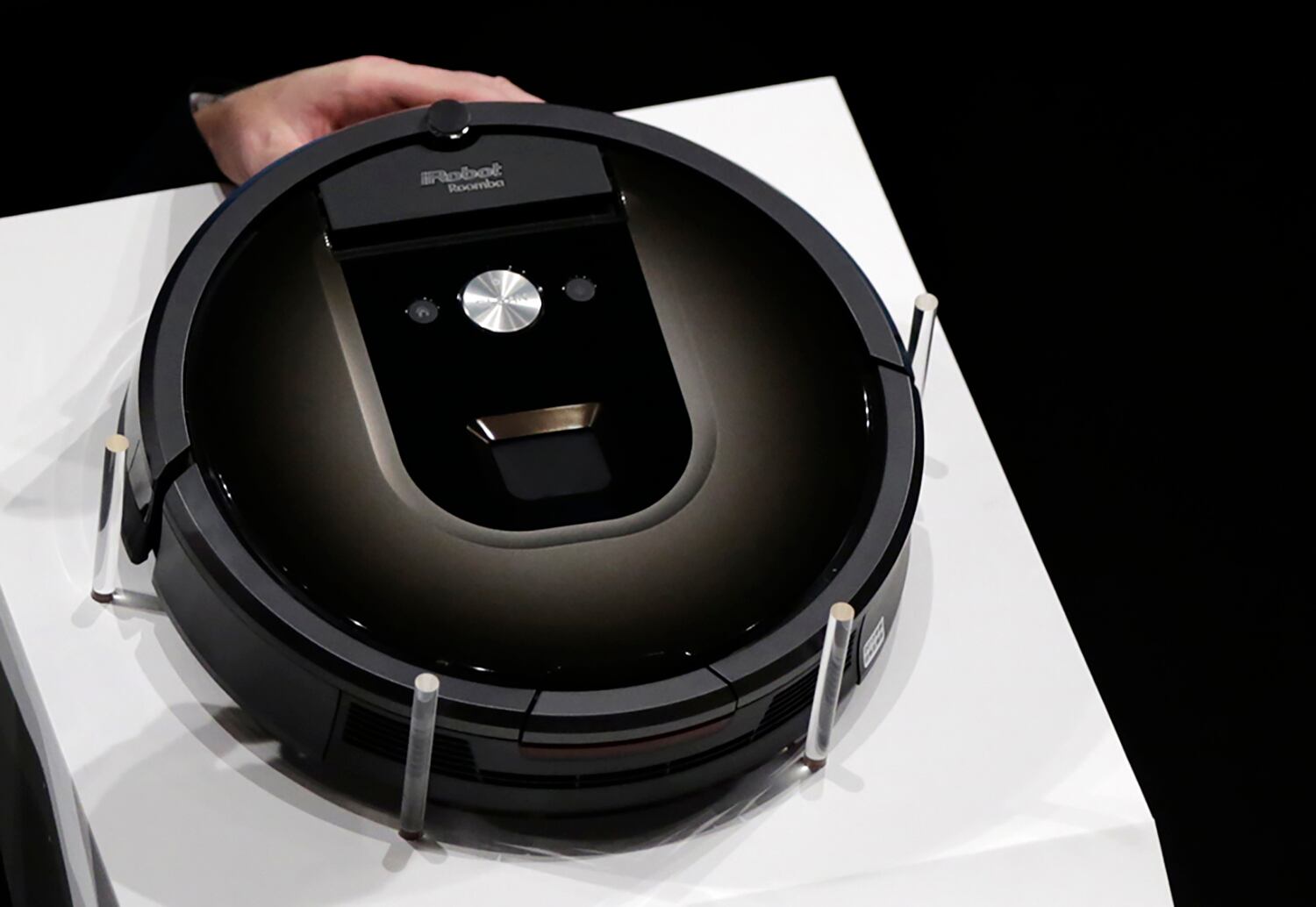
Amazon blamed "regulatory hurdles" for calling off its proposed acquisition of robot vacuum maker iRobot. Not even a Roomba could clean up the deal's antitrust scrutiny.
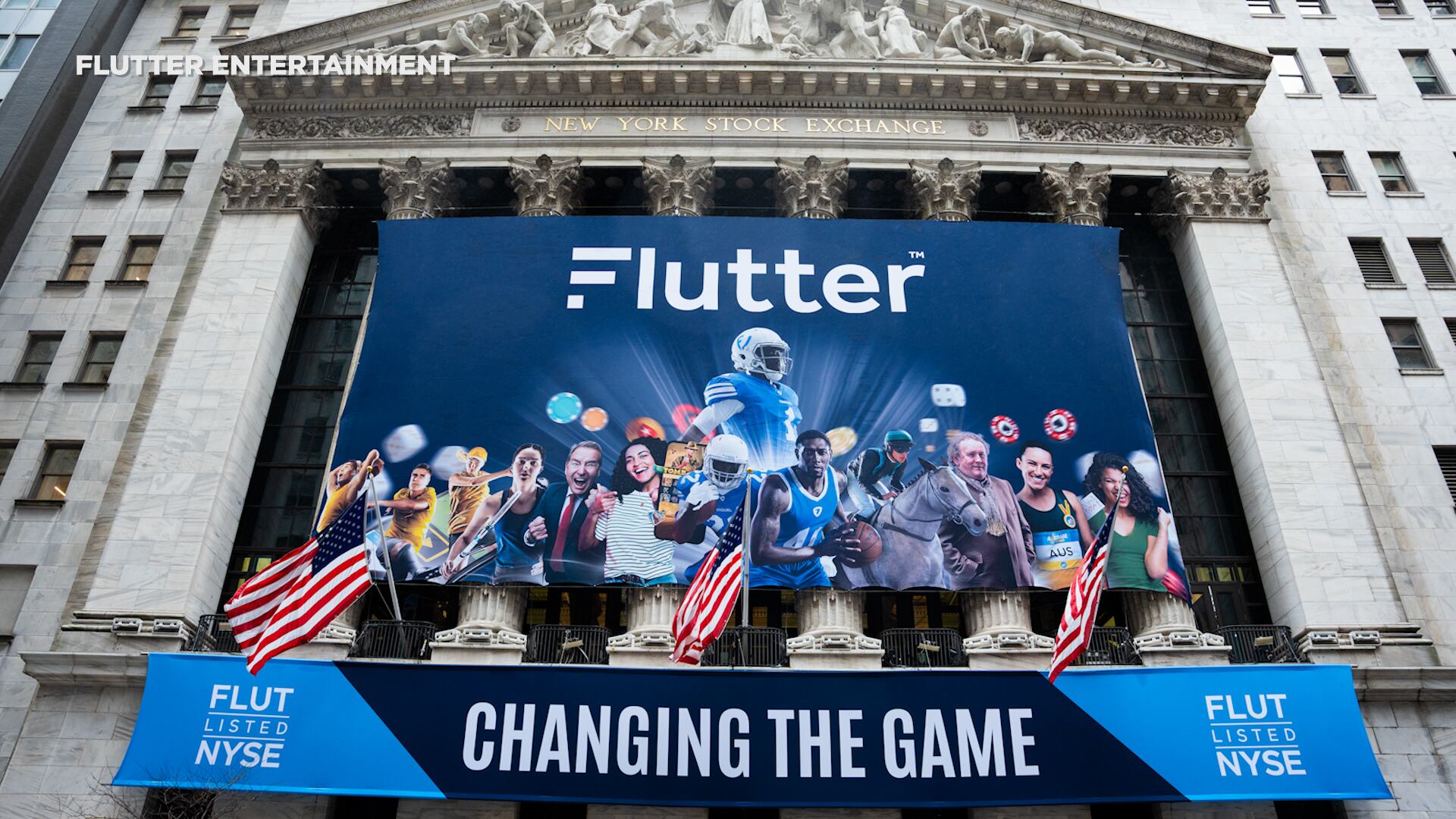
To celebrate Flutter Entertainment's debut on the NYSE, FanDuel CEO Amy Howe shares her thoughts on the company's plans for growth, the future of online sportsbetting, and Super Bowl Sunday.
Investopedia's Caleb Silver shares thoughts on the upcoming Fed meeting, why individual investors are still slightly skeptical, and what he's looking for from mega cap tech earnings.
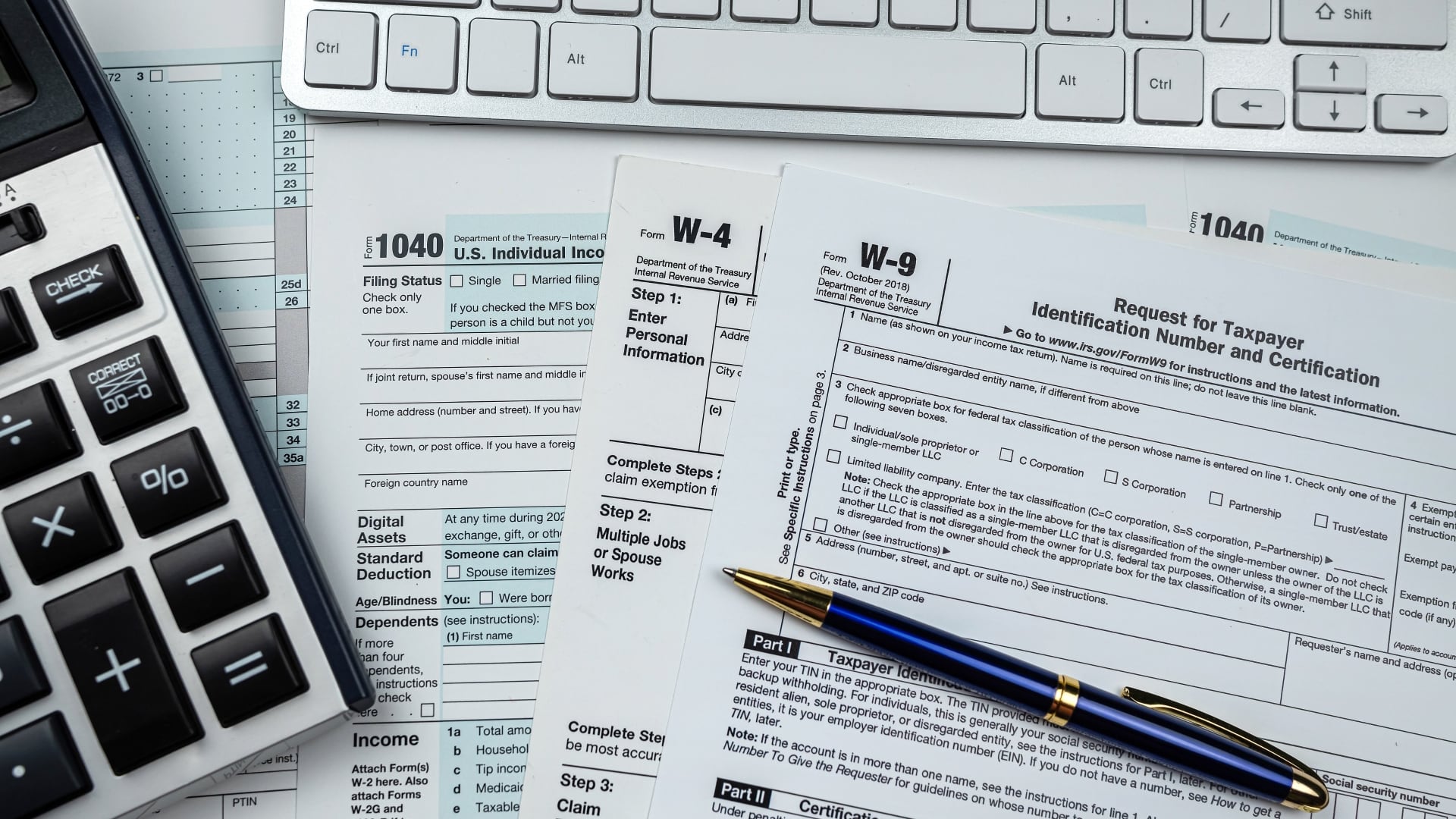
Season's greetings! Tax season, that is. January 29 is the first day you can file your tax return. We walk you through each step — plus a checklist you can download.
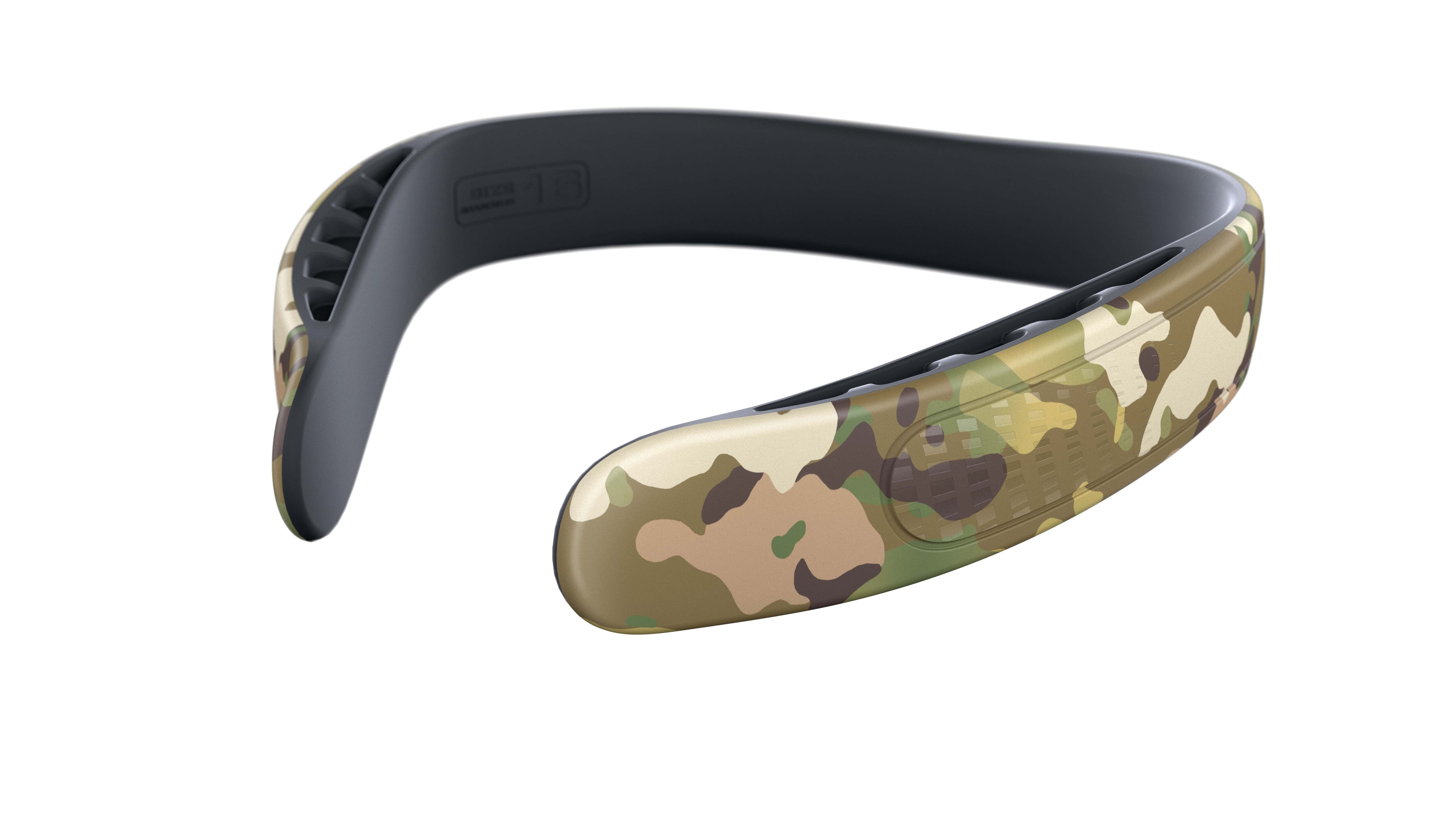
The Q-Collar helps protect athletes from impact-related concussions. Now, the U.S. Army is evaluating if the device could help reduce traumatic brain injury cased by blast weapons.
Co-founder and executive chairman of the board at Vaxxinity Lou Reese shares how the company is working to bring vaccines for chronic illnesses like heart disease and Parkinson’s to market with an eye for accessibility.