By Christopher Rugaber
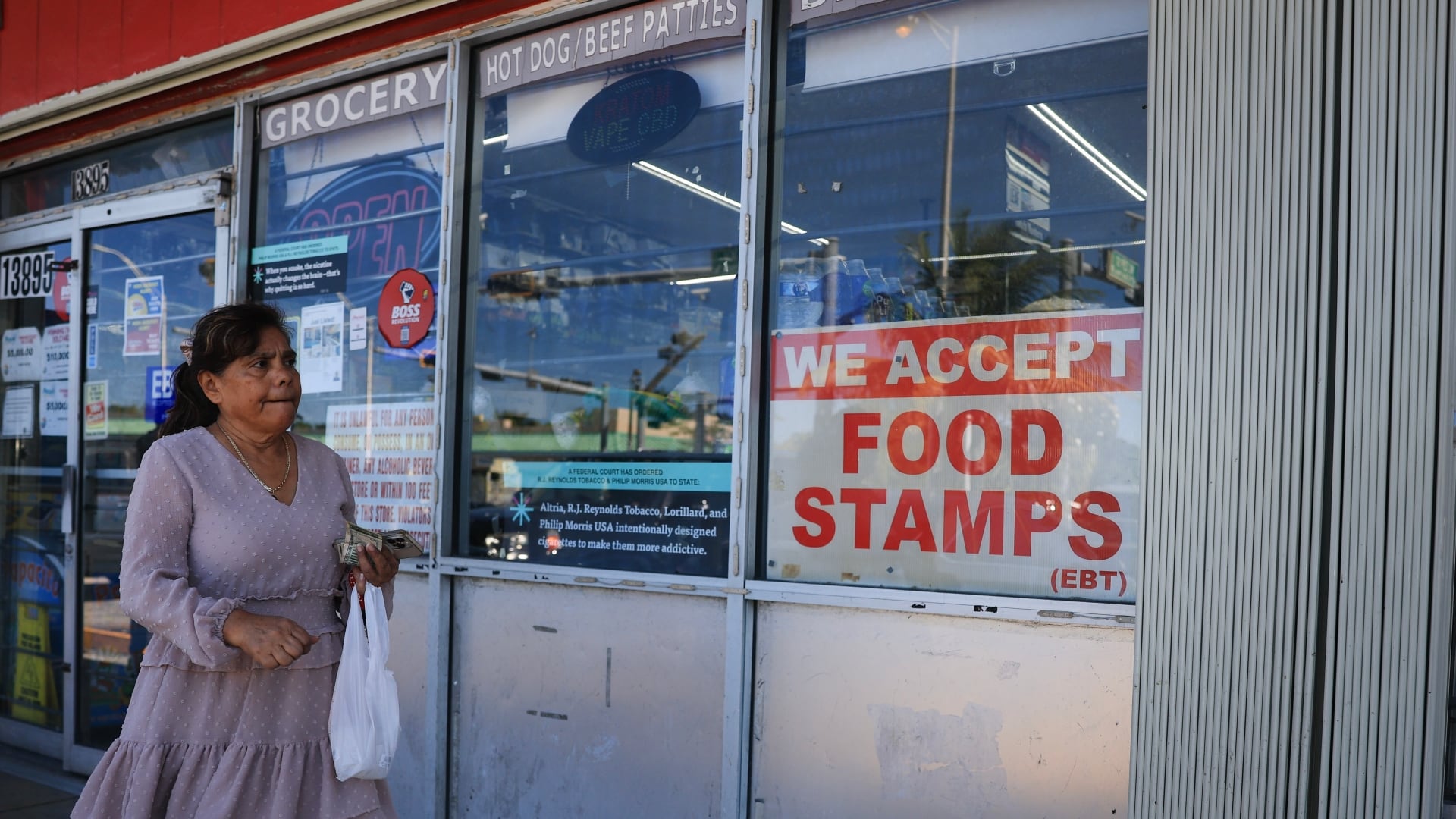
Consumer prices in the United States rose again in April, and measures of underlying inflation stayed high, suggesting that rising costs could persist for months to come.
Prices rose 0.4% from March to April, the government said Wednesday, up from 0.1% from February to March. Compared with a year earlier, prices climbed 4.9%, down slightly from March’s year-over-year increase.
The nation's inflation rate has steadily cooled since peaking at 9.1% last June but remains far above the Federal Reserve's 2% target rate.
The Fed is paying particular attention to so-called core prices, which exclude volatile food and energy costs and are regarded as a better gauge of longer-term inflation trends. Core prices rose 0.4% from March to April, the same as from February to March. It was the fifth straight month that core prices have risen by 0.4% or more. Increases at that pace are far above the Fed’s 2% target.
Compared with a year ago, core prices rose 5.5%, just below a yearly increase of 5.6% in March.
Economists say the overall slowdown in U.S. inflation since last summer might turn out to have been a relatively easy phase of the nation’s drive to conquer inflation.
The supply chain snarls that left many grocery shelves bare and delayed the delivery of furniture, cars, electronics and numerous other goods have been resolved. Gas prices have dropped since topping $5 a gallon nationally after Russia’s invasion of Ukraine, though they rose again in April after OPEC agreed to cut oil output.
Yet unlike goods prices, the costs of services — from restaurant meals to auto insurance, dental care to education — are still surging. A major reason is that companies have had to raise pay in those industries to find and retain workers. Federal Reserve officials say that fast-rising wages, while good for workers, have contributed to higher costs in services industries because labor makes up a significant portion of those industries’ expenses.
Last week, the Fed signaled that it might pause its rate increases, after imposing 10 straight hikes, so that it could take time to assess how higher borrowing costs have affected the economy. The full economic impact of the hikes, though, might not become evident for months.
For more than two years, high inflation has been a significant burden for America’s consumers, a threat to the economy and a frustrating challenge for the Fed. The central bank has raised its key interest rate by a substantial 5 percentage points since March 2022 to try to drive inflation back down to its 2% target.
Besides making borrowing far more expensive for consumers and businesses, those higher rates have contributed to the collapse of three large banks in the past two months and to a likely pullback in bank lending. The result could be a further weakening of the economy.
Even more ominously, the government’s debt ceiling may be breached by early June, and Republicans in Congress are refusing to raise the cap unless President Joe Biden and congressional Democrats agree to sharp spending cuts. If the debt ceiling isn’t raised in time, the nation would default on its debt, a scenario that could ignite a global economic crisis. When they met last week, the Fed’s policymakers agreed to raise their benchmark rate by a quarter-point, to about 5.1% — the highest level in 16 years. The Fed’s rate hikes, which are intended to cool spending, growth and inflation, have led to higher costs for mortgages, auto loans and credit card and business borrowing.
Most economists think the rate hikes will, over time, have their intended effect. Yet most also worry that the hikes will weaken the economy so much as to tip it into a recession sometime this year.