By Tom Krisher
The U.S. government is taking a big step toward forcing a defiant Tennessee company to recall 52 million air bag inflators that could explode, hurl shrapnel and injure or kill people.
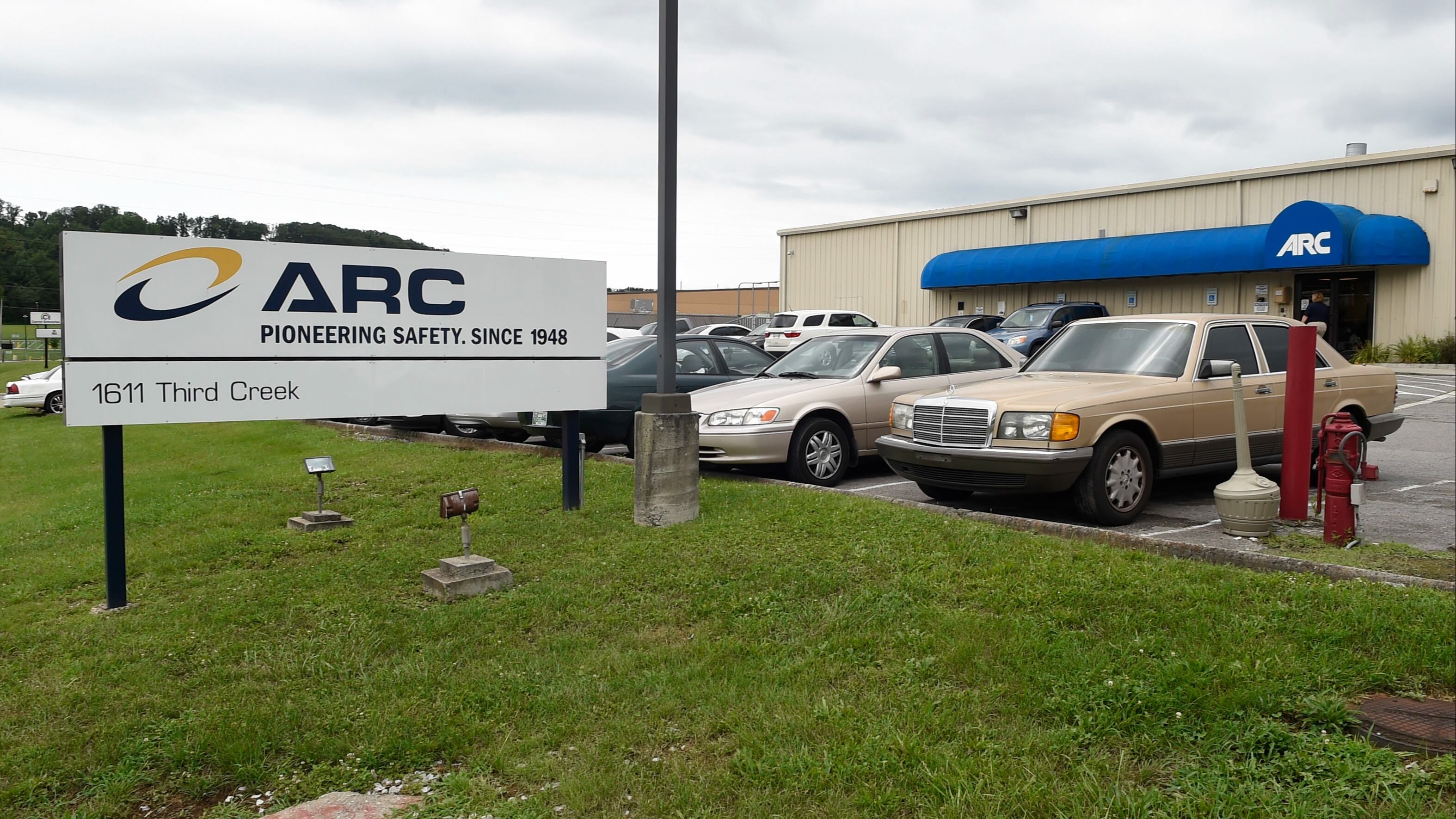
The National Highway Traffic Safety Administration on Tuesday said it has made an initial decision that the inflators made by ARC Automotive Inc., and under license by another company, are defective. The agency scheduled a public hearing for Oct. 5, a required step before deciding to seek a court-ordered recall.
In May the agency asked ARC to recall the inflators, which it says are responsible for at least seven injuries and two deaths in the U.S. and Canada since 2009. But ARC has refused to issue a full-scale recall, setting the stage for the possible court fight.
Messages were left Tuesday seeking comment from ARC. The company maintains that no safety defect exists, that NHTSA’s demand is based on a hypothesis rather than technical conclusions, and that the agency has no authority to order a parts manufacturer to announce recalls.
“These air bag inflators may rupture when the vehicle’s air bag is commanded to deploy, causing metal debris to be forcefully ejected into the passenger compartment of the vehicle,” NHTSA wrote in an initial decision document. “A rupturing air bag inflator poses an unreasonable risk of serious injury or death to vehicle occupants.”
NHTSA wants ARC to recall inflators in driver and passenger front air bags from at least a dozen automakers. Neither ARC nor the auto industry has released a full list of vehicle models with the kind of air bag inflators that have exploded. But at least 25 million of the 284 million vehicles on U.S. roads are believed to contain them.
Owners of vehicles made by at least a dozen automakers — Chevrolet, Buick, GMC, Ford, Toyota, Stellantis, Volkswagen, Audi, BMW, Porsche, Hyundai and Kia — are left to wonder anxiously whether their vehicles contain driver or front passenger inflators made by ARC.
Though ARC is resisting a full-scale recall, automakers have conducted seven smaller recalls of inflators since 2017 that were attributed to isolated manufacturing problems. Those recalls included one that General Motors announced in May involving nearly 1 million vehicles.
Initially NHTSA said that an estimated 67 million inflators should be recalled, but it revised the number to 52 million due to manufacturer responses in its investigation that over-counted the number, the agency said in documents issued Tuesday.
NHTSA contends that byproducts from welding during manufacturing can clog a vent inside the inflator canister that is designed to let gas escape to quickly fill air bags in a crash. In the defective products, pressure can build to the point where the canister is blown apart.
In 2018, ARC finished installing scopes to monitor welding byproducts and the vents. NHTSA said in April that it was unaware of any explosions involving inflators that were manufactured after the scopes were installed.
ARC, acquired in 2016 by Chinese real estate developer Yinyi Group, has said in letters to the government that it can’t state for sure whether its inflators might rupture again.
“Even with appropriate industry standards and efforts by manufacturers to minimize the risks of failures, the manufacturing processes may not completely eliminate the risk of occasional or isolated failures,” ARC wrote.
The company further argued that the federal motor vehicle safety act “does not require vehicles and equipment to never experience a failure in the field. Rather the Safety Act seeks to protect the public against unreasonable risks.”
The company further argued that the federal motor vehicle safety act “does not require vehicles and equipment to never experience a failure in the field. Rather the Safety Act seeks to protect the public against unreasonable risks.”
ARC said that during NHTSA’s eight-year investigation into the inflators, air bag makers, automakers and the government have been informed of any unexplained ruptures on the roads.
The company has noted in the past that no automaker has found a defect common to all the inflators and that no root cause of the inflator ruptures has been identified.
One person who died after an ARC inflator explosion was Marlene Beaudoin, a 40-year-old mother of 10 from Michigan’s Upper Peninsula. She was struck by metal fragments when her 2015 Chevrolet Traverse SUV was involved in a minor crash in 2021. Beaudoin and four of her sons had been on their way to get ice cream. The sons were not hurt.