By Kevin McGill
California cannot ban the importation and sale of crocodile and alligator products, a federal judge has ruled, in a victory for the state of Louisiana, which challenged the ban along with businesses in multiple states.
Federal law controls trade in those products and preempts California from barring trade in them, Chief U.S. District Judge Kimberly Mueller in Sacramento, California, wrote in a ruling dated Tuesday.
Mueller had already blocked enforcement of the law while lawsuits challenging it played out in her court. Plaintiffs included businesses based in California, Louisiana, Texas, Florida, Montana and Wyoming.
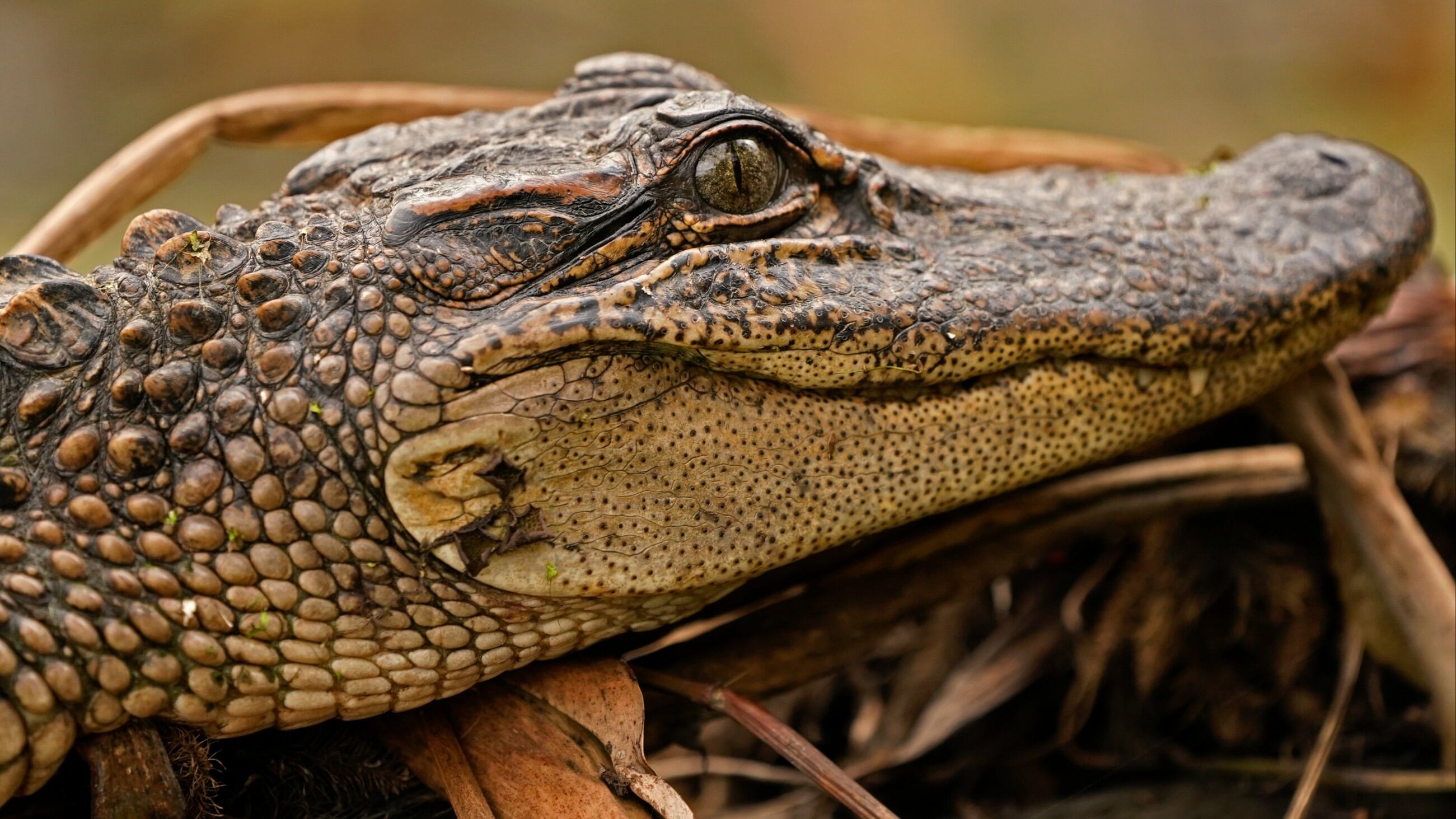
The California ban had covered products made from alligators and two species of crocodile — Nile and Saltwater. All can be sold legally under international treaty and U.S. federal law.
Mueller rejected arguments that California was only seeking to regulate activity within the state. “California is not regulating crocodile takings with its borders,” she wrote. “Nothing in the record suggests crocodiles reside in California, migrate into California or have been introduced into California.”
According to the court record, the Nile crocodile is listed as threatened and some species of saltwater crocodile are threatened or endangered.
The American alligator is no longer threatened or endangered — there are now an estimated 2.9 million in Louisiana in the wild or on farms — but it's treated as threatened because alligator products can be difficult to tell apart from products made from endangered crocodiles.
Louisiana argued in filing the suit that the economy surrounding alligators has played a key role in bringing back the American alligator population and is an important factor in protecting wetlands and other species besides alligators that depend on the wetlands.
Louisiana said that because most of the state’s coastal habitat is privately owned, the state does not have direct control over how it is managed. But the alligator industry provides economic incentives for landowners to take steps to protect marshlands that serve as habitat for the alligators.
Conservationists noted those similarities in arguing to keep the California ban, saying that products from threatened and non-threatened species are so nearly identical that traffickers can easily disguise illegal products.
But Mueller, nominated to the bench by President Barack Obama in 2010, said federal law and regulations spelling out how and when skins and other products from the animals can be imported, exported and sold cannot be preempted by California.
Louisiana Attorney General Jeff Landry said Mueller's ruling helps preserve the state's successful alligator conservation efforts.
State officials have long held that careful wildlife management, together with alligator farming, have led to a recovery of the state's alligator population from fewer than 100,000 five decades ago. The state Department of Wildlife and Fisheries estimates the value of alligators harvested in the wild or farm-raised at $245 million annually.
"The alligator trade has directly led to the resurgence and conservation of the American alligator as well the protection and maintenance of their natural wetland habitat,” Landry said in a news release Wednesday. “California’s ban would have completely disrupted the entire supply chain – not only decimating the industry and our wetland protection programs, but also removing over $100 million from Louisiana’s annual economy.”
An attorney for California did not immediately respond to an emailed request for comment.