The number of Americans applying for unemployment benefits was unchanged last week, remaining at a historically low level that reflects the job market's strong recovery from the coronavirus recession last year.
Jobless claims remained at 205,000. The four-week average, which smooths out week-to-week ups and downs, rose to just over 206,000. The numbers suggest that the spread of the omicron variant did not immediately trigger a wave of layoffs.
“Fortunately, there’s no evidence in this data of a new wave of fresh job loss,'' said Mark Hamrick, senior economic analyst at Bankrate.com. “The pandemic’s resurgence is affecting the economy. The question is for how long and how much, and it (is) too early to know the answers.”
Altogether, 1.9 million Americans were collecting traditional unemployment aid the week that ended Dec. 11.
The weekly claims numbers, a proxy for layoffs, have fallen steadily most of the year. Employers are reluctant to let workers go at a time when it's so tough to find replacements. The United States had a near-record 11 million job openings in October, and 4.2 million Americans quit their jobs — just off September's record 4.4 million — because there are so many opportunities.
The job market has bounced back from last year's brief but intense coronavirus recession. When COVID hit, governments ordered lockdowns, consumers hunkered down at home and many businesses closed or cut back hours. Employers slashed more than 22 million jobs in March and April 2020, and the unemployment rate rocketed to 14.8%.
But massive government spending — and eventually the rollout of vaccines — brought the economy back. Employers have added 18.5 million jobs since April 2020, still leaving the U.S. still 3.9 million jobs short of what it had before the pandemic. The unemployment rate has fallen to 4.2%, close to what economists consider full employment.
With an increasing demand for mental health services, one person wanted to change the therapy game. In 2017, CEO Alex Katz founded Two Chairs, a company that uses technology to match patients with the right therapist.
Not only is April Financial Literacy Month, it’s also the kickoff of the spring homebuying season. So now is the time to make sure you have a financial plan in place – and why it might not be wise for that to include buying your first home.
While the U.S. may slowly be on the path to lowering inflation (and therefore interest rates), Europe has thoroughly trounced America, putting it on the path to lower rates by this summer.
April's release of the monthly Housing Starts and Building Permits reports by the Census Bureau provides crucial insights into the construction activity in the housing market. These reports are an economic indicator, shedding light on the current state of the housing market and its broader economic impact.
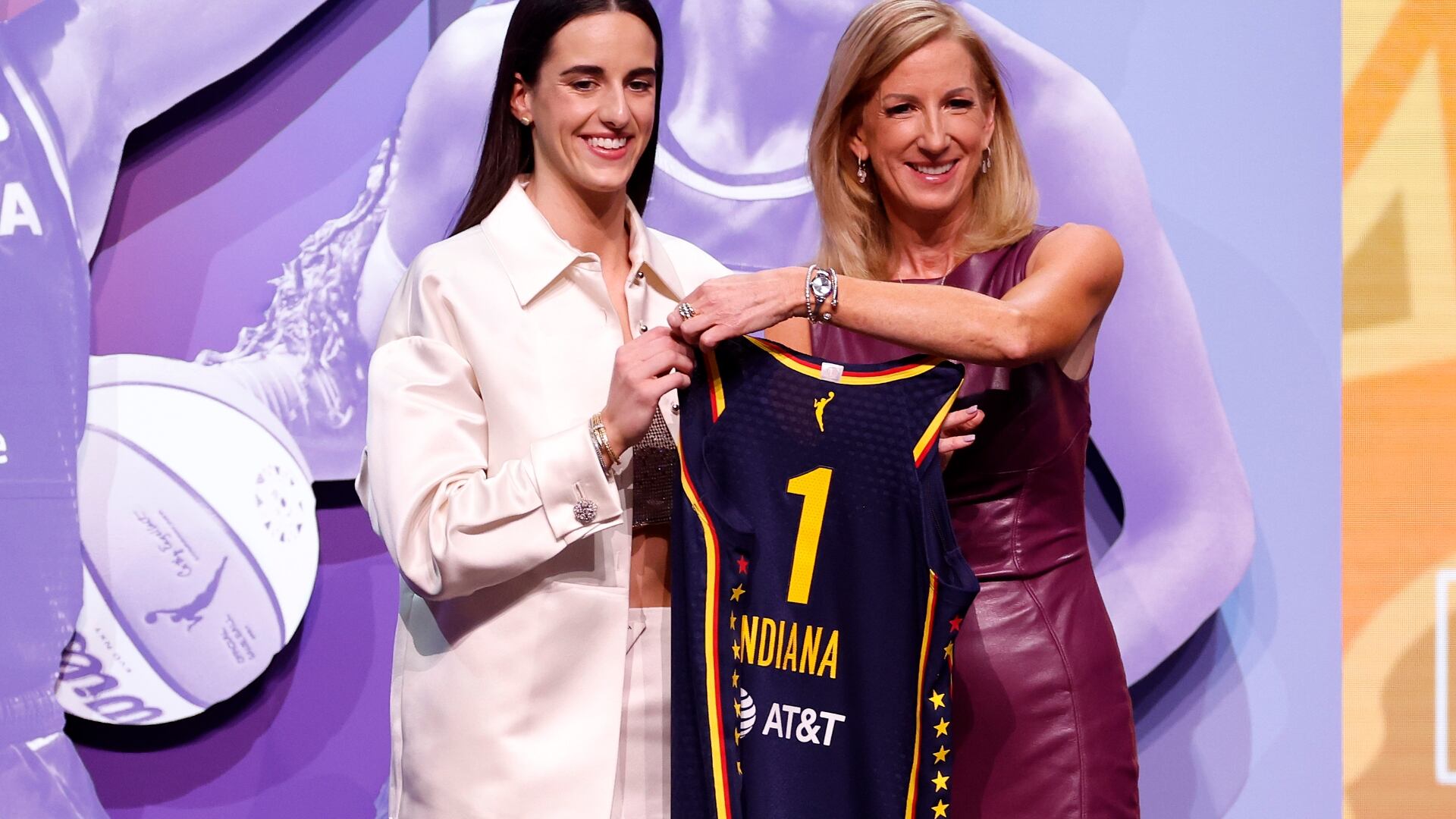
Caitlin Clark is heading to the Indiana Fever, the number one draft pick and the highest-scoring college basketball player of all time. And while she may not be getting millions from the WNBA, there's a few ways she'll net compensation for her generational talents.
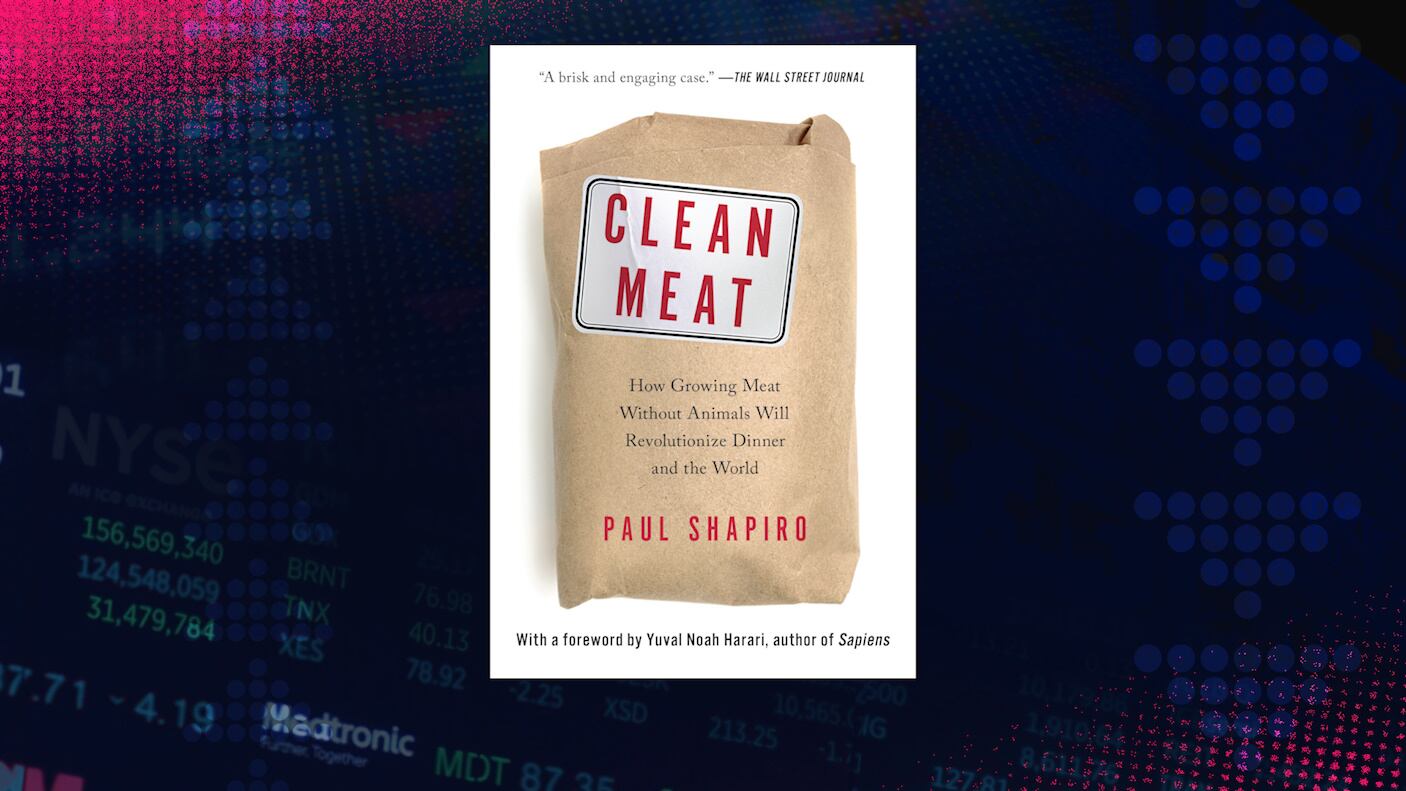
Author of 'Clean Meat,' Paul Shapiro joins Cheddar to discuss how the cellular agricultural revolution helps lower rates of foodborne illness and greatly improves environmental sustainability. Plus, how his company The Better Meat Co. is bringing healthier food options to the table.
Recent headlines might make it sound like World War III is imminent, but when it comes to your finances, it's not the time to panic. The market is coming off its longest winning streak since 2011.
You may have noticed fewer new venture capital-backed startups (like Airbnb or Uber) lately. The market slowed to a crawl after 2021, but things are expected to take off again in 2025.
Corporate earnings season is underway, that time when companies share their billions in sales or double-digit profits. But the data shows even companies are struggling with high inflation and interest rates.
Boeing continues their terrifying trend of having their planes fall apart mid-flight, inflation — checks notes — is still up and the future of AI looks terrifying. Cheery!