The number of people seeking unemployment benefits fell last week for a fourth straight time to a pandemic low, the latest sign that America's job market is rebounding from the pandemic recession as employers boost hiring to meet a surge in consumer demand.
The Labor Department reported Thursday that jobless claims fell by 29,000 to 348,000. The four-week average of claims, which smooths out week-to-week volatility, also fell — by 19,000, to just below 378,000, also a pandemic low.
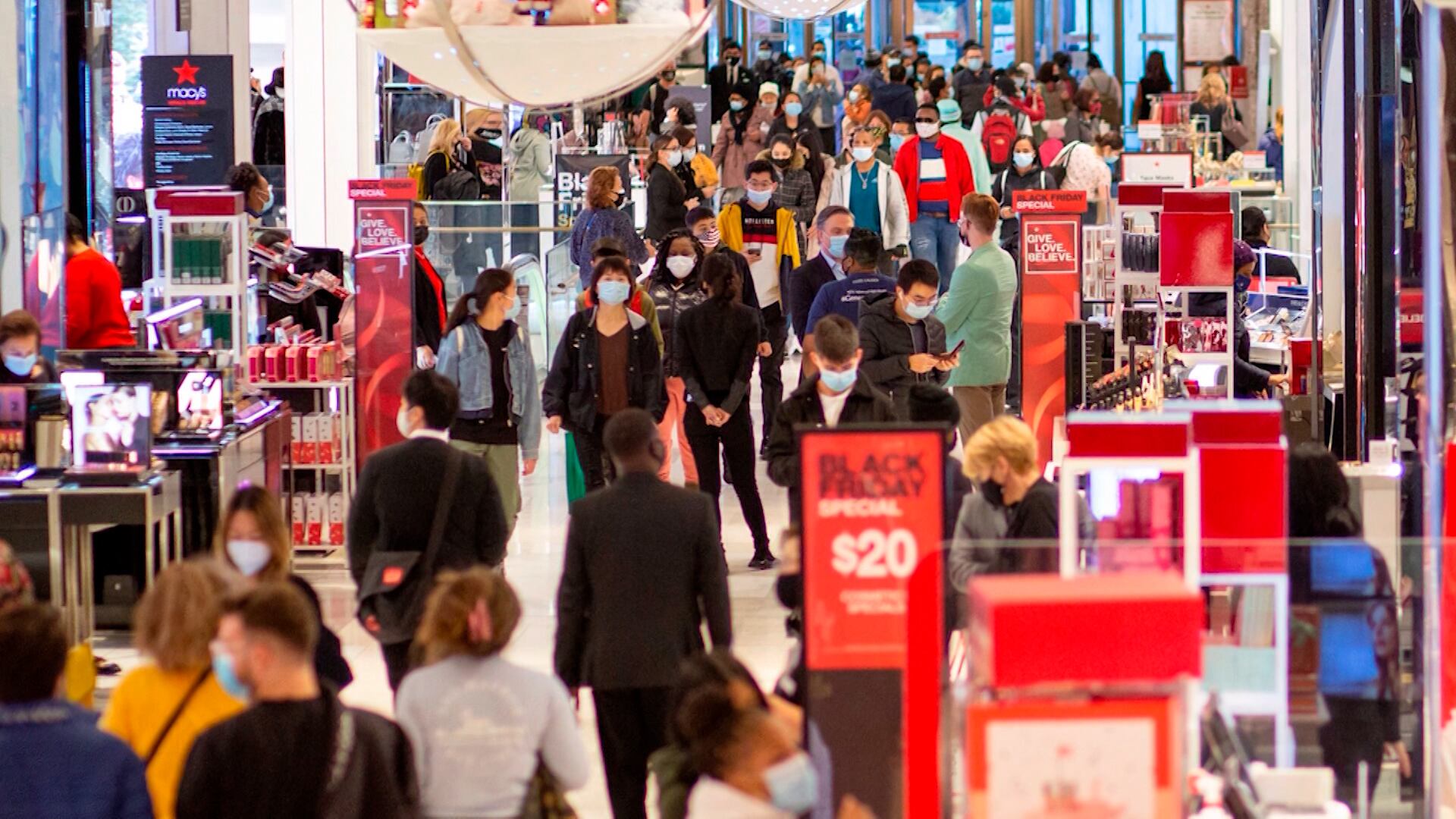
The weekly pace of applications for unemployment aid has fallen more or less steadily since topping 900,000 in early January. The dwindling number of first-time jobless claims has coincided with the widespread administering of vaccines, which has led businesses to reopen or expand their hours and drawn consumers back to shops, restaurants, airports and entertainment venues.
Still, the number of applications remains high by historic standards: Before the pandemic tore through the economy in March 2020, the weekly pace amounted to around 220,000 a week. And now there is growing concern that the highly contagious delta variant could disrupt the economy's recovery from last year's brief but intense recession. Some economists have already begun to mark down their estimates for growth this quarter as some measures of economic activity, like air travel, have started to weaken.
Filings for unemployment benefits have traditionally been seen as a real-time measure of the job market’s health. But their reliability has deteriorated during the pandemic. In many states, the weekly figures have been inflated by fraud and by multiple filings from unemployed Americans as they navigate bureaucratic hurdles to try to obtain benefits. Those complications help explain why the pace of applications remains comparatively high.
By all accounts, the job market has been rebounding with vigor since the pandemic paralyzed economic activity last year and employers slashed more than 22 million jobs. The United States has since recovered 16.7 million jobs. And employers have added a rising number of jobs for three straight months, including a robust 943,000 in July. In the meantime, employers have posted a record 10.1 million openings, and many complain that they can’t find enough applicants to fill their open positions.
Last week's drop in applications for aid was larger than many economists had expected, a sign that the job market's recovery remains on track for now despite the worries surrounding the spread of the delta variant.
“As life normalizes and the service sector continues to gain momentum (delta variant permitting), we expect initial jobless claims to remain in a downtrend," Joshua Shapiro, chief U.S. economist at the consulting firm Maria Fiorini Ramirez, said in a research note.
Shapiro added that “this report points to a continued rapid pace of job gains since the July employment data were collected.''
Some employers ascribe their labor shortages to supplemental unemployment benefits from the federal government — including $300 a week on top of regular state aid — for discouraging some of the jobless from seeking work. In response, many states have withdrawn from the federal programs, which expire nationwide next month anyway.
Economists point to other factors, too, that have kept some people on the sidelines of the job market. They include difficulty finding or affording child care, fear about becoming infected by the virus at work and the desire of some people to seek better jobs than they had before the pandemic triggered widespread layoffs.
Whatever the causes, the economy remains 5.7 million jobs shy of the number it had in February 2020. And with the U.S. recording an average of more than 100,000 new COVID-19 cases a day — up from fewer than 12,000 in late June — the delta variant is increasingly clouding the outlook for the rest of the year.
Just over 2.8 million people were receiving traditional state jobless benefits in the week of Aug. 7, down by 79,000 from the previous week and the lowest since the pandemic struck.
Including federal benefits, 11.7 million were receiving some type of unemployment benefits in the week of July 31, down from 28.7 million a year earlier. That drop is a result, in part, of the increased number of people working and no longer receiving jobless aid. But it also reflects the cancellation in many states of a federal unemployment aid program for the self-employed and a separate program for the long-term jobless.
Blue Origin launched its third manned mission over the weekend with 'Good Morning America' host Michael Strahan and Laura Shepard Churchley, daughter of astronaut Alan Shepard on board, alongside several Blue Origin investors.
This comes after the spaceflight firm launched two successful missions to the edge of space earlier this year. How will these missions set up Blue Origin for success as it competes with SpaceX and other companies for space tourism domination and more? Joey Roulette, space reporter at The New York Times, joins Cheddar News' Closing Bell to discuss.
If there's any question about whether inflation is here to stay, today's November consumer price index data gives us an answer. This is the second month in a row we've seen a hot inflation reading — CPI last month rose to 6.8%, after jumping to 6.2% in October. Amid the holiday shopping season, what does this mean for consumers? And how will the Federal Reserve move forward after previously announcing it would speed up its asset taper timeline? Art Hogan, Chief Market Strategist at National Securities, joins Cheddar News' Closing Bell to discuss November's CPI jump, where consumers are hurting the most, what the Fed could do to help ease inflation, and more.
Editorial and stock photo provider Getty Images is gearing up to make its public debut via a SPAC merger with CC Neuberger Principal Holdings II bringing it to a $4.8 billion valuation. CEO Craig Peters joined Cheddar to break down the decision to go public and noted that the merger will help to pay down debt. "That's going to really enable a lot of additional free cash flow and financial flexibility into the business," he noted. "That's just going to allow us to just invest more aggressively into the business to accelerate what is already accelerating growth." Peters also discussed the legacy image platform's place going forward in the expanding world of digital assets like NFTs and the metaverse.
Ben Schiller, the managing editor for features and opinion at CoinDesk, breaks down how the year's top 10 crypto influencers were selected and what to expect from the blockchain ecosystem, especially the growth of NFTs, in 2022. "This whole crypto story has become not just a story about money or the future of money," he said. "It's also become a cultural story where it's getting into gaming, it's getting into artwork, into collectibles, and all kinds of cultural categories it wasn't in before." Schiller noted that he expects the U.S. and other world governments to establish crypto regulations in the coming year.
Ford said it will ramp up production for its Mustang Mach-E as demand for the electric vehicle surges. The automaker expects to sell upwards of 200,000 annually by 2023.
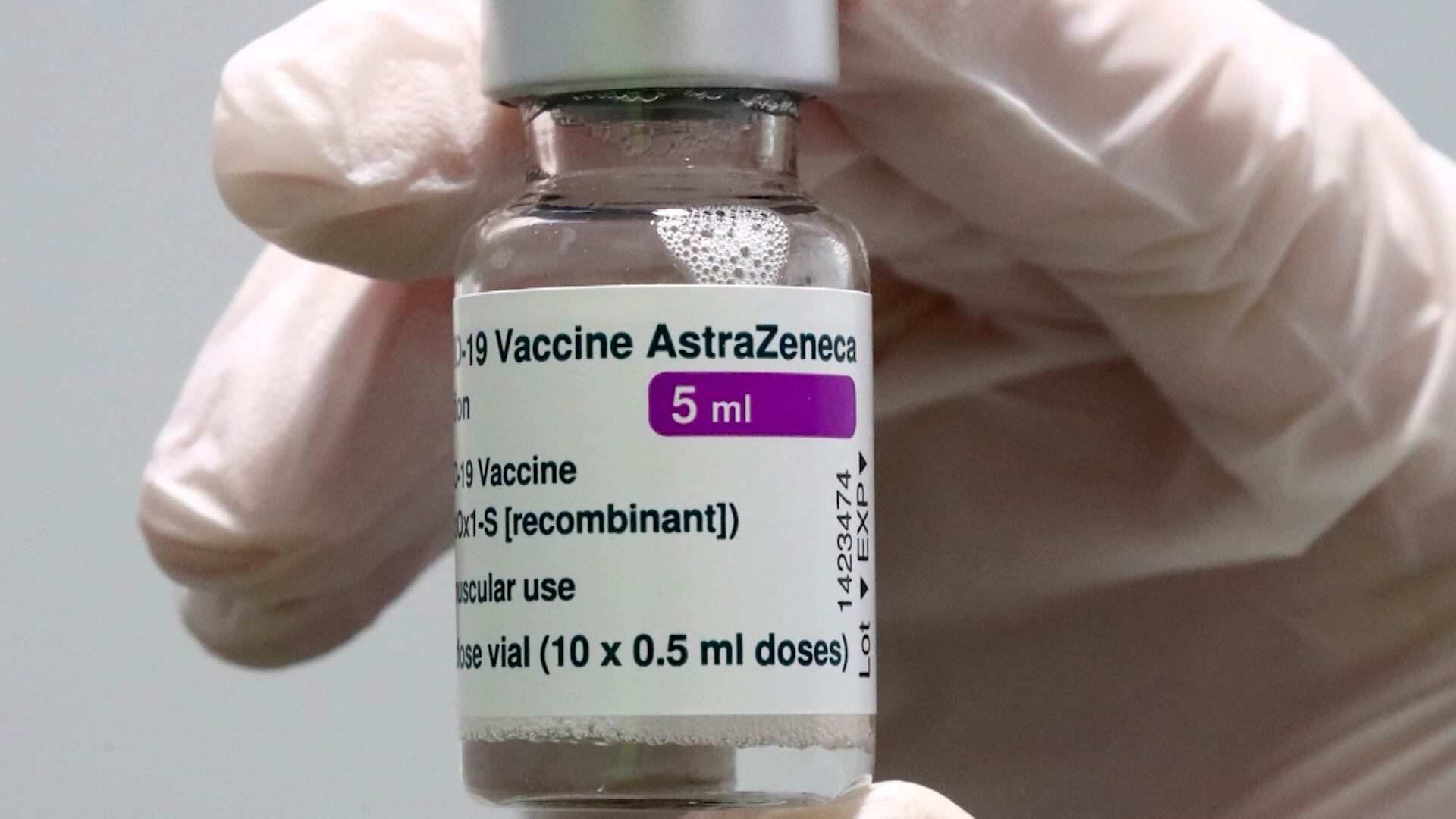
Mina Makar, senior vice president of respiratory and immunology, Astrazeneca, joined Cheddar to discuss the FDA's decision to give emergency use authorization to the pharma giant's COVID-19 antibody treatment called Evusheld for immunocompromised patients For about 2 percent of the U.S. Makar noted that the injection is supposed to provide antibody protection for those who can't generate their own adequate immune response via the vaccines for a minimum of six months, though long-term trials are underway.
The pandemic has forced corporate America to reshape itself to adapt, including onboarding doctors as chief medical officers to help maintain the health and safety of staff. Dr. Geeta Nayyar, chief medical officer at Salesforce, joined Cheddar to break down her role and how it has become relevant and necessary in the evolving workplace. "Every business today is now in the business of healthcare," she said. "It is a priority to empower employees to then serve your customers."
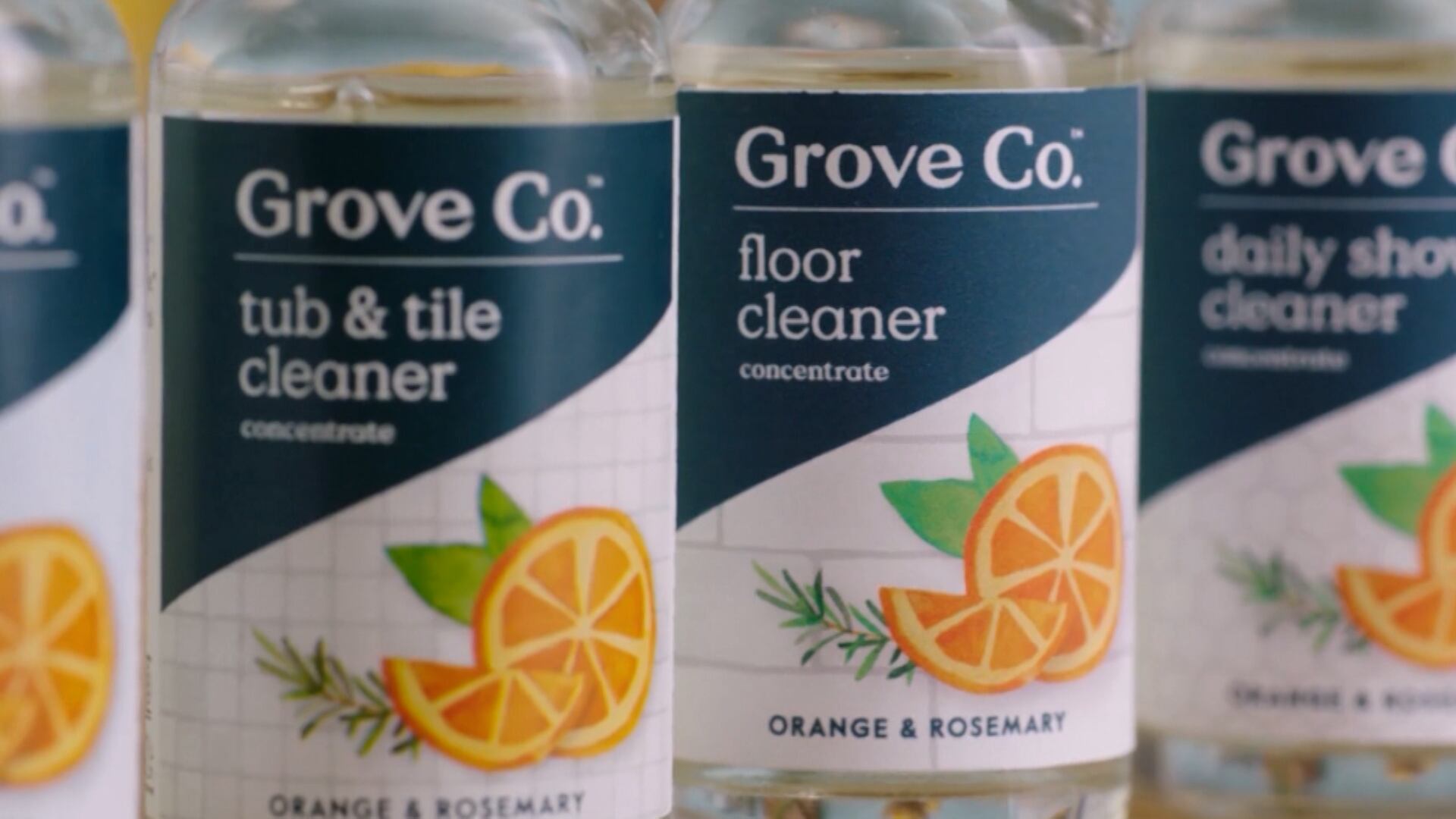
Sustainable consumer products maker Grove Collaborative is gearing up to launch an IPO via a SPAC merger with Richard Branson's Virgin Group Acquisition Corp II. Stuart Landesberg, CEO and co-founder of Grove Collaborative, talked to Cheddar's Kristen Scholer about going public through the merger and aligning with a partner he felt also prioritizes climate. "What this partnership will mean is that we're able to expand the assortment and innovations that we bring to market in products that work just as well as the conventionals and market leaders but have a significantly different environmental profile," Landesberg said.
Cuy Sheffield, head of crypto at Visa, joined Cheddar's "Closing Bell" to talk about Visa's commitment and the partnerships the company has established to make crypto a conventional form of currency. He noted that banks are becoming more receptive to digital currency as their customers move portions of money to crypto platforms and also explained steps Visa is taking to make them more climate conscious.