The number of people seeking unemployment benefits fell last week for a fourth straight time to a pandemic low, the latest sign that America's job market is rebounding from the pandemic recession as employers boost hiring to meet a surge in consumer demand.
The Labor Department reported Thursday that jobless claims fell by 29,000 to 348,000. The four-week average of claims, which smooths out week-to-week volatility, also fell — by 19,000, to just below 378,000, also a pandemic low.
The weekly pace of applications for unemployment aid has fallen more or less steadily since topping 900,000 in early January. The dwindling number of first-time jobless claims has coincided with the widespread administering of vaccines, which has led businesses to reopen or expand their hours and drawn consumers back to shops, restaurants, airports and entertainment venues.
Still, the number of applications remains high by historic standards: Before the pandemic tore through the economy in March 2020, the weekly pace amounted to around 220,000 a week. And now there is growing concern that the highly contagious delta variant could disrupt the economy's recovery from last year's brief but intense recession. Some economists have already begun to mark down their estimates for growth this quarter as some measures of economic activity, like air travel, have started to weaken.
Filings for unemployment benefits have traditionally been seen as a real-time measure of the job market’s health. But their reliability has deteriorated during the pandemic. In many states, the weekly figures have been inflated by fraud and by multiple filings from unemployed Americans as they navigate bureaucratic hurdles to try to obtain benefits. Those complications help explain why the pace of applications remains comparatively high.
By all accounts, the job market has been rebounding with vigor since the pandemic paralyzed economic activity last year and employers slashed more than 22 million jobs. The United States has since recovered 16.7 million jobs. And employers have added a rising number of jobs for three straight months, including a robust 943,000 in July. In the meantime, employers have posted a record 10.1 million openings, and many complain that they can’t find enough applicants to fill their open positions.
Last week's drop in applications for aid was larger than many economists had expected, a sign that the job market's recovery remains on track for now despite the worries surrounding the spread of the delta variant.
“As life normalizes and the service sector continues to gain momentum (delta variant permitting), we expect initial jobless claims to remain in a downtrend," Joshua Shapiro, chief U.S. economist at the consulting firm Maria Fiorini Ramirez, said in a research note.
Shapiro added that “this report points to a continued rapid pace of job gains since the July employment data were collected.''
Some employers ascribe their labor shortages to supplemental unemployment benefits from the federal government — including $300 a week on top of regular state aid — for discouraging some of the jobless from seeking work. In response, many states have withdrawn from the federal programs, which expire nationwide next month anyway.
Economists point to other factors, too, that have kept some people on the sidelines of the job market. They include difficulty finding or affording child care, fear about becoming infected by the virus at work and the desire of some people to seek better jobs than they had before the pandemic triggered widespread layoffs.
Whatever the causes, the economy remains 5.7 million jobs shy of the number it had in February 2020. And with the U.S. recording an average of more than 100,000 new COVID-19 cases a day — up from fewer than 12,000 in late June — the delta variant is increasingly clouding the outlook for the rest of the year.
Just over 2.8 million people were receiving traditional state jobless benefits in the week of Aug. 7, down by 79,000 from the previous week and the lowest since the pandemic struck.
Including federal benefits, 11.7 million were receiving some type of unemployment benefits in the week of July 31, down from 28.7 million a year earlier. That drop is a result, in part, of the increased number of people working and no longer receiving jobless aid. But it also reflects the cancellation in many states of a federal unemployment aid program for the self-employed and a separate program for the long-term jobless.
Direct health care company Nomi Health recently raised $110 million in a Series A round. Nomi Health lets public and private organizations directly purchase healthcare at reduced costs, and pay providers in real-time. It also delivers healthcare directly to under-served communities via its fleet of mobile care units, which the company says is the largest in the country. Nomi Health says its mission is to improve the health care experience for all Americans. Nomi Health CEO Mark Newman joined Cheddar News' Closing Bell to discuss.
American Express and Nova Credit have partnered the credit passport program aimed at expanding access to credit for immigrants from the Dominican Republic, Nigeria, Kenya, and Brazil. Misha Esipov, co-founder and CEO of Nova Credit, joined Cheddar's Ken Buffa to talk about the program's benefits for immigrants who have to start over in the U.S. and are looking to establish a credit history. "If you were a good borrower in your home country — and you can prove you were a borrower in your home country — when you first arrive here, you can use that information to continue to be a good borrower," he said of the service.
Despite the rising cost of a home in the U.S., sales rose 1.9 percent in November, and according to Zillow, prices are expected to climb even higher in 2022. M. Ryan Gorman, president and CEO of Coldwell Banker Real Estate, told Cheddar's "Closing Bell" that while median prices are high, demand for a new home is just as high, particularly in "tax and weather favorable" destinations like Florida, Tennessee, and Texas. Gorman also said he sees buyer demand remaining high next year even if interest rates rise somewhat, noting that the already tight housing inventory is expected to slim down even more and foreign purchasers return to the market. "As we get past the holidays and those foreign buyers are able to come back and actually acquire homes and go shopping, I think that may be a bigger driver of some of that increase in buyer demand," he said.
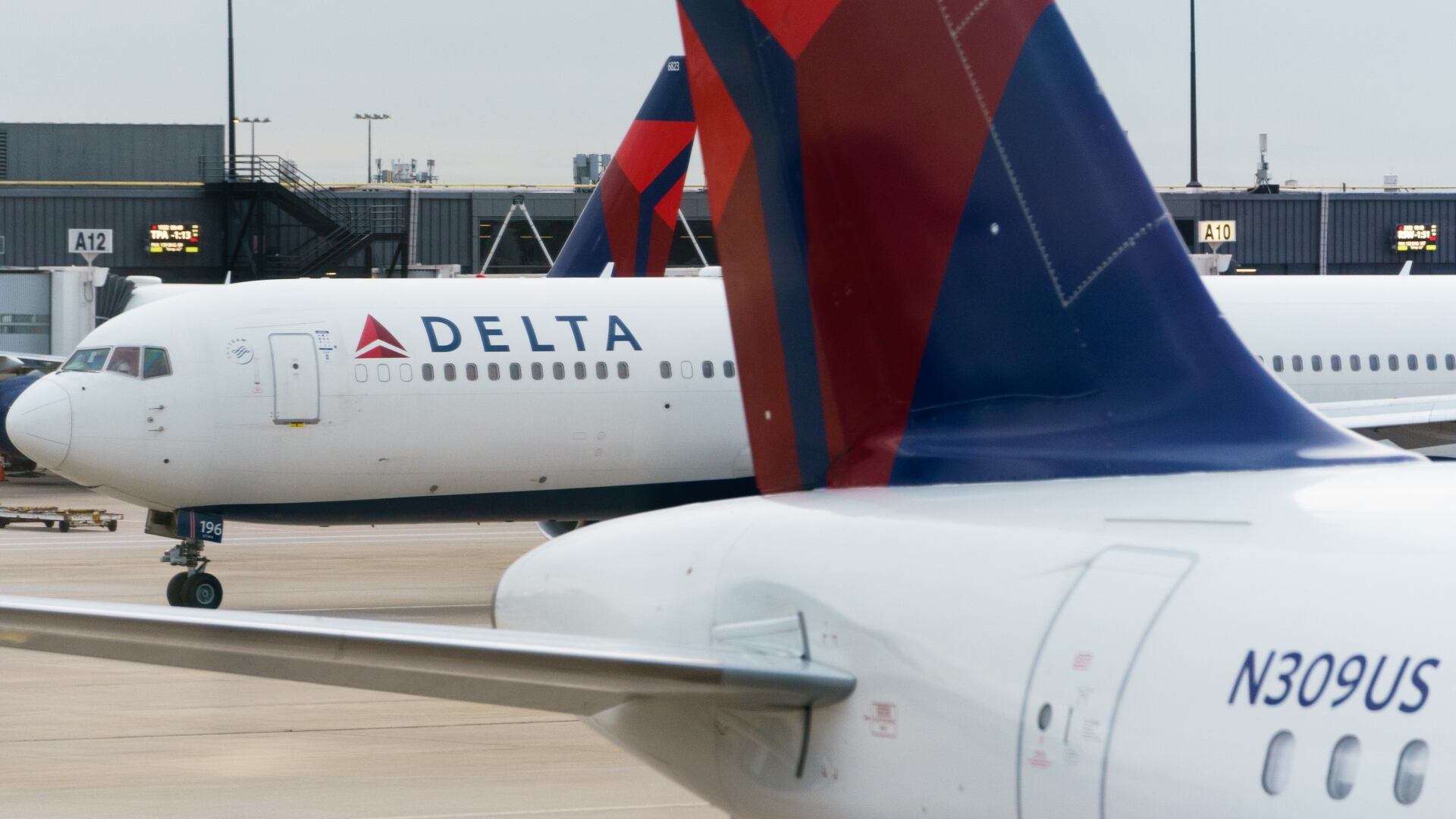
The airline industry says it is contending with staff shortages that threaten to hamper operations amid the COVID resurgence, andDelta Airlines CEO Ed Bastian called on the CDC to revise its guidance for vaccinated workers who test positive from a 10-day quarantine to just five. Chuck Liberman, chief investment officer and managing partner at Advisors Capital Management LLC, joined Cheddar to talk about the current guidance on isolation and why he believes the omicron variant calls for more relaxed guidance given its reportedly mild symptoms.
A new series is looking to advance Black founders who have disruptive ideas and companies. 'Bet on Black' is a new series that allows black entrepreneurs to pitch their businesses in the hopes of securing $200,000 in funding. Revolt TV and Target teamed up to create the show. Detavio Samuels, CEO of Revolt, joins Cheddar News to discuss.
Bitcoin's rise to the mainstream has been a wild ride this year. The cryptocurrency is trading a little under $49,000 Wednesday morning and is set to finish the year sharply higher than where it began earlier this year. Ether prices also soared this year, rising from $730 per coin to nearly $4,000. Ben Armstrong, founder of Bitboy Crypto, joins us to discuss what's in store for crypto in 2022.
The fitness industry was one of the most severely impacted at the start of the pandemic. As the omicron variant of COVID-19 threatens fitness centers and gyms, the Global Health and Fitness Association, along with the Community Gyms Coalition, are calling on the federal government to provide pandemic relief before the close of 2021. Crunch Fitness Franchise CEO Ben Midgely joined Cheddar to talk about proactive steps gyms are taking to maximize business as COVID resurges. "It should be a little bit easier," he said. "We hate to have to deal with it again, but it's what businesses in this country have to work with."
According to the FAA, airlines have reported over 5,000 incidents involving unruly passengers this year, with more than 3,600 of those involving people who refused to wear face masks. As a result of all this, airline crews are calling on the federal government to step in to implement protocols to help ensure safety on the ground and while in flight. President of the Association of Flight Attendants- CWA Sara Nelson, joined Cheddar to discuss more.
The NHTSA is investigating Tesla over the potential for crashes and distracted driving due to its front touch screen "Passenger Play" game option. The probe covers 580,000 vehicles for all four models from 2017 to 2022.