By Paul Wiseman

The number of people seeking unemployment benefits fell last week for a fourth straight time to a pandemic low, the latest sign that America's job market is rebounding from the pandemic recession as employers boost hiring to meet a surge in consumer demand.

The Labor Department reported Thursday that jobless claims fell by 29,000 to 348,000. The four-week average of claims, which smooths out week-to-week volatility, also fell — by 19,000, to just below 378,000, also a pandemic low.

The weekly pace of applications for unemployment aid has fallen more or less steadily since topping 900,000 in early January. The dwindling number of first-time jobless claims has coincided with the widespread administering of vaccines, which has led businesses to reopen or expand their hours and drawn consumers back to shops, restaurants, airports and entertainment venues.

Still, the number of applications remains high by historic standards: Before the pandemic tore through the economy in March 2020, the weekly pace amounted to around 220,000 a week. And now there is growing concern that the highly contagious delta variant could disrupt the economy's recovery from last year's brief but intense recession. Some economists have already begun to mark down their estimates for growth this quarter as some measures of economic activity, like air travel, have started to weaken.

Filings for unemployment benefits have traditionally been seen as a real-time measure of the job market’s health. But their reliability has deteriorated during the pandemic. In many states, the weekly figures have been inflated by fraud and by multiple filings from unemployed Americans as they navigate bureaucratic hurdles to try to obtain benefits. Those complications help explain why the pace of applications remains comparatively high.

By all accounts, the job market has been rebounding with vigor since the pandemic paralyzed economic activity last year and employers slashed more than 22 million jobs. The United States has since recovered 16.7 million jobs. And employers have added a rising number of jobs for three straight months, including a robust 943,000 in July. In the meantime, employers have posted a record 10.1 million openings, and many complain that they can’t find enough applicants to fill their open positions.

Last week's drop in applications for aid was larger than many economists had expected, a sign that the job market's recovery remains on track for now despite the worries surrounding the spread of the delta variant.

“As life normalizes and the service sector continues to gain momentum (delta variant permitting), we expect initial jobless claims to remain in a downtrend," Joshua Shapiro, chief U.S. economist at the consulting firm Maria Fiorini Ramirez, said in a research note.

Shapiro added that “this report points to a continued rapid pace of job gains since the July employment data were collected.''

Some employers ascribe their labor shortages to supplemental unemployment benefits from the federal government — including $300 a week on top of regular state aid — for discouraging some of the jobless from seeking work. In response, many states have withdrawn from the federal programs, which expire nationwide next month anyway.

Economists point to other factors, too, that have kept some people on the sidelines of the job market. They include difficulty finding or affording child care, fear about becoming infected by the virus at work and the desire of some people to seek better jobs than they had before the pandemic triggered widespread layoffs.

Whatever the causes, the economy remains 5.7 million jobs shy of the number it had in February 2020. And with the U.S. recording an average of more than 100,000 new COVID-19 cases a day — up from fewer than 12,000 in late June — the delta variant is increasingly clouding the outlook for the rest of the year.

Just over 2.8 million people were receiving traditional state jobless benefits in the week of Aug. 7, down by 79,000 from the previous week and the lowest since the pandemic struck.

Including federal benefits, 11.7 million were receiving some type of unemployment benefits in the week of July 31, down from 28.7 million a year earlier. That drop is a result, in part, of the increased number of people working and no longer receiving jobless aid. But it also reflects the cancellation in many states of a federal unemployment aid program for the self-employed and a separate program for the long-term jobless.


Share:
More In Business
Amazon Poised to Challenge Sports Media Giants to Become Leader in Sports Broadcasting
It's no secret tech giant Amazon has a mission of becoming a major player in sports media, and the company is poised to make progress on that goal in 2022. Amazon Prime Video will be the exclusive home to Thursday Night Football for the 2022-23 NFL season. In December, the New York Post reported that Amazon is in the beginning stages of developing studio sports programs, and hopes to soon have a full daily lineup of sports shows. Front Office Sports senior reporter A.J. Perez joined Cheddar News' Closing Bell to discuss.
Little Otter Raises $22 Million Series A to Combat the Children's Mental Health Crisis
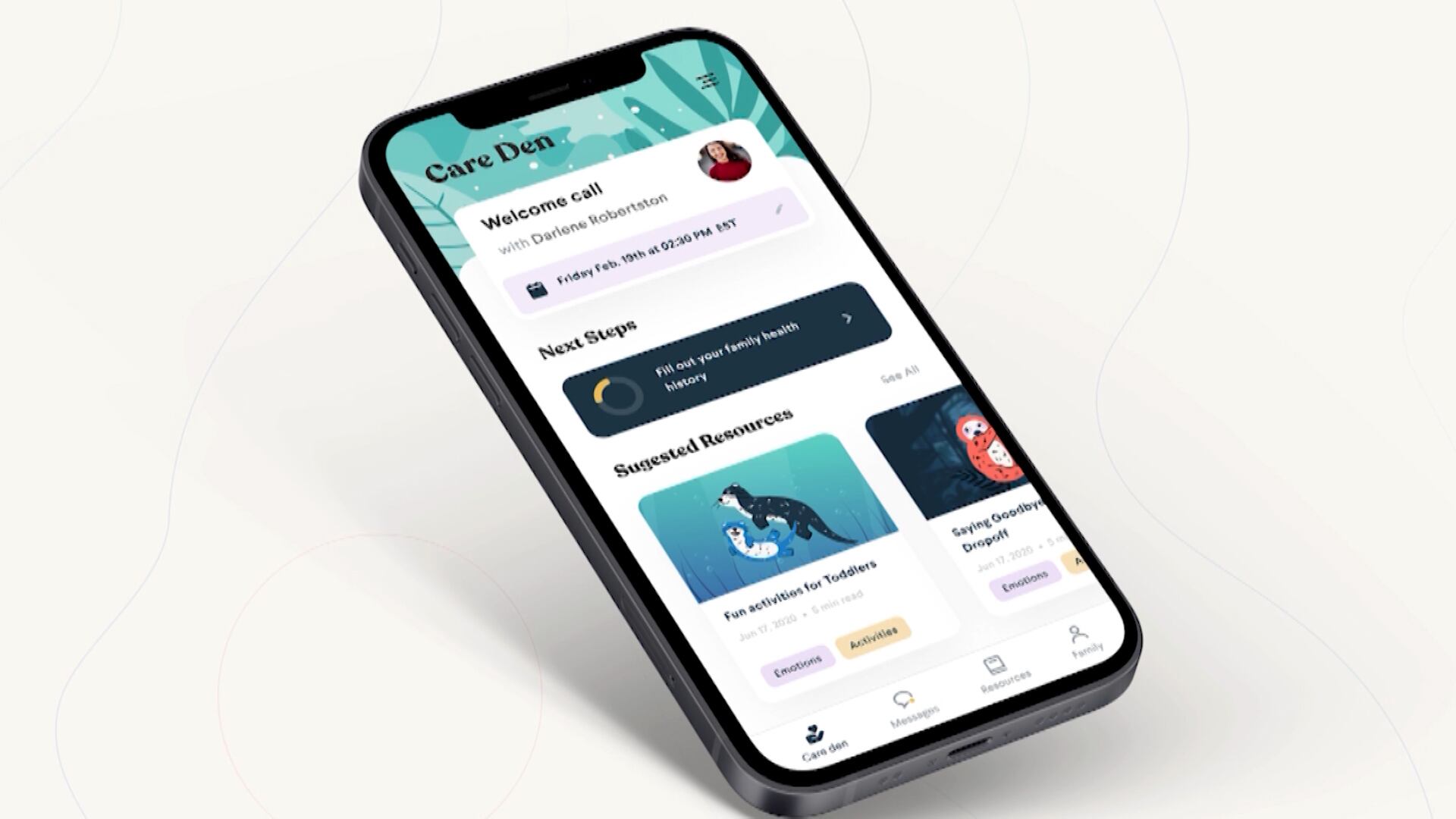
Digital mental health company Little Otter recently announced it closed a $22 million Series A round. Little Otter was founded in 2020 by a mother-daughter team, which based the company on the idea that a child's mental health can only be addressed by treating the whole family through technology available to everyone. Little Otter CEO and co-founder Rebecca Egger and her mother, Little Otter Chief Medical and Scientific Officer and co-founder Dr. Helen Egger joined Cheddar News' Closing Bell to discuss.
Stocks Close Lower as Rate Hike Fears Hit Tech Stocks
Stocks closed lower Thursday with the tech-heavy Nasdaq in particular under pressure as investors dump tech stocks amid interest rate hike fears. This is the third session in a row that the Nasdaq has slipped. Meanwhile, rate-sensitive stocks gained one day after the Federal Reserve announced its more hawkish policy including three rate hikes this year. Kristina Hooper, Chief Global Market Strategist at Invesco, joins Cheddar News' Closing Bell to discuss today's close, this week's Fed minutes and the central bank's new hawkish policy, and more.
Health Tech Like Abbott Biowearable Lingo Take CES Center Stage
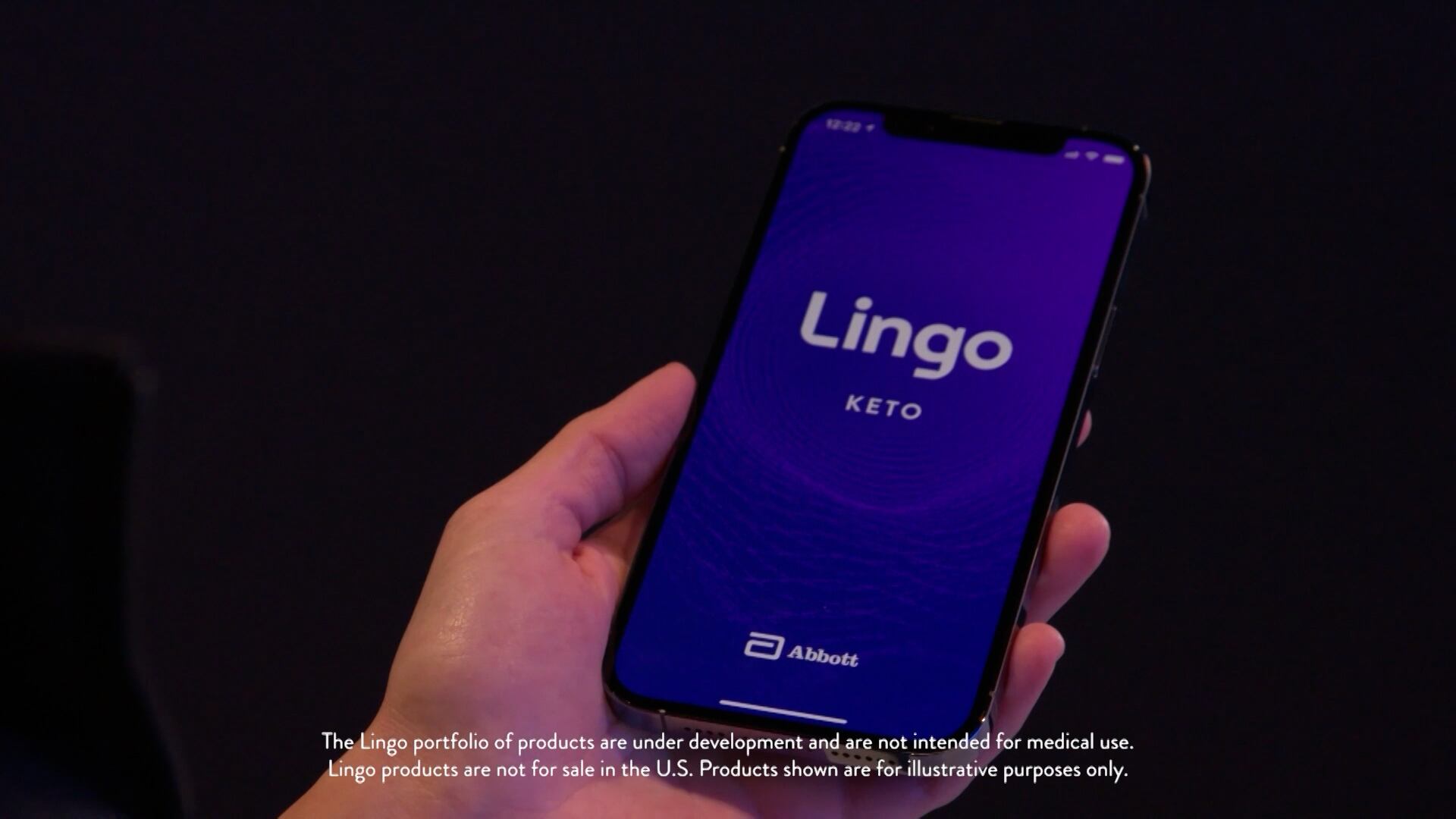
Jared Watkin, senior vice president, diabetes care, at Abbott Laboratories, joined Michelle Castillo from the CES 2022 floor to discuss the future of health tech, including Abbott's consumer-facing biowearable called Lingo. The accessory is supposed to send real-time biomarker information like glucose or ketone levels to the Lingo app for the wearer to review. "The idea is that it's a window into your body," Watkin said. "It gives you insight into what's going on in your body and the certain circumstances that you otherwise wouldn't be able to have."
LIDAR Tech Firm Luminar Partners With Volvo to Advance Safe Autonomous Driving
Aaron Jefferson, VP of product at Luminar, joined Cheddar to discuss partnering with automaker Volvo to bring its LIDAR (light detection and ranging) tech into autonomous cars capable of safely driving on the highway. While companies like Tesla have come under fire due to safety issues with its self-driving technology, Jefferson noted how his company's tech differs. "Our LIDAR, its iris sensor that's really set for production, is able to sense, understand, and give the vehicle confidence to react accordingly such that you don't have these same types of issues," he said. The Ride Pilot technology in Volvo vehicles will be rolled out in California following safety testing.
Mark Cuban-Backed Fintech App Dave on Disrupting Banking as It Goes Public
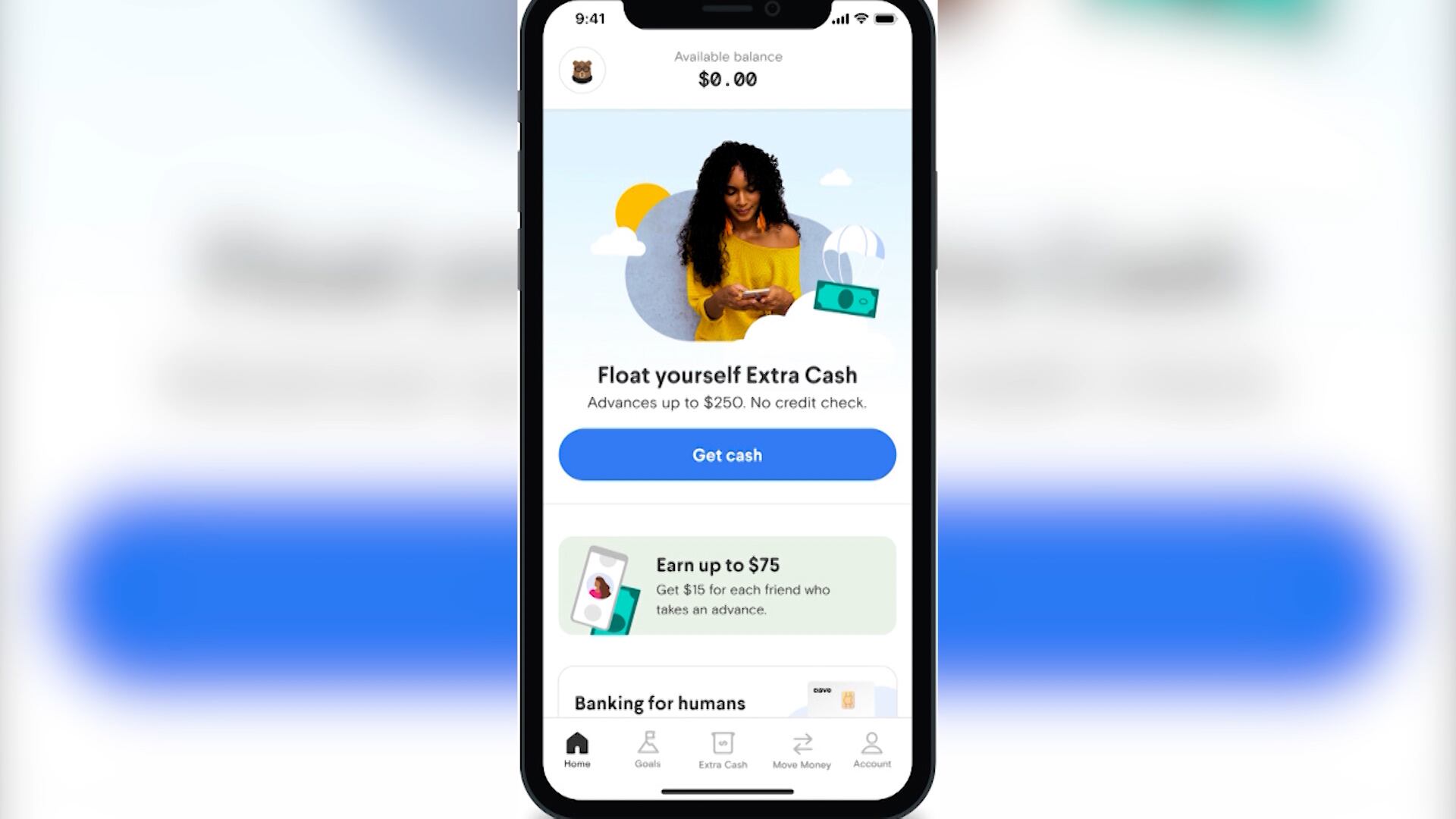
The fintech app backed by billionaire Mark Cuban called Dave made its public debut on the Nasdaq Thursday via a SPAC merger. CEO and co-founder Jason Wilk spoke to Cheddar's Kristen Scholer about the IPO and how his company's services distinguish it from traditional banks. "Customers come to us because they're tired of paying $20 billion of overdraft fees, and they come to Dave, they download our app, and within minutes they can get access to $250 of no interest credit, which we give them through our own proprietary machine learning model," he told Cheddar.
Marriott Design Lab for Hotel Tech Innovation Announced at CES 2022
Stephanie Linnartz, president of Marriott International, joined Cheddar's "Closing Bell" to talk about the launch of the Marriott Design Lab, a new facility within its Bethesda, Maryland, headquarters to explore innovative tech offerings for bolstering the guest experience. "It's all around figuring out how we can innovate in the guest room in the public space, looking at how we can use robotics, improve sustainability, etcetera," she said. Some short-term changes in the future Linnartz also noted is an expansion of the chain's mobile capabilities to make check-in and check-out an easier process for guests, as well as mobile room service, from the feedback it received during the pandemic.
Load More