By Christopher Rugaber
The number of Americans applying for unemployment aid fell last week to 547,000, the lowest point since the pandemic struck and an encouraging sign that layoffs are slowing on the strength of an improving job market.
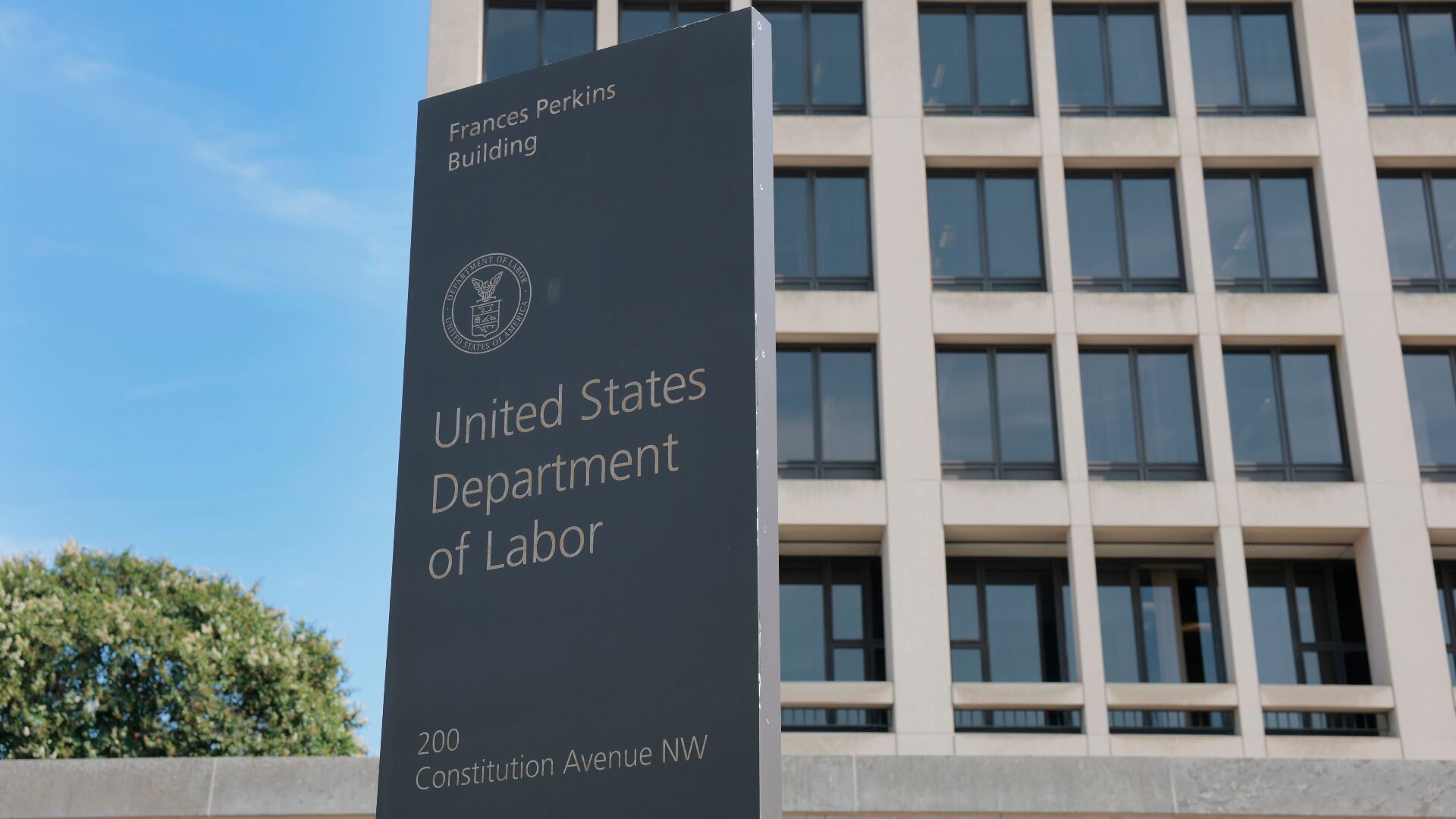
The Labor Department said Thursday that applications declined 39,000 from a revised 586,000 a week earlier. Weekly jobless claims are down sharply from a peak of 900,000 in early January. At the same time, they're still far above the roughly 230,000 level that prevailed before the viral outbreak ripped through the economy in March of last year.
About 17.4 million people were continuing to collect unemployment benefits in the week that ended April 3, up from 16.9 million in the previous week. Most of the increase occurred in two states, California and Texas. In California, recipients of a federal program for the long-term unemployed jumped nearly 50%, a sign that the state likely processed a backlog of claims that had been filed earlier. Other states, too, have been struggling with backlogs of applications.
Still, the number of ongoing recipients has declined by about 2.3 million from early March, when the figure was 19.7 million — a sign that more people are being hired. Some long-term unemployed may have also exhausted all their benefits.
The overall job market is making steady gains. Last month, the nation's employers added 916,000 jobs, the most since August, in a sign that a sustained recovery is taking hold. The unemployment rate fell from 6.2% to 6%, well below the pandemic peak of nearly 15%.
The number of available jobs has also jumped in recent weeks, leading many employers to complain that they can't find enough workers despite still-high unemployment. Several factors may be keeping some of those out of work from searching for jobs. They include fears of contracting the virus, child care needs and the fact that a federal supplemental unemployment benefit of $300 a week, on top of state aid, means that some low-income workers can receive as much or more income from jobless benefits compared their former job.
The weekly data on applications for jobless aid is generally seen as a rough measure of layoffs because only people who have lost their jobs through no fault of their own are eligible. But during the pandemic, the numbers have become a less reliable barometer.
States have struggled to clear backlogs of unemployment applications, and suspected fraud has clouded the actual volume of job cuts. In addition, the supplemental federal jobless payment, on top of regular state unemployment aid, might have encouraged more people to apply for benefits.
For now, the economy is showing steady signs of recovering. Sales at retail stores and restaurants soared 10% in March -- the biggest increase since last May. Federal stimulus checks of $1,400 have been sent to most adults. And Americans who have kept their jobs have accumulated additional savings, part of which they will likely spend now that states and cities have loosened business restrictions and the virus wanes.
Economic growth is accelerating so fast that the principal concerns surrounding the economy have shifted from a high unemployment rate and anemic spending to bottlenecks in company supply chains and the difficulty some businesses say they are having in finding enough workers.
Those issues, in turn, have fed concerns that the Federal Reserve’s low-interest rate policies could fuel a spike in inflation. Last month, wholesale prices jumped 4.2% compared with a year earlier, the biggest 12-month increase in nearly a decade.
Still, consumer prices are, so far, rising at a more restrained pace. They increased 2.6% in March from a year earlier, mostly because of a jump in gas prices. Excluding the volatile food and energy categories, core inflation rose just 1.6% in the previous 12 months.
Economists expect inflation to rise steadily in the coming months because prices fell about a year ago when the pandemic first hit and the economy largely shut down. That makes comparisons to price levels a year ago look particularly large.
Fed Chair Jerome Powell says he expects that higher inflation to prove temporary and that supply bottlenecks will eventually clear as shipping picks up and factories produce more parts.