WASHINGTON (AP) — Inflation in the United States dropped last month to its lowest point since it first began surging more than three years ago, adding to a spate of encouraging economic news in the closing weeks of the presidential race.
Consumer prices rose just 2.4% in September from a year earlier, down from 2.5% in August, and the smallest annual rise since February 2021. Measured from month to month, prices increased 0.2% from August to September, the Labor Department reported Thursday, the same as in the previous month.
But excluding volatile food and energy costs, "core” prices, a gauge of underlying inflation, remained elevated in September, driven higher by rising costs for medical care, clothing, auto insurance and airline fares. Core prices in September were up 3.3% from a year earlier and 0.3% from August. Economists closely watch core prices, which typically provide a better hint of future inflation.
Taken as a whole, the September figures show that inflation is steadily easing back to the Fed's 2% target, even if in a gradual and uneven pattern. Apartment rental costs grew more slowly last month, a sign that housing inflation is finally cooling, a long-awaited development that would provide relief to many consumers.
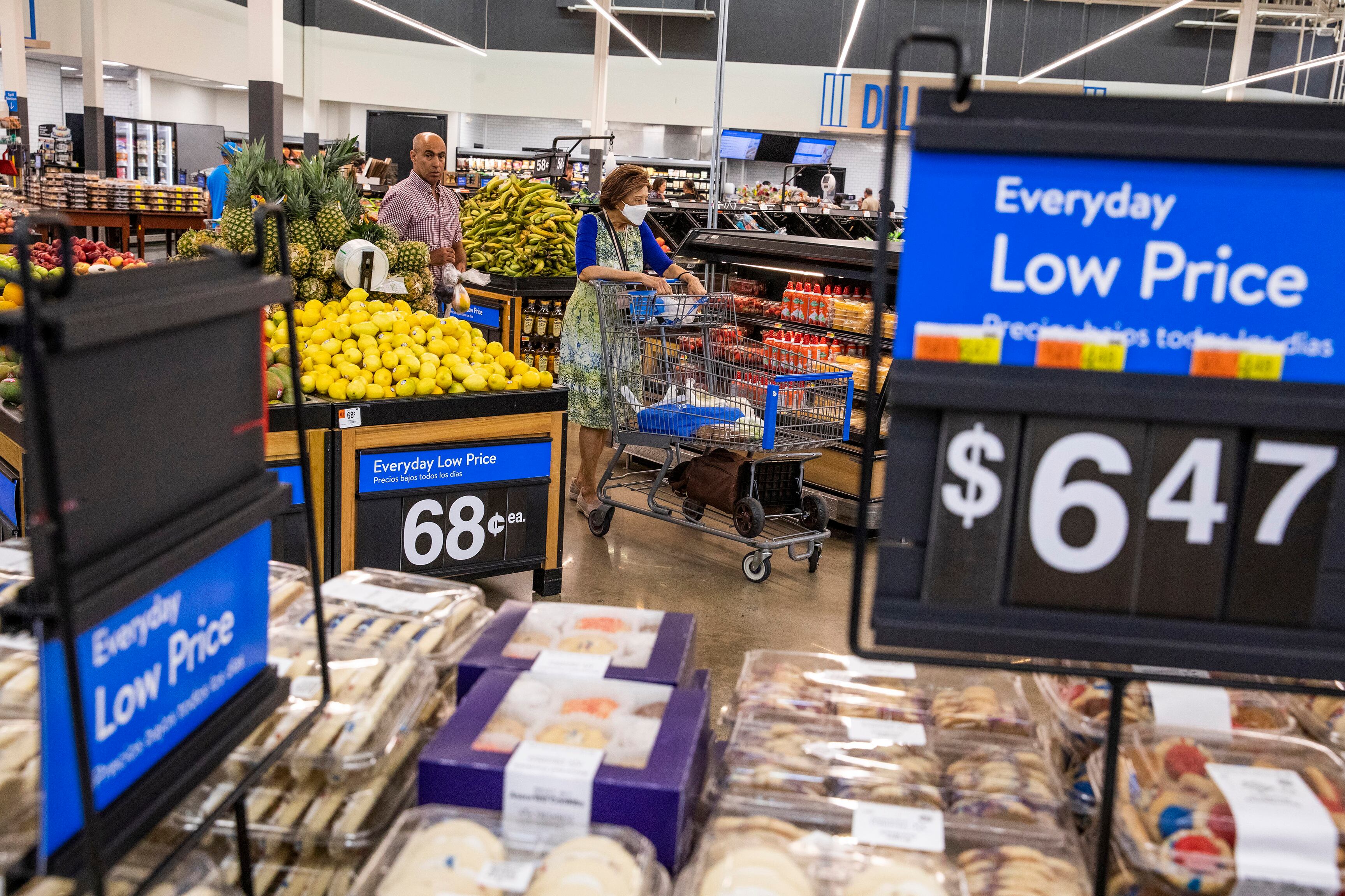
Overall inflation last month was held down by a big drop in gas prices, which fell 4.1% from August to September. Grocery prices jumped 0.4% last month, after roughly a year of mild increases, though they're just 1.3% higher than a year earlier.
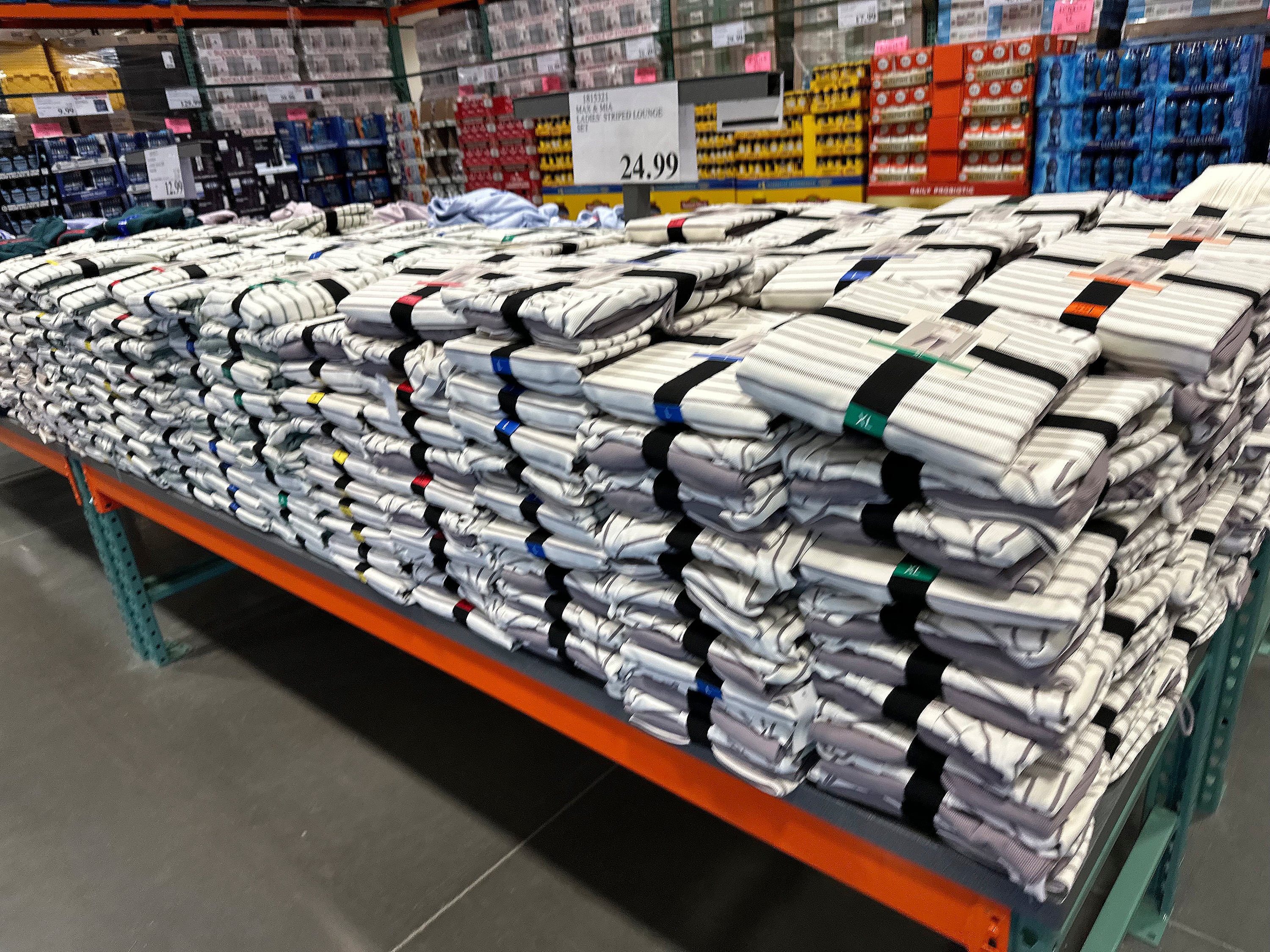
Restaurant food prices increased 0.3% last month and are up 3.9% in the past year. And clothing prices rose 1.1% from August to September and are up 1.8% from a year ago.
The improving inflation picture follows a mostly healthy jobs report released last week, which showed that hiring accelerated in September and that the unemployment rate dropped from 4.2% to 4.1%. The government has also reported that the economy expanded at a solid 3% annual rate in the April-June quarter. Growth likely continued at roughly that pace in the just-completed July-September quarter.
Cooling inflation, solid hiring and healthy growth could erode former President Donald Trump’s advantage on the economy in the presidential campaign as measured by public opinion polls. In some surveys, Vice President Kamala Harris has pulled even with Trump on the issue of who would best handle the economy, after Trump had decisively led President Joe Biden on the issue.
At the same time, most voters still give the economy relatively poor marks, mostly because of the cumulative rise in prices over the past three years.
For the Fed, last week’s much-stronger-than-expected jobs report fueled some concern that the economy might not be cooling enough to slow inflation sufficiently. The central bank reduced its key rate by an outsized half-point last month, its first rate cut of any size in four years. The Fed’s policymakers also signaled that they envisioned two additional quarter-point rate cuts in November and December.
In remarks this week, a slew of Fed officials have said they’re still willing to keep cutting their key rate but at a deliberate pace, a signal that any further half-point cuts are unlikely.
The Fed “should not rush to reduce” its benchmark rate “but rather should proceed gradually,” Lorie Logan president of the Federal Reserve’s Dallas branch, said in a speech Wednesday.
Inflation in the United States and many countries in Europe and Latin America surged in the economic recovery from the pandemic, as COVID closed factories and clogged supply chains. Russia’s invasion of Ukraine worsened energy and food shortages, pushing inflation higher. It peaked at 9.1% in the U.S. in June 2022.
Economists at Goldman Sachs projected earlier this week that core inflation will drop to 3% by December 2024. And few analysts expect inflation to surge again unless conflicts in the Middle East worsen dramatically.
Though higher prices have soured many Americans on the economy, wages and incomes are now rising faster than costs and should make it easier for households to adapt. Last month, the Census Bureau reported that inflation-adjusted median household incomes — the level at which half of households are above and half below — rose 4% in 2023, enough to return incomes back to their pre-pandemic peak.
In response to higher food prices, many consumers have shifted their spending from name brands to private labels or have started shopping more at discount stores. Those changes have put more pressure on packaged foods companies, for example, to slow their price hikes.
This week, PepsiCo reported that its sales volumes fell after it imposed steep price increases on its drinks and snacks.