In this Dec. 22, 2020, file photo, medical workers prepare to manually prone a COVID-19 patient in an intensive care unit at Providence Holy Cross Medical Center in the Mission Hills section of Los Angeles. The U.S. registered its highest deaths yet from the coronavirus on the same day as a mob attack on the nation’s capitol laid bare some of the same, deep political divisions that have hampered the battle against the pandemic. (AP Photo/Jae C. Hong, File)
By Carla K. Johnson and Lisa Marie Pane
The U.S. registered more COVID-19 deaths in a single day than ever before — nearly 3,900 — on the very day the mob attack on the Capitol laid bare some of the same, deep political divisions that have hampered the battle against the pandemic.
The virus is surging in several states, with California hit particularly hard, reporting on Thursday a record two-day total of 1,042 coronavirus deaths. Skyrocketing caseloads there are threatening to force hospitals to ration care and essentially decide who lives and who dies.
“Folks are gasping for breath. Folks look like they’re drowning when they are in bed right in front of us,” said Dr. Jeffrey Chien, an emergency room physician at Santa Clara Valley Regional Medical Center, urging people to do their part to help slow the spread. “I’m begging everyone to help us out because we aren’t the front line. We’re the last line.”
Meanwhile, the number of Americans who have gotten their first shot of the COVID-19 vaccine climbed to at least 5.9 million Thursday, a one-day gain of about 600,000, according to the Centers for Disease Control and Prevention. Hundreds of millions will need to be vaccinated to stop the coronavirus.
About 1.9 million people around the world have died of the virus, more than 360,000 in the U.S. alone. December was by far the nation's deadliest month yet, and health experts are warning that January could be more terrible still because of family gatherings and travel over the holidays.
A new, more contagious variant is spreading around the globe and in the U.S. Also, it remains to be seen what effect the thousands of supporters of President Donald Trump who converged this week in Washington, many of them without masks, will have on the spread of the scourge.
Trump has long downplayed the virus and scorned masks, and many of his ardent supporters have followed his example. He has also raged against lockdowns and egged on protesters objecting to restrictions in states such as Michigan, where armed supporters invaded the statehouse last spring.
On Wednesday, the day a horde of protesters breached the U.S. Capitol, disrupting efforts to certify the election of Joe Biden, the U.S. recorded 3,865 virus deaths, according to Johns Hopkins University. The numbers can fluctuate dramatically after holidays and weekends, and the figure is subject to revision.
“The domestic terrorists overran the Capitol police, just as the virus has been allowed to overrun Americans,” said Dr. Eric Topol, head of the Scripps Research Translational Institute. “The U.S. lost control of a Trump-incited mob and a Trump-played-down pandemic virus.”
Some of the forces contributing to the eruption of violence were partially foreseen by experts in global disease planning when they held a tabletop exercise in 2019, said Dr. Eric Toner, a senior scholar at the Johns Hopkins Center for Health Security who directed the drill.
“We did consider the possibility of active disinformation and using a pandemic for political gain,” Toner said. “Real life turned out to be much worse.”
In California, health authorities Thursday reported 583 new deaths, a day after 459 people died. The overall death toll there stands at more than 28,000. The state also registered more than a quarter-million new weekly cases, and only Arizona tops California in cases per resident. Florida broke its record for the highest single-day number of cases with over 19,800, while its death toll reached 22,400.
Los Angeles County, the nation’s most populous with 10 million residents, and nearly two dozen other counties have essentially run out of intensive care unit beds for COVID-19 patients.
“This is a health crisis of epic proportions,” said Barbara Ferrer, public health director for Los Angeles County.
Guidelines posted on the website for Methodist Hospital of Southern California warned: “If a patient becomes extremely ill and very unlikely to survive their illness (even with life-saving treatment), then certain resources ... may be allocated to another patient who is more likely to survive.”
___
Associated Press writers Olga Rodriguez in San Francisco and Tamara Lush in Tampa, Florida, contributed to this report.
U.S. officials spoke to Russian leaders for nearly eight hours earlier this week, in hopes of reducing tensions between Russia and Ukraine. Russia forced the west to the negotiating table by massing 100,000 troops near the Ukrainian border, sparking fears of an invasion, and then submitted a set of demands which the west rejected. Joel Rubin, former Deputy Assistant Secretary of State & President at Washington Strategy Group explains what the rest of the week might look like, and why other European nations may be on the side of the U.S.
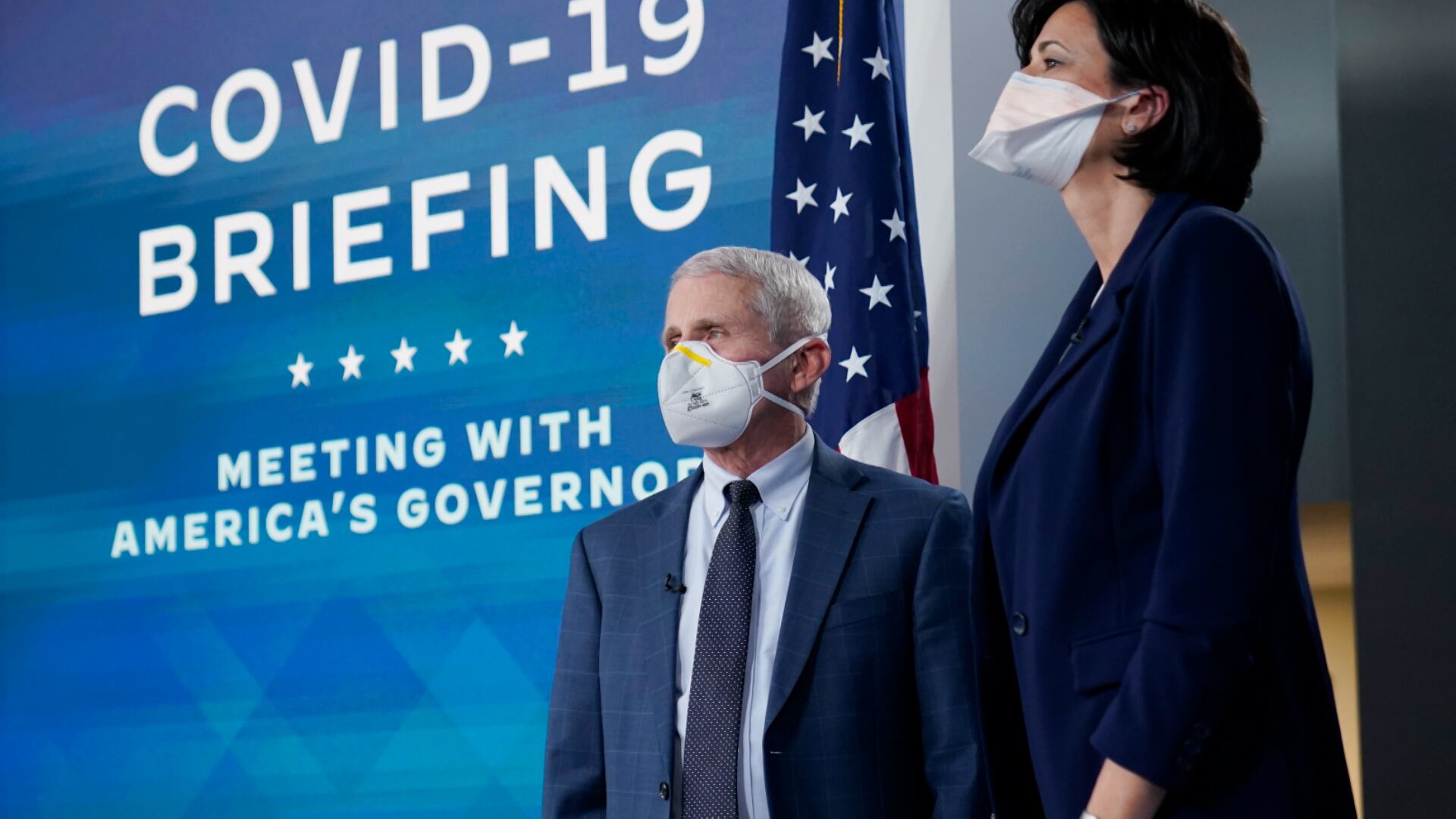
Chicago schools opened their doors again following a dispute between the teachers union and the city over as the omicron variant continues to surge, but the safety issues they fought over weren't just limited to the Windy City. Dr. Bayo Curry-Winchell, family medicine and urgent care doctor, joined Cheddar in discussing concerns of parents, teachers, and students as schools try to operate amid COVID and noted what she's been observing as the number of infections among children rises. "I am seeing them contract the illness from so many different aspects," she said. "It could be from a fellow classmate. It could be from a parent. All of those things really play in the effect of transmission as well as contracting the illness."
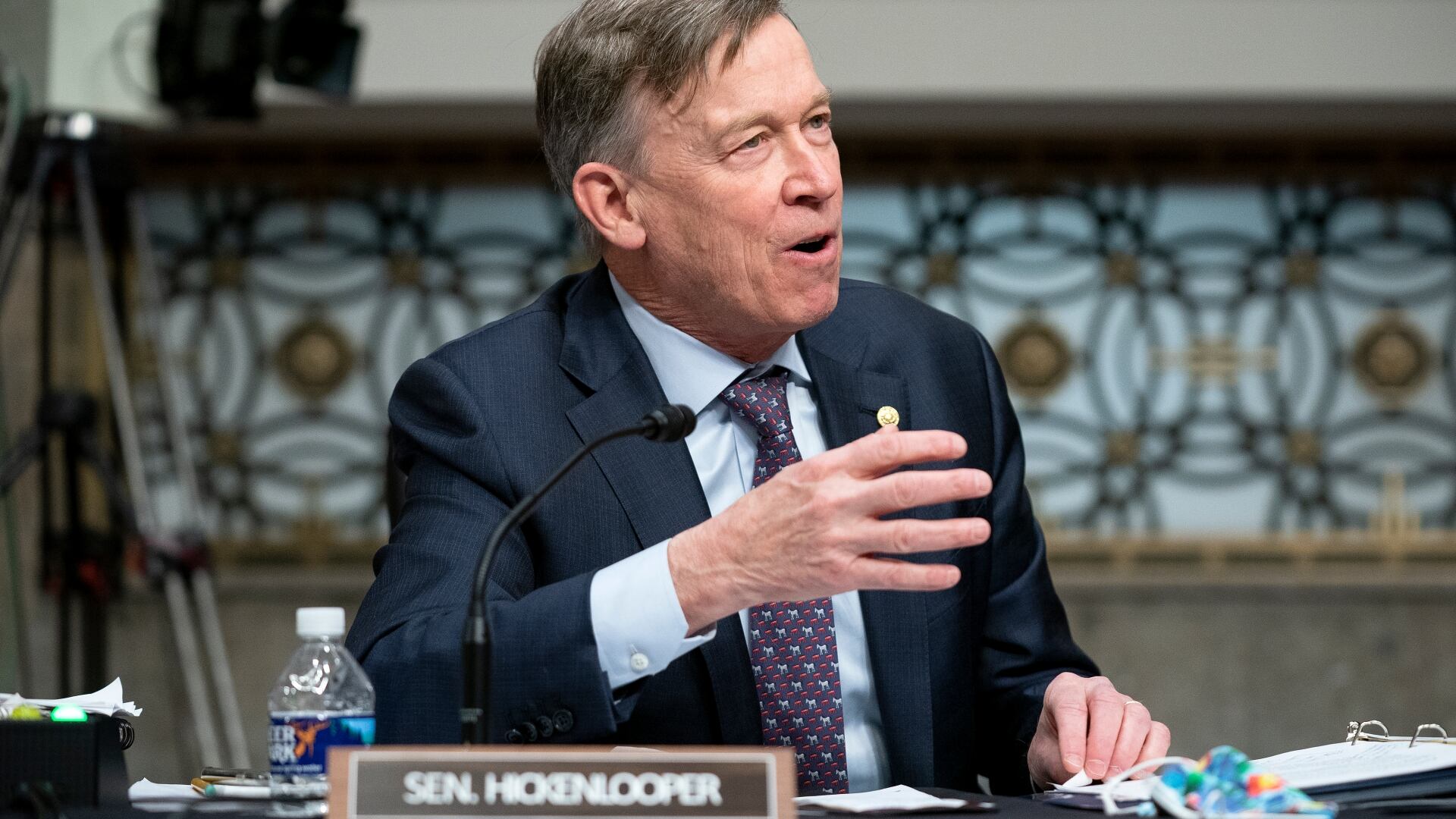
Sen. John Hickenlooper (D-Colo.) is looking for clarification about a federal standard regarding THC impairment while driving. "I think in terms of marijuana, the fact that it's still a Schedule 1 narcotic — it's treated the same as heroin and cocaine — it means that we can't get standards developed," he said about the lack of cohesive regulations. The lawmaker also explained his previous opposition to cannabis legalization in Colorado when he was governor and why his position changed.
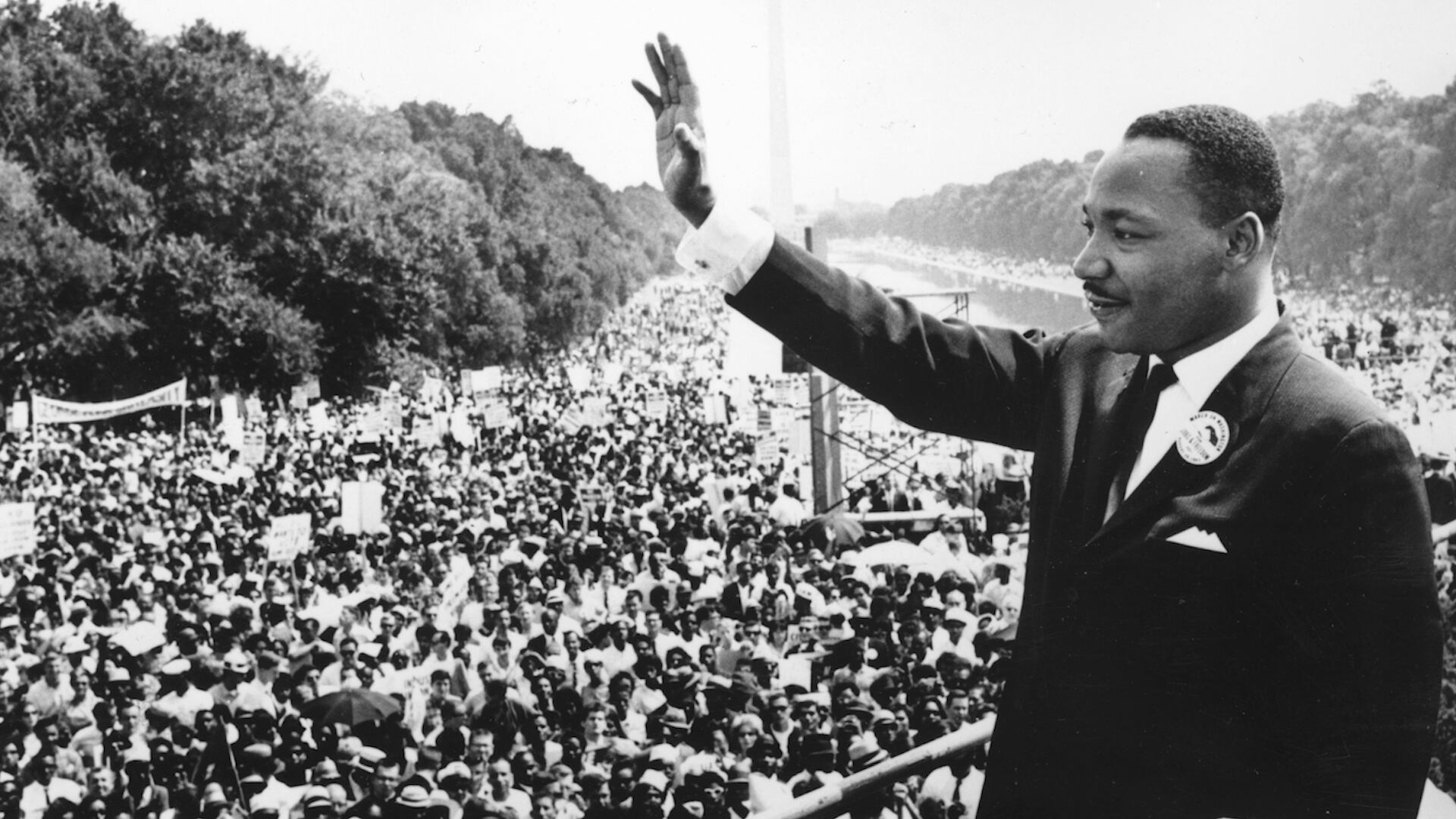
With Martin Luther King Jr. Day fast approaching, Rep. James Clyburn (D-S.C. 6th District), the House Majority Whip, talked about the importance of honoring the iconic civil rights activist. "As we consider the life and celebrate the legacy of Martin Luther King Jr., let's think about who and what we are as a country, and whether or not we're going to give up on the ideals of this country or continue to press forward," he said. Clyburn also discussed the push for new voting legislation, the For the People Act and the John Lewis Act, as well as the fate of the Senate filibuster.
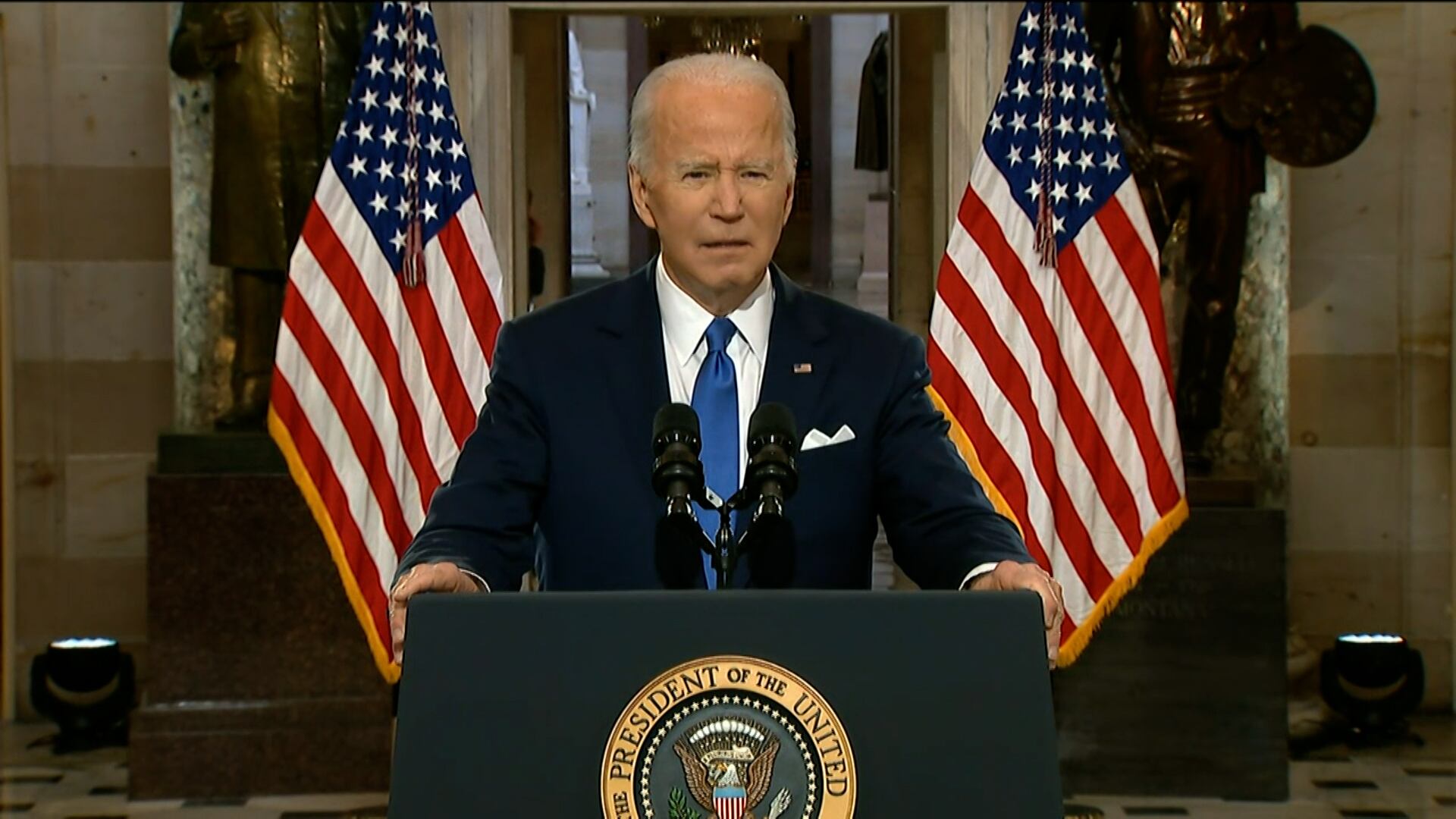
One year after the attack on Capitol Hill, America is still deeply divided and politically broken. Zoe Tillman, senior reporter for BuzzFeed News, breaks down President Biden's remarks on January 6, and why the country disagrees on its views over the violent insurrection.
While the pandemic caused financial troubles for many, the unique circumstances of the last two years proved helpful to many Americans. Whether it was the federal government's stimulus checks, expanded unemployment insurance, or general lockdowns, recent data reveals that the covid-19 pandemic helped many reach financial security. Neale Godfrey, Financial Expert and New York Times #1 Best Selling Author joined Cheddar's Opening Bell to discuss.
U.S. markets opened higher despite red-hot inflation data which showed the highest surge in nearly 40 years. Jon Maier, CIO, GlobalX ETFs joined Cheddar's Opening Bell to discuss this historic report.
Meta's request to have a Federal Trade Commission antitrust lawsuit dismissed was rejected by a federal judge. Prosecutors presented enough evidence in their latest filing to go forward with the case accusing the tech giant of operating a social networking monopoly through Facebook, Instagram, and WhatsApp.
Covid cases have started to spike again across the nation, and this time they seem to be hitting some of our youngest and most vulnerable - school-aged children. School districts across the nation - including the country's largest public school system in New York City- are all grappling with what to do as teachers and students alike continue to miss school in droves.
Katie Honan, reporter for the New York City-based non profit news organization, The City explains how educational leaders across the country are handling covid demands from both teachers and parents alike.
Last week, the Supreme Court began here to hear arguments on two of the President's COVID-19 vaccine mandates. The vaccine or testing requirement for employees of large businesses, as well as the vaccine mandate for health care providers who get funding through either Medicare or Medicaid. The justices in DC will ultimately decide whether or not federal agencies even have the authority to issue these types of mandates. Editor at large of employment at Law 360, Vin Gurrieri, joined Cheddar to discuss more.