U.S. health authorities said Thursday that 16- and 17-year-olds should get a booster dose of Pfizer's COVID-19 vaccine once they're six months past their last shot.
The U.S. and many other nations already were urging adults to get booster shots to pump up immunity that can wane months after vaccination, calls that intensified with the discovery of the worrisome new omicron variant.
On Thursday, the Food and Drug Administration gave emergency authorization for 16- and 17-year-olds to get a third dose of the vaccine made by Pfizer and its partner BioNTech. And hours later, the Centers for Disease Control and Prevention lifted the last barrier — saying those teens should get their booster as soon as it's time.
CDC Director Rochelle Walensky told The Associated Press the boosters are important considering that protection against infection wanes over time and “we’re facing a variant that has the potential to require more immunity to be protected.”
“Vaccination and getting a booster when eligible, along with other preventive measures like masking and avoiding large crowds and poorly ventilated spaces, remain our most effective methods for fighting COVID-19,” Dr. Janet Woodcock, acting FDA commissioner, said in a statement.
The Pfizer vaccine is the only option in the U.S. for anyone younger than 18, either for initial vaccination or for use as a booster. It’s not yet clear if or when teens younger than 16 might need a third Pfizer dose.
Vaccinations for children as young as 5 just began last month, using special low-dose Pfizer shots. By this week, about 5 million 5- to 11-year-olds had gotten a first dose.
The extra-contagious delta variant is causing nearly all COVID-19 infections in the U.S., and in much of the world. It’s not yet clear how vaccines will hold up against the new and markedly different omicron mutant. But there’s strong evidence that boosters offer a jump in protection against delta-caused infections, currently the biggest threat.
Complicating the decision to extend boosters to 16- and 17-year-olds is that the Pfizer shot -- and a similar vaccine made by Moderna -- have been linked to a rare side effect. Called myocarditis, it’s a type of heart inflammation seen mostly in younger men and teen boys.
The FDA said rising COVID-19 cases in the U.S. mean the benefits of boosters greatly outweighed the potential risk from the rare side effect, especially as the coronavirus itself can cause more serious heart inflammation.
Health officials in Israel, which already gives boosters to teens, have said the side effect continues to be rare with third doses.
A U.S. study this week offered additional reassurance. Researchers from children’s hospitals around the country checked medical records and found the rare side effect usually is mild and people recover quickly. The research was published Monday in the journal Circulation.
___
Associated Press reporter Matthew Perrone contributed to this report.
Space travel is growing rapidly, and one billionaire businessman has purchased three SpaceX flights in order to push the industry forward. The Polaris Dawn, the first of three flights, will launch later this year, and its crew will conduct the first commercial spacewalk after they've reached the highest orbit in over 50 years. Jared Isaacman, Polaris Program Mission Commander and Founder & CEO of Shift4, joins Closing Bell to discuss the Polaris program's mission, when the first launch will happen and what it will entail, balancing his business with space exploration efforts, charitable efforts with St. Jude Children's Research Hospital, and more.
The most recent quarterly report from American Clean Power reveals the U.S. surpassed more than 200 gigawatts of total operating utility-scale clean power capacity in 2021. While it is a great milestone, significant policy issues have continued to slow growth for the industry and threaten our country's ability to meet emissions goals. John Hensley, VP for Research and Analytics at American Clean Power, joined Cheddar News to discuss more.
Cann, a cannabis-infused beverage company, announced today a $27 million Series A funding round from existing investors like Imaginary Ventures and a roster of new celebrity investors including Nina Dobrev, Adam Devine, Zoey Deutch, Jordan Cooper, Sara Foster, and Rosario Dawson. Cann is also announcing its first international expansion with the brand's launch in Canada. Jake Bullock, co-founder and CEO of Cann, joins Cheddar News' Closing Bell to discuss.
By 2050, nuclear power share of total energy consumption will dip to just 3.7% down from the already measly 4.5% it is today, according to the U. S. Energy Information Administration. However, a group of world powers including the U.S. and Japan is looking to reverse the trend. John Kotek, SVP of Policy Development and Public Affairs at the Nuclear Energy Institute, joined Cheddar News to discuss.
Scientists say the fossil of a 170-million-year-old pterosaur, billed as the world’s best-preserved skeleton of the prehistoric winged reptile, has been found on the Isle of Skye in Scotland.
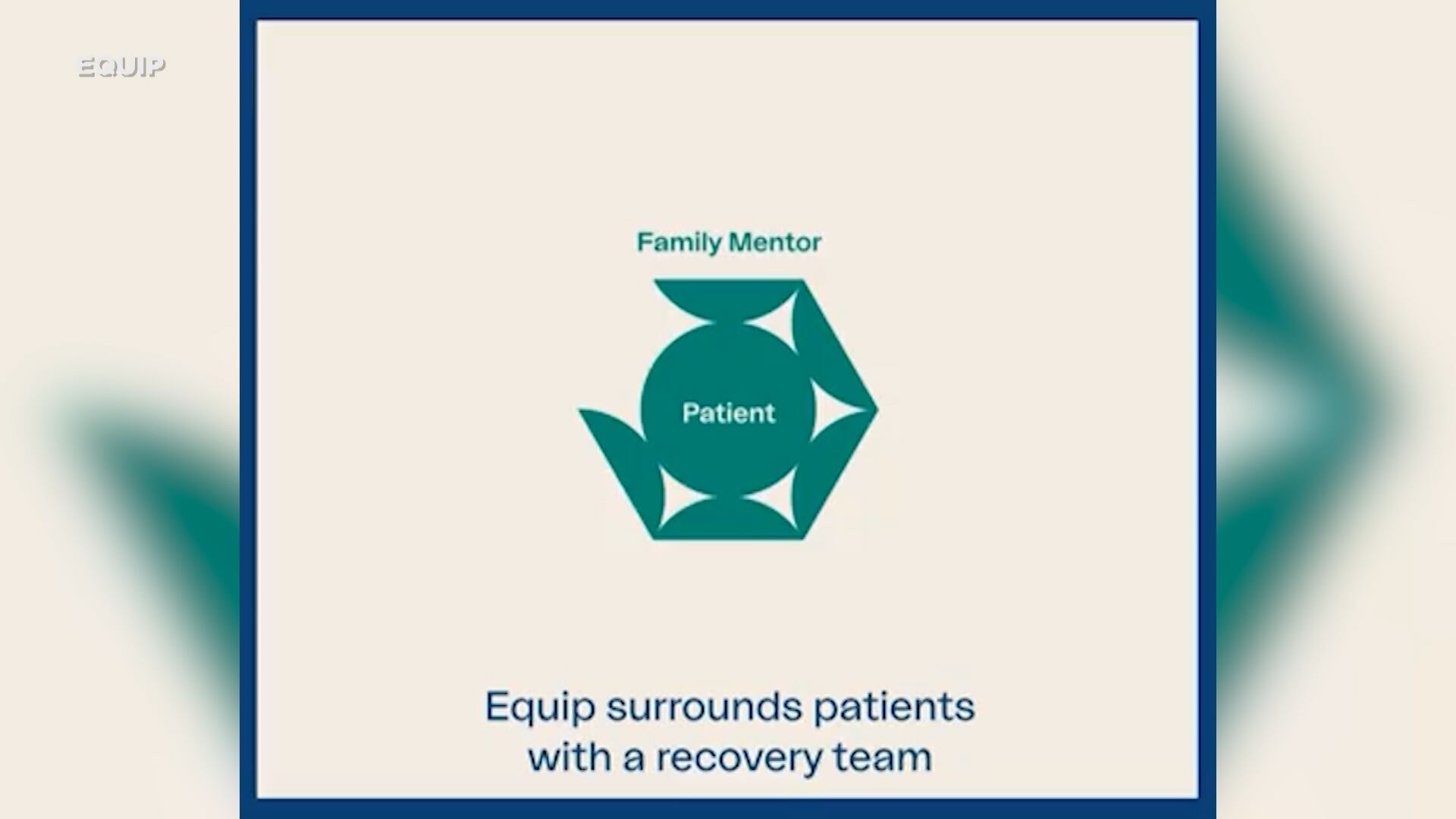
Equip is a virtual treatment platform for eating disorders, and recently raised $58 million in a Series B round led by The Chernin Group. The company aims to revolutionize treatment for eating disorders by delivering virtual care teams and clinical expertise directly to families' homes. Equip says the need for its platform has only been exacerbated by the COVID-19 pandemic. The National Eating Disorder Association's helpline has had a 107% increase in contacts since the start of the pandemic. Kristina Saffran, CEO and co-founder of Equip, joins Cheddar News' Closing Bell to discuss.
Tonga's main internet connection to the rest of the world has finally been restored more than five weeks after a huge volcanic eruption and tsunami severed a crucial undersea cable.
Hank the Tank strikes again. The 500-pound black bear that has damaged more than 30 properties around Lake Tahoe last week broke into yet another home in its endless quest for a quick meal.