U.S. health authorities said Thursday that 16- and 17-year-olds should get a booster dose of Pfizer's COVID-19 vaccine once they're six months past their last shot.
The U.S. and many other nations already were urging adults to get booster shots to pump up immunity that can wane months after vaccination, calls that intensified with the discovery of the worrisome new omicron variant.
On Thursday, the Food and Drug Administration gave emergency authorization for 16- and 17-year-olds to get a third dose of the vaccine made by Pfizer and its partner BioNTech. And hours later, the Centers for Disease Control and Prevention lifted the last barrier — saying those teens should get their booster as soon as it's time.
CDC Director Rochelle Walensky told The Associated Press the boosters are important considering that protection against infection wanes over time and “we’re facing a variant that has the potential to require more immunity to be protected.”
“Vaccination and getting a booster when eligible, along with other preventive measures like masking and avoiding large crowds and poorly ventilated spaces, remain our most effective methods for fighting COVID-19,” Dr. Janet Woodcock, acting FDA commissioner, said in a statement.
The Pfizer vaccine is the only option in the U.S. for anyone younger than 18, either for initial vaccination or for use as a booster. It’s not yet clear if or when teens younger than 16 might need a third Pfizer dose.
Vaccinations for children as young as 5 just began last month, using special low-dose Pfizer shots. By this week, about 5 million 5- to 11-year-olds had gotten a first dose.
The extra-contagious delta variant is causing nearly all COVID-19 infections in the U.S., and in much of the world. It’s not yet clear how vaccines will hold up against the new and markedly different omicron mutant. But there’s strong evidence that boosters offer a jump in protection against delta-caused infections, currently the biggest threat.
Complicating the decision to extend boosters to 16- and 17-year-olds is that the Pfizer shot -- and a similar vaccine made by Moderna -- have been linked to a rare side effect. Called myocarditis, it’s a type of heart inflammation seen mostly in younger men and teen boys.
The FDA said rising COVID-19 cases in the U.S. mean the benefits of boosters greatly outweighed the potential risk from the rare side effect, especially as the coronavirus itself can cause more serious heart inflammation.
Health officials in Israel, which already gives boosters to teens, have said the side effect continues to be rare with third doses.
A U.S. study this week offered additional reassurance. Researchers from children’s hospitals around the country checked medical records and found the rare side effect usually is mild and people recover quickly. The research was published Monday in the journal Circulation.
___
Associated Press reporter Matthew Perrone contributed to this report.
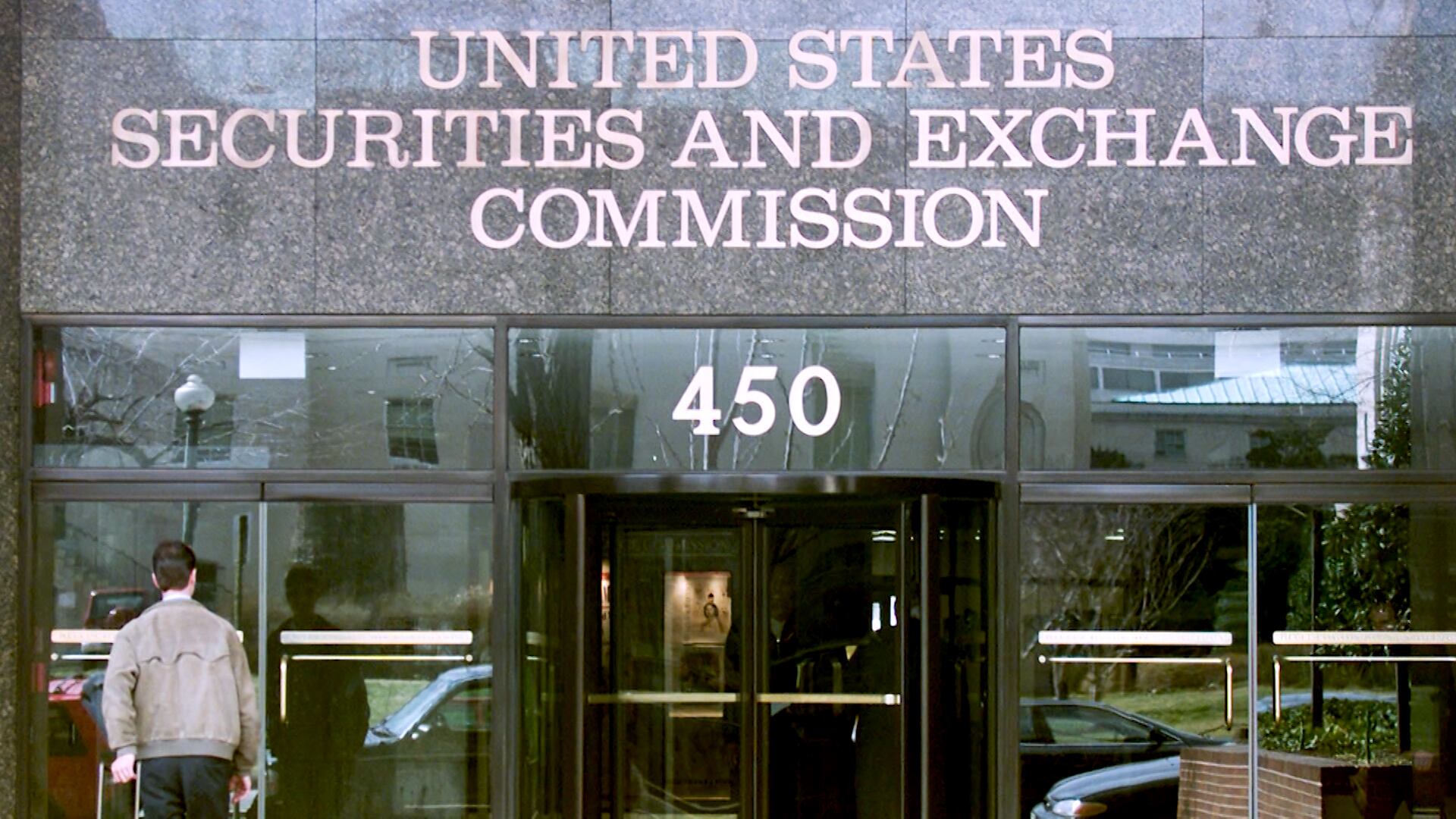
The U.S. Securities and Exchange Commission Monday laid out a proposal that would require businesses to disclose the emissions they produce. Kathleen Rogers, CEO & President at EARTHDAY.ORG, joined Cheddar News to break down the implications of this historic step.
Deepwell Digital Therapeutics is a game development company looking to transform the way we look at video games — this time to improve health outcomes. Its goal is to create software to aid those who deal with conditions such as depression and ADHD. Company co-founder and co-CEO Ryan Douglas and co-founder Kate Edwards joined Cheddar News to talk about the technology is being used to help patients. "From a research perspective, the game industry itself has been well aware for many, many years of the kind of inherent, kind of anecdotal therapeutic value of playing games," said Edwards.
Catching you up on what you Need to Know on Mar 21, 2022, with updates on the Russian invasion in Ukraine, a Boeing 737-800 plane carrying 132 people crashed in China, Canadian Pacific rail workers on strike, another possible COVID surge, and the SEC's new climate rules for businesses.
The Bill Gates-founded Breakthrough Energy company invested $80 million in Verdox Inc. to facilitate efficient, lower-cost technolog to remove carbon from the air and emission sources. CEO of Verdox, Brian Baynes, joined Cheddar News to discuss the investment, how the company's tech works, and where he sees it going. "We anticipate that with technologies like ours, we potentially can get to the scale of about a million tons per year within 5-10 years," he said. "And then ultimately we need to be doing this at the scales of billions of tons per year and ultimately about 10 billion tons per year in the year 2050."
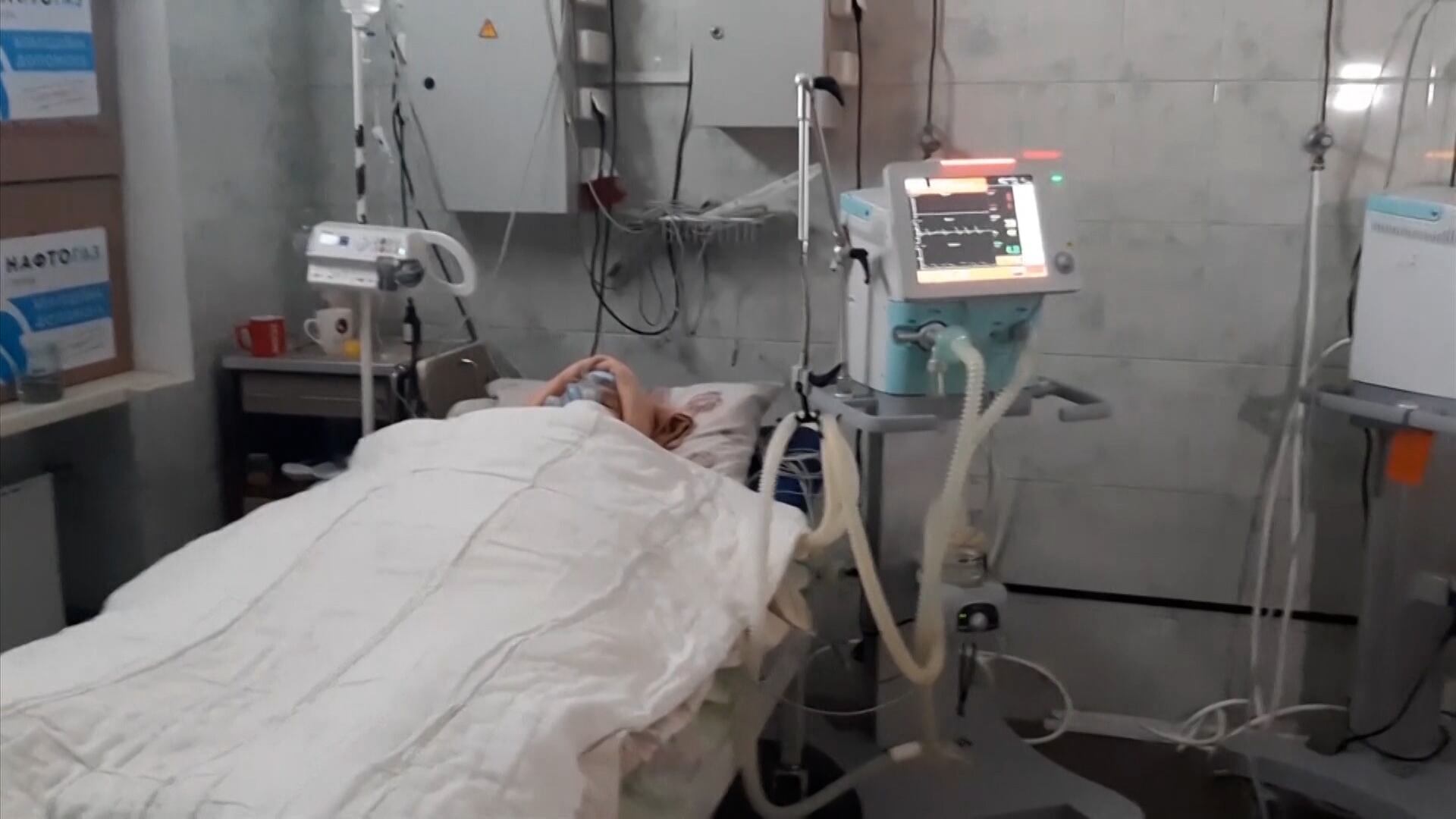
As the Russia's invasion of Ukraine continues, medical experts are worried conditions in active warzones will exacerbate the current pandemic — or even give rise to other contagions. Dr. Daniel Fagbuyi, a war veteran and former Obama administration biodefense appointee, joined Cheddar News to discuss the ongoing danger of COVID-19 on top of the war, as well as the potential for new variants to emerge. "I mean just large volumes of people definitely is a breeding ground. That's the worst case," he said. "Two things don't mix: war-conflict and a virus, a potential pandemic virus."
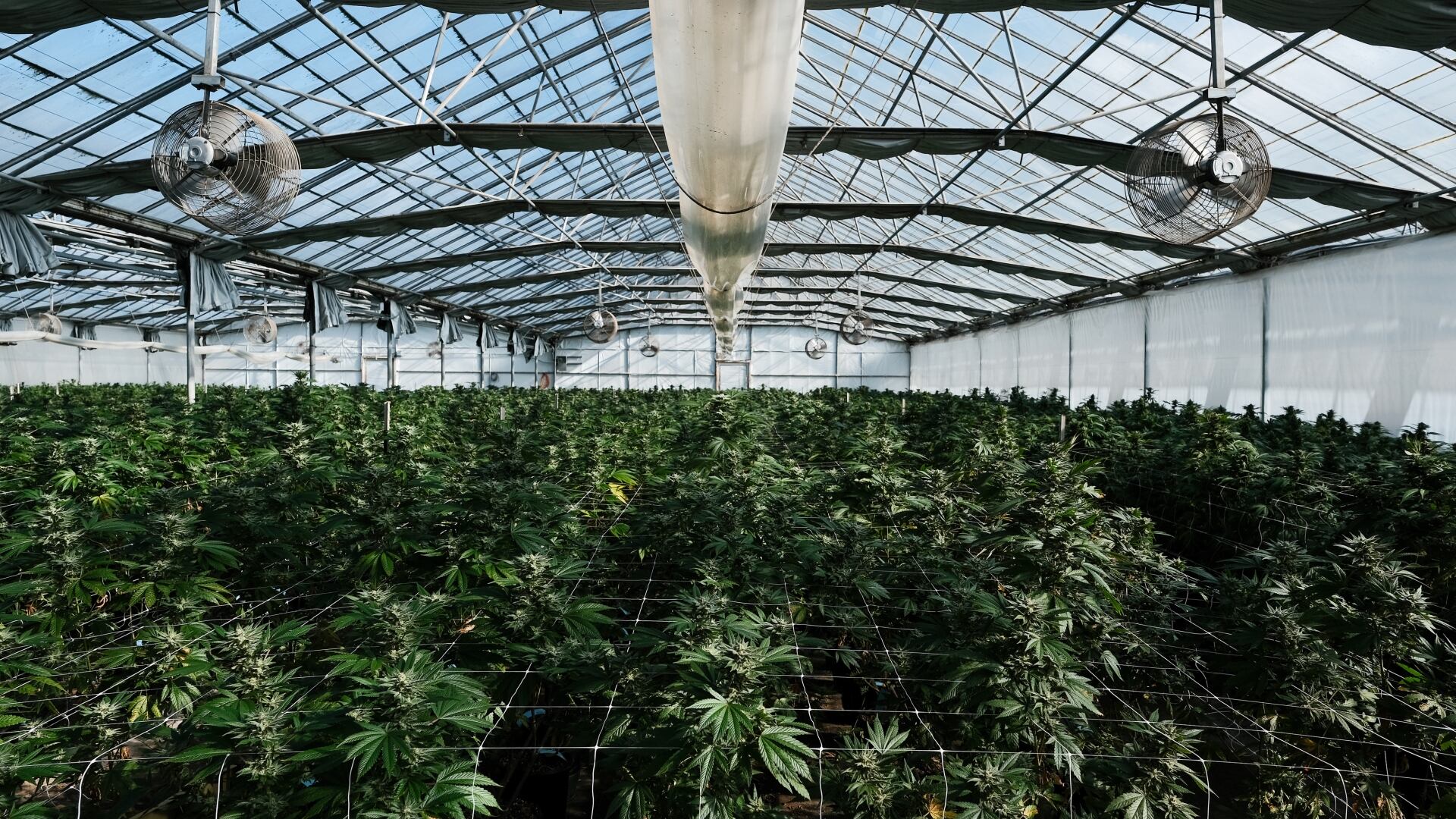
Medical cannabis company Akanda went public this week in what was the first traditional IPO of the month. Shares jumped about 163% in the stock's first day of trading. The London-based company says it hopes to supply medical cannabis products to wholesalers in international markets. Tej Virk, CEO of Akanda, joins Cheddar News' Closing Bell to discuss.