U.S. health authorities said Thursday that 16- and 17-year-olds should get a booster dose of Pfizer's COVID-19 vaccine once they're six months past their last shot.
The U.S. and many other nations already were urging adults to get booster shots to pump up immunity that can wane months after vaccination, calls that intensified with the discovery of the worrisome new omicron variant.
On Thursday, the Food and Drug Administration gave emergency authorization for 16- and 17-year-olds to get a third dose of the vaccine made by Pfizer and its partner BioNTech. And hours later, the Centers for Disease Control and Prevention lifted the last barrier — saying those teens should get their booster as soon as it's time.
CDC Director Rochelle Walensky told The Associated Press the boosters are important considering that protection against infection wanes over time and “we’re facing a variant that has the potential to require more immunity to be protected.”
“Vaccination and getting a booster when eligible, along with other preventive measures like masking and avoiding large crowds and poorly ventilated spaces, remain our most effective methods for fighting COVID-19,” Dr. Janet Woodcock, acting FDA commissioner, said in a statement.
The Pfizer vaccine is the only option in the U.S. for anyone younger than 18, either for initial vaccination or for use as a booster. It’s not yet clear if or when teens younger than 16 might need a third Pfizer dose.
Vaccinations for children as young as 5 just began last month, using special low-dose Pfizer shots. By this week, about 5 million 5- to 11-year-olds had gotten a first dose.
The extra-contagious delta variant is causing nearly all COVID-19 infections in the U.S., and in much of the world. It’s not yet clear how vaccines will hold up against the new and markedly different omicron mutant. But there’s strong evidence that boosters offer a jump in protection against delta-caused infections, currently the biggest threat.
Complicating the decision to extend boosters to 16- and 17-year-olds is that the Pfizer shot -- and a similar vaccine made by Moderna -- have been linked to a rare side effect. Called myocarditis, it’s a type of heart inflammation seen mostly in younger men and teen boys.
The FDA said rising COVID-19 cases in the U.S. mean the benefits of boosters greatly outweighed the potential risk from the rare side effect, especially as the coronavirus itself can cause more serious heart inflammation.
Health officials in Israel, which already gives boosters to teens, have said the side effect continues to be rare with third doses.
A U.S. study this week offered additional reassurance. Researchers from children’s hospitals around the country checked medical records and found the rare side effect usually is mild and people recover quickly. The research was published Monday in the journal Circulation.
___
Associated Press reporter Matthew Perrone contributed to this report.
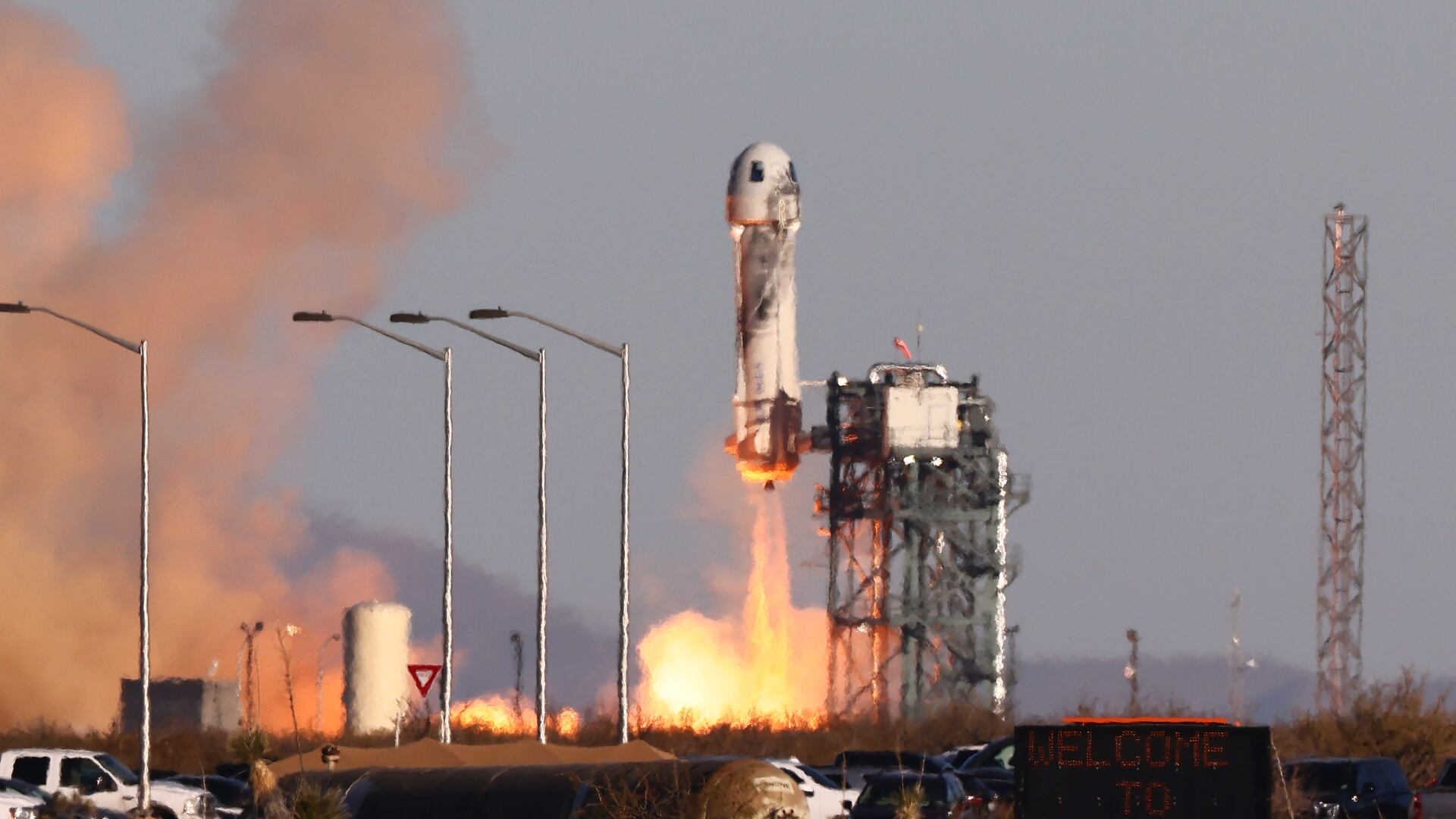
Jeff Bezos’ aerospace company Blue Origin successfully held a fourth civilian launch into space on Thursday. Former NASA Astronaut, Leroy Chiao, joined Cheddar News to talk about the significance of this launch for the future of civilian launches and to discuss the issue of safety. "This is opening space up to more people, raising more awareness, which is good for the entire industry," Chiao said. He also discussed the nature of pricing the tickets for space tourism.
The most popular and most valuable cryptocurrency is also the least eco-friendly - data shows that Bitcoin mining generates the same amount of carbon emissions as the entire country of Thailand. According to nonprofit Fair Planet, 96 million tons of carbon dioxide emissions come from Bitcoin mining every year. Now, a consortium of climate activist groups is calling on the Bitcoin industry to cut its energy use by making changes to its software code. Michael Brune, former executive director of the Sierra Club, joins Cheddar News' Closing Bell to discuss.
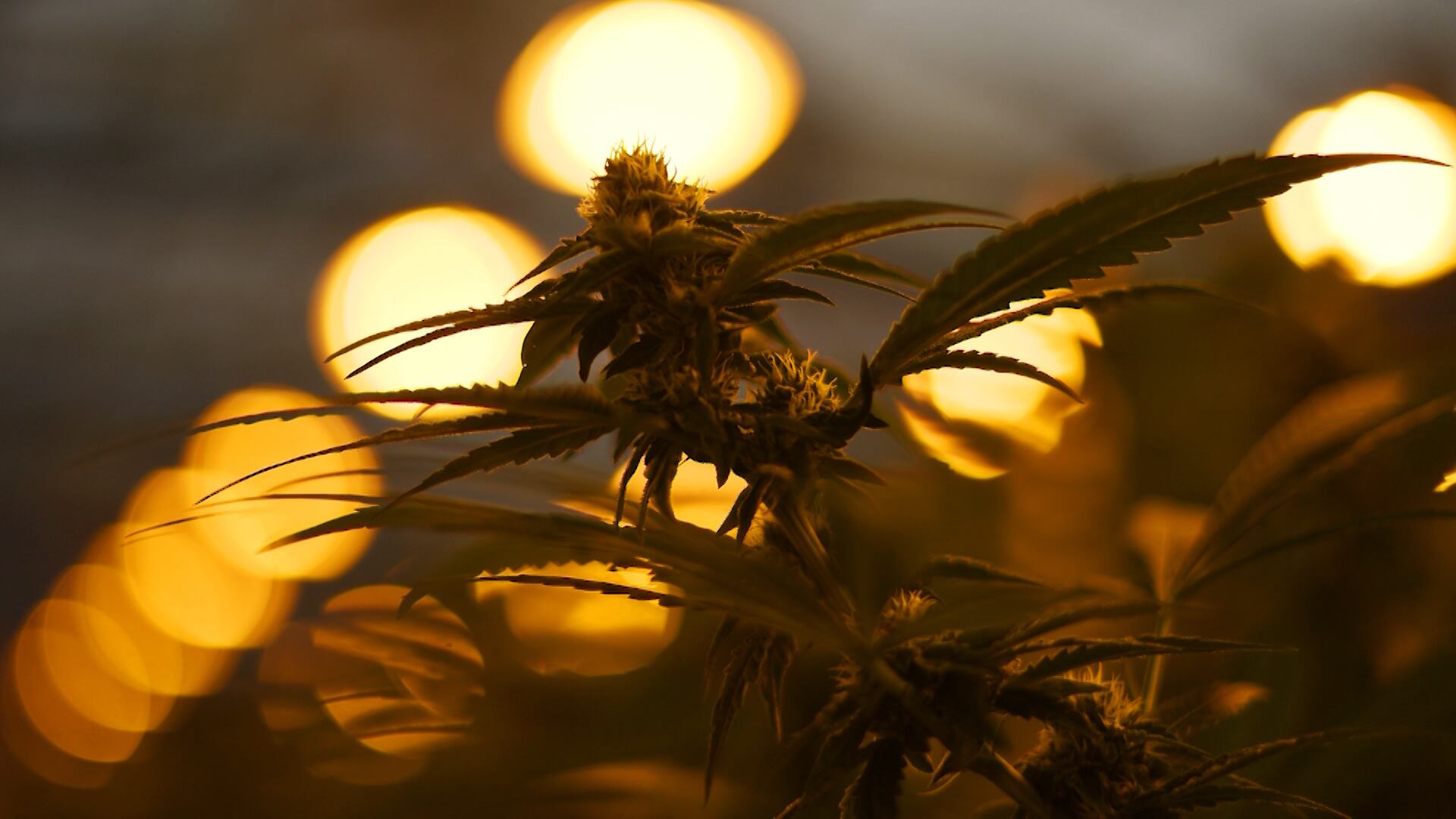
A cannabis software startup is offering a first-of-its-kind perk for its employees - reimbursements for legal cannabis purchases. Jointly Better bills itself as an experience-based cannabis wellness tracker and product platform. In an attempt to attract top talent, the company will reimburse up to $150 a month for its workers' lawful cannabis purchases. David Kooi, co-founder and CEO of Jointly, joins Cheddar News' Closing Bell to discuss.
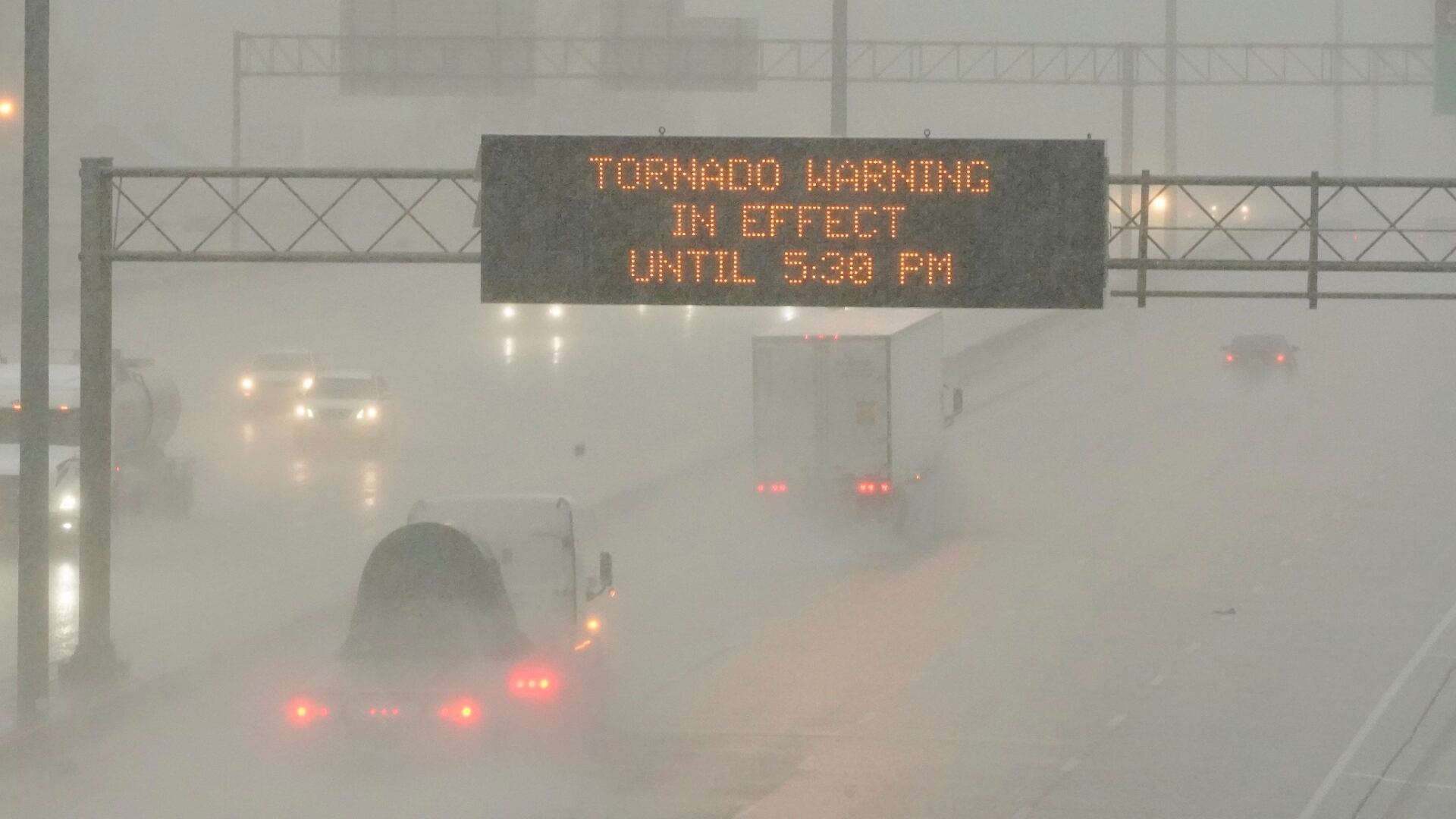
Catching you up on what you need to know on Mar 31, 2022, with updates on Biden's push for more COVID funding, a wave of storms hammering the South, Etsy sellers going on strike, and more.
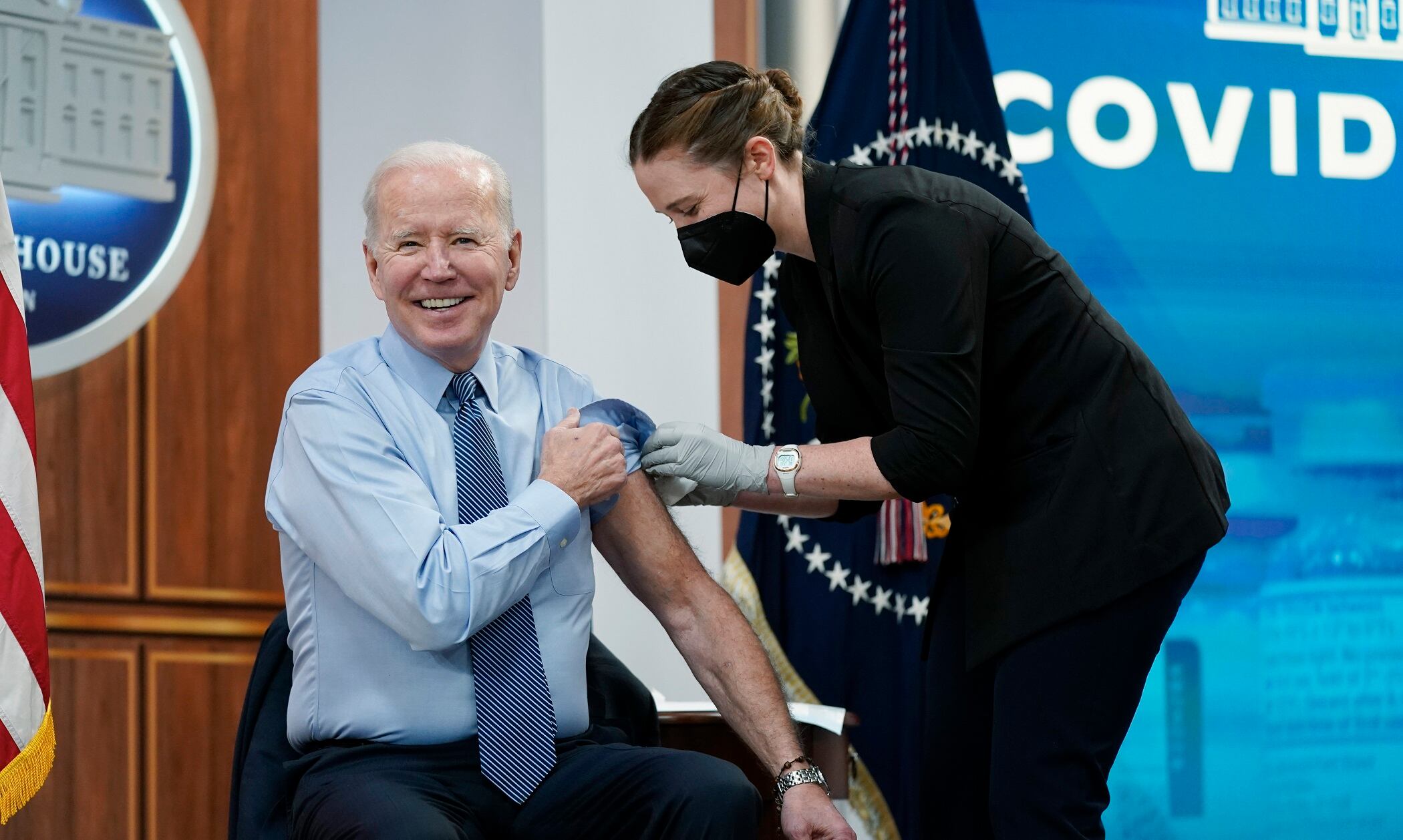
President Joe Biden has gotten a second booster dose of the Pfizer COVID vaccine, and he used the occasion Wednesday to call on Congress to pass billions of dollars in additional funding to fight the pandemic.
Catching you up on what you need to know on March 30, 2022, with updates on what is happening in Kyiv, the FDA releases plans for a fourth dose of COVID vaccines, COVID subvariant BA.2 becomes dominant variant in the U.S., employees at Conde Nast form a union, and more.
A NASA astronaut is back on Earth after a yearlong, record-setting spaceflight. He caught a Russian ride from the International Space Station on Wednesday with two cosmonauts.
Blue Origin is gearing up for its first launch of the year, set for March 31st, but it's not the only one. NASA is also days away from making history with its first private mission to the International Space Station. Three amateur astronauts, who have each paid about $55 million for their seat, will reach the ISS and spend eight days at the off-earth outpost. Jim Cantrell, CEO and co-founder of Phantom Space, joins Cheddar News to discuss what the future of space tourism may look like.